
Politics
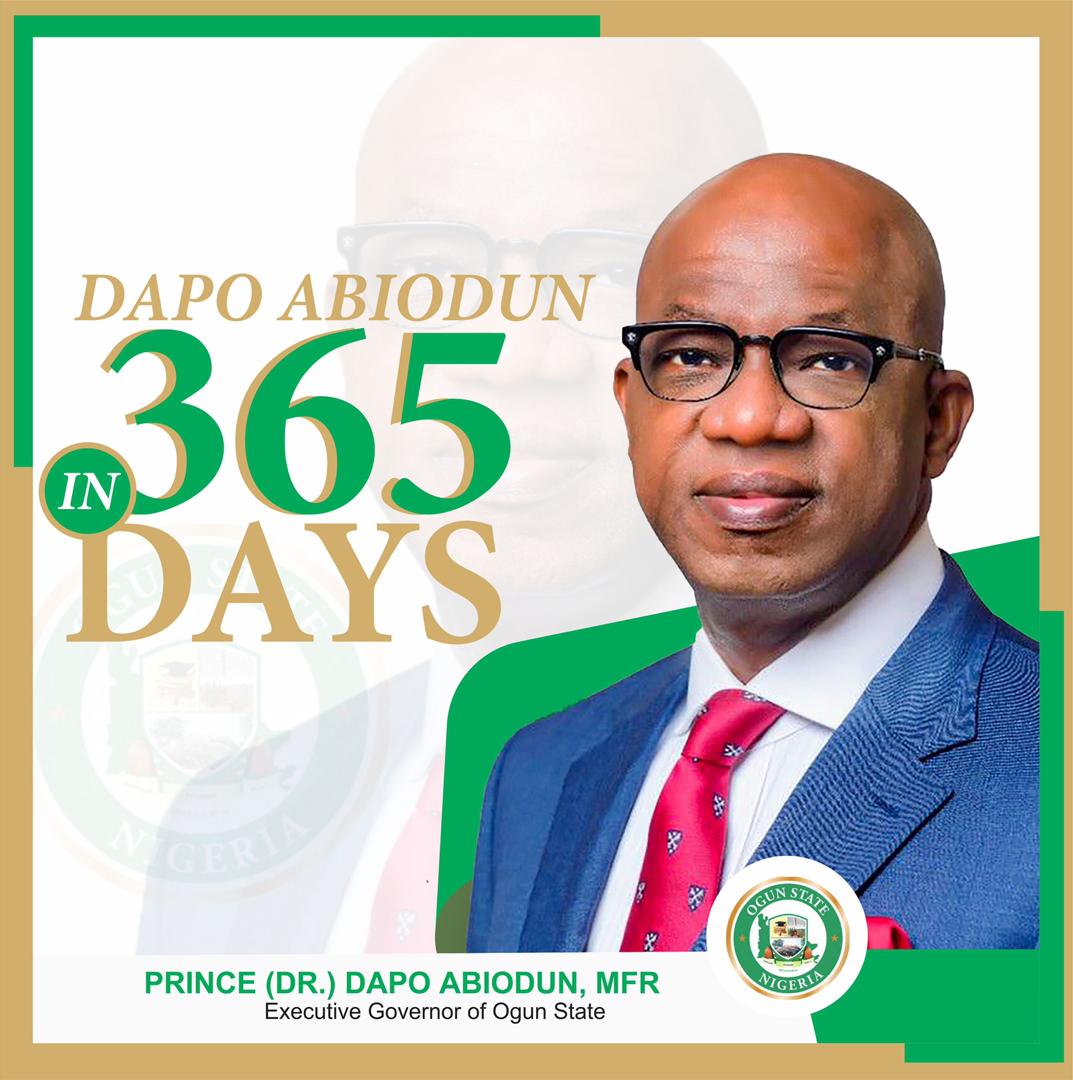
ONE YEAR IN OFFICE: WHY OGUN GOVERNOR ABIODUN IS BEING WIDELY COMMENDED

=INTRODUCTION=
A lot has been achieved within the one year that Prince Dapo Abiodun has spent in office as the Executive Governor of Ogun State. As it was evident when he took over the leadership of the State on 29th May, 2019, there was so much to be done, but so much has been done already within the first year of the Governor’s four-year term. This article highlights briefly some of the many achievements of the Governor Abiodun-led administration so far, according to sectors.
EDUCATION
- Induction of Principals, VPs: Prince Dapo Abiodun has so far inducted a total of 132 Principals, 122 Vice Principals and 4 Zonal Secretaries to fill the deficit the administration met across secondary schools in the State.
- Release of Promotion Letters: On 6th September, 2019, Governor Abiodun approved the backlog of teachers’ promotion exercise for 2016/2017, and letters were immediately issued to that effect by the Teaching Service Commission (TESCOM) and the State Universal Basic Education Board (SUBEB). Altogether, 10,000 teaching and non-teaching staff in the State have been promoted in a massive promotion move.
- Schools’ Rehabilitation: In the 1st Phase of its Rehabilitation Plan of Schools across the 20 Local Government Areas in the State, the Dapo Abiodun administration has renovated 95 public primary and junior secondary schools in the year under review. This is not a shoddy project, as the renovated structures can be seen in the different schools. The project conforms to the Universal Basic Education Commission, UBEC’s recommended standard.
- MAPOLY Resuscitation: As at 29th May, the prestigious and long-existing Moshood Abiola Polytechnic, Ojere was a walking corpse. The immediate past government led by Senator Ibikunle Amosun, for reasons best known to them, uprooted the established working system of the tertiary institution, making unnecessary claims of the need to convert the school to a university of science and technology – a move that would have cost all academic and non-academic staff of the institution to lose either their jobs or some years of service. However, today, MAPOLY is back on her feet, with a good number of employed staff, matriculated students, robust IGR and an overall working system; thanks for Governor Dapo Abiodun who intervened. In fact, the institution commenced the processing of registration and issuance of admission letters to their ND new intakes for the 2019/2020 academic session via their Central Admission Processing (CAP) portal.
- TASCE Revival: Another needless mission of abandonment embarked upon by the Amosun-led administration was the Tai Solarin College of Education. In less than two months in office, Governor Dapo Abiodun set up a visitation panel to make reformatory recommendations on the situation of the school. Fast forward to November, 2019, Governor Dapo Abiodun inaugurated a 12-member Governing Council chaired by Chief Yemi Adefulu, and today, TASCE is starting to return to its old glory, having held its first combined convocation ceremony in December.
- Cancellation of Levy: When Governor Abiodun took over the administration of Ogun State, he met a needless so-called N3,700 PTA levy being paid by students of public schools. The Governor promptly ordered the immediate cancellation of the levy that had been regularly collected during the immediate past administration, and which clearly burdened the already strained parents and guardians. The students now enjoy access to all items initially being paid for, and all the public schools are instead now being given monthly running costs by Governor Abiodun’s administration.
- DigiClass on State Television: As the world battles the COVID-19 pandemic, all schools remain shut, to curb the community spread of the virus amongst pupils and students. Having in mind, however, that pupils and secondary school students have the tendency of derailing academically due to the distance from school, Governor Dapo Abiodun directed the Ogun State Television, OGTV to commence televised classes to reach the target students. According to the Governor, the medium was chosen so that a larger audience can be reached even to the grassroots, since viewing does not require paid subscription.
- Special Needs Schools: The Ogun State Governor has facilitated, in the year under review, the renovation of Special Needs School, Sagamu, while 53 Interactive Boards have been donated to all Special Needs Schools across the State.
- EMIS: The State Government in the year under review, has procured and installed the Education Management Information System (EMIS) equipment and gadgets to aid data collection, collation and analysis in the Education Headquarters and all the 20 LGEAs.
HEALTH
- PHCs’ R Hospitals’ Rehabilitation: Like he did to public schools in all wards of the State, Governor Abiodun ensured that 236 primary health centres across all wards and 2 General Hospitals have been rehabilitated. To increase access to health facilities especially as the State battles the COVID-19 pandemic, the Government has now also done fully renovation of 8 select PHCs, since PHCs are the closest and most easily accessible to the people.
- Hospitals’ Equipping: The current administration of Prince Dapo Abiodun, in filling the deficit in medical equipment, saw to the delivery of needed medical equipment to two State Hospitals, including the State Hospital in Ijaiye, Abeokuta. Over 30Million Naira have been transparently spent on equipping hospitals across the 3 senatorial district, including the new fleet of 10 ambulances.
- Immunisation: Over 1,258,844 children have been vaccinated against polio, being a 33% increase from the total recorded number in the previous year.
- Medical Staff Recruitment: In September, Governor Abiodun approved the recruitment of resident doctors, nurses, pharmacists and other healthcare professionals in various cadres into the Olabisi Onabanjo University Teaching Hospital (OOUTH), Sagamu. As at now, 82 health workers have been recruited in the Hospital, while 56 others have been recruited across the State Hospitals.
- Medical Outreach: On 4th September, Governor Abiodun flagged off a medical outreach in Ilishan-Remo to reach the whole of the State, offering free medical examination including free eye glasses, immunisation, and BP checks. This followed the Hepatitis outreach, flagged off at a PHC in Sango on 28th July and currently ongoing across the State, offering free hepatitis tests, counselling and vaccination. Altogether in another initiative of the Government, 8,000 women enjoyed the life-saving interventions offered during the Maternal and Child Health Week.
- COVID-19 Isolation Centres: Ogun State hosts 5 COVID-19 Treatment and Isolation Centres, some of which were set up by the State Government of Prince Dapo Abiodun while others are private sector donations. They are located in Ikenne, Sagamu, Iberekodo and Abeokuta, with the total bed capacity of over 300.
- COVID-19 Drive-Through & Walk-In Testing Centre: In a bid to increase the testing capacity of the State, the Dapo Abiodun-led administration set up a testing centre in Ota. The centre, which is equipped with a specially designed protective glass box to be used by medical personnel collecting samples, allows suspected patients drive their cars in or simply walk in and get tested, with results getting ready in no time.
- COVID-19 Molecular Lab: In the wake of the COVID-19 pandemic, Ogun State had to send collected samples of suspected cases to Lagos and Osun for testing and this took quite some time for results to be ready. The State Government, led by prince Dapo Abiodun quickly moved into action by setting up in the OOUTH, Sagamu, the first Molecular Laboratory solely funded by a state in Nigeria.
- COVID-19 Mobile Lab: In the current month of May 2020, the Nigeria Centre for Disease Control (NCDC) accredited the Africa’s first COVID-19 Mobile Laboratory established by the Ogun State Government. With the capacity to run 400 tests a day, the Lab is contained in a 40ft container, in the intended 250-bed hospital in Abeokuta, the State Capital.
- COVID-19 Test Index: As at now, May 2020, Ogun State has screened over 10,000 people for the Coronavirus, with over 920 samples tested. This record is as a result of the high number of Centres set up for sample collection, testing, isolation and treatment. Also, the use of mobile technology by health workers to aid the testing process has increased the State’s testing capacity.
- 250-Bed Hospital ICU: It would be recalled that the immediate past administration led by Senator Ibikunle Amosun claimed to have spent a staggering 7Billion Naira on the intended 250-bed hospital in Abeokuta, even as the hospital remained uncompleted and with uninstalled medical equipment. However, in a bid to increase the handling capacity of the State, Governor Abiodun has made sure that ICU floor of the hospital has been completed. The floor has 18 available beds, 8 of which are high dependency and 10, ICU.
- 300% Hazard Allowance Increment: In order to compensate health workers in Ogun State for the daily sacrifice they make during the COVID-19 pandemic, Governor Dapo Abiodun has permanently increased their hazard allowance by 300%.
- Life Insurance for Health Workers: The Ogun State Government has enrolled over 8,000 health worker for life insurance, which is essential to secure the frontline health workers against the risks of their jobs especially during the COVID-19 pandemic.
- HIV Prevention & Treatment: The Government, through the State Agency for the Control of AIDS (OGSACA), has upgraded selected State Hospitals to provide Prevention of HIV from Mother to Child (PMTCT) and Anti-retroviral Therapy (ART) services. While the Agency continues to distribute HIV test kits to health facilities, the number of infants exposed to HIV but who tested positive to the virus in the PMTCT has significantly reduced by over 94%.
ENVIRONMENT
- Flood & Erosion Control: The administration of Prince Dapo Abiodun, on assumption of office, met towns in the constant path of flooding, so it embarked on a waterway clearing project along streams/rivers and tributaries, including Ijeun Lukosi and the Joint Community Development Ilogbo, Ota.
- COVID-19 Disinfection Exercise: In response to the COVID-19 pandemic, the State Government through the Ministry of Environment, embarked on a disinfection exercise of commonly touched surfaces such as in major open markets, motor parks, and other public spaces.
EASE OF DOING BUSINESS
- World Bank OGSTEP Facility: Facilitated by Governor Dapo Abiodun, the Ogun State Government has received US $250million credit from the World Bank towards the financing of the Ogun State Economic Transformation Project (OGSTEP). The objective of the project is to improve the status of the State on the Ease of Doing Business index, through the strengthening of its agriculture value chains, developing skills and fortifying its business environment. These measures are set to increase the role played by the private sector in the State’s economy, in line with the Abiodun-led administration’s Public- Private Partnership initiative (PPP).
- One-Stop Shops: In line with his promise to provide an overall enabling environment for businesses and investors in Nigeria, the administration of Governor Dapo Abiodun has set up agencies that serve as one-stop shops for investors in the State and ensure that all intersectorial agreements meet global best practices. These agencies include: the Investment and Facilitation Promotion Agency, the Business Environment Council and the Public- Private Partnership Office.
- Investments: Early 2020 (January), Governor Abiodun together with his Lagos State counterpart, His Excellency Babajide Sanwoolu and other governors, was in London with President Muhammadu Buhari to meet with many potential UK investors and reached viable agreements across sectors including power, health, agriculture, education, security and infrastructure.
WOMEN EMPOWERMENT & SOCIAL WELFARE
- Skills Acquisition: The Government, under the leadership of Prince Dapo Abiodun, has trained 300 unemployed women and youths in the State in 4 different vocations (Catering & Decorations, Hair Dressing, Make-Over & Gele Tying, and Fashion Designing).
- Nigeria for Women Project: Governor Dapo Abiodun has released counterpart fund for the NFWP. The World Bank project provides support for the development of living conditions of women in Ogun State, through grants, skills training, and the overall socioeconomic upliftment of women.
- Oko’Wo Dapo Loan Programme: Launched on 5th September 2019, the social empowerment programme initiated by the Dapo Abiodun administration and named the Oko’Wo Dapo Loan Program has so far benefited over 2,000 women, as a means to economic empowerment and increased productivity for collective development.
- Social Cases: In the last one year of the administration, the State Government through the Ministry of Women Affairs and Social Development, has reconciled 210 Estranged Couples, closed 901 cases, resolved 132 knotty cases, with a total of 1,140 Family Cases handled by the State’s Social Development Area (SDA) offices in their host LGAs.
- Child Development: The Abiodun-led State Government has rescued 9 Baby Factory victims at Akute and continues to care for them. Also, in the drive to maintain global best standards in Homes, the Government has commenced the Standardised Remedial Programme of two Homes (Stella Obasanjo Children and Juvenile Correctional Homes).
- COVID-19 Relief Package Distribution: Since the outbreak of the COVID-19 pandemic in Ogun State, the Abiodun-led administration has embarked on an aggressive distribution of palliatives to the poor, vulnerable and elderly on the one hand, and the youth across all 20 LGAs in the State. The first phase of the distribution reached about 300,000 individuals across the State, while the second reached about 80,000, translating to around 400,000 targeted individual. The relief package distribution to the poor and vulnerable youths has reached about 20,000 youths.
- Rehabilitation Services: The Government has evacuated from the streets, 312 destitute, beggars and vagrant lunatics, while it has reunified 297 of them with their families within the last one year. 4 vagrant lunatics have been repatriated to their respective states, while Ogun State has received 2 other mentally ill persons from Cross Rivers State who have now reunited with their families after receiving treatment at the Community Psychiatric Hospital, Oke-Ilewo, Abeokuta. The Government has also facilitated free treatment of 11 mentally ill persons at the same hospital.
- Home-Grown School Feeding Programme: The Federal Government, through the Ministry of Humanitarian Affairs, has disclosed that it will continue the home grown school feeding program despite the stay-at-home directive. According to the FG, it is necessary that the program continues, so that the mental and physical development of school pupils will not be stopped at any time. Governor Dapo Abiodun has facilitated the inclusion of Ogun State in the social intervention program, with over 60,000 Primary 1-3 pupils set to benefit across all 20 LGAs in the State.
- Pensioners’ Welfare: With a 96% increase in the number of pensioners on the State payroll in the year under review, the State now has 13,718 pensioners on its payroll, and they have been paid over N10Billion Naira. Ogun’s Bureau of State Pension has also made arrangements with Pension Fund Administrators (PFAs) towards clearing 649 retirees for refund of their contributions to the old Contributory Pension Scheme between May, 2019 and February, 2020. Gratuities are now also being computed with all relevant allowances, unlike before the administration when only Basic, Rent and Transportation allowances were used.
- Social Development: In the year under review, Governor Abiodun has facilitated the establishment of the World Bank-assisted Ogun State Community and Social Development, and has approved the release of 50Million Naira counterpart fund. The 1st and 2nd tranches of the grant from the World Bank has been released to 13 selected communities in 6 LGAs, including Abeokuta North, Ipokia, Yewa, Remo North, Ado-Odo/Ota and Odeda.
EMPLOYMENT & EMPLOYMENT GENERATION
- Ogun Job Portal: One of the highly lauded technological initiatives of the Prince Dapo Abiodun administration is the setting up of an online platform where unemployed persons or business owners, seeking career advancement, register their profiles towards getting the desired result. The platform has so far yielded a good number of employments to mostly the youths in Ogun State, while it continues to be useful to the Government to further understand the rate of employment and underemployment, providing a better approach to tackling the issue.
- 1,500 Teachers Employed: The Ogun State Government had earlier announced that it would be recruiting 1,500 teachers to the public schools across the 20 LGAs in the State. Using the Ogun Job Portal, more than the targeted number of applicants applied for the job by opening profiles on the site, personally receiving updates and invites to tests and interviews. However, as the world battles the global COVID-19 health scourge, the recruitment process has been put on hold, but will resume once things return to normal.
- Absorption of ASCON Entrants: Former Governor Ibikunle Amosun, in the twilight of his administration, claimed to have employed about 2,000 ASCON entrants – without actually entering their files into the civil service record. Unlike how Senator Amosun acted vindictively when he assumed office in 2011, Governor Dapo Abiodun absorbed all entrants into the State Civil Service and paid the backlog of all salaries owed them. This was indeed the humane thing to do, especially when there was the easy but heartless option of letting them go – without pay, like Amosun in 2011.
- Reinstatement of Unjustly Sacked Labour Leaders: In 2017, Former Governor Ibikunle Amosun sacked the State Chairman of the Nigeria Labour Congress (NLC), Comrade Akeem Ambali, his Deputy, Comrade Dare Ilekoya, the Deputy Director in the Ministry of Education, Science and Technology, Mr Olusoji Majekodunmi and 13 others for trumped up allegations of misconduct. Fast forward to 5th October, 2019 on World Teachers Day, Governor Dapo Abiodun reinstated all 16 workers, who are mostly teachers, stressing that teachers are the bedrock of society.
- Mass Recruitment: In February, 2020 alone, Ogun State recruited 1,000 people from across all 20 LGAs into the Ogun State Environmental Protection Agency (OGEPA). In the same month, 400 youth artisans were recruited across crafts (plumbing, electrical and building) as Direct Labour initiative into the State Ministry of Housing’s Building Programme.
AGRICULTURE & YOUTH EMPOWERMENT
- Anchor Borrowers Programme (ABP): Governor Dapo Abiodun has facilitated the crediting by the CBN of 3,500 farmers drawn across all 20 LGAs with over N700Million. Each farmer received 60bundles of improved Cassava stems, 4bags of fertilisers, 11litres of herbicides and fund of N210,275. The Governor disclosed this when he flagged off the 2020 Planting Season, while distributing fertilisers and other inputs to the beneficiaries of the Ogun State ABP. The Programme involves 7 commodities, including cassava and rice. The Government is also providing technical expertise and assistance to the farmers, with world- class agric tutors handling training and consultancy.
- Ogun Broiler Project: The Ogun Broiler Project is being carried out in phases. In the first phase, 54 youth beneficiaries were each empowered with 1,000 day-old broiler chicks. Each beneficiary made an average profit of N130, 000 every six weeks of production. Over 9,000 youths have now registered with the State Ministry of Agriculture for the second phase of the Project. The aim is to produce over 110,000kgs of broiler meat in six weeks, and each beneficiary will make an average profit of N180,000 per six weeks of production. This Project, done in conjunction with the Bank of Industry and Amobyn Nigeria Ltd, has proven to provide employment for the youth, while ensuring food security without reliance on foreign poultry products mostly ridden with preservatives and other chemicals.
- Rice Intervention: Governor Dapo Abiodun, who had always stressed the importance of food security to the welfare of the people, has given support, through the State Ministry of Agriculture to rice farmers across the State. One of the farmlands provided by the State Government is the 120,000 hectare rice farm in Sowunmi Village along the Ofada/Mokoloki axis of the State. The Joint Ogun State and International Fund for Agricultural Development (IFAD) Value Chain Project is already ongoing across 8 LGAs of the State, including Obafemi-Owode, Yewa North & South, Ijebu North & East, Ifo, Odeda and Odogbolu.
- Agro-Industrial Processing Zone: After competitive bidding with other southwest states, Ogun State was on 8th April, 2020 shortlisted by the African Development Bank (AfDB) as a major hub for Industrial Cassava, Poultry, Agro-Forestry and Fishery.
- Fish Farming: In the year under review, the Ogun State Government has constructed and maintained 385 (Dug-Out – 235; Tank – 130) new fish ponds/tanks 300 Fish Farmers across the State. This is as 2,815 farmers were assisted in stocking 2,815,000 Clarias Fingerlings.
- FADAMA Scheme: The FADAMA Graduate Unemployed Youths Scheme (GUYS), which was flagged off by Governor Abiodun, has credited 200 beneficiaries with a total grant of over 74Million Naira with varying individual amounts depending on the chosen agricultural enterprise. The enterprises include cultivation of Cassava, Maize, Rice, Yam and Vegetables as well as rearing of Poultry, Fisheries, Piggery, Snailry, Large Ruminants and Agro-Processing, among others. All beneficiaries have completed the first cycle of their enterprises, under the close supervision/mentoring of the State FADAMA Office, and with bountiful harvests.
- Training, Advisory Services: Governor Abiodun has validated the recruitment of additional 100 Agricultural Extension Agents for overall provision of training and advisory services to farmers, while the Extension Agents on board have conducted 153,600 technical advisory field visits to service 360,000 farm families through contact Farmers’ Groups across the State.
- Plant Sucker Distribution: The State Government in partnership with the Federal Ministry of Science and Technology distributed improved varieties of plantain, banana, and pineapple to 100 farmers as a way to promote increased productivity of farmers.
- Potable Water for Farmers: In the year under review, the State Government has constructed 4 solar-powered boreholes, to make a total of 11 of the type, resulting in 2,500 beneficiaries of the Ogun State Value Chain Development Programme (VCDP) having access to safe drinking water.
SECURITY
- Ogun State Security Trust Fund (OGSTF): In August 2019, Governor Dapo Abiodun launched the reinvigorated OGSTF. The Governor set up an oversight Committee to source for, receive and manage donations from the private sector, of funds and equipment for crime prevention. The Committee also mobilises these funds and resources for the training and retraining of security personnel. Already, within less than a year since Governor Abiodun signed the 2019 State Security Trust Fund Bill (as amended) into law, the OGSTF has made remarkable achievements that have strengthened the security architecture of the State and significant donations have been received from the private sector such as the 25 fully equipped operational vehicles donated by the Dangote Group on 8th May, 2020.
- Donation of Patrol Vehicles & Motorbikes: In September 2019, the Abiodun-led Ogun State Government, through the OGSTF, donated 100 patrol vehicles and 200 motorcycles to the Ogun State Command of the Nigeria Police. The donations were gladly received by the Inspector General of police, Mohammed Adamu, who was in the State for the purpose. The Government on 28th April, 2020 again donated 15 additional operational vehicles and 91 motorbikes to security agencies in the State. The Nigerian Army got 2 vehicles, the NSCDC got 2, the DSS got 2, the NIS got 1, and the Police got an additional 5. Of the motorcycles, the Police received 69, while the QRS got 10, TRACE 10, and the NSCDC 2.
- Handling COVID-19 Lockdown Security Unrest: The April donation of additional operational vehicles and motorbikes to numerous security agencies was a fulfilment of Governor Dapo Abiodun’s promise to provide material and logistic support to further strengthen the security architecture of the State. The Governor had made this promise in a 12th April statement which was released after the Ogun State Police Command made arrests of 150 suspects in connection with the security unrest that erupted within the Agbado Ijaiye, Sango, Ijoko and Ifo axis, when the State began enforcing the FG-directed COVID-19 lockdown. The Governor emphasised that in his usual manner of not condoning crime from any quarters, he immediately directed the Command and other relevant agencies to promptly move with full force against the criminals.
INFRASTRUCTURE:
- Housing: Governor Dapo Abiodun’s administration is working assiduously to fill the deficit in housing, while also ensuring that the existing housing units come at an affordable cost.
(A)There is currently a low cost housing project (Prince Court Estate) ongoing at Kemta Idi- Aba, Abeokuta. The first phase of the project will deliver 150 units, and as at May 28, 2020, 130 units of these were already ready to be delivered at a discounted rate. Equally, there is the ongoing King’s Court Estate Development project at Oke-Mosan, Abeokuta.
(B) Another project is the 23-unit Laderin Estate Civil Servants Scheme, with 2- and 3- bedroom bungalows.
(C) Governor Abiodun has seen to the downward review of the selling price for the 160-Unit AAK Degun Estate situated in Laderin, Abeokuta, from N7Million to N5.5Million for the 92 units of 3-bedroom semi-detached flats and from N5Million to N4Million for the 68 units of 2-bedroom apartments.
(D) The State Government has also refunded payments to allottees of the AAK Degun Estate who had earlier made full payments. This, for instance, translates to the refund of N1.5Million to some allottees of the 3-bedroom apartments.
(E) The Government has also relaxed terms and conditions of sale of the units, including the reduction of interest rate from 18% to 6%.
- Water: Having earmarked N9.823Billion for Rural Water Supply and Sanitation, The State Government through the Governor had promised that over 70% of the rural populace would have access to potable water supply. On 8th January, 2020, the Governor held an assessment tour of the Ogun State Water Project in Arakanga, Abeokuta North LGA, where a directed a liaison between the State Water Corporation, the OORBDA and the IBEDC for an expedited revival of rural water supply. As at February, both the Arakanga and Ikenne Water Treatment Plants had commenced operations, with potable water being supplied to Abeokuta and 14 other major communities, including Ikenne. The water schemes that the Government has so far attended to include Igbogila, Ibooro, odnopa, Ipokia, Idowa, Omu Ijebu, Ago Iwoye, Igbesa, Owode Yewa, Imoru, Ibefun and Ikangba. The Powerline at Ikangba Borehole Scheme in Ijebu-Odehas also been reconstructed.
The Government is currently rehabilitating the Barrage across the Ogun River and is constructing cofferdam structures for ease of installation of the Barrage. This is as the Ota Regional Water Supply Project, which is being executed together with the Federal Ministry of Water Resources, has been completed.
- Road: On assumption of office, Governor Dapo Abiodun had asked the good people of Ogun State to identify roads across the 236 wards of the State that were in need of immediate attention. As a quick-fix mechanism, the State Government immediately set up the Ogun State Public Works Agency, OGPWA which has since carried out palliative works on the identified roads. Also, the State Government, through the Ministry of Works, has commenced the reconstruction of key roads, including even Federal roads, across the 3 Senatorial Districts to ensure safe travels for its citizenry.
Altogether, a total number of 87.4km of new roads now at different stages of completion have been reconstructed across the three senatorial districts of the State while, a total number of 246.26km of roads have been rehabilitated throughout the State.
These roads include: (A) Ijebu Ode-Epe Expressway; (B) Ota Owode-Idiroko, Ado-Odo/Ota LGA; (C) Bright Fashion Baruwa Street, Sagamu, Sagamu LGA; (D) Iberekodo General Hospital Internal Road, Abeokuta North LGA; (E) Ikola/Navy-Osi Ota Road, Ado-Odo/Ota LGA; (F) Raypower Road, Ado-odo/Ota LGA; (G) Hospital Road, Sagamu, Sagamu LGA; (H) State Hospital, Ilaro Internal Road Network, Yewa South; (I) Oru-Awa-Alaporu-Ibadan, Ijebu North LGA; (J) Molipa-Fusigboye-Ojofa Street, Ijebu-Ode LGA; (K) Asafa Oke-Asafa Isale-Ayegun- Ojofa Street, Ijebu-Ode LGA; (L) Obantoko Road (FAJOL-American Junction-Unity Estate-Gbonagun) Phases I-III, Abeokuta South/Odeda LGA; (M) Idi Aba- Elite-Oke Lantoro, Abeokuta South LGA; ? Ikoritameje-Adenrele/Olose Titun-Vespa, Ifo LGA; (O) Abeokuta-Sagamu Interchange; and (P) Oba Erinwole Dual Carriageway, Sagamu LGA.
- Urban Development: Towards achieving its pledge to implement a sustainable urban development programme, the Abiodun-led Government has set up 3 parastatals to handle Planning and Development, Slum Regeneration, and Building Production Management.
Furthermore, the Government has signed an urban renewal MOU on the 3-year Future Cities Nigeria programme in a partnership drive with the UK, through the UK Prosperity Fund. The programme will result in multiple local and foreign investments, employment generation, and reduction in poverty.
YOUTH & SPORTS
- Marathon Race Hosting: In the 7 months of Governor Abiodun’s administration in 2019, Ogun State hosted two different marathon races, namely: JAC Motors 10km Race, and the Valuejet IAU African Championship, tagged Remo 2019. The winner of the former which had over 5,000 participants went home with US $5,000, while the winner of the latter which had over 10,000 participants took home $2,000. The Governor had always stressed that Ogun State had all it take to become the sports capital of the Nation because of the large number of athlete indigenes, conducive business- enabling environment, and available resources. Apart from empowering and encouraging the youth through agriculture and social intervention programmes, the Governor opined that sports was also another viable way of reaching the youth populace.
- NYSC Orientation Camp: The Ogun State Government has, in the year under review, renovated all facilities at the NYSC Orientation Camp in Sagamu, including hostels, chalets, halls and clinics. The Government has also provided 2 industrial boreholes for use in the Camp.
- Paralympic Games Hosting: Ogun State has hosted the 1st Western Zonal Competition of the Paralympic Games at the Ijebu-Ode Stadium, after Prince Dapo Abiodun became Governor. This is the same Stadium that the State Government renovated by reroofing of Grand Stand and comprehensively renovating hostels.
LOCAL GOVERNMENT & CHIEFTAINCY MATTERS
- Reversal of Undue Promotions: The immediate past administration wrongly promoted 75 Minor Chiefs to Coronet Obas. The current Administration of Prince Dapo Abiodun set up a Committee to review the process that put the Chiefs in the position. The Committee discovered that due process was not followed, and they recommended a reversal of the process, which when adopted by the Government, restored the sanctity of the Traditional Institution in the State.
- LG Transition Committees: In January, 2020, Governor Abiodun inaugurated Transition Committees with appointed Chairmen for all 20 LGAs, in order to fill the vacuum of functionaries created with the exit of the last administration.
=CONCLUSION=
Governor Dapo Abiodun is a man who will not rest on his oars until he achieves the best, especially as he has pledged to God and people to uphold the best standards in the line of duty and the execution of all capital and non-capital projects. A man who has achieved all these within the short period of a year, despite having lost over 3 month of the State economy to the global COID-19 pandemic ravaging the State, will definitely do more than the mind can imagine in 4 years.
Ogun State people, prepare for a ride of more achievements in the #BuildingOurFutureTogether Agenda of Prince Dapo Abiodun, MFR.
SF. Ojo Emmanuel Adediran.
Senior Special Assistant to the Governor on New Media
DapoAbiodun365Days




Politics
APC Group Endorses Fubara for 2027, Calls on Tinubu and APC to Prioritise Performance Over Politics in Backing Governor’s Second Term Ambition
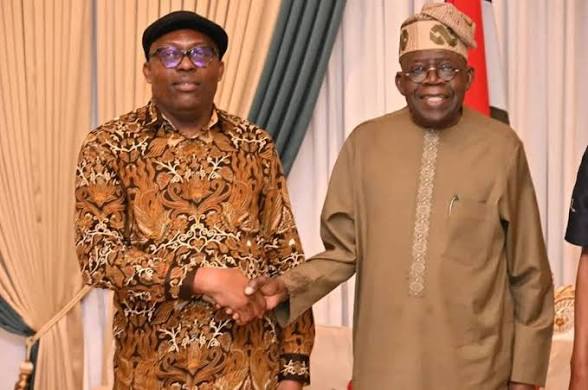
*APC Group Endorses Fubara for 2027, Calls on Tinubu and APC to Prioritise Performance Over Politics in Backing Governor’s Second Term Ambition*
The APC National Vanguard has appealed to President Bola Ahmed Tinubu and the leadership of the All Progressives Congress (APC) to support a second term in office for Siminalayi Fubara, citing what it described as “impressive and verifiable developmental strides” across Rivers State.
In a statement issued on Thursday by its National President, Dr Gbenga Salam (JP), the group said its position followed an extensive assessment tour of key infrastructure and public service projects executed under the Fubara administration.
The APC National Vanguard said the appeal was based strictly on performance, arguing that governance outcomes should outweigh partisan considerations, particularly in a state as economically significant as Rivers.
“We respectfully urge President Bola Ahmed Tinubu and the leadership of the All Progressives Congress to support the continuity of Governor Siminalayi Fubara beyond his current tenure, in recognition of his commitment to development, prudent resource management, and people-focused governance,” the statement read.
According to the group, its delegation visited multiple project sites across the state, observing ongoing and completed works spanning road construction, urban renewal, and public infrastructure upgrades.
It noted that the scale and distribution of these projects reflect a deliberate effort by the state government to extend development beyond traditional urban centres and into underserved communities.
“Our findings from the tour reveal a government that is not only active but intentional in its development agenda. The execution of capital projects across various parts of Rivers State demonstrates a clear understanding of the needs of the people and a commitment to addressing them,” Dr Salam said.
The group particularly commended what it described as prudent financial management by the administration, noting that the projects reviewed showed evidence of careful planning and efficient allocation of resources.
“At a time when economic pressures are evident across the country, it is commendable that the Rivers State government has managed its resources in a way that delivers visible and impactful development without signs of fiscal recklessness,” the statement added.
The APC National Vanguard further observed that despite political tensions in the state, the Fubara administration has maintained focus on governance, ensuring continuity in project execution and service delivery.
The group argued that such stability is critical for sustained development and should be encouraged rather than disrupted.
“Leadership must ultimately be judged by results. In Rivers State, there is clear evidence of progress—projects that are not only announced but executed, and policies that translate into real benefits for citizens,” Dr Salam noted.
The group warned that discontinuity in leadership could stall ongoing projects and reverse gains already recorded, stressing the importance of allowing a performing administration to consolidate its achievements.
“Rivers State is at a pivotal stage where continuity will allow for the completion of ongoing initiatives and the deepening of development gains. Supporting Governor Fubara for a second term is, therefore, a decision in the best interest of the people,” the statement said.
In addition to its call on the APC leadership, the group reaffirmed its support for President Tinubu, expressing confidence in his administration’s broader economic and governance reforms.
The APC group urged Nigerians to remain supportive of efforts aimed at stabilising the economy and strengthening public institutions.
“We reiterate our endorsement of President Bola Ahmed Tinubu for a second term in office, in recognition of his leadership and commitment to national development. With sustained support, the administration can consolidate its reform agenda for the benefit of all Nigerians,” Dr Salam added.
The APC National Vanguard concluded by calling on political actors to prioritise development and public interest over partisan divides, insisting that governance should always be guided by performance and accountability.
“Where leadership demonstrates prudence, delivers development, and remains focused on the welfare of the people, it deserves continuity. This is the position we have reached after a careful and independent assessment of Rivers State,” the statement added.
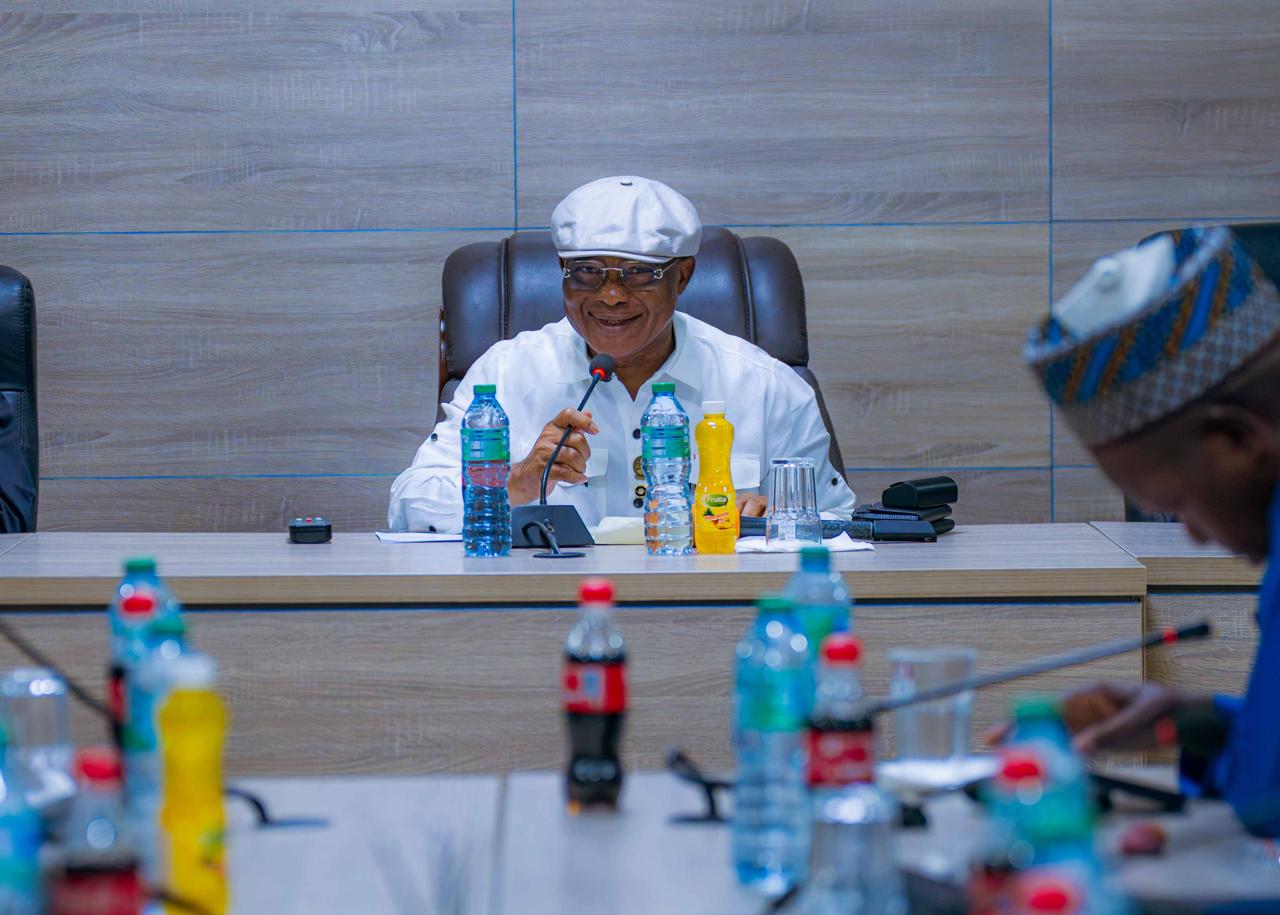
*Renewed Hope Ambassadors Step Into the Next Phase
Fresh from the successful APC 2026 National Convention, the Renewed Hope Ambassadors National, Zonal, and State leadership gathered in Abuja over the weekend, for its fourth strategic meeting, setting the tone for nationwide grassroots activation ahead of 2027.
Chaired by Governor Hope Uzodinma (Imo State) the Director General and National Coordinator of the Renewed Hope Ambassadors, alongside Deputy Director-General, Governor Uba Sani of Kaduna State, and Governor Inuwa Yahaya of Gombe State as Secretary, the session reinforced one clear direction: One Party. One Message. One Mobilization whilst also laying out a strategic roadmap for the activation of the network across all communities in Nigeria.
Backed by the strength of 31 APC-led states, the Renewed Hope Agenda is taking Bola Ahmed Tinubu’s message of progress and reform to every corner of Nigeria.
From bold economic restructuring to initiatives like NELFUND, the increase in the national minimum wage from ₦30,000 to ₦70,000, and strategic investments in critical sectors, including PNiCGI, the mission remains clear: helping Nigerians understand both the purpose and the progress of the Renewed Hope vision.
This is coordination at scale. This is grassroots engagement with purpose. This is the next phase of Renewed Hope with One Party, One Message, and One Mobilisation framework
#RenewedHopeAmbassadors #APC #WeAreAPC


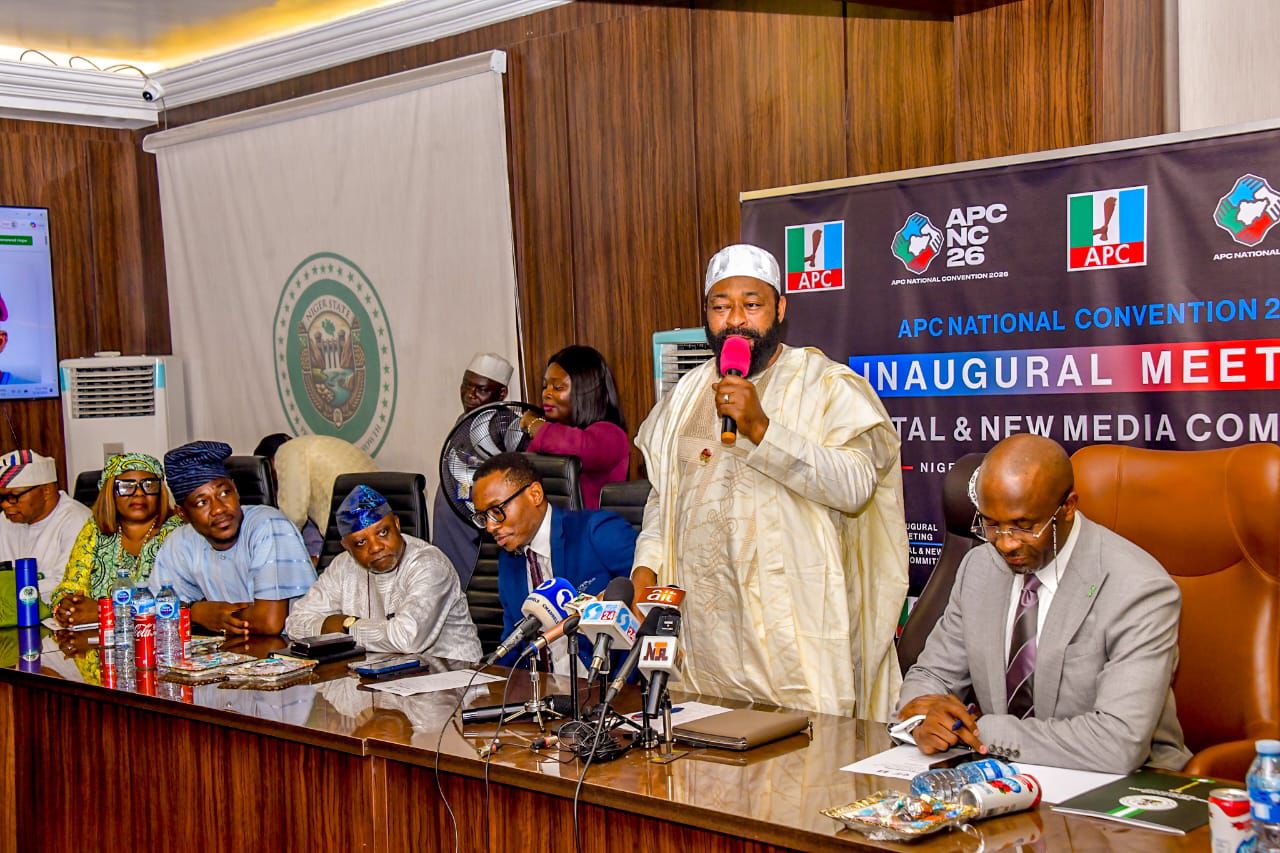
Governor Bago Inaugurates APC Digital Media Sub-Committee Ahead of National Convention.
Governor Umaru Bago has inaugurated the Digital Media Sub-Committee for the forthcoming National Convention of the All Progressives Congress (APC), scheduled to hold on March 27 and 28, 2026 in Abuja.
Chairing the sub-committee, Governor Bago tasked members with the responsibility of effectively communicating the party’s manifesto to the public.
He emphasized the need to leverage social media platforms to highlight the achievements and ongoing efforts of President Bola Ahmed Tinubu, noting that communication gaps have posed challenges that must now be decisively addressed.
The Co-Chair of the sub-committee, Hon. Benjamin Kalu, Deputy Speaker of the House of Representatives, echoed the Governor’s position, urging members to project the activities of both the party and the government to a broader audience.
He called for a deliberate and coordinated effort to showcase the party’s achievements and policy direction, stressing the importance of shaping a compelling and consistent narrative across all digital platforms.
Delivering a presentation to the committee, Otega Ogra, SSA to the President on New Media, who serves as Secretary of the sub-committee, outlined strategic focus areas to guide the team’s operations.
His presentation highlighted communication priorities and actionable steps to achieve the committee’s mandate and strengthen the party’s digital engagement.


-

 society6 months ago
Religion: Africa’s Oldest Weapon of Enslavement and the Forgotten Truth
-

 news4 months ago
WHO REALLY OWNS MONIEPOINT? The $290 Million Deal That Sold Nigeria’s Top Fintech to Foreign Interests
-

 society6 months ago
“You Are Never Without Help” – Pastor Gebhardt Berndt Inspires Hope Through Empower Church (Video)
-

 celebrity radar - gossips2 months ago
Dr. Chris Okafor Returns with Power and Fire of the Spirit -Mounts Grace Nation Altar with Fresh Anointing and Restoration Grace on February 1, 2026