
society
Only We Can Save Us: The African Redemption Must Come From Within

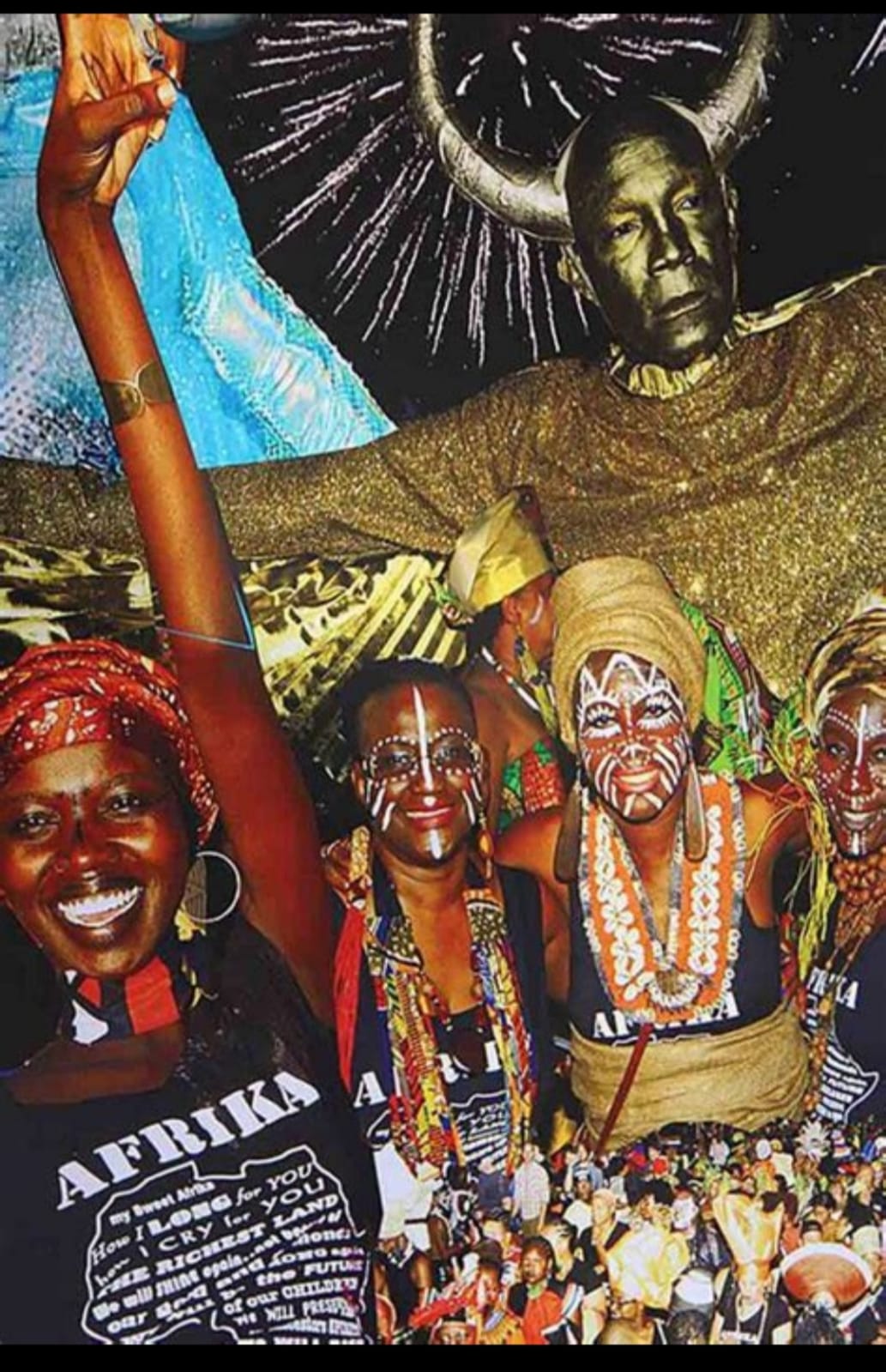
Only We Can Save Us: The African Redemption Must Come From Within
By George Omagbemi Sylvester | Sahara Weekly Nigeria
Africa bleeds not for lack of resources, but for lack of vision, unity and self-determination. The continent remains entrapped in the cobwebs of post-colonial dependency, neo-imperialism and internal betrayal. We have become spectators in our own salvation. Yet, the truth is simple and sobering: ONLY WE AFRICANS CAN SAVE OURSELVES FROM THIS CALAMITY THAT HAS BEFALLEN US. No foreign aid, no white saviour, no international coalition will do for Africa what Africa must do for herself.
Our destiny has been outsourced for far too long to the IMF, World Bank, European Union, United States and now China. Each comes with their contracts, debts and doctrines of dominance. But as Thomas Sankara once declared, “He who feeds you, controls you.” This remains the reality of our existence, a continent that imports what it produces and exports what it needs; a shame.

The Colonial Hangover and the Curse of Dependence
More than 60 years after so-called independence, the legacy of colonialism still governs Africa’s political and economic frameworks. Our borders, languages, governance systems and educational structures are all relics of imperial design. It was Robert Mugabe, Zimbabwe’s revolutionary leader, who once thundered: “Only a dead imperialist is a good one. We don’t need them to teach us democracy; because they never practised it.”
Yet our governments continue to beg for crumbs while sitting on golden thrones of untapped potential. Nigeria, Africa’s most populous nation and largest economy, is still grappling with unstable electricity despite spending over $29 billion on the power sector since 1999. How does a country so rich in oil and gas remain so poor in energy?
As Nelson Mandela aptly said, “It is in the character of growth that we should learn from others, but we must never lose our own identity and purpose.” Unfortunately, much of African governance today is mimicry of broken Western models that do not reflect African realities.

The Leadership Crisis: Greed over Nationhood
Leadership remains Africa’s greatest curse. The continent suffers not from scarcity of natural wealth, but from a plague of corrupt, visionless and comprador elites who serve foreign interests. Idi Amin Dada, though controversial and ruthless, once nailed the hypocrisy of Western meddling when he said: “I am not a politician but a professional soldier who is trying to save his people.” He, like many African strongmen, saw the dangers of bowing to Western pressure even though his methods were flawed.
In today’s Africa, elections are bought, not won; democracy is whispered, not practiced; and constitutions are shredded at will. Institutions are weak and leaders are beholden to foreign validation rather than domestic transformation. Rwanda and Botswana shine as exceptions but the rule remains grim across the continent.
Unity or Death: The Gaddafi Vision
Muammar Gaddafi, Libya’s former leader, had a dream for a UNITED STATES of AFRICA. He envisioned a common currency, one military and an African Central Bank independent of the dollar and euro. He said: “There is no state with a future except the state that we build with our own hands.” But Western powers, aided by African collaborators, assassinated that dream in 2011.
The irony? Libya had one of the highest standards of living in Africa under Gaddafi with FREE EDUCATION, FREE HEALTHCARE and SUBSIDIZED HOUSING. Today, it is a fractured nation overrun by MILITIA and SLAVE MARKETS. This is what happens when we destroy our own for foreign applause.
The Intellectual Awakening: PLO Lumumba’s Call
Few voices speak truth to power today like Professor PLO Lumumba. He warns, “AFRICA is not POOR. It is POORLY MANAGED.” He has consistently challenged African youth to rise above TRIBALISM, RELIGIOUS EXTREMISM and POLITICAL IDOLATRY. He preaches a pan-African renaissance built on self-reliance, accountability and cultural pride.
He asks a difficult but necessary question: “How can we be free when our education, food, clothes, medicines and technology are all imported?” This rhetorical bomb should shame any African leader still dancing to foreign tunes while their people starve, drown in the Mediterranean or rot in xenophobic camps across the world.
Mobutu: The Paradox of Patriotism and Plunder
Mobutu Sese Seko of Zaire (presently DR Congo) famously changed the country’s name to remove colonial identity, but simultaneously looted it blind. His contradiction teaches us something: nationalism without ethics is tyranny in disguise. Mobutu once said, “In Africa, there is only one party: THE STATE.” His iron-fist rule epitomizes how African nationalism can be weaponized against its people if not rooted in justice.
DR Congo today, with over $24 trillion in untapped mineral resources, remains one of the poorest nations on earth. Why? Because external powers partner with local elites to loot its cobalt, gold, diamonds and coltan; the very materials that power your smartphone and electric cars.
The Youth and Diaspora Must Rise
Africa’s salvation will not come from aged men who see power as a retirement plan. It will come from the restless youth and the exiled diasporans (those who understand the world and reject excuses). According to the African Development Bank, over 60% of Africa’s population is under 25. This demographic advantage must not be wasted on social media, TikTok trends and political apathy.
As Thomas Sankara warned, “You cannot carry out fundamental change without a certain amount of madness.” That “madness” must be in the youth who reject imported democracy and design an African model rooted in communal governance, economic sovereignty and indigenous pride.
Steve Biko, the martyred South African activist, said it best: “The greatest weapon in the hands of the oppressor is the mind of the oppressed.” That psychological warfare continues today through IMPORTED BRANDS, FOREIGN EDUCATION, WESTERN NEWS NARRATIVES and CULTURAL ALIENATION.
What Must Be Done?
We must implement the following immediately:
Pan-African Curriculum: Teach African history not just colonial exploits. African languages not just French or English. Our children must grow with pride not confusion.
Economic Sovereignty: Cancel dependency on the IMF and World Bank. Promote intra-African trade. Adopt local currencies for regional transactions. Strengthen the African Continental Free Trade Area (AfCFTA).
Diaspora Engagement: Leverage the skills, capital and networks of the diaspora. Offer dual citizenship, voting rights and opportunities for reintegration.
Technological Independence: Invest in African-made technology and innovation hubs. Local problems need local solutions and not Silicon Valley charity.
Military Unity: Form an African rapid-response force to deter coups, genocides and foreign interference. An attack on one African country must be treated as an attack on all.
Our Defining Hour: The Road Ahead Is Ours Alone
The TIME for BEGGING is OVER. The TIME for BLAMING COLONIALISM while ENRICHING NEOCOLONIAL AGENTS is OVER. The TIME for OUTSOURCING our DESTINY MUST END NOW. No SAVIOUR is COMING. We are the SAVIOURS we have been waiting for.
As PLO Lumumba thundered, “Let us not AGONIZE. Let us ORGANIZE!”
Let this be a clarion CALL to students, traders, teachers, farmers, engineers, politicians and artists: RISE! Wake up! Africa is not dying; she is being killed. And we are the only ones who can stop the bleeding.
The world will NOT respect Africa until Africans respect THEMSELVES.
And that begins not tomorrow… but NOW.





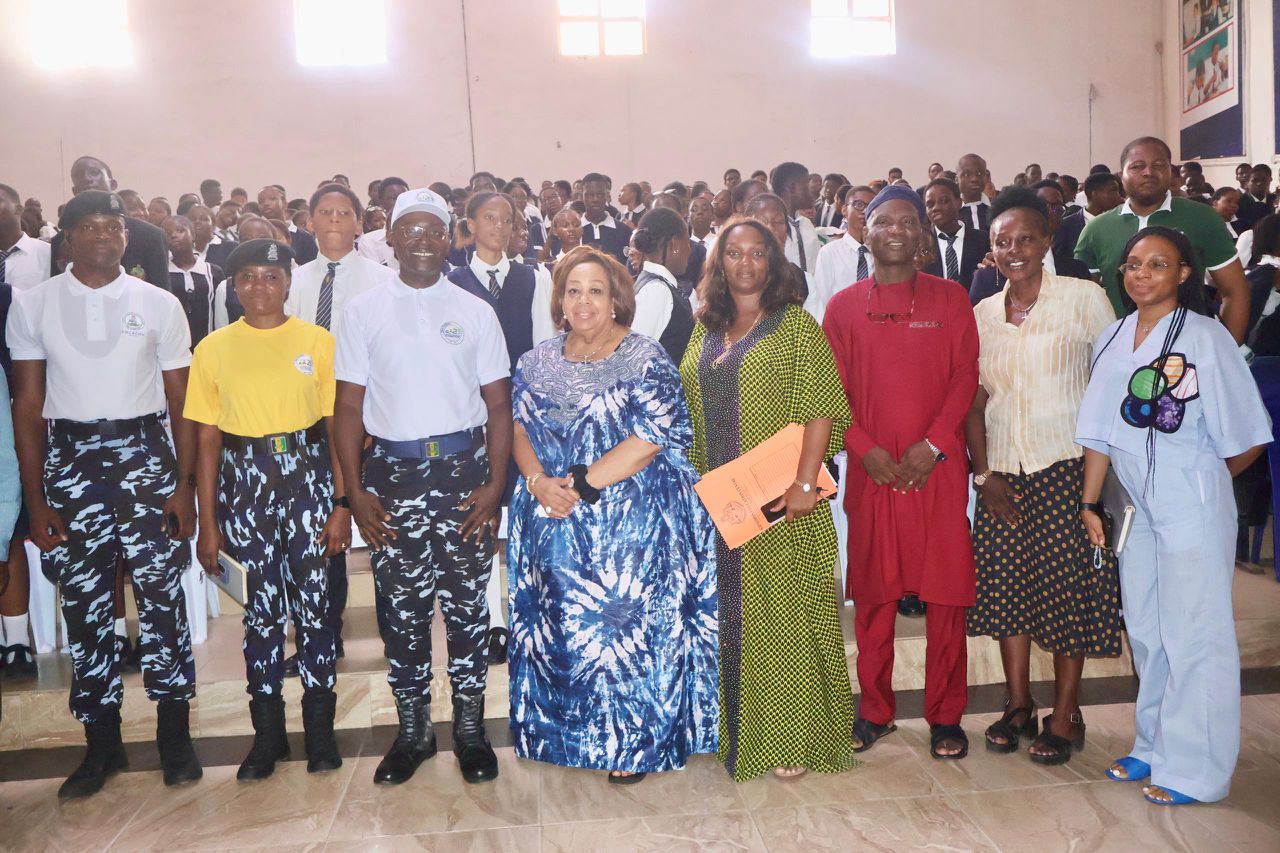
POCACOV Intensifies Sensitization on Cultism, Bullying, and Social Vices Among Students in Edo
In commemoration of the 2026 National Police Day Celebration, the Police Campaign Against Cultism and Other Vices (POCACOV), Edo State Command, has reinforced its preventive policing efforts through a targeted sensitization outreach at Igbinedion Education Centre, Benin City.
The initiative forms part of the broader activities marking this year’s National Police Day, themed “Community Partnership: Building Trust,” which emphasizes collaboration between the Nigeria Police Force and the public in fostering a safer society.
The sensitization programme witnessed the presence of key stakeholders, including the Commissioner of Police, Edo State Command, the Police Public Relations Officer, and the Edo State POCACOV Coordinator, ASP Kingsley Upeh. The team engaged students in an insightful and impactful session focused on the dangers of cultism, bullying, and other social vices prevalent among youths.
During the session, students were educated on the severe and far-reaching consequences of cult-related activities. These include violence, loss of lives, disruption of academic pursuits, and long-term damage to personal reputation and future opportunities. The speakers also highlighted how peer pressure, drug abuse, and negative social influences often serve as gateways into criminal behavior.
In an interactive segment, the Commissioner of Police stressed the legal implications of engaging in criminal acts, noting that involvement in cultism and related offences could lead to arrest, prosecution, and lifelong consequences that may hinder personal growth and career aspirations.
The issue of bullying was also extensively addressed, with emphasis on both its legal ramifications and psychological impact on victims. Students were encouraged to speak up against bullying, report incidents to school authorities or law enforcement, and support peers who may be affected.
Furthermore, the outreach underscored the importance of self-discipline, moral values, and making informed life choices. Students were urged to become ambassadors of peace within their schools and communities by rejecting violence and promoting unity and mutual respect.
The POCACOV team reiterated its commitment to continuous engagement with young people through awareness campaigns, community outreach, and strategic partnerships aimed at preventing crime before it occurs. The initiative aligns with the Nigeria Police Force’s proactive approach to policing, which prioritizes education, prevention, and community involvement.


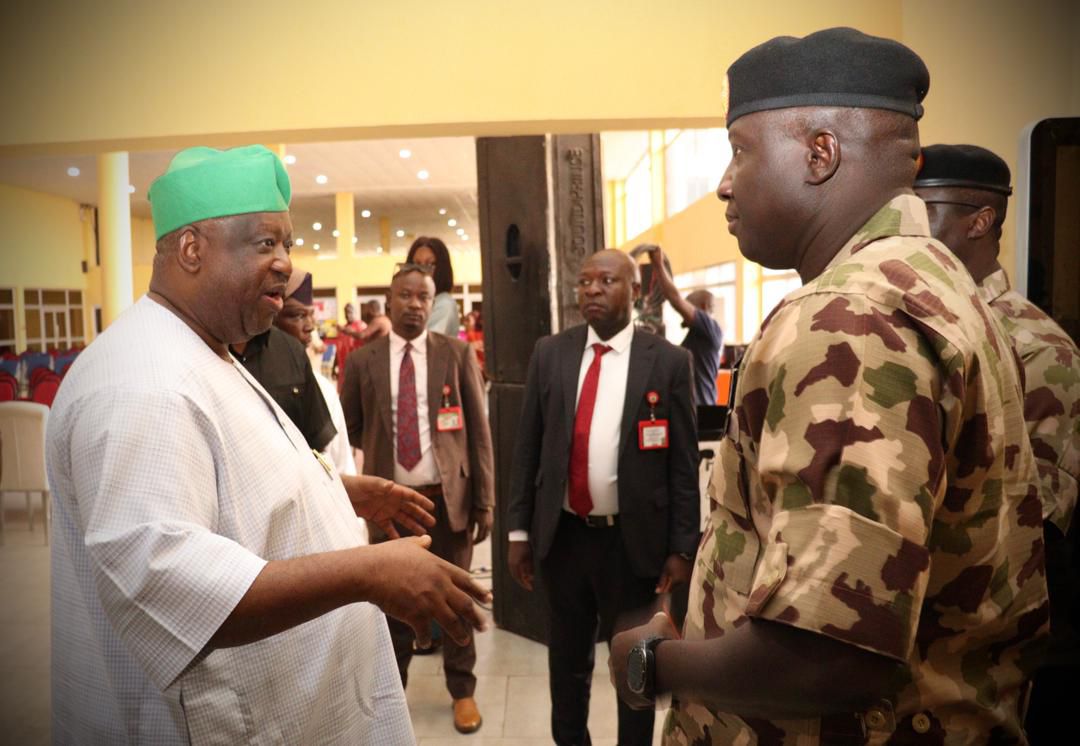
COAS Launches Nationwide Security Renewal Mission in Plateau
The Chief of Army Staff, Lieutenant General Waidi Shaibu, on Thursday led a high-level delegation of security chiefs to Plateau State, flagging off a nationwide security renewal mission aimed at strengthening civil-military cooperation and restoring lasting peace across the country.
The visit to Jos, the Plateau State capital, marks the first phase of a coordinated national effort to address persistent security challenges through joint operations, community engagement, and proactive intelligence gathering.

Governor Caleb Muftwang received the delegation, describing the initiative as a critical step toward stabilizing affected communities and reinforcing public confidence in security institutions.
Civil-Military Synergy Takes Centre Stage
At the heart of the mission is a renewed emphasis on collaboration between the military, civil authorities, and local communities. Speaking during the visit, Lt. Gen. Shaibu stressed that national security must be treated as a collective responsibility.
He urged citizens to support security agencies by remaining vigilant, sharing credible information, and complying with lawful directives, noting that effective security cannot be achieved in isolation.
Community Engagement as Confidence-Building Tool
In a departure from purely operational engagements, the Army Chief held direct consultations with community leaders and residents in Jos, reinforcing the importance of trust and dialogue in conflict resolution.
Lawmakers, including Dachung Bagos and Ladi Dangyok, commended the initiative, stating that visible engagement by top military leadership helps rebuild confidence among citizens and fosters cooperation.

Proactive Security Operations Underway
Operational updates were provided by Major General Folusho Oyinlola, who disclosed that troops under Operation Enduring Peace have intensified surveillance, intelligence-led patrols, and coordinated actions with other security agencies.
According to the Army, the approach is designed to prevent escalation of threats, safeguard lives and property, and stabilize vulnerable communities before crises emerge.
A Shift Toward Sustainable Peace
Military authorities emphasized that the Plateau visit is part of a broader, long-term strategy to transition from reactive responses to sustainable peacebuilding nationwide. The framework includes strengthening local resilience, ensuring justice, and maintaining continuous engagement with stakeholders.
Analysts view the initiative as a significant policy shift, reflecting a more inclusive security architecture that integrates community participation with military operations.
Call for National Unity
The Army leadership concluded with an appeal to Nigerians to reject divisive narratives and support ongoing efforts to promote unity and peace.
“The success of this mission depends not only on the armed forces but on the cooperation of every citizen,” the COAS stated.
The nationwide security renewal campaign is expected to extend to other regions in the coming weeks as authorities seek to consolidate gains and build a safer, more unified Nigeria.


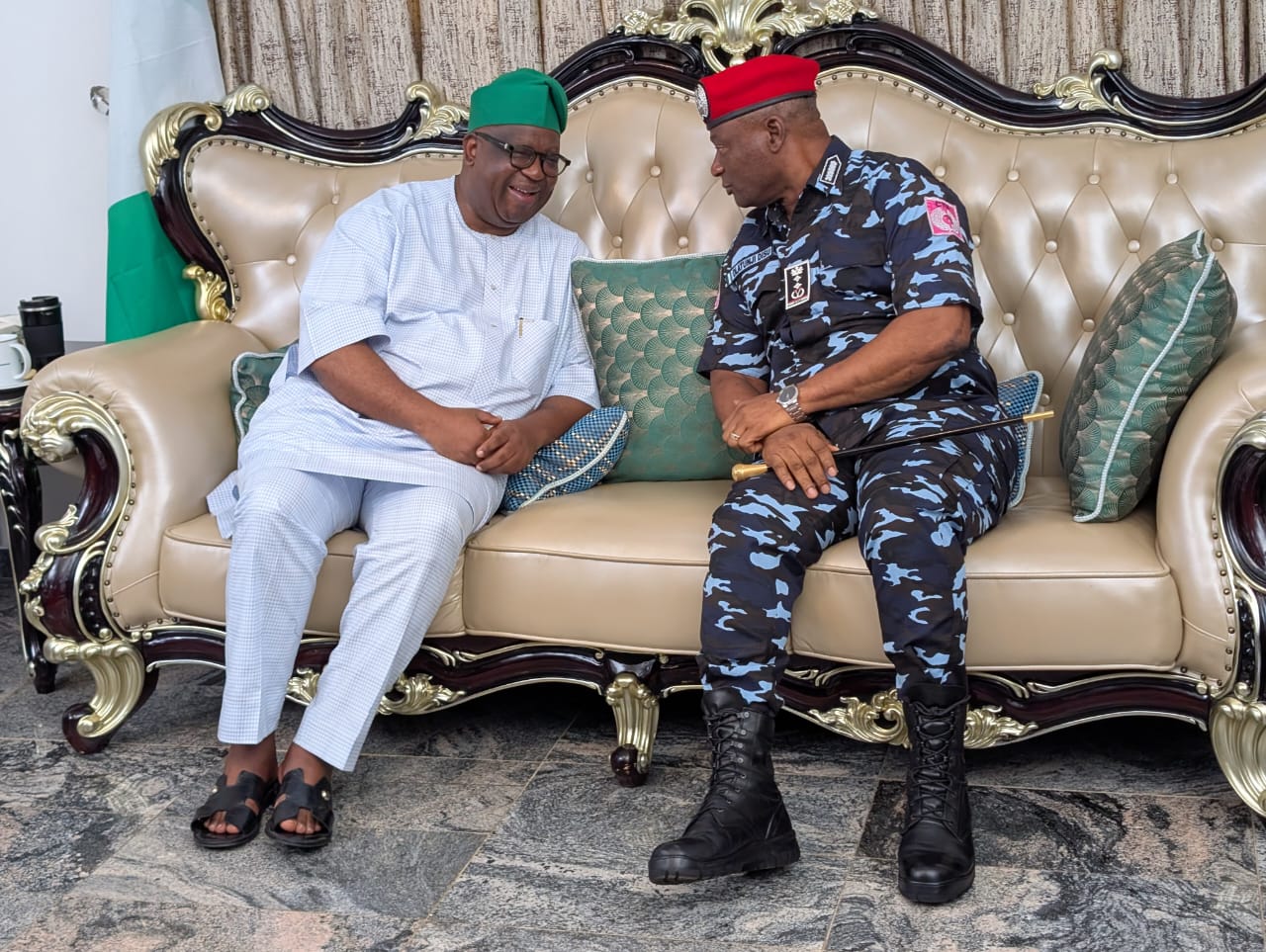
IGP Disu Visits Plateau, Orders Tactical Deployment To Reinforce Security
The Inspector General of Police, Olatunji Disu, on Thursday paid a working visit to Plateau State following recent unrest, holding strategic talks with Governor Caleb Muftwang on measures to strengthen security and prevent further disturbances.
As part of immediate steps to stabilise the situation, the police chief authorised the deployment of specialised tactical units to support officers already on ground across affected areas.
Governor Muftwang commended the swift intervention of the police leadership, praising the dedication and professionalism of security personnel working to restore calm. He also acknowledged the efforts of mobile police officers and lauded the leadership of the state’s Commissioner of Police, Bassey Ewah.
Both the Nigeria Police Force and the Plateau State Government reaffirmed their commitment to safeguarding lives and property, stressing that enhanced collaboration remains key to restoring lasting peace in Plateau State, popularly known as the Home of Peace and Tourism.


-

 society7 months ago
Religion: Africa’s Oldest Weapon of Enslavement and the Forgotten Truth
-

 news4 months ago
WHO REALLY OWNS MONIEPOINT? The $290 Million Deal That Sold Nigeria’s Top Fintech to Foreign Interests
-

 society6 months ago
“You Are Never Without Help” – Pastor Gebhardt Berndt Inspires Hope Through Empower Church (Video)
-

 celebrity radar - gossips2 months ago
Dr. Chris Okafor Returns with Power and Fire of the Spirit -Mounts Grace Nation Altar with Fresh Anointing and Restoration Grace on February 1, 2026