
society
Operation Uprooting the Seeds of Discord in Africa by Africans


Operation Uprooting the Seeds of Discord in Africa by Africans
By George Omagbemi Sylvester
Africa, the cradle of civilization, blessed with an abundance of natural resources, vibrant cultures and a resilient people, remains shackled by the chains of artificial borders, ethnic rivalries, neocolonial puppetry and corruption. These chains are not natural to the continent, they were sown and watered by centuries of colonial conquest and sustained by post-independence complicity. It is time for a radical, pan-African operation; Operation Uprooting the Seeds of Discord in Africa by Africans to reclaim our dignity, sovereignty and future.

Historical Seeds of Division: Colonial Cartography as a Weapon
The so-called Scramble for Africa, formalized in the 1884 –1885 Berlin Conference, was nothing less than a calculated mutilation of African identity. European powers without African representation carved up the continent along arbitrary lines, dividing ethnic groups and lumping incompatible communities together. The Igbo of Nigeria, the Ashanti of Ghana, the Tutsi and Hutu of Rwanda, the Zulu and Xhosa of South Africa, all were manipulated into manufactured rivalries and fragile national structures.

As Professor PLO Lumumba rightly asserts, “Africa is the only continent where borders were drawn in foreign capitals. And we wonder why we don’t have unity.” The colonizers sowed discord to divide and conquer and even after independence, many African leaders maintained the colonial architecture for their personal gain.
Modern-Day Betrayals: African Elites and the Puppet Strings of the West
Post-independence Africa saw a new breed of leaders, many of them more loyal to their former colonial masters than to their own people. Through neo-colonial tactics such as foreign debt, military aid tied to political allegiance and control of extractive industries, Western powers have continued to manipulate African governments.

Captain Ibrahim Traoré of Burkina Faso, a rising voice of African resistance, recently declared: “We must stop begging the West for help. Our salvation lies in African solidarity, not in foreign charity.” His bold stance echoes the legacy of Thomas Sankara, who called the International Monetary Fund (IMF) and World Bank instruments of economic warfare. It is this courageous defiance of foreign control that must form the nucleus of Operation Uprooting.
Internal Division: The Ethnic and Political Time Bomb
Nowhere are the seeds of discord more dangerous than in the toxic brew of ethnicity and politics. Nigeria, Africa’s most populous country, stands as a tragic case study. Instead of building a national identity, the ruling elite continues to exploit tribal sentiments to win elections, appoint cronies and suppress dissent. This ethnicization of governance is not unique to Nigeria, it plagues Kenya, South Sudan, Cameroon, Ethiopia and beyond.

Paul Kagame, President of Rwanda, once declared: “We cannot continue to blame colonialism for everything. We must take responsibility for our own divisions.” Rwanda, which suffered the 1994 genocide, a horror catalyzed by colonial ethnic labeling is now a model of unity through deliberate nation-building. Under Kagame, ethnic identity cards were abolished and national unity became policy. The lesson: ethnic discord can be uprooted, but only through bold, honest leadership.
Neocolonial Economics: Resources Without Power
Africa possesses 30% of the world’s mineral resources, 60% of arable land and a demographic boom of young minds. Yet it remains home to 33 of the world’s 46 least developed countries, according to the UN. Why? Because Africa exports raw materials and imports finished goods, perpetuating dependency. French control over West African currency through the CFA Franc is a colonial relic that still drains African economies.
As President Patrice Talon of Benin noted: “It is time we took back control of our own monetary policies. France cannot dictate our economic future.” Burkina Faso, Mali and Niger have taken steps to kick out French troops and review foreign mining contracts. These are not acts of rebellion, they are acts of liberation.
Media and Education: Minds as Battlegrounds
One of the most insidious forms of colonial legacy is control over education and media. African students still learn more about Shakespeare than Chinua Achebe, more about Napoleon than Shaka Zulu. African children grow up admiring Western heroes and demonizing African resistance fighters.
As Lumumba states, “Until the lion learns to write, every story will glorify the hunter.” The battle must be waged in classrooms and newsrooms. Operation Uprooting demands a complete overhaul of education systems to center African history, philosophy and innovation. Our languages, our heroes and our truths must be taught with pride.
Military Sovereignty: Ending Dependency on Foreign Guns
The African Union’s standby military force is a noble idea sabotaged by a lack of funding and willpower. When conflicts erupt; whether in Mozambique, the Sahel, or Congo, African governments still run to France, the U.S., or the UN. This is unacceptable. We need robust, African-led security coalitions that respond to African crises with African solutions.
Kagame again emphasizes this necessity: “No one will fight for you. If you are not ready to defend your sovereignty, you do not deserve it.” Rwanda’s disciplined and professional military has proven its capacity in peacekeeping missions across the continent. We must replicate this model.
Reclaiming Pan-Africanism: Unity Is the Antidote
The dream of Kwame Nkrumah, Julius Nyerere, Sekou Touré and Gaddafi was a united Africa; economically, militarily and diplomatically. That dream has been buried under selfish leadership and artificial divisions. But it can be resurrected.
The African Continental Free Trade Area (AfCFTA) is a step in the right direction, potentially creating a $3.4 trillion market. However, free trade means little without political will, infrastructure and mutual trust.
We need a new African political class, a generation not bought with Western scholarships or IMF packages but trained in the spirit of Sankara, Nkrumah and Biko. As Lumumba puts it: “Africa must think, speak and act for herself.”
Concrete Steps Forward: What Operation Uprooting Must Achieve
Abolish colonial-era borders: Encourage regional integration and gradual dismantling of artificial lines.
Pan-African military collaboration: Fund and operationalize the African Standby Force.
End French economic control: Dismantle the CFA franc and create a continental monetary policy.
Rewrite education: Center African voices, histories and inventions in all curricula.
Control resources: Audit and renegotiate all foreign mining and oil contracts.
Media reform: Fund African-centered media to counter Eurocentric propaganda.
Leadership renewal: Enforce term limits, reject sit-tight dictatorships and encourage diaspora participation in governance.
Furtherance: Africa Must Choose Its Destiny
Africa has a choice: continue as a fractured continent manipulated by foreign interests, or rise as a united, sovereign powerhouse. Operation Uprooting the Seeds of Discord is not just a slogan: it is an ideological war against dependency, division and delusion.
The time for rhetoric is over.
The time for action is now.
Let me end with the words of Thomas Sankara: “We must dare to invent the future.” Africa must dare to imagine a future free from the ghosts of colonialism, the chains of corruption and the lies of inferiority. That future must be shaped by Africans, for Africans, and with Africans united, unapologetic and unbreakable.





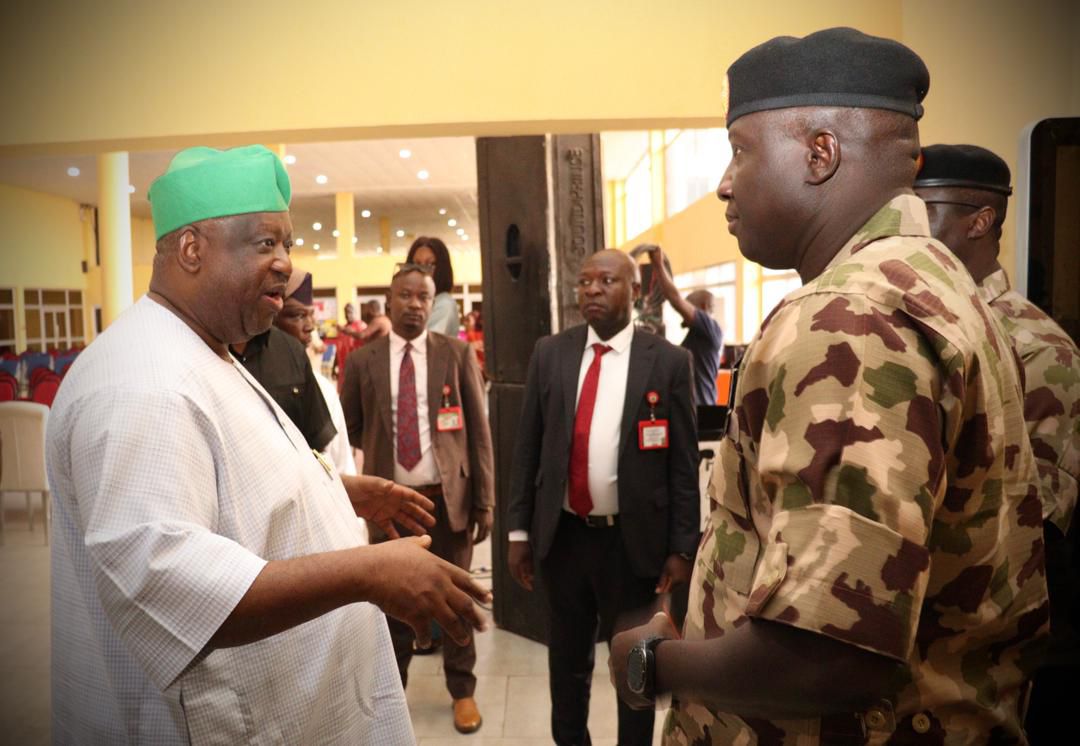
COAS Launches Nationwide Security Renewal Mission in Plateau
The Chief of Army Staff, Lieutenant General Waidi Shaibu, on Thursday led a high-level delegation of security chiefs to Plateau State, flagging off a nationwide security renewal mission aimed at strengthening civil-military cooperation and restoring lasting peace across the country.
The visit to Jos, the Plateau State capital, marks the first phase of a coordinated national effort to address persistent security challenges through joint operations, community engagement, and proactive intelligence gathering.

Governor Caleb Muftwang received the delegation, describing the initiative as a critical step toward stabilizing affected communities and reinforcing public confidence in security institutions.
Civil-Military Synergy Takes Centre Stage
At the heart of the mission is a renewed emphasis on collaboration between the military, civil authorities, and local communities. Speaking during the visit, Lt. Gen. Shaibu stressed that national security must be treated as a collective responsibility.
He urged citizens to support security agencies by remaining vigilant, sharing credible information, and complying with lawful directives, noting that effective security cannot be achieved in isolation.
Community Engagement as Confidence-Building Tool
In a departure from purely operational engagements, the Army Chief held direct consultations with community leaders and residents in Jos, reinforcing the importance of trust and dialogue in conflict resolution.
Lawmakers, including Dachung Bagos and Ladi Dangyok, commended the initiative, stating that visible engagement by top military leadership helps rebuild confidence among citizens and fosters cooperation.

Proactive Security Operations Underway
Operational updates were provided by Major General Folusho Oyinlola, who disclosed that troops under Operation Enduring Peace have intensified surveillance, intelligence-led patrols, and coordinated actions with other security agencies.
According to the Army, the approach is designed to prevent escalation of threats, safeguard lives and property, and stabilize vulnerable communities before crises emerge.
A Shift Toward Sustainable Peace
Military authorities emphasized that the Plateau visit is part of a broader, long-term strategy to transition from reactive responses to sustainable peacebuilding nationwide. The framework includes strengthening local resilience, ensuring justice, and maintaining continuous engagement with stakeholders.
Analysts view the initiative as a significant policy shift, reflecting a more inclusive security architecture that integrates community participation with military operations.
Call for National Unity
The Army leadership concluded with an appeal to Nigerians to reject divisive narratives and support ongoing efforts to promote unity and peace.
“The success of this mission depends not only on the armed forces but on the cooperation of every citizen,” the COAS stated.
The nationwide security renewal campaign is expected to extend to other regions in the coming weeks as authorities seek to consolidate gains and build a safer, more unified Nigeria.


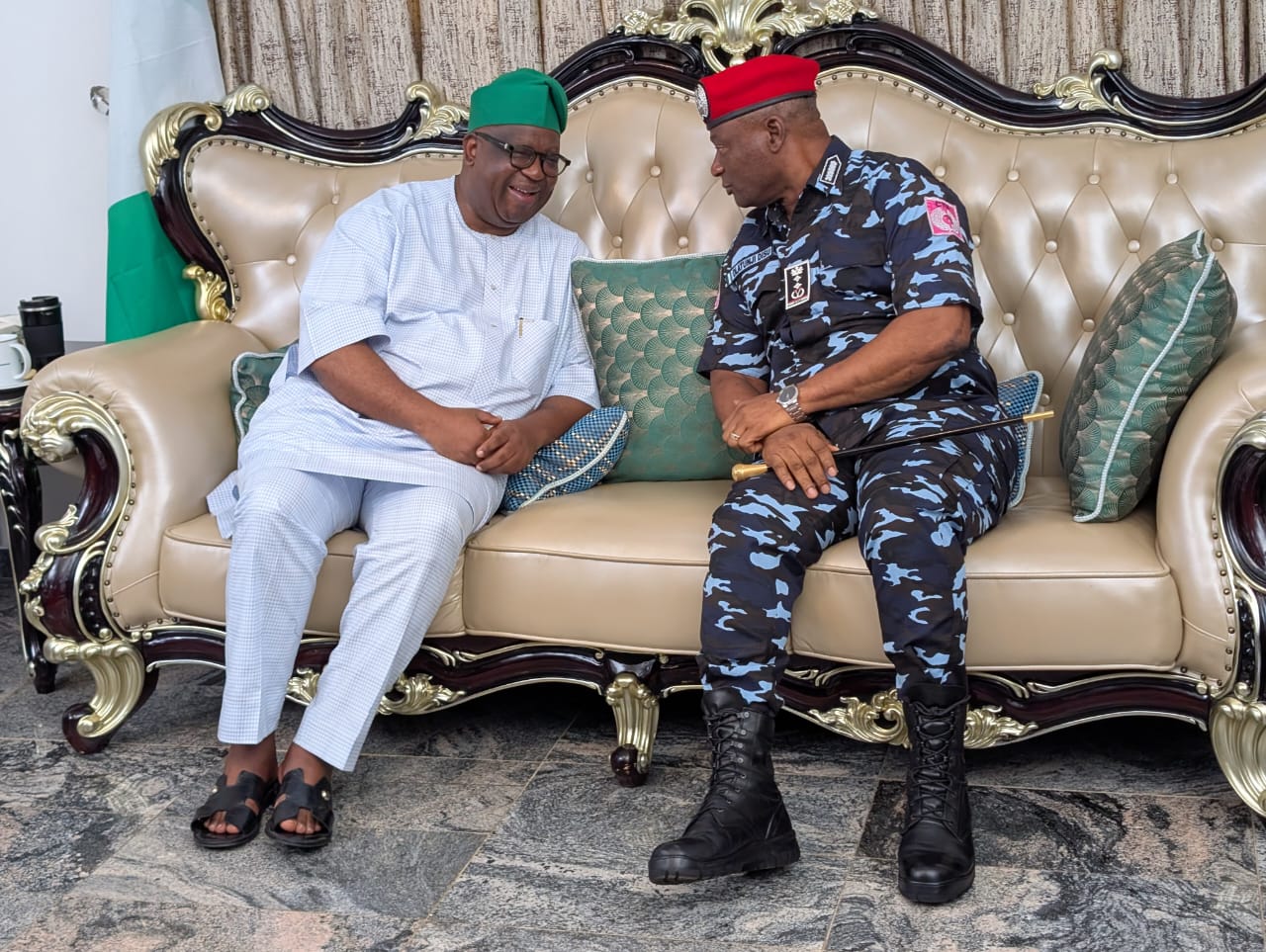
IGP Disu Visits Plateau, Orders Tactical Deployment To Reinforce Security
The Inspector General of Police, Olatunji Disu, on Thursday paid a working visit to Plateau State following recent unrest, holding strategic talks with Governor Caleb Muftwang on measures to strengthen security and prevent further disturbances.
As part of immediate steps to stabilise the situation, the police chief authorised the deployment of specialised tactical units to support officers already on ground across affected areas.
Governor Muftwang commended the swift intervention of the police leadership, praising the dedication and professionalism of security personnel working to restore calm. He also acknowledged the efforts of mobile police officers and lauded the leadership of the state’s Commissioner of Police, Bassey Ewah.
Both the Nigeria Police Force and the Plateau State Government reaffirmed their commitment to safeguarding lives and property, stressing that enhanced collaboration remains key to restoring lasting peace in Plateau State, popularly known as the Home of Peace and Tourism.


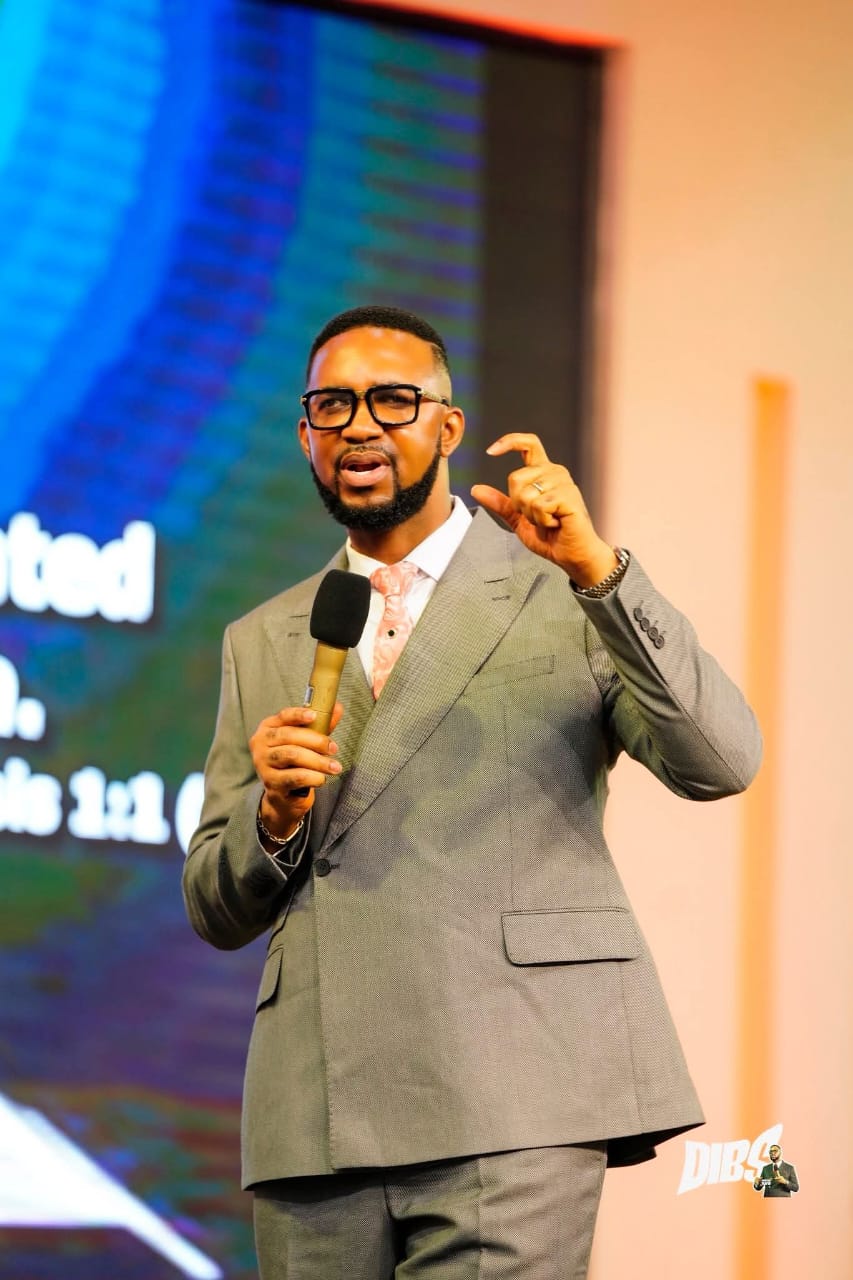
Grace Nation Worldwide: A Living Reality – Dr. Chris Okafor
……“Miracles, Healing, and Deliverance Overflow at Grace Nation Services”
The Grace Nation midweek Prophetic Healing, Deliverance, and Solutions (PHDS) Service on 2nd April 2026 at the international headquarters in Ojodu Berger, Lagos, was a spectacular display of God’s power, marked by miracles, healing, and deliverance.
The God of Grace Nation continues to demonstrate His authority, breaking strongholds, healing the sick, restoring lost glory, and providing solutions to every problem presented at His altar.
Testimonies of God’s Power
One woman, previously diagnosed with a terminal condition and slated for a ₦4.5 million surgery due to inability to excrete, was prayed for by the Generational Prophet, Christopher Okafor, just a week after visiting the church. Declaring healing within 24 hours, she returned to testify to God’s miraculous intervention.
Another pregnant woman, whose baby was bridged and at risk, was located and prayed for. She returned to service with confirmation that her child is now well-positioned for delivery. Similarly, a woman booked for a C-section due to an overdue and poorly positioned pregnancy testified during the service that her baby is now properly positioned, ready for birth.
These testimonies underscore the truth: what God cannot do does not exist. Grace Nation has entered a new level of spiritual authority, and with faith, believers are witnessing the impossible become reality.
God Works by Principle, Not Gossip
In his sermon, Dr. Okafor emphasized that God does not operate on superstition, gossip, or social media pressures. His work is grounded in His Word, and it is through adherence to His principles that Grace Nation continues to flourish.
The Generational Prophet stressed that to enjoy divine blessings and fruitfulness, believers must remain connected to God’s Word, faithfully serve Him, and ignore distractions or side-talks. Focused commitment to God’s service guarantees alignment with His miraculous power.
Join the Movement
Grace Nation Worldwide is open for all who desire a life transformed by divine intervention. Weekly services include:
Sunday Service: 7:00 AM
Grace Nation Island Service (Ogombo): Wednesday, 5:00 PM
Midweek PHDS Service: Thursday, 7:00 AM
Attending these services under the ministry of the Generational Prophet ensures encounters with God’s supernatural power, life-changing miracles, and lasting breakthroughs.
Grace Nation Worldwide is not just a church—it is a reality where faith meets the supernatural.
By Sunday Adeyemi


-

 society7 months ago
Religion: Africa’s Oldest Weapon of Enslavement and the Forgotten Truth
-

 news4 months ago
WHO REALLY OWNS MONIEPOINT? The $290 Million Deal That Sold Nigeria’s Top Fintech to Foreign Interests
-

 society6 months ago
“You Are Never Without Help” – Pastor Gebhardt Berndt Inspires Hope Through Empower Church (Video)
-

 celebrity radar - gossips2 months ago
Dr. Chris Okafor Returns with Power and Fire of the Spirit -Mounts Grace Nation Altar with Fresh Anointing and Restoration Grace on February 1, 2026