
society
OurLivesMatter: South Western Nigeria Now Vulnerable To Banditry, As People Live In Apprehension and Instability

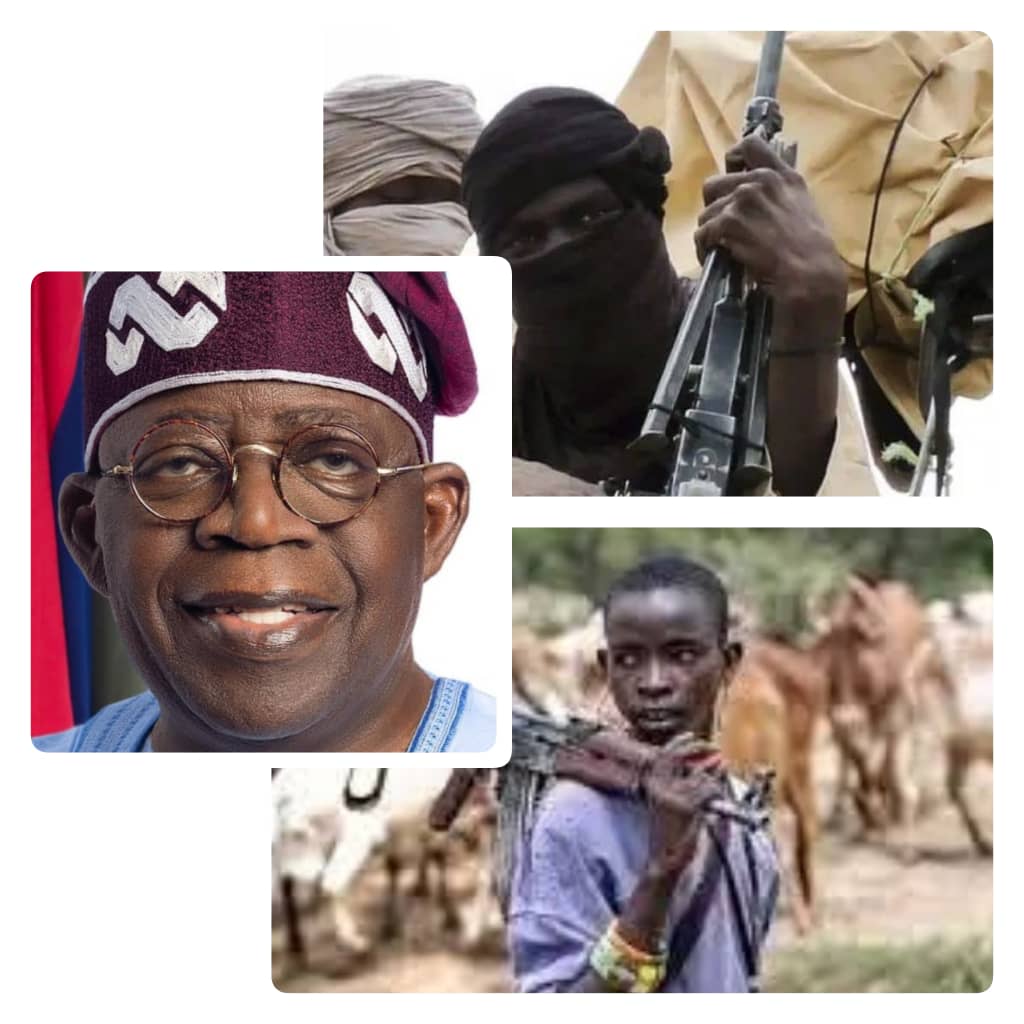
#OurLivesMatter: South Western Nigeria Now Vulnerable To Banditry, As People Live In Apprehension and Instability
When Government sleeps, terror wakes. When Government fails, people suffer.
In the once peaceful towns of Southwestern Nigeria, fear now walks the streets freely. From the farmlands of Ondo to the villages of Osun and the highways of Kwara, gunfire and grief have become part of daily life. People now sleep with one eye open, praying that dawn will meet them alive. The hum of daily life has been replaced by the wail of grief and the silence of deserted farmlands.
This region, long known for its calm, culture, and commerce, is bleeding. Farmers no longer go to their fields. Traders close shops before dusk. Even schools struggle to stay open because parents are afraid to let their children out of sight. A cocoa farmer in Ondo, Adebayo, speaks with tears in his eyes. “I lost three workers to kidnappers,” he says quietly. “They asked for money I didn’t have. I left everything behind. Now I do menial work just to feed my family.”
His story echoes across the region. Every day, new victims are added to the growing list of those displaced, missing or killed. In some communities, villagers have fled entirely, seeking refuge with relatives or sleeping in churches. In Osun, widows gather in groups, sharing tales of pain. In Kwara, market women speak of journeys they no longer dare to take.
The tragedy in the Southwest is not only human but economic, with fear crippling trade and halting growth across the region. Small and medium-sized businesses struggle to survive while larger companies scale back operations or relocate entirely. In Ondo, a textile factory that employed over 200 workers shut down after repeated attacks on staff commuting from nearby villages. The losses forced dozens into unemployment, leaving families without income or security. Investor confidence has plummeted as local and foreign partners perceive the region as high-risk. The Nigerian stock market has reflected this unease, with banking, oil, and consumer goods sectors registering significant sell-offs, illustrating that insecurity is no longer a distant social problem but a tangible economic threat.
Farmers in Kwara and Osun are abandoning fertile lands after repeated raids. Tomatoes rot in trucks stranded on unsafe roads, and maize and yams spoil in storage because distribution networks cannot operate. Market traders recount how the cost of transporting goods has doubled, pushing prices of essential items like rice, beans, and pepper to levels ordinary families cannot afford. Inflation bites harder while income shrinks, forcing households into impossible decisions between food, medicine, and safety.
The disruption of commerce also hits long-term growth. Local entrepreneurs who once invested in expanding operations now hesitate, fearing losses and extortion. Foreign investors withdraw quietly, leaving jobless workers and empty factories. In Ibadan, a furniture company shut down its second branch after employees were attacked on the road, and in Ado-Ekiti, a small garment factory stopped production entirely due to insecurity-related disruptions. These are not isolated incidents; they reflect a regional pattern where insecurity has become a barrier to both opportunity and survival.
A roadside trader, Aishat, captures the reality in a few words. “We are living like refugees in our own land,” she says. “You can’t go to the farm, you can’t stay at home, you can’t even sell pepper in peace. The government has forgotten us.” Her pain is shared by millions who feel abandoned by a leadership more interested in photo opportunities than real protection.
Schools and health services are not spared. Parents in Osun now keep children home for fear of kidnappings. Clinics in rural areas operate with skeletal staff after nurses and doctors fled attacks or extortion attempts. Children miss lessons, farmers cannot attend training programs, and patients risk long journeys through dangerous roads to reach hospitals. These failures reveal how insecurity destabilizes every layer of society, from the economy to education and health.
Billions of naira are allocated every year for security, yet ordinary citizens sleep with one eye open. The same leaders who swore to defend the people now live behind barricades, guarded by convoys of armed men. The government’s failure is not just inaction; it is betrayal. It has allowed fear to become a permanent resident in people’s lives.
Communities are attempting to respond where government has failed. Vigilante groups and local security initiatives have emerged in some areas, but these are often under-resourced and operate under constant threat. In Ondo, villagers have organized nightly patrols after a series of kidnappings, but they admit that without official support, their efforts only offer temporary relief. This patchwork of protection highlights the absence of coherent policy and leadership at the state and federal levels.
The #OurLivesMatter campaign has emerged as a cry from the soul of a wounded region. It is not just another hashtag; it is the collective voice of those who refuse to die in silence. It calls on citizens, community leaders, and civil society to rise and demand accountability. Every Nigerian life counts, and the people will no longer accept excuses.
Southwestern Nigeria deserves better. Its people deserve safety, dignity, and peace. The time for government promises has passed. The people are demanding action, not speeches. Until those in power wake up to the pain on the streets, the cry will only grow louder. Because in the end, no government that fails to protect its people has the moral right to rule them.


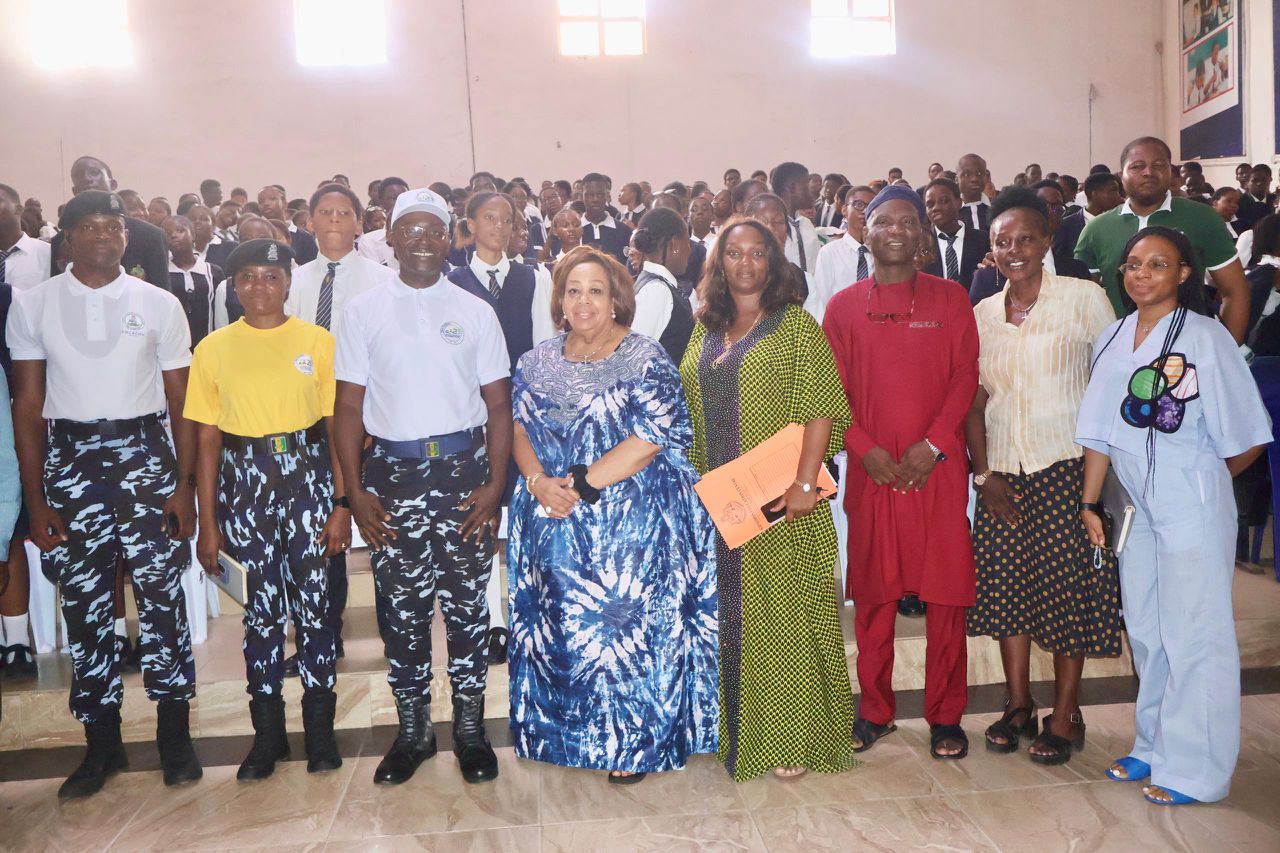
POCACOV Intensifies Sensitization on Cultism, Bullying, and Social Vices Among Students in Edo
In commemoration of the 2026 National Police Day Celebration, the Police Campaign Against Cultism and Other Vices (POCACOV), Edo State Command, has reinforced its preventive policing efforts through a targeted sensitization outreach at Igbinedion Education Centre, Benin City.
The initiative forms part of the broader activities marking this year’s National Police Day, themed “Community Partnership: Building Trust,” which emphasizes collaboration between the Nigeria Police Force and the public in fostering a safer society.
The sensitization programme witnessed the presence of key stakeholders, including the Commissioner of Police, Edo State Command, the Police Public Relations Officer, and the Edo State POCACOV Coordinator, ASP Kingsley Upeh. The team engaged students in an insightful and impactful session focused on the dangers of cultism, bullying, and other social vices prevalent among youths.
During the session, students were educated on the severe and far-reaching consequences of cult-related activities. These include violence, loss of lives, disruption of academic pursuits, and long-term damage to personal reputation and future opportunities. The speakers also highlighted how peer pressure, drug abuse, and negative social influences often serve as gateways into criminal behavior.
In an interactive segment, the Commissioner of Police stressed the legal implications of engaging in criminal acts, noting that involvement in cultism and related offences could lead to arrest, prosecution, and lifelong consequences that may hinder personal growth and career aspirations.
The issue of bullying was also extensively addressed, with emphasis on both its legal ramifications and psychological impact on victims. Students were encouraged to speak up against bullying, report incidents to school authorities or law enforcement, and support peers who may be affected.
Furthermore, the outreach underscored the importance of self-discipline, moral values, and making informed life choices. Students were urged to become ambassadors of peace within their schools and communities by rejecting violence and promoting unity and mutual respect.
The POCACOV team reiterated its commitment to continuous engagement with young people through awareness campaigns, community outreach, and strategic partnerships aimed at preventing crime before it occurs. The initiative aligns with the Nigeria Police Force’s proactive approach to policing, which prioritizes education, prevention, and community involvement.



COAS Launches Nationwide Security Renewal Mission in Plateau
The Chief of Army Staff, Lieutenant General Waidi Shaibu, on Thursday led a high-level delegation of security chiefs to Plateau State, flagging off a nationwide security renewal mission aimed at strengthening civil-military cooperation and restoring lasting peace across the country.
The visit to Jos, the Plateau State capital, marks the first phase of a coordinated national effort to address persistent security challenges through joint operations, community engagement, and proactive intelligence gathering.

Governor Caleb Muftwang received the delegation, describing the initiative as a critical step toward stabilizing affected communities and reinforcing public confidence in security institutions.
Civil-Military Synergy Takes Centre Stage
At the heart of the mission is a renewed emphasis on collaboration between the military, civil authorities, and local communities. Speaking during the visit, Lt. Gen. Shaibu stressed that national security must be treated as a collective responsibility.
He urged citizens to support security agencies by remaining vigilant, sharing credible information, and complying with lawful directives, noting that effective security cannot be achieved in isolation.
Community Engagement as Confidence-Building Tool
In a departure from purely operational engagements, the Army Chief held direct consultations with community leaders and residents in Jos, reinforcing the importance of trust and dialogue in conflict resolution.
Lawmakers, including Dachung Bagos and Ladi Dangyok, commended the initiative, stating that visible engagement by top military leadership helps rebuild confidence among citizens and fosters cooperation.

Proactive Security Operations Underway
Operational updates were provided by Major General Folusho Oyinlola, who disclosed that troops under Operation Enduring Peace have intensified surveillance, intelligence-led patrols, and coordinated actions with other security agencies.
According to the Army, the approach is designed to prevent escalation of threats, safeguard lives and property, and stabilize vulnerable communities before crises emerge.
A Shift Toward Sustainable Peace
Military authorities emphasized that the Plateau visit is part of a broader, long-term strategy to transition from reactive responses to sustainable peacebuilding nationwide. The framework includes strengthening local resilience, ensuring justice, and maintaining continuous engagement with stakeholders.
Analysts view the initiative as a significant policy shift, reflecting a more inclusive security architecture that integrates community participation with military operations.
Call for National Unity
The Army leadership concluded with an appeal to Nigerians to reject divisive narratives and support ongoing efforts to promote unity and peace.
“The success of this mission depends not only on the armed forces but on the cooperation of every citizen,” the COAS stated.
The nationwide security renewal campaign is expected to extend to other regions in the coming weeks as authorities seek to consolidate gains and build a safer, more unified Nigeria.


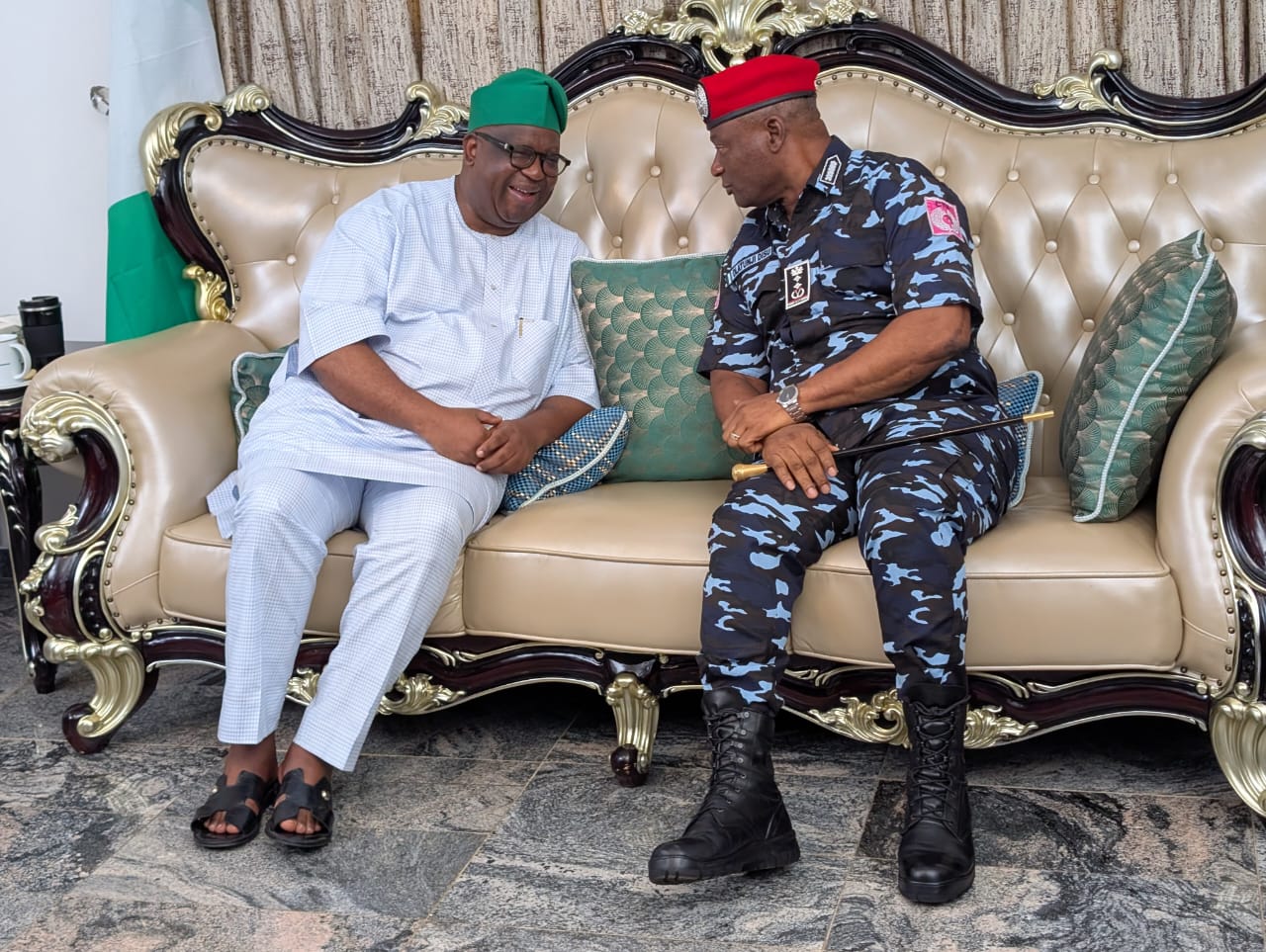
IGP Disu Visits Plateau, Orders Tactical Deployment To Reinforce Security
The Inspector General of Police, Olatunji Disu, on Thursday paid a working visit to Plateau State following recent unrest, holding strategic talks with Governor Caleb Muftwang on measures to strengthen security and prevent further disturbances.
As part of immediate steps to stabilise the situation, the police chief authorised the deployment of specialised tactical units to support officers already on ground across affected areas.
Governor Muftwang commended the swift intervention of the police leadership, praising the dedication and professionalism of security personnel working to restore calm. He also acknowledged the efforts of mobile police officers and lauded the leadership of the state’s Commissioner of Police, Bassey Ewah.
Both the Nigeria Police Force and the Plateau State Government reaffirmed their commitment to safeguarding lives and property, stressing that enhanced collaboration remains key to restoring lasting peace in Plateau State, popularly known as the Home of Peace and Tourism.


-

 society7 months ago
Religion: Africa’s Oldest Weapon of Enslavement and the Forgotten Truth
-

 news4 months ago
WHO REALLY OWNS MONIEPOINT? The $290 Million Deal That Sold Nigeria’s Top Fintech to Foreign Interests
-

 society6 months ago
“You Are Never Without Help” – Pastor Gebhardt Berndt Inspires Hope Through Empower Church (Video)
-

 celebrity radar - gossips2 months ago
Dr. Chris Okafor Returns with Power and Fire of the Spirit -Mounts Grace Nation Altar with Fresh Anointing and Restoration Grace on February 1, 2026