
society
Oyeyemi And Modernisation Of FRSC: An Overview Of Anti Corruption Campaigns By Bisi Kazeem

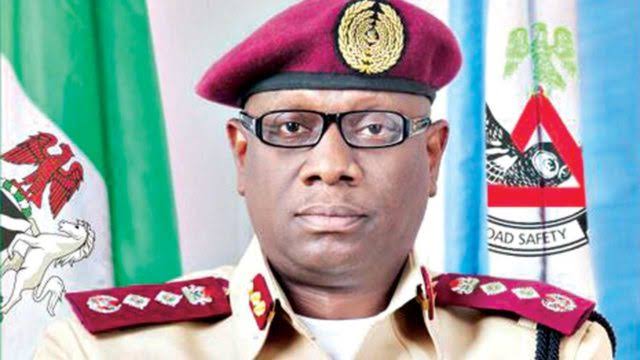
Oyeyemi And Modernisation Of FRSC: An Overview Of Anti Corruption Campaigns By Bisi Kazeem.
When the Federal Government of Nigeria established the Federal Road Safety Commission (FRSC) on 18th February, 1988, it was generally seen as the culmination of all past efforts to address the growing menace of road traffic crashes in the country which put Nigeria road as the most dangerous to drive vehicles on, second only to Ethiopia. The responsibility of bringing down the rate and fatalities of the crashes fell on the founding fathers of the organisation who had earlier proved their mettle in road crash management campaigns through private initiatives.
With the Nobel Laurette, Professor Wole Soyinka as the founding Chairman of the Commission working in tandem with Dr Olu Agunloye who was the pioneer Corps Marshal of the FRSC, the foundation of a modern organisation built on the ideals of knowledge, service delivery and technology was solidly laid. The coming of the FRSC with its young men and women bubbling with youthful idealism and armed with various degrees and certificates as the pioneer Marshals took Nigerians by surprise, with their calm mien in public enlightenment programmes, aggressiveness in traffic law enforcement and efficiency in rescue operations which saw them earning instant respect from the generality of Nigerians and giving legitimacy to the new outfit.

After 32 years of its corporate existence and producing six Corps Marshals, including those that served briefly in Acting positions who continued to sustain the modernisation process of the Corps, the mantle of leadership fell on Dr Boboye Oyeyemi on 24th July 2014 with his inauguration as the first insider that was appointed into the exalted position. In carrying out this onerous national assignment, Oyeyemi has never looked back in addressing any intractable challenge that could have defied past efforts, having distinguished himself as someone that saw the organisation from its very beginning.
One area that his impact on sustaining the vision of the FRSC as a distinct law environment agency and a lead agency in traffic management and safety administration in Nigeria has remain focused is the area of anti corruption campaign which aligns fully with the philosophy of the present administration of President Muhammadu Buhari, GCFR. In playing its historical role as a model organisation that has been supportive of the socioeconomic goals of the federal government, FRSC under Corps Marshal Boboye Oyeyemi enthusiastically embraced the anti corruption posture of the government and has continued to lend supportive hands to the campaign.
As many stakeholders pointed out recently, FRSC’s demonstration of anti corruption agenda has been evidenced right from the organisation’s conceptual framework as evident from the institutionalisation of its operational and administrative structures to make service delivery the cornerstone of its ethics. Thus, many questions of corruption and corrupt practices were already answered by the Corps through its diligent administrative and operational mechanisms before they could even become manifest. In his commitment to the success of anti corruption campaign in the FRSC, Oyeyemi ensures that the commands are run efficiently on budgeted allocations which are paid as regularly as the financial releases are made by the federal government to avoid a situation where the commanding officers and patrol teams could be tempted to compromise their responsibilities by resorting to illegal sources of funding their operations.
Through this mechanism, commanding officers are sure of finances to routinely carryout repairs of their operational vehicles and other administrative costs without resort to self-help that could compromise them. Consequently, any operational staff that is found to have compromised the trust of the Corps while on patrol or other official assignments by indulging in bribe taking are not only diligently tried in accordance with the FRSC disciplinary codes, but netted out with the strictest punishment to serve as deterrence to others.
Furthermore, while the law clearly spelt out the amount of fines to be paid by traffic violators as published on the Notices of Offence, Management under Oyeyemi has ensured that the process of effecting such payments are clearly explained to members of the public through regular public enlightenment programmes. Accordingly, whoever goes out of his way to abuse the process by collecting cash from the offenders on the road or in the offices in lieu of the stated procedures are made to pay dearly through appropriate trials and punishments.
In the same vein, though FRSC designs and produces the National Driver’s Licence and number plates, it does not involve itself or the staff in the direct dealing with members of the public who use the documents. Rather, it deals directly with the state government through their agencies such as Vehicle Inspection Officers and State Boards of Internal Revenue under the tripartite arrangement. That’s why Management under Oyeyemi has ensured that the information on the process for acquiring the documents are pasted at strategic locations in the FRSC offices to guide the licence applicants.
In addition, in the deliberate efforts to upgrade the monitoring system of the Corps for efficient outcomes, the Oyeyemi-led Management recently partnered with relevant anti corruption agencies like ICPC and DSS to embark on sting operations where arrested personnel across the country are being tried under the FRSC Disciplinary Panels. And in further demonstrating its commitment to corruption- free society which aligns with the philosophy of the present administration, Oyeyemi-led Management went into partnership with an NGO known as Akin-Fadeyi Foundation to launch an anti corruption App by which victims of corruption from members of the Corps can immediately activate and send report of the transactions to the FRSC Headquarters for immediate remedial action.
In furtherance of its policy on transparency, the present Management of Corps Marshal Oyeyemi last year established the National Traffic Radio (NTR) to provide ample opportunity for members of the public to not only get information on traffic updates and road conditions across the country, but report any negative encounter with members of the Corps including demand for bribes directly to the studios. The traffic radio which has been in operation is providing direct access to members of the public through various communication tools for unhindered fight against impunity and corruption among the FRSC personnel and other incidents.
As some keen observers of FRSC and players in the fight against corruption have rightly observed, regardless of whatever negative practices that some few bad eggs in the Corps may indulge themselves in to tarnish the hard earned image of the organisation which have no institutional backing for such operational misconduct, Management under Oyeyemi has no doubt been very committed to addressing such ills in the Corps through its aggressive pursuit of anti corruption programmes and more public support could lead to the realisation of the overall success.
We therefore call on every Nigerian of goodwill as well as international partners to see the campaigns for safer road environment and a nation free of corruption as shared responsibilities for which they should all remain committed through robust use of the platforms the FRSC has provided. As Corps Marshal Oyeyemi has continued to restate in his statements, “FRSC is a public trust and its commitment to protecting public interests through transparency programmes would continue to be vigorously pursued by the Management.”
Assistant Corps Marshal Bisi Kazeem, fsi, is the Corps Public Education Officer.




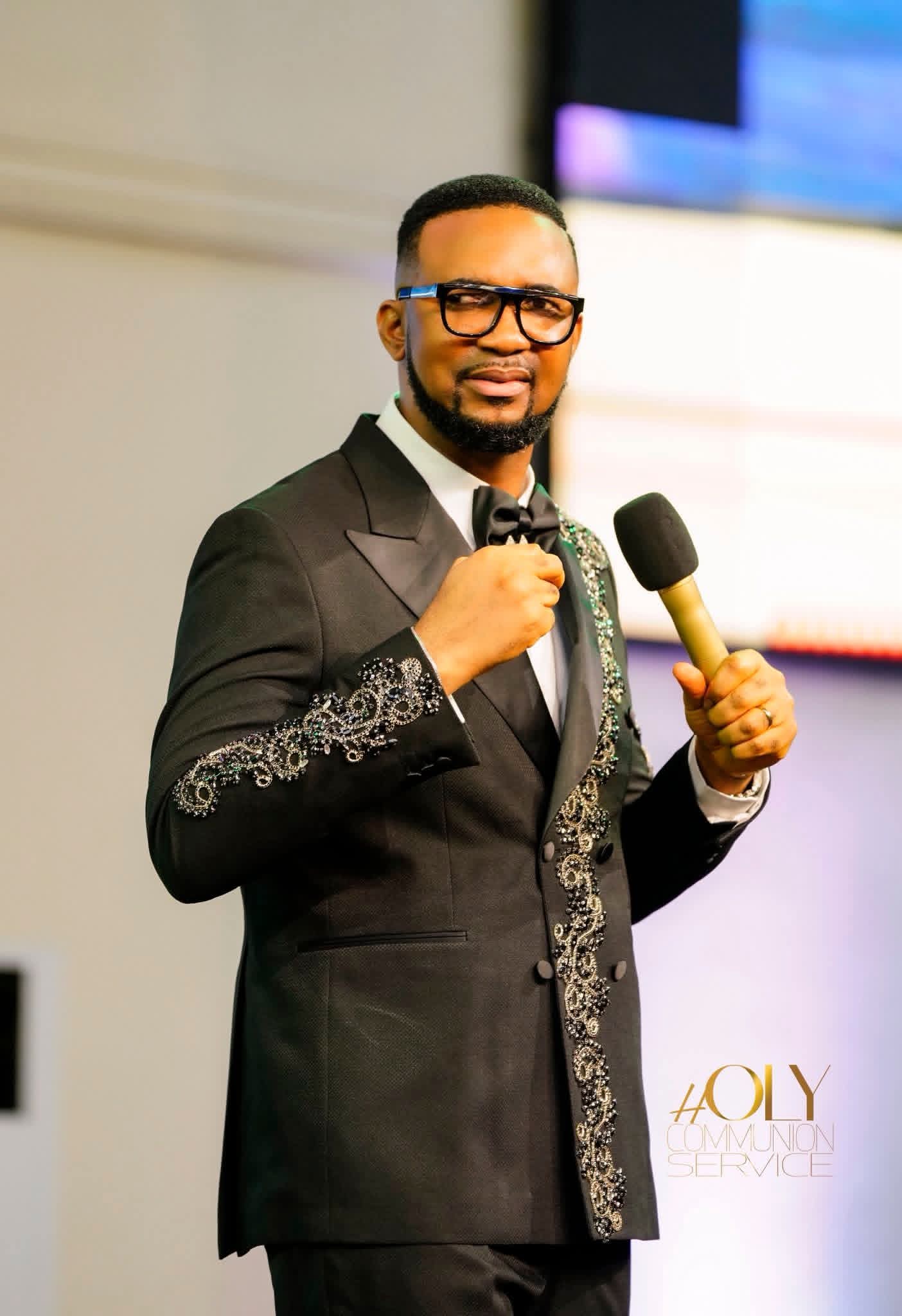
“Jesus Christ is the Way, the Truth, and the Life.” — Dr. Chris Okafor
Grace Nation Worldwide marked a special occasion as members gathered at the international headquarters in Lagos, Nigeria, to celebrate the birthday of the Generational Prophet and Senior Pastor, Christopher Okafor, who turned a year older on April 4, 2026.
A Service of Thanksgiving and Celebration
The atmosphere was filled with gratitude as sons and daughters of the ministry came together to appreciate God for the life and impact of their spiritual leader.
The celebration featured a variety of activities, including special musical renditions, Bible recitations, choreography presentations, and a vibrant praise and worship session led by the Liberation Voices.
The highlight of the event was the ceremonial cutting of the birthday cake, followed by joyful celebration and thanksgiving, all dedicated to the glory of God.
Teaching on the Death and Resurrection of Christ ,Earlier in the day, the service also commemorated the resurrection of Jesus Christ, with Dr. Okafor delivering a message on “The Death and Resurrection of Jesus Christ.”
In his teaching, he described the sacrifice of Christ at Calvary as the foundation of the Christian faith.
“The death of Jesus represents the depth of God’s love for humanity,” he said, while emphasizing that the resurrection is the ultimate confirmation and strength of the believer’s faith.
The State of Humanity Before Redemption
Dr. Okafor explained that before the sacrifice of Christ, humanity was bound by sin, subject to judgment, and separated from God. He highlighted the consequences of the fall of man, including spiritual loss and the inevitability of judgment.
The Purpose of Christ’s Sacrifice
According to the cleric, the death and resurrection of Jesus Christ brought restoration and reconciliation between God and humanity.
“When a person is restored to God, life becomes meaningful,” he noted, adding that the sacrifice of Christ signifies the forgiveness of sin and a new beginning for believers.
A Message of Hope
In conclusion, Dr. Okafor stated that the resurrection of Jesus Christ provides believers with the opportunity to live a fruitful and abundant life, anchored in faith and divine purpose.
The combined celebration of his birthday and the message of Easter created a moment of reflection, joy, and renewed commitment among members of Grace Nation Worldwide.


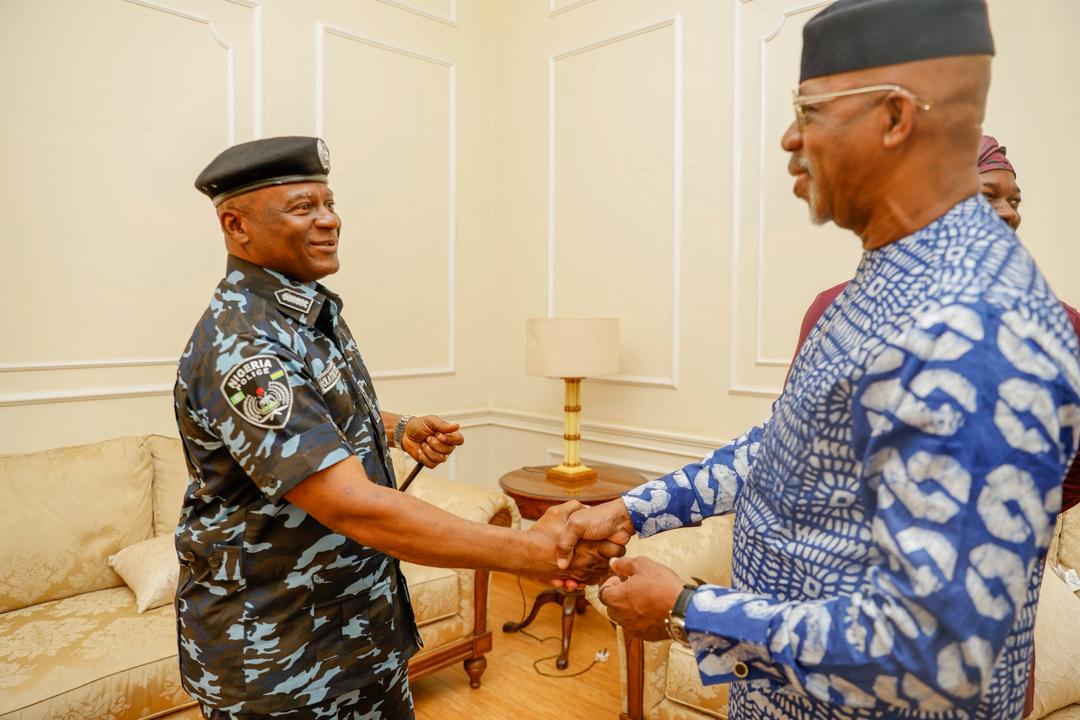
IGP Disu Unveils New Security Vehicles, Bikes In Ogun,
The Inspector-General of Police, Olatunji Rilwan Disu, on Saturday took centre stage at the commissioning of landmark projects in Ogun State, reaffirming the Nigeria Police Force’s commitment to strengthening national security and deepening collaboration with state authorities.
The high-profile event, attended by top government officials and security stakeholders, highlighted the strategic importance of security in driving development. Disu’s presence underscored ongoing efforts by the Police leadership to align operational priorities with infrastructural growth across the country.
A key highlight of the ceremony was the commissioning of new security vehicles and electric motorbikes aimed at boosting the operational capacity of security agencies in the state. The IGP commended the Ogun State Government for what he described as a proactive and forward-thinking approach to security, noting that the newly deployed assets would significantly enhance rapid response and patrol efficiency.
He stressed that effective policing remains central to maintaining peace and order, assuring residents that the Force would continue to evolve strategies to tackle emerging threats. According to him, the Nigeria Police Force is committed to working closely with both the Federal Government and sub-national authorities to ensure the safety of lives and property.
Disu further called on members of the public to support security agencies by providing timely and credible information, describing community cooperation as vital in combating crime and sustaining a secure environment.
The Police leadership also expressed appreciation to the Ogun State Government and other dignitaries for their continued partnership, noting that such collaboration is essential to advancing security initiatives and fostering national development.



*PDP Stalwart, Fagbemi, Resigns From Party in Ogbomoso South*
A former Secretary of Ogbomoso South Local Government, Temidayo Fagbemi, has formally resigned his membership of the Peoples Democratic Party.
Fagbemi, a major financier of the PDP in the area, tendered his resignation in a letter addressed to the Ward Chairman of the party in Ijeru II, Ogbomoso South.
In his letter, Fagbemi stated that leaving the party he had diligently supported, contributing to PDP’s victories at both the state and local government levels for two consecutive terms, was a difficult but necessary decision.
He wrote: “I, Temidayo Fagbemi, hereby submit my resignation as a member of the PDP.”
“My decision to leave the party, which I worked hard to support and helped secure victory at both the state and local levels for two consecutive terms, is not an easy one. However, it has become necessary.”
He thanked party leaders for the years of shared political engagement and wished them success in their forthcoming primaries.
His resignation marks a significant development within the Ogbomoso South PDP, given his influence, contributions, and long-standing role in strengthening the party’s structure.


- United States (U.S.) and Mozambique Advance Cooperation on Emergency Response and Safety April 6, 2026
- The Impacts of the Middle East Conflict on Africa April 6, 2026
- Ghana: President Mahama announces a high-level panel of the Accra Reset April 6, 2026
- Ghana: President Mahama reiterates his determination to build more businesses April 6, 2026
- Mauritius accelerates energy transition with renewable projects of 405 MW April 6, 2026
- Africa Centres for Disease Control and Prevention (Africa CDC) Appoints His Excellency Prof. Yemi Osinbajo as Senior Strategic Advisor to the Director General April 6, 2026
- 2026 Easter Message by the President of the Catholic Bishops’ Conference of Nigeria (CBCN): The Dawn is Coming, Don’t Let Go Now, Hold on to Hope! April 5, 2026
- "A Time to Pause and Begin Again”: President Dr Patrick Herminie reflects in Easter message April 5, 2026
- President Dr. Patrick Herminie Pays Tribute to the Late Seychellois Artist David Philoe April 5, 2026
- Ghana identifies priority areas to strengthen cholera prevention and control April 5, 2026
- United States (U.S.) and Mozambique Advance Cooperation on Emergency Response and Safety April 6, 2026
- The Impacts of the Middle East Conflict on Africa April 6, 2026
- Ghana: President Mahama announces a high-level panel of the Accra Reset April 6, 2026
- Ghana: President Mahama reiterates his determination to build more businesses April 6, 2026
- Mauritius accelerates energy transition with renewable projects of 405 MW April 6, 2026
- Africa Centres for Disease Control and Prevention (Africa CDC) Appoints His Excellency Prof. Yemi Osinbajo as Senior Strategic Advisor to the Director General April 6, 2026
- 2026 Easter Message by the President of the Catholic Bishops’ Conference of Nigeria (CBCN): The Dawn is Coming, Don’t Let Go Now, Hold on to Hope! April 5, 2026
-

 society7 months ago
Religion: Africa’s Oldest Weapon of Enslavement and the Forgotten Truth
-

 news4 months ago
WHO REALLY OWNS MONIEPOINT? The $290 Million Deal That Sold Nigeria’s Top Fintech to Foreign Interests
-

 society7 months ago
“You Are Never Without Help” – Pastor Gebhardt Berndt Inspires Hope Through Empower Church (Video)
-

 celebrity radar - gossips2 months ago
Dr. Chris Okafor Returns with Power and Fire of the Spirit -Mounts Grace Nation Altar with Fresh Anointing and Restoration Grace on February 1, 2026