
society
Patterns: God Has Given Us a Platform to Confront Battles, Blackmail, and Negative Cycles — Dr. Chris Okafor

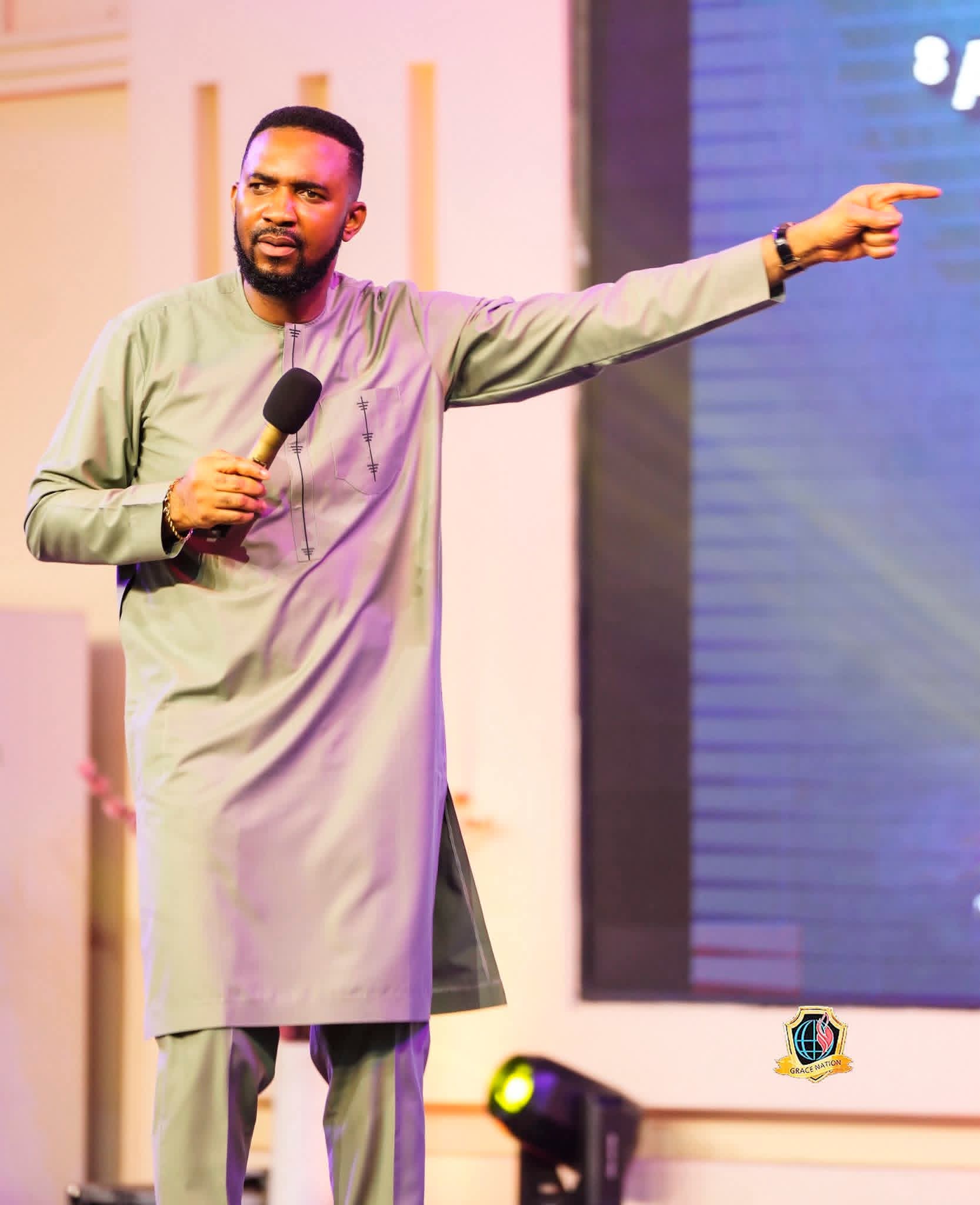
Patterns: God Has Given Us a Platform to Confront Battles, Blackmail, and Negative Cycles — Dr. Chris Okafor
“Our battles are often determined by prayer even before they begin.”
Understanding the nature of the battles confronting one’s life and preparing for them through prayer is already a significant step toward victory.
According to the Generational Prophet of God and Senior Pastor of Grace Nation Global, Christopher Okafor, many battles are won in the spiritual realm long before they manifest physically.
Dr. Okafor made this assertion during the midweek Prophetic, Healing, Deliverance, and Solutions Service (PHDS) held at the international headquarters of Grace Nation Worldwide in Ojodu Berger, Lagos.
Understanding Life Patterns
Teaching on the theme “Patterns,” the cleric explained that patterns represent recurring traits or experiences that families or individuals are known for.
These patterns may be positive or negative and often shape the direction of people’s lives.
He noted that the first part of the teaching focused primarily on negative patterns, particularly those affecting families across generations.
“In many families,” he said, “there are identifiable patterns. In some, it may be premature death where members die at a particular age. In others, it may manifest as constant conflict, blackmail, lies, or destructive gossip. Over time, such patterns become normalized within the family structure.”
Breaking Negative Cycles
Despite the deep roots such patterns may develop, Dr. Okafor emphasized that they are not permanent.
According to the Generational Prophet, God has provided spiritual platforms through which individuals can break free from destructive cycles.
He stressed that anyone willing to follow divine instructions and remain committed to prayer can overcome even deeply entrenched negative patterns.
“No matter how deeply a negative pattern has affected a family,” he said, “God can bring deliverance to anyone who sincerely seeks Him and follows His instructions.”
Steps Toward Deliverance
Dr. Okafor outlined several principles for overcoming destructive patterns:
– Genuine Spiritual Commitment
–
Breaking negative cycles begins with genuine spiritual transformation. Being truly committed to faith and maintaining a consistent prayer life opens the door to divine intervention.
– Guarding Against Spiritual Opposition
He cautioned that speaking against genuine servants of God or opposing spiritual guidance can hinder deliverance, noting that resistance to spiritual help may prolong negative patterns.
– Commitment to God’s Kingdom
According to the Generational Prophet, God delivers individuals not only for personal freedom but also to serve His purpose. A consistent commitment to God’s work, he said, sustains lasting transformation.
– *Dedicated Service*
Serving God wholeheartedly with the gifts and resources He provides helps maintain deliverance and prevents a return to destructive patterns.
*Service Highlights*
The midweek Prophetic, Healing, Deliverance, and Solutions Service witnessed testimonies, healings, and moments of spiritual restoration. Many participants reported breakthroughs as prayers were offered for deliverance, the breaking of barriers, and the restoration of lost opportunities.
According to church officials, the service concluded with prayers for individuals seeking solutions to personal and family challenges.
By Sunday Adeyemi





Harvest of Babies 2026:
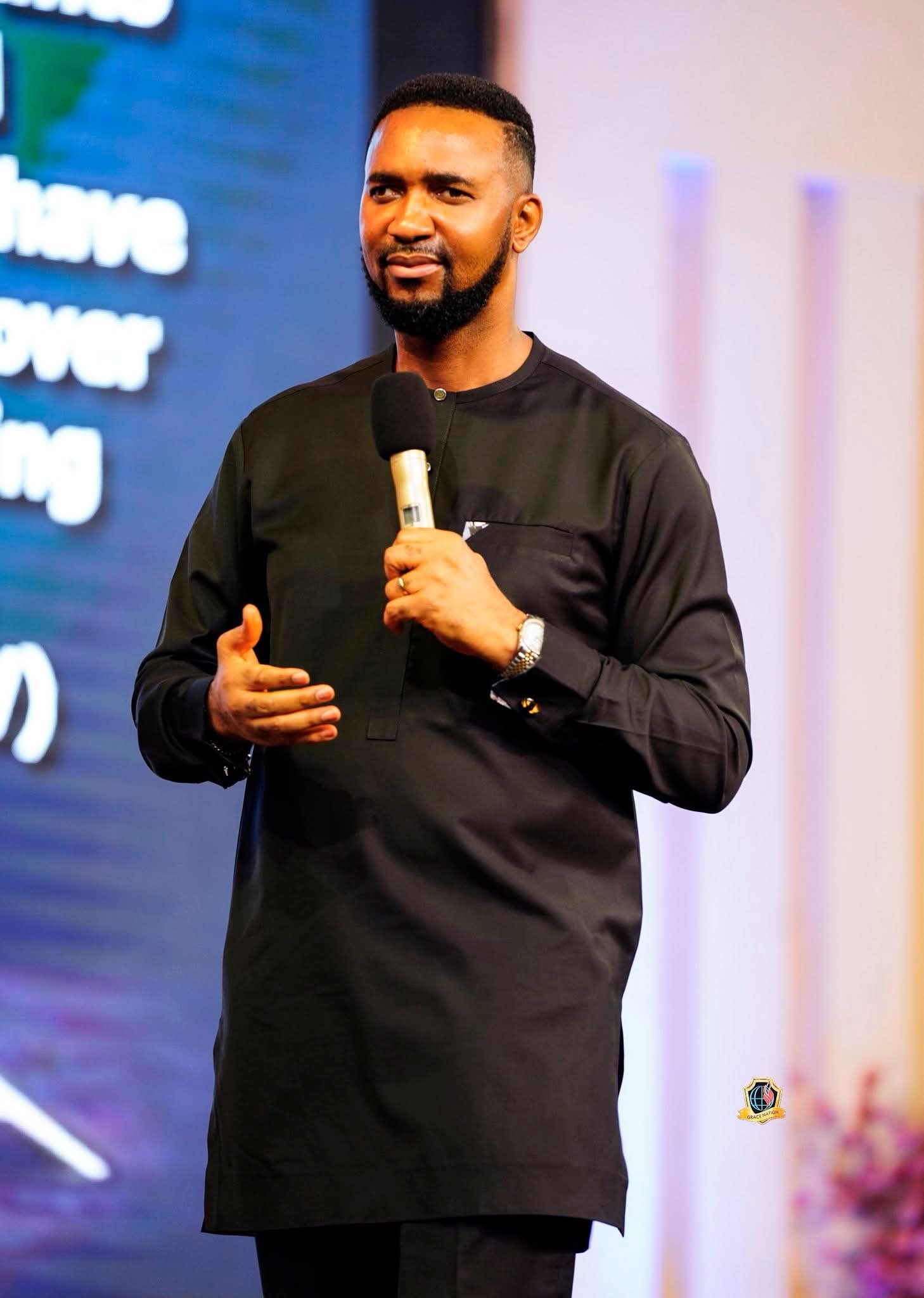
It Is God’s Will for All to Be Fruitful — Dr. Chris Okafor
“God is not moved by sentiment, but by principle.”
The much-anticipated family liberation conference of Grace Nation Global, Harvest of Babies 2026, has commenced on a strong note, with reports of over 700 miracle babies declared during the ongoing programme.
The four-day event began on Wednesday, March 24, 2026, drawing millions of participants from across the world through Liberation TV and other Grace Nation online platforms.
Fruitfulness as a Divine Mandate
Speaking on Day Two of the conference, the Generational Prophet of God and Senior Pastor of Grace Nation Worldwide, Christopher Okafor, described fruitfulness as a foundational command from God.
Preaching on the theme “Fruitfulness,” he emphasized that the first mandate given to humanity was to be fruitful, stressing that this principle extends beyond childbearing to every area of life.
“It is the will of God for everyone to be fruitful,” he said, “not only in the area of the womb but in all aspects of life.”
He further described barrenness—whether physical, spiritual, or economic—as contrary to God’s intention for His people.
“Wherever barrenness is broken,” he noted, “it is by divine intervention. God confirms His Word, not human opinion.”
The Principle Behind Fruitfulness
Dr. Okafor explained that fruitfulness is governed by principles, not emotions.
“God is not moved by sentiment,” he stated. “He responds to principles.”
According to him, one of the key principles is service and commitment to God. He emphasized that unanswered prayers may sometimes be linked to a lack of genuine service or alignment with divine expectations.
“To be fruitful, you must understand the principle of service,” he said. “When you serve God sincerely and make Him your covenant focus, fruitfulness becomes evident in your life.”
He added that true devotion involves serving God wholeheartedly, both in spirit and in action, noting that such commitment attracts divine provision and establishes lasting results.
Testimonies and Manifestations
The conference has reportedly witnessed significant moments of healing, deliverance, and restoration. One notable testimony involved a woman who had reportedly been unable to relieve herself for over five weeks and was scheduled for a major medical procedure. Following prayers, she experienced immediate relief, an outcome participants described as a remarkable intervention.
Several other testimonies of breakthroughs and restoration were also recorded during the session.
Continuing the Conference
The Harvest of Babies 2026 conference continues at the international headquarters of Grace Nation Worldwide in Ojodu Berger, Lagos, with daily sessions attracting both physical and virtual attendees.
Organizers say the programme is focused on prayers for fruitfulness, deliverance from negative patterns, marital breakthroughs, financial stability, and the fruit of the womb.
Participants are encouraged to join the ongoing sessions, with the belief that divine intervention can bring transformation in every area of life.


society
Centre Commends Nigerian Military’s Intensified Operations in North Central, Charges Armed Forces to Deepen Gains and Ensure Peaceful Easter Across The Country

*Centre Commends Nigerian Military’s Intensified Operations in North Central, Charges Armed Forces to Deepen Gains and Ensure Peaceful Easter Across The Country*
The Civic Centre for National Security and Civic Responsibility (CCNSCR) has commended the Chief of Defence Staff, General Olufemi Oluyede, and the Armed Forces of Nigeria for what it described as “notable and encouraging improvements” in security operations across Nigeria’s North Central region.
In a statement issued on Thursday and signed by its Executive Director, Dr Johnson Audu, the group said recent military gains in the region reflect a renewed operational drive and stronger coordination under the current leadership of the Armed Forces.
The group noted that communities across several North Central states, previously plagued by banditry, violent attacks, and persistent security disruptions, are beginning to witness a gradual restoration of order, improved troop presence, and more responsive military interventions.
According to the statement, these developments point to a more proactive and intelligence-driven approach by the military, resulting in the disruption of criminal networks and the containment of threats that had long destabilised parts of the region.
“The Civic Centre for National Security and Civic Responsibility commends the Chief of Defence Staff, General Olufemi Oluyede, for the renewed sense of direction and operational coordination within the Armed Forces. The emerging security improvements across the North Central region are both significant and reassuring,” the statement reads.
The group observed that sustained offensives targeting criminal enclaves, alongside increased surveillance and rapid deployment capabilities, have contributed to weakening the operational capacity of armed groups.
It added that the military’s growing ability to secure key transport routes and respond swiftly to distress situations has helped restore public confidence in affected communities.
Dr Audu said the Armed Forces deserve recognition for maintaining pressure on criminal elements despite the complex and evolving nature of security challenges in the region.
“The men and women of our Armed Forces continue to demonstrate resilience, discipline, and commitment in the face of difficult operational realities. Their efforts in safeguarding lives and stabilising communities across the North Central deserve national commendation,” he said.
While applauding the progress made, the group emphasised that the current gains must be consolidated and sustained to prevent any relapse into widespread insecurity.
It urged the military to intensify ongoing operations and maintain strategic momentum in order to ensure that recent improvements translate into lasting peace across the region.
“These gains, while commendable, remain fragile. It is imperative that the Armed Forces sustain the current operational tempo and continue to apply pressure on criminal elements to ensure that stability is not only achieved but preserved,” the statement added.
The group specifically charged the military leadership to replicate emerging pockets of stability across other troubled areas, stressing that consistent presence and sustained engagement are critical to long-term success.
Looking ahead to the Easter period, the CCNSCR called on the Armed Forces to ensure heightened vigilance and robust deployment to guarantee a peaceful and secure celebration across the country.
“We urge the military to sustain and intensify its efforts to ensure that Nigerians across all regions can observe the forthcoming Easter season in peace and safety. The goal must be to replicate and expand current security improvements nationwide,” the statement said.
The group also underscored the importance of citizen cooperation in supporting the work of security agencies, noting that lasting security cannot be achieved through military action alone.
It called on residents of the North Central region and Nigerians at large to remain vigilant, share credible information with security agencies, and resist any form of collaboration with criminal groups.
“Security is a shared responsibility. Citizens must actively support the Armed Forces through vigilance, cooperation, and a collective rejection of all forms of criminality. The fight against insecurity requires a united national effort,” Dr Audu said.
The statement further encouraged community leaders, civil society groups, and local institutions to strengthen grassroots engagement and promote a culture of peace and mutual responsibility.
It stressed that trust between citizens and the military remains a critical factor in sustaining recent gains and preventing the resurgence of violence.
The CCNSCR concluded by reaffirming its support for the Armed Forces and its commitment to promoting civic participation in national security, urging all stakeholders to remain resolute in the collective effort to secure the nation.
“The progress recorded in the North Central region must serve as a foundation for broader national stability. With sustained military effort and active citizen collaboration, Nigeria can move steadily towards lasting peace and security,” the statement said.
society
TULA MOTO KEKE: Electric 8-Seater Keke Hits Nigerian Market, Promises Higher Earnings for Transport Operators

TULA MOTO KEKE: Electric 8-Seater Keke Hits Nigerian Market, Promises Higher Earnings for Transport Operators
LAGOS — A new innovation in urban transportation has been introduced into the Nigerian market with the launch of an 8-seater fully electric power keke, offering commercial operators a cost-effective and environmentally friendly alternative to conventional petrol-powered tricycles.

The electric tricycle, now available in Lagos with distribution extending nationwide, is designed with two rows of passenger seating and has the capacity to carry up to eight passengers per trip—more than double the typical capacity of standard kekes. Promoters say this feature is aimed at boosting daily income for transport operators amid rising fuel costs across the country.

According to the distributors, the keke runs entirely on electric power, eliminating the need for petrol and reducing the burden of fluctuating fuel prices. They added that the vehicle is equipped with a long-lasting battery capable of covering extended distances on a single charge, making it suitable for commercial use across busy routes, estates, campuses, and market areas nationwide.

“The idea is simple, help drivers earn more while spending less,” a company representative said. “With this electric keke, operators can carry more passengers per trip and avoid the daily stress of fuel purchase.”
In addition to its increased capacity, the vehicle is said to require minimal maintenance compared to traditional tricycles, offering further savings for owners. Its smooth and quiet operation is also expected to improve the commuting experience for passengers.
Industry observers note that the introduction of electric-powered transport options aligns with broader efforts to promote cleaner energy solutions in Nigeria’s transport sector, particularly in densely populated cities like Lagos and beyond.
The distributors disclosed that the product is currently available under a limited promotional offer and can be delivered to all parts of Nigeria.
For inquiries and purchase, interested buyers can contact:
📞 08153432071
📞 08035889103
Office Address:
📍 Plot 9, Block 113, Beulah Plaza,
Lekki–Epe Expressway,
Lekki Phase 1, Lagos
As Nigeria continues to grapple with rising transportation costs and environmental concerns, innovations such as the electric power keke may signal a gradual shift toward more sustainable and profitable mobility solutions nationwide.


-

 society6 months ago
Religion: Africa’s Oldest Weapon of Enslavement and the Forgotten Truth
-

 news3 months ago
WHO REALLY OWNS MONIEPOINT? The $290 Million Deal That Sold Nigeria’s Top Fintech to Foreign Interests
-

 society6 months ago
“You Are Never Without Help” – Pastor Gebhardt Berndt Inspires Hope Through Empower Church (Video)
-

 celebrity radar - gossips2 months ago
Dr. Chris Okafor Returns with Power and Fire of the Spirit -Mounts Grace Nation Altar with Fresh Anointing and Restoration Grace on February 1, 2026