
Political discussion with Mr Porsche (video)

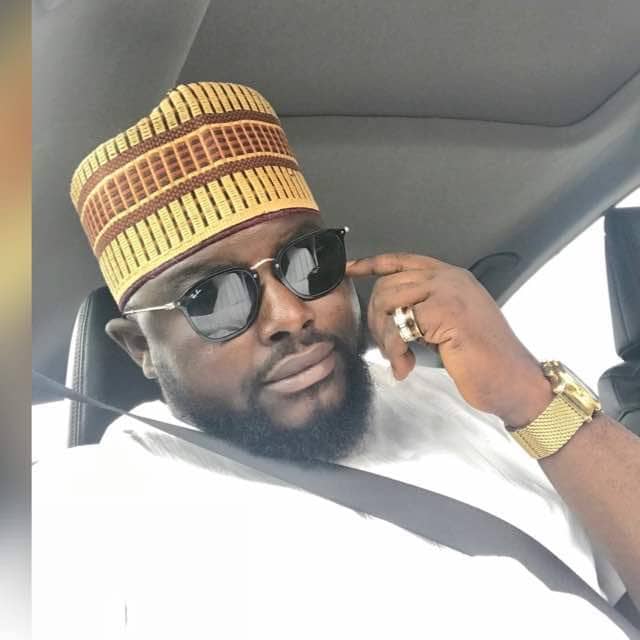

Hello Everyone, my name is Ayobami Ladipo aka ‘Mr Porsche’; am a Nigerian Blogger and social commentator.
I report and speak on politics/state of the nation, more importantly on NATION BUILDING.
It’s less than 5 months to Nigeria’s general elections and I found the need to seek your views and opinion on issues that concerns us all, issues that are major determinant to our wellbeing as Nigerians.
Based on the aforementioned, I’ve decided to kickstart my video series where we can interact and talk about the Nigeria of our dreams.
To this end, here’s my first video where am seeking your opinion about the forthcoming general election in 2019.
Who do you want as your next president and WHY?
Do you want President Buhari to continue till 2023 or would you prefer Atiku Abubakar as the next president of the Federal Republic of Nigeria?
Drop your comments below, thanks and God bless Nigeria ?? #lifeofmrporsche #celebrityblogger #sociopreneur #lifeofanigerianblogger #ladipo #election2019 #buhari #atiku #atikuabubakar #nigeria #apc #pdp




Sports
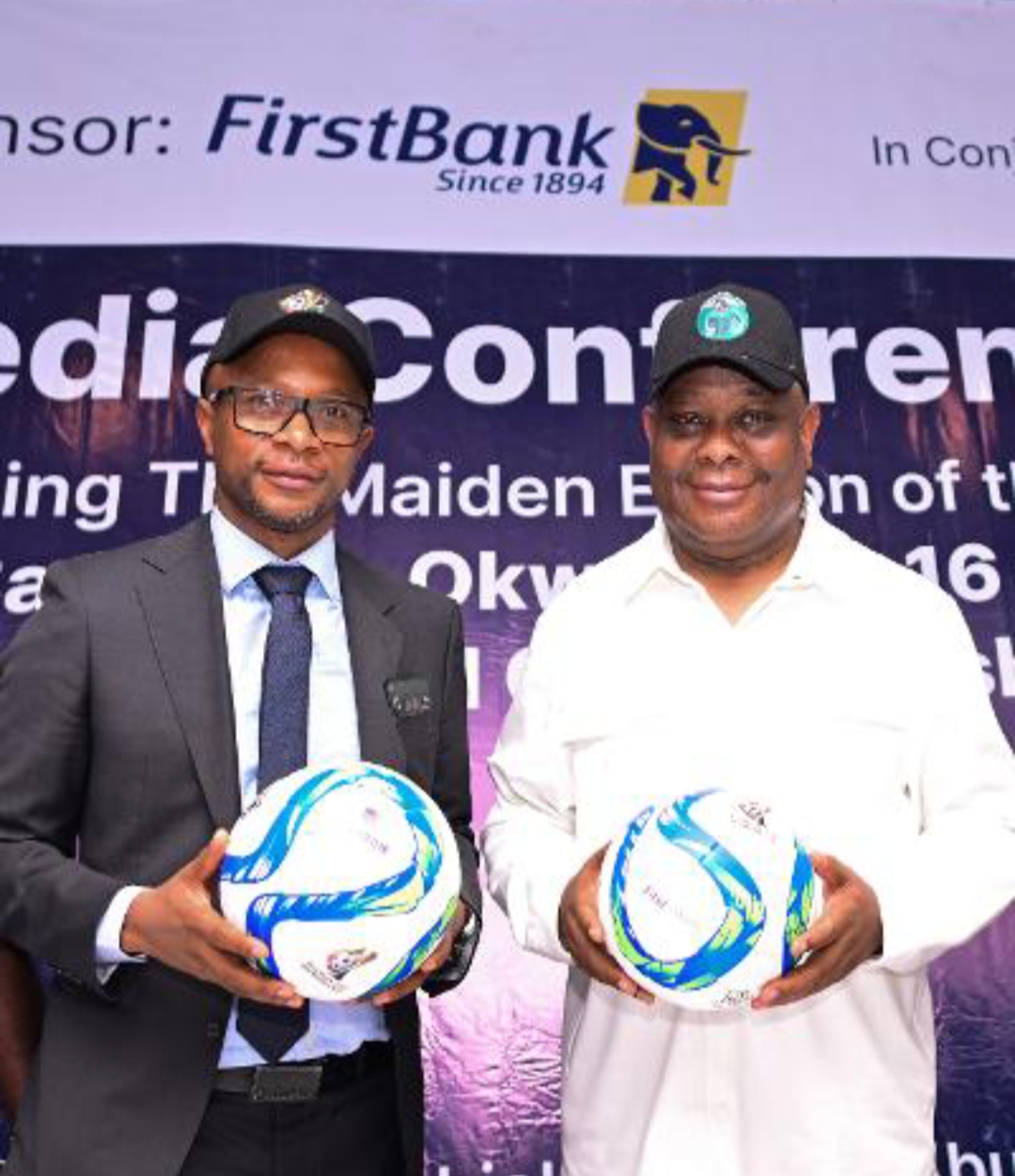
FirstBank Sponsors Samuel Okwaraji U-16 Football Championship 2026, Promotes Education Through School Sports
FirstBank Sponsors Samuel Okwaraji U-16 Football Championship 2026, Promotes Education Through School Sports
Lagos, 31 March 2026 – FirstBank, the premier bank in West Africa and a leading financial inclusion service provider, is thrilled to announce its sponsorship of the maiden edition of the Samuel Okwaraji Under 16 Football Championship, a nationwide youth football tournament organised to honour the late Samuel Okwaraji, one of Nigeria’s most celebrated football legends renowned for his patriotism, discipline, and commitment to national service.
The tournament will engage secondary schools from all 36 states and the FCT, in a two-stage competition. The first stage will feature zonal eliminations across the six geopolitical zones, followed by a national final in Abuja featuring the top 12 qualifying teams. The event will also include cultural displays, memorial lectures, and talent scouting opportunities by national team coaches, ensuring a blend of sporting excellence and social impact.
Speaking on the sponsorship, Managing Director and Chief Executive Officer of FirstBank, Olusegun Alebiosu, said: “Football is the strongest unifier of Nigerians. It brings communities together, inspires discipline, and nurtures talents across the country. FirstBank is making a deliberate incursion into grassroots football development with this sponsorship, creating an enabling environment for the next generation of Samuel Okwarajis to discover, refine, and maximise their potential, thereby shaping the future of Nigerian football.”
In his remarks, Senator Osita Izunaso, the Chairman of the Championship Organising Committee commended FirstBank for throwing its weight around the championship. He said “FirstBank’s legacy predates modern Nigerian football. The bank has once again shown that true corporate leadership lies in nation building. We thank FirstBank for their participation in this championship and we hope that other corporates will take a leaf and provide an enabling environment for young ones to thrive in education through sports.”
Through its First@Sports initiative, FirstBank has sustained an unbroken role in promoting the development of football and sports across Nigeria. The Bank is invested in nurturing talent through its ownership of the Elephant Boys Football Team currently competing in the Nigerian National League. The FirstBank Basketball Club popular known as the “Elephant Girls” is also owned by the Bank.
The Bank has supported youth-oriented and sporting initiatives including the National Sports Festival, South-West Youth Games, the Dala Hard Court Tennis Championship for 35 years, Lagos Amateur Golf Open Championship for 65 years, and the Georgian Polo Cup for 105 years.


The Bank’s sponsorship of the Samuel Okwaraji U-16 Tournament underscores its commitment to national unity, empowering communities, and fostering youth development.
NASRE: Building A Safety Net For Nigeria’s Journalists
At a time when Nigeria’s media industry is strained by economic uncertainty, job instability, and shrinking newsroom resources, the Nigerian Association of Social and Resourceful Editors (NASRE) is redefining professional solidarity. More than a network of editors, it is emerging as a critical support system for journalists navigating an increasingly precarious landscape.
Founded on the principles of welfare, solidarity, and professional growth, NASRE has positioned itself as a responsive and forward-looking body within the media ecosystem. While many professional associations remain focused on advocacy and training, NASRE distinguishes itself by combining these roles with direct and practical support for journalists and their families.
At the core of its mission is a clear proposition that no journalist should be abandoned in times of need. Through financial assistance, targeted outreach, and sustained engagement, the association has supported members facing hardship, as well as widows and families of deceased practitioners. These largely understated interventions have steadily earned NASRE credibility and respect across the industry.
The organisation’s approach reflects a keen awareness of the pressures confronting media professionals, including irregular pay, job insecurity, and limited institutional backing. In such an environment, NASRE’s welfare initiatives are not merely charitable, they are essential.
Beyond welfare, the association is investing in professional resilience. Through collaboration, networking, and knowledge-sharing platforms, it is equipping editors and practitioners to remain competitive in a rapidly evolving digital media space, where adaptability is no longer optional.
Headquartered in Lagos, NASRE continues to broaden its reach, attracting a growing membership united by the need for a more responsive and supportive professional community. Its expansion signals a shift in expectations within the industry, away from symbolic affiliations towards institutions that deliver measurable value.
For many observers, NASRE represents a necessary evolution, a professional body anchored not just in ideals, but in impact. By combining empathy with structure, it offers a model of what media associations can become in challenging times.
As the industry continues to evolve, organisations like NASRE may prove indispensable. In a profession devoted to telling society’s stories, it is ensuring that the storytellers themselves are not left behind.
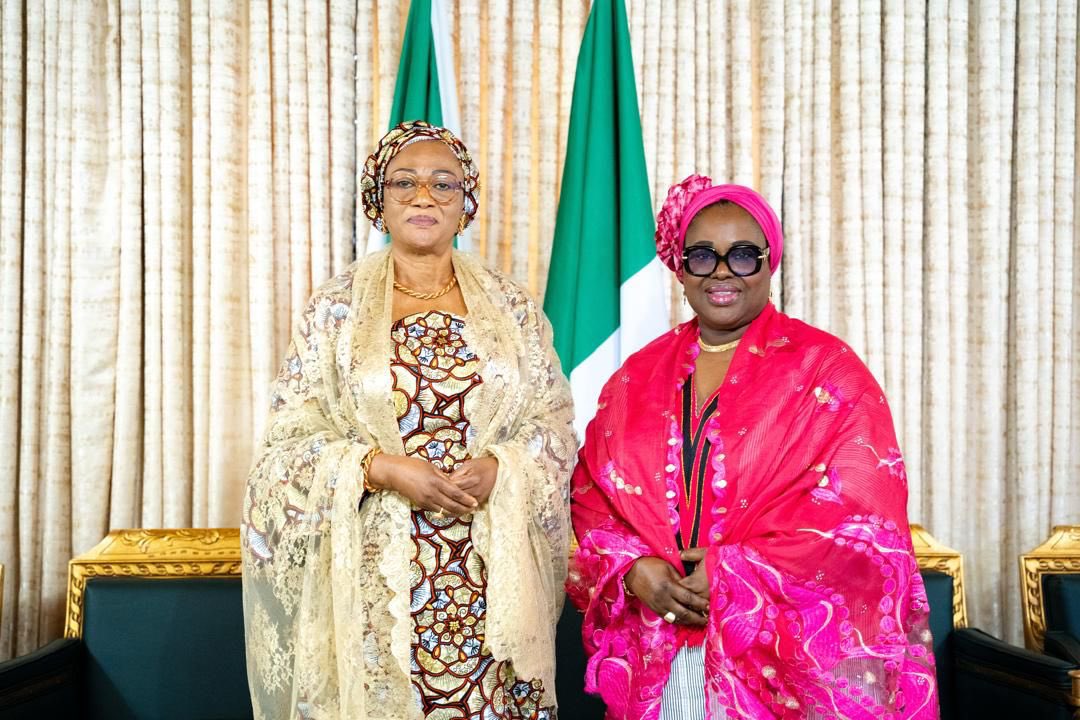
Oluremi Tinubu Hosts Wife of New IGP, Talks Welfare, Empowerment for Police Families
The First Lady of the Federal Republic of Nigeria, Senator Oluremi Tinubu, today welcomed Mrs. Mutiat Disu, wife of the Inspector General of Police, at the State House in Abuja.

During the meeting, the First Lady encouraged Mrs. Disu to continue championing the welfare and wellbeing of police officers’ families, especially through impactful support for their wives.
Speaking after the meeting, Mrs. Mutiat Disu shared her excitement about partnering with the First Lady’s Renewed Hope Initiative (RHI), noting that she is ready to leverage its programs to empower police officers’ wives across the country.
Mrs. Disu, who also serves as the National President of the Police Officers’ Wives Association (POWA), described the meeting as insightful and inspiring. She emphasized her commitment to using RHI platforms to improve healthcare, welfare, and economic empowerment for POWA members nationwide.
“The purpose of this visit is to tap into her wealth of experience and explore how POWA can benefit from her programs,” she said.
She added that her engagement with the First Lady has already provided valuable direction, especially in areas of social intervention and healthcare support for police families.
“I’m ready to work closely with Mama to ensure our women benefit fully, especially since RHI focuses on uplifting women, and POWA is largely made up of women.”
Mrs. Disu assumed leadership of POWA following the appointment of Tunji Disu as Inspector General of Police on February 24, 2026, succeeding Kayode Egbetokun.


-

 society6 months ago
Religion: Africa’s Oldest Weapon of Enslavement and the Forgotten Truth
-

 news4 months ago
WHO REALLY OWNS MONIEPOINT? The $290 Million Deal That Sold Nigeria’s Top Fintech to Foreign Interests
-

 society6 months ago
“You Are Never Without Help” – Pastor Gebhardt Berndt Inspires Hope Through Empower Church (Video)
-

 celebrity radar - gossips2 months ago
Dr. Chris Okafor Returns with Power and Fire of the Spirit -Mounts Grace Nation Altar with Fresh Anointing and Restoration Grace on February 1, 2026
You must be logged in to post a comment Login
You must log in to post a comment.