
society
Renowned Legal Practitioner, Smart I. Nwobi, Advocates Diaspora Voting Rights and Calls for End to Migrant Harassment in South Africa


Renowned Legal Practitioner, Smart I. Nwobi, Advocates Diaspora Voting Rights and Calls for End to Migrant Harassment in South Africa.
By George Omagbemi Sylvester | SaharaWeeklyNG.com
The Nigerian diaspora is often referred to as the country’s “seventh geopolitical zone,” a community of millions scattered across the globe whose remittances, knowledge and influence remain a lifeline to the nation’s economy. Yet, despite their contributions, Nigerians abroad continue to be excluded from electoral participation and often find themselves at the mercy of hostile immigration policies in foreign lands. At a recent gathering of the National Association of Nigerian Students in Diaspora (NANS-D), one of the country’s most respected voices in law and advocacy, Smart I. Nwobi, brought these issues into sharp focus.
Delivering a keynote address on behalf of the Nigerian Union South Africa (NUSA), Nwobi urged the Federal Government of Nigeria to take bold steps towards granting diaspora voting rights and to work closely with African governments (especially South Africa) to end the harassment of migrants. His address, delivered with conviction and clarity, was not just a call for reform, but a blueprint for how Nigeria could finally turn its global citizens into an asset rather than an afterthought.
Diaspora Voting: An Unfinished Democratic Business. For decades, Nigerian leaders have spoken glowingly of the diaspora’s impact, yet have done little to integrate them into the political framework. According to the World Bank, Nigeria received over $20.1 billion in diaspora remittances in 2023, making it the highest in Africa and one of the top ten globally. These funds have been pivotal in stabilizing households, supporting education and boosting small businesses. Beyond financial contributions, Nwobi argued that Nigerians abroad hold expertise in critical sectors (medicine, technology, law and governance) that could be harnessed for national development.
“Democracy cannot be complete if millions of its citizens are locked out of participation simply because they live beyond the nation’s borders,” Nwobi said. His position echoes practices in countries such as Ghana, Kenya and South Africa, all of which allow diaspora voting. Globally, nations like France, Italy and Portugal even reserve parliamentary seats for their citizens abroad, recognizing their unique perspectives and roles in shaping policy.
For Nigeria, Nwobi suggested that diaspora voting rights should not be symbolic, but practical; accompanied by parliamentary representation that ensures global citizens are involved in shaping the laws and policies that affect them. This, he argued, would not only deepen democracy but also restore confidence among diasporans who feel politically abandoned.
The Plague of Migrant Harassment in South Africa. Nwobi’s speech also touched on one of the most pressing challenges faced by Nigerians and other African migrants in South Africa, the wave of hostility fueled by anti-migrant groups like Operation Dudula. Over the past decade, South Africa has witnessed periodic outbreaks of xenophobic violence, often directed at Nigerians, Zimbabweans, Malawians and other African nationals accused of “TAKING JOBS” or “OVER BURDENING SERVICES.”
“South Africa and Nigeria must rise above the destructive politics of division,” Nwobi declared. “We cannot afford to watch Africans turn against each other when the rest of the world sees us as one.”
His message resonated with historical weight. Both Nigeria and South Africa played pivotal roles in the liberation of Africa from colonialism and apartheid. Nigeria, for instance, was instrumental in funding the African National Congress (ANC) during the anti-apartheid struggle. Today, however, relations between citizens of the two nations are increasingly strained by violence, stereotypes and political rhetoric.
By calling for stronger leadership from Abuja and Pretoria, Nwobi underscored the need for African unity as a prerequisite for continental growth. He stressed that harassment of migrants not only undermines human rights but also stifles the free movement of skills and talent; factors critical for Africa’s integration under the African Continental Free Trade Area (AfCFTA).
From Brain Drain to Brain Gain. One of the most compelling aspects of Nwobi’s presentation was his insistence that the diaspora should be seen not as a “LOST GENERATION” but as a reservoir of talent waiting to be tapped. He unveiled four strategic initiatives designed to shift Nigeria’s perception of its citizens abroad:
A Diaspora Think Tank Hub – a central platform for consolidating expertise from Nigerian professionals worldwide, offering advisory services to government and industry.
Soft-landing platforms for returnees – structures that make reintegration smoother for diasporans willing to return home, including housing schemes, job placement programs, and tax incentives.
Diaspora voting rights with parliamentary representation – not just giving a vote but also a voice in legislative processes.
Policy inclusion for diaspora contributions – formally integrating diaspora remittances and investments into national economic planning.
According to him, these steps would ensure that the enormous contributions of Nigerians abroad (financial, intellectual and cultural) are not wasted but directed toward national growth.
A Message of Unity and Responsibility. Nwobi also used his platform to caution against division within diaspora organizations themselves. Too often, he argued, political rivalries and domestic tensions spill into the diaspora, undermining their collective strength. He called on Nigerian ambassadors, student leaders, and community stakeholders to prioritize empowerment, cohesion and unity over partisan divides.
“Together, we rise. United, we thrive,” he concluded. “With a shared vision and a collective spirit, we will build a stronger, better, and more united front for ourselves and for generations to come.”
His words carried both optimism and urgency, reminding listeners that diaspora advocacy is not just about convenience but about survival and dignity.
Recognition of Leadership. At the event, Smart I. Nwobi was honoured with a special award of recognition for his bold advocacy, steadfast leadership and dedication to uniting Nigerians abroad. The award served as both an acknowledgment of his past contributions and a challenge to continue leading the charge for diaspora empowerment.
Global Lessons for Nigeria. Nwobi’s advocacy finds echoes in global best practices. Countries such as India and Israel have long leveraged their diasporas as engines of innovation and investment. The Indian diaspora, for example, played a crucial role in the rise of its IT sector, while Israel has benefited immensely from the expertise and capital of Jews abroad.
For Nigeria, which faces persistent challenges of governance, insecurity, and economic instability, the diaspora could be the key to reversing decades of underdevelopment. With millions of Nigerians living and working across North America, Europe, Asia and Africa, the potential to create a powerful network of influence is immense.
Final Take: A Call to Action. Smart I. Nwobi’s call at the NANS-D event is more than a Speech, it is a manifesto for change. By demanding diaspora voting rights, parliamentary inclusion and an end to migrant harassment, he has placed the Nigerian diaspora at the center of the national conversation. His proposals are not utopian but practical, rooted in global examples and grounded in Nigeria’s realities.
If Nigeria heeds his call, it could transform its diaspora from a loosely connected group of remittance senders into a structured force for political and economic development. If South Africa responds, it could ease tensions and set a continental example for migrant inclusion.
If both nations ignore these urgent appeals, they risk deepening divisions, missing opportunities and alienating millions of Africans whose contributions are indispensable.
As the applause that followed his keynote suggested, the diaspora is ready to play its part. The question is whether Nigeria and South Africa are ready to listen.

Renowned Legal Practitioner, Smart I. Nwobi, Advocates Diaspora Voting Rights and Calls for End to Migrant Harassment in South Africa.
By George Omagbemi Sylvester | SaharaWeeklyNG.com





society
From Broadcast to Spiritual Renaissance: The Journey of Alọba A. Orisabimbola Ifatomi, Creator of ÒRÌṢÀTV
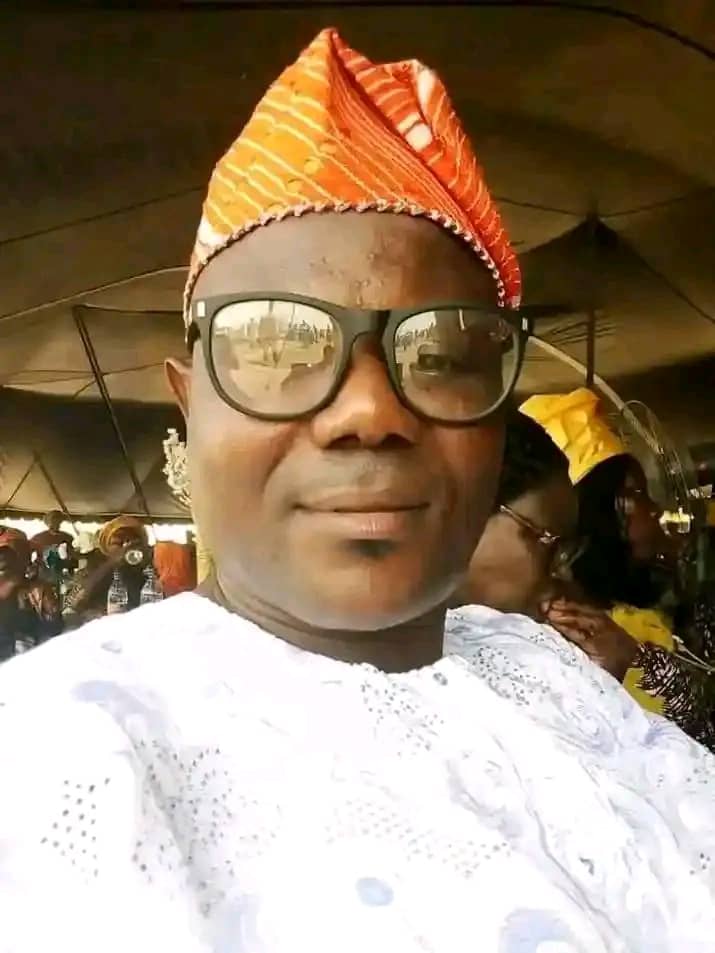
From Broadcast to Spiritual Renaissance:
The Journey of Alọba A. Orisabimbola Ifatomi, Creator of ÒRÌṢÀTV
In a time when African stories are often misrepresented or diluted, a seasoned voice in Nigeria’s media and creative industry is stepping forward with a bold vision to reclaim, preserve and project the depth of African spirituality through a new wave of cinematic storytelling powered by technology.
Alọba Adewunmi, a respected broadcaster, journalist and creative professional, is the mind behind ÒRÌṢÀTV a groundbreaking platform using Artificial Intelligence (AI) cinematic production to tell authentic Yoruba stories rooted in cosmology, spirituality and cultural heritage.
ÒRÌṢÀTV is not just a channel it is a destination to experience “The Beginning”, a Yoruba cosmology-based AI cinematic series that explores the origin of life and existence through an African lens.
A Career Built on Media Excellence
With years of experience across broadcast and print media, Alọba Adewunmi has established himself as a dynamic storyteller and cultural voice.
He has worked with several notable platforms including OSBC, Orisun FM, Yotomi Cable, Okin FM, Midland FM, Delta Cable, Akede Oodua Publications and Akede Africa.
His professional journey includes:
– Reporter at Alariya Oodua
– Editor at Gbajumo Online Magazine
– General Editor at Akede Africa ( a bilingual news magazine)
Through these roles, he has contributed significantly to journalism, cultural reporting, politics, crime and entertainment.
A Multifaceted Creative Force
Beyond journalism, Alọba Adewunmi’s creative footprint extends deeply into film and storytelling.
He is not just a performer, but a creative architect behind the scenes, serving as:
– A Continuity Director
– Continuity Director of the home video “Tobi (Forgiveness)”, produced by Kola Adeyemo
– A Story Writer and Dialogue Director
– A Scriptwriter
He has also contributed to several home video productions from the late 1990s through the early 2000s, reflecting a long-standing presence in Yoruba film storytelling.
A Spiritual Path and Cultural Mission
Beyond media and film, his journey is rooted in a deeper spiritual calling.
Alọba Adewunmi is a traditional priest, teacher and herbal medicine practitioner, dedicated to the preservation and practice of Yoruba spirituality.
His temple, Obàtálá Alábãlàse Temple of Purity, stands as a sacred center for purity, healing and spiritual guidance.
The Vision Behind ÒRÌṢÀTV
ÒRÌṢÀTV is more than a content platform, it is a cultural revival movement powered by AI-driven cinematic storytelling.
Through this innovative approach, the platform explores:
– The origin of existence
– The roles of divinities
– The structure of human destiny
– The spiritual laws governing life
The debut episode, “The Birth of Ilẹ̀ Àwọn Alààyè”,( Command of Creation ) marks the beginning of the series “The Beginning”.
Blending mythology, spirituality and AI-powered visuals, ÒRÌṢÀTV offers a unique experience that is both educational and deeply immersive.
A Mission Beyond Entertainment
For Alọba Adewunmi, this project goes far beyond entertainment.
It is a mission to preserve indigenous knowledge, educate future generations, correct misconceptions about African spirituality and restore pride in African identity.
The Man Behind the Vision
Despite his wide experience and creative influence, Alọba Adewunmi remains a naturally private and introverted individual.
He is known more for his work than for public appearances moving quietly between his professional responsibilities and personal space.
Rather than seeking the spotlight, he has consistently chosen to let his talent, creativity and impact speak for him.
Those who encounter his work or collaborate with him understand the depth he brings a reminder that true substance is not always loud and presence is not always public.
Looking Ahead
With Episode 1 now released, anticipation continues to build as “THE BEGINNING” prepares to explore deeper aspects of creation, human destiny and spiritual alignment.
This is not just a project it is a legacy unfolding through culture, spirituality, and innovation.
Watch Now
THE BEGINNING


Episode 1
The Birth of Ilẹ̀ Àwọn” Command of Creation)
Available on YouTube.
Media & Contact
For interviews, features and collaborations:
08125883088
© 2026 ÒRÌṢÀTV
All Rights Reserved
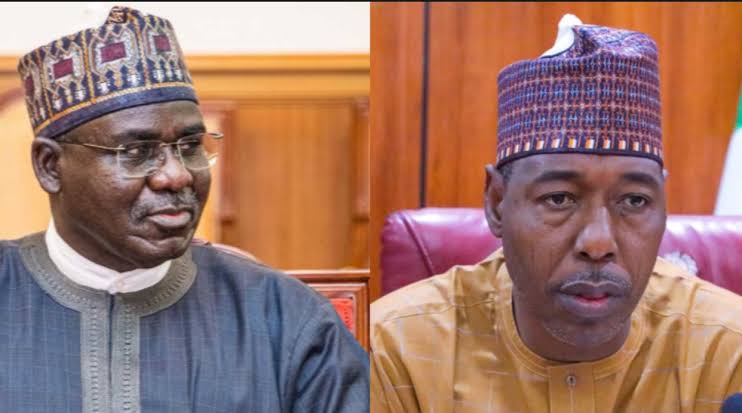
TY BURATAI HUMANITY CARE FOUNDATION COMMENDS GOVERNOR ZULUM FOR HELPING MILITARY FAMILIES
The TY Buratai Humanity Care Foundation has commended Borno State Governor Babagana Umara Zulum for his generous donation of ₦150 million to the families of three military officers who were tragically killed in recent attacks. Each family received ₦50 million as part of the state’s continued commitment to supporting fallen heroes and wounded personnel involved in counter-insurgency operations.
The commendation was contained in a statement signed by the foundation’s chairman, Ibrahim Dahiru Danfulani Sadaukin Garkuwan Keffi/Betara Biu, and made available to the press.
The foundation expressed gratitude for the governor’s compassionate gesture, which included personal visits to the families of the late Lieutenant Colonels Umar Farouq, Salihu Iliyasu, and Aliyu Saidu Paiko in Abuja, Niger, and Kano States. During the visits, Governor Zulum offered his condolences and praised the service, sacrifice, and patriotism of the fallen officers.
The foundation’s Grand Patron, His Excellency, Lieutenant General Tukur Yusufu Buratai, CFR (Rtd), personally commended the governor’s dedication to improving the lives of Borno State residents. He also extended his condolences to the families of the officers and soldiers who made the ultimate sacrifice in service to the nation.
During his visits, Governor Zulum reaffirmed his administration’s commitment to supporting bereaved families, which includes offering scholarships to the orphaned children of fallen personnel. He pledged to extend similar visits to other affected families, underscoring a compassionate approach to addressing the needs of those who have suffered in the line of duty.
society
Queen Amb Dr. Nwamaka Cordelia Anyatonwu Appointed Minister of Humanitarian, Culture, and Kingdom Affairs, United Kingdom of Atlantis
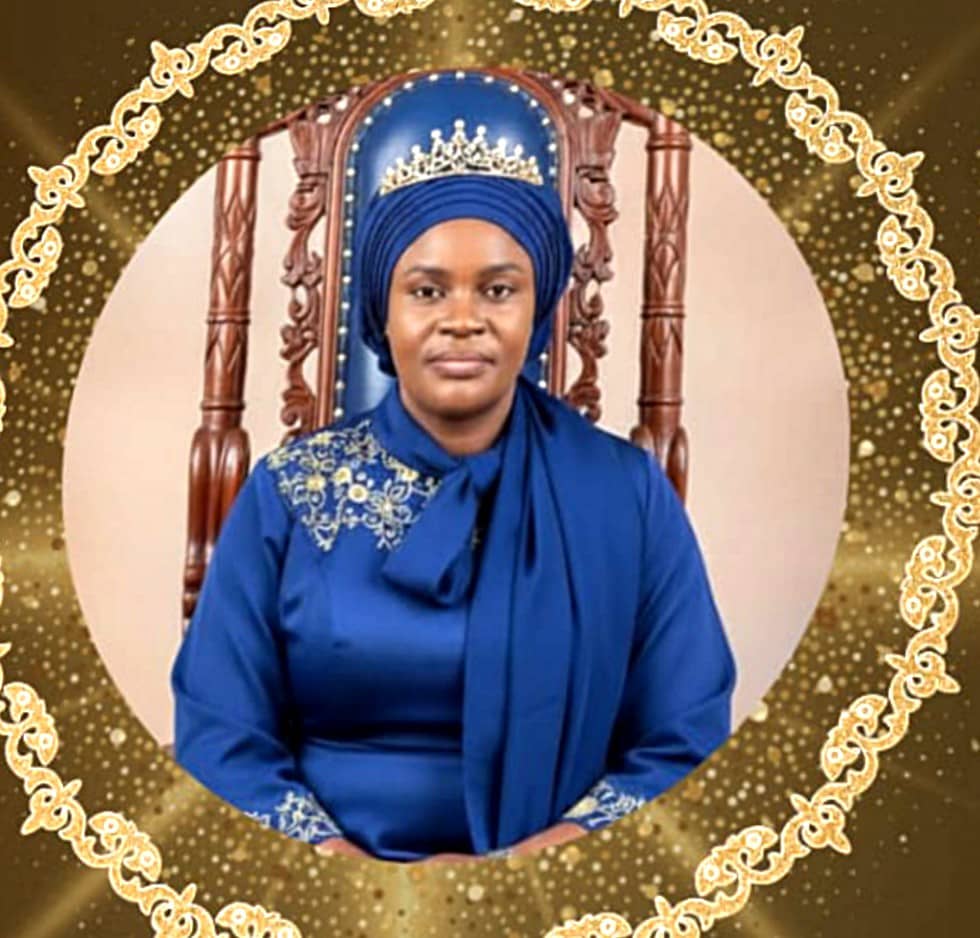
*Queen Amb Dr. Nwamaka Cordelia Anyatonwu Appointed Minister of Humanitarian, Culture, and Kingdom Affairs, United Kingdom of Atlantis
Her Majesty Queen Amb Dr. Nwamaka Cordelia Anyatonwu, Queen of the Aches Empire under the jurisdiction of the United Kingdom of Atlantis (UKA), has been appointed as the Minister of Humanitarian, Culture, and Kingdom Affairs, effective immediately.
This appointment comes as the UKA takes decisive steps to strengthen its humanitarian efforts and protect its citizens from unauthorized activities. In light of recent developments, the UKA has issued an official public disclaimer cautioning citizens, followers, and the general public about the activities of individuals promoting and operating a coin or platform not officially recognized by the Atlantian Gold Coin (ATC). This follows the hijacking of the 5 billion humanitarian project, a move that has been met with concern and condemnation from the international community.
As the newly appointed Minister, Queen Amb Dr. Anyatonwu has announced that all matters pertaining to the 5 billion humanitarian project in UKA should be directed to her office. This includes the newly captured NGOs, which are now required to report to the Office of Humanitarian Affairs, ensuring transparency and accountability in the management of humanitarian resources.
“We are committed to transparency and accountability in our humanitarian efforts,” said Queen Amb Dr. Anyatonwu. “We urge all stakeholders to work with us to ensure the success of our initiatives and protect our citizens from unauthorized activities. We will not tolerate any form of exploitation or mismanagement of humanitarian funds, and we will take all necessary measures to ensure that those responsible are held accountable.”
The UKA has assured its citizens and the international community that it is taking all necessary measures to recover the hijacked funds and bring the perpetrators to justice. The appointment of Queen Amb Dr. Anyatonwu is seen as a significant step towards achieving this goal and ensuring that humanitarian efforts are aligned with the UKA’s values and principles.
For more information. Please contact the Office of the Minister of Humanitarian, Culture and Kingdom Affairs.
*About the United Kingdom of Atlantis*
The United Kingdom of Atlantis is a sovereign nation committed to promoting peace, prosperity, and humanitarian values. The UKA is dedicated to working with international partners to address global challenges and improve the lives of its citizens and people around the world.


-

 society6 months ago
Religion: Africa’s Oldest Weapon of Enslavement and the Forgotten Truth
-

 news4 months ago
WHO REALLY OWNS MONIEPOINT? The $290 Million Deal That Sold Nigeria’s Top Fintech to Foreign Interests
-

 society6 months ago
“You Are Never Without Help” – Pastor Gebhardt Berndt Inspires Hope Through Empower Church (Video)
-

 celebrity radar - gossips2 months ago
Dr. Chris Okafor Returns with Power and Fire of the Spirit -Mounts Grace Nation Altar with Fresh Anointing and Restoration Grace on February 1, 2026