
society
Retired CP Ikechukwu Aduba Launches A Book, Authenticates The History Of Igboland And Origin Of Onicha Ado

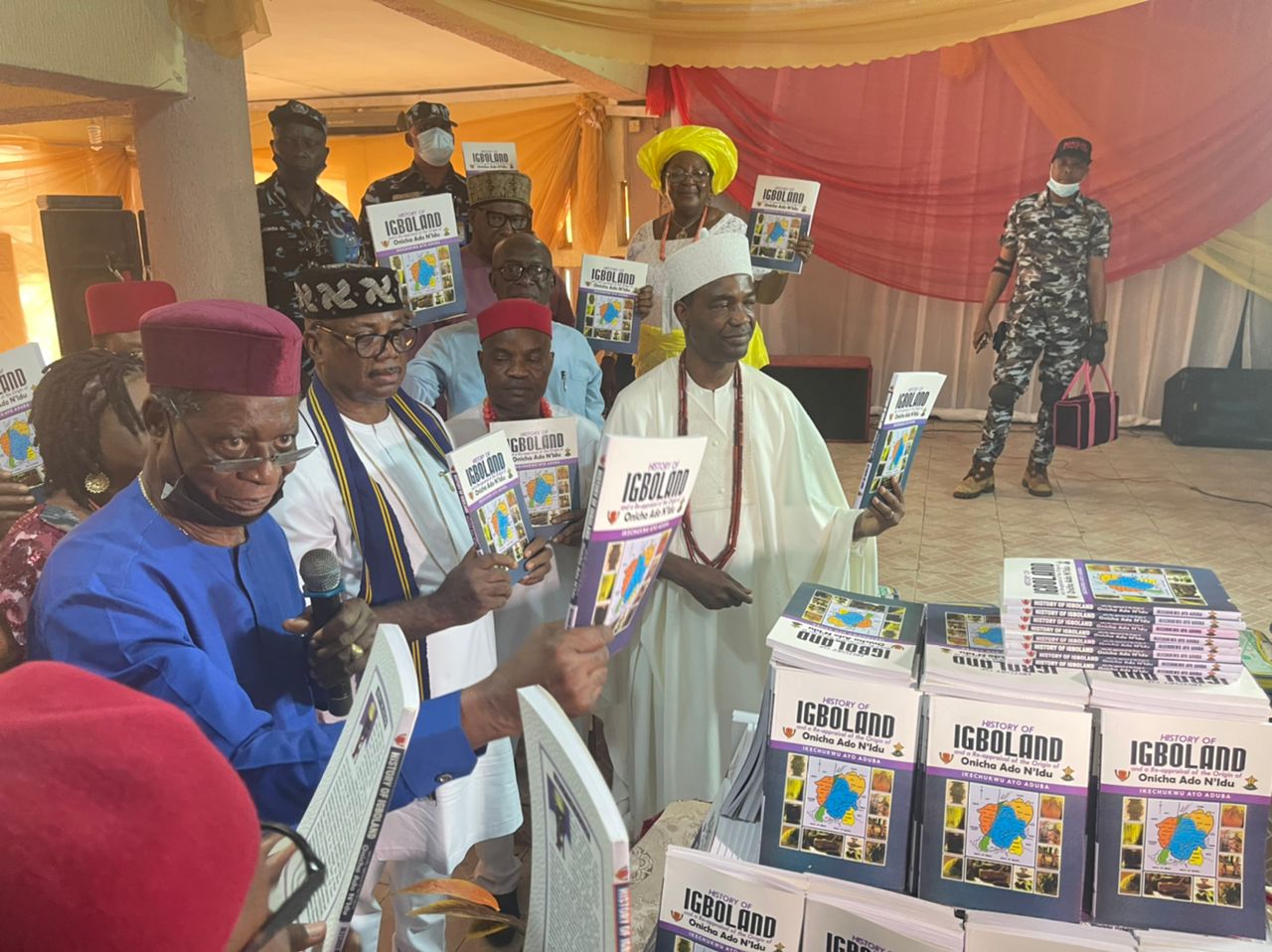
Retired CP Ikechukwu Aduba Launches A Book, Authenticates The History Of Igboland And Origin Of Onicha Ado
Overtime, the origin of Igbos have been a topic of discussion with different opinions by different scholars. In a bid to weigh in and bring clarity to the subject matter, the Retired Commissioner of Police Ikechukwu Aduba wrote the book ‘History or Igboland and a reappraisal of the origin of Onicha Ado N’Idu.

The book was launched over the weekend and was held in Onitsha, Anambra State was attended by the who is who of the Igbo community as well as renowned scholars and professors. Coordinator of the Book Launch committee Dr Walter Emerole welcomed everyone to the event and talked briefly about the efforts that have been put in place to make the event a reality.
Ikechukwu Aduba while making his author’s remarks succinctly stated that his radical shift from the old understanding of Igbo history and the origin of Onitsha people is to bring clarity on the subject matter. Aduba debunked through extensive research, the claim by Onitsha people that they migrated from Benin in the present-day Edo State. He wrote that there is no evidence either based on culture, religion or ancestry that supports the claim which he said is at most a myth.
According to him, neither culture, religion nor ancestry supports this claim.
After reviewing accounts of previous historians, Aduba noted that none of them could state the exact date of Onitsha migration from Benin, nor the monarch in power when the movement took place.
Most importantly, he observed, Chima who was the Onitsha ancestor that led the migration did not feature in Edo tradition. He also wrote: “There are more differences than similarities in Benin and Onitsha political arrangements.
“In Benin tradition, the ruler is called Oba, but in Onitsha Obi. The Royal regalia of both monarchs not the same. In Onitsha King list, there is no Edo name. Onitsha indigenes called their queen mother Omu while in Benin, she is called Idia”.
Instead, citing works of great historians and anthropologists, like V. C. Uchendu, Adiele Afigbo and Onwuejeogu, Aduba concluded that it may be that “Onitsha people originally belonged to Northern Igbo while the group which eventually became ruling lineage migrated from area in Western Igboland which was within the influence of Benin, bringing with it something of Benin pattern of kingship, titled hierarchy and other political institutions”.
Another concept debunked in the book by Aduba is that of Igbo Enweghi Eze (Meaning The Igbos Have No King) he believes this is both biased and lack of sufficient knowledge about the nature of Igbo politics.” The idea, he reasoned could have emanated from an autonomous homeland.
The Chairman of the occasion Chief Dr. Simon Okeke advised everyone to read this literary work as it epitomizes detailed research done by renowned scholars.
Other notable guests at the event include: Chief Chuck Nduka-Eze (Chief Launcher) Professor U.D Anyanwu who delivered a resounding keynote address. Professor Johnclif Nwadike did a fantastic review of the book in local ibo dialect, pointing at the touch points and areas to take note of as it relates to Igbo origin. Special lecture was delivered by professor Chidi Osuagwu . Guests duly represented were Barr. Nnamdi Ibegbu (SAN), Ugwumba Uche Nwosu, amongst others.
The closing remarks and vote of thanks was delivered by Chuks Anyaduba who let the audience know that the book is available for purchase online at Amazon via the following link:





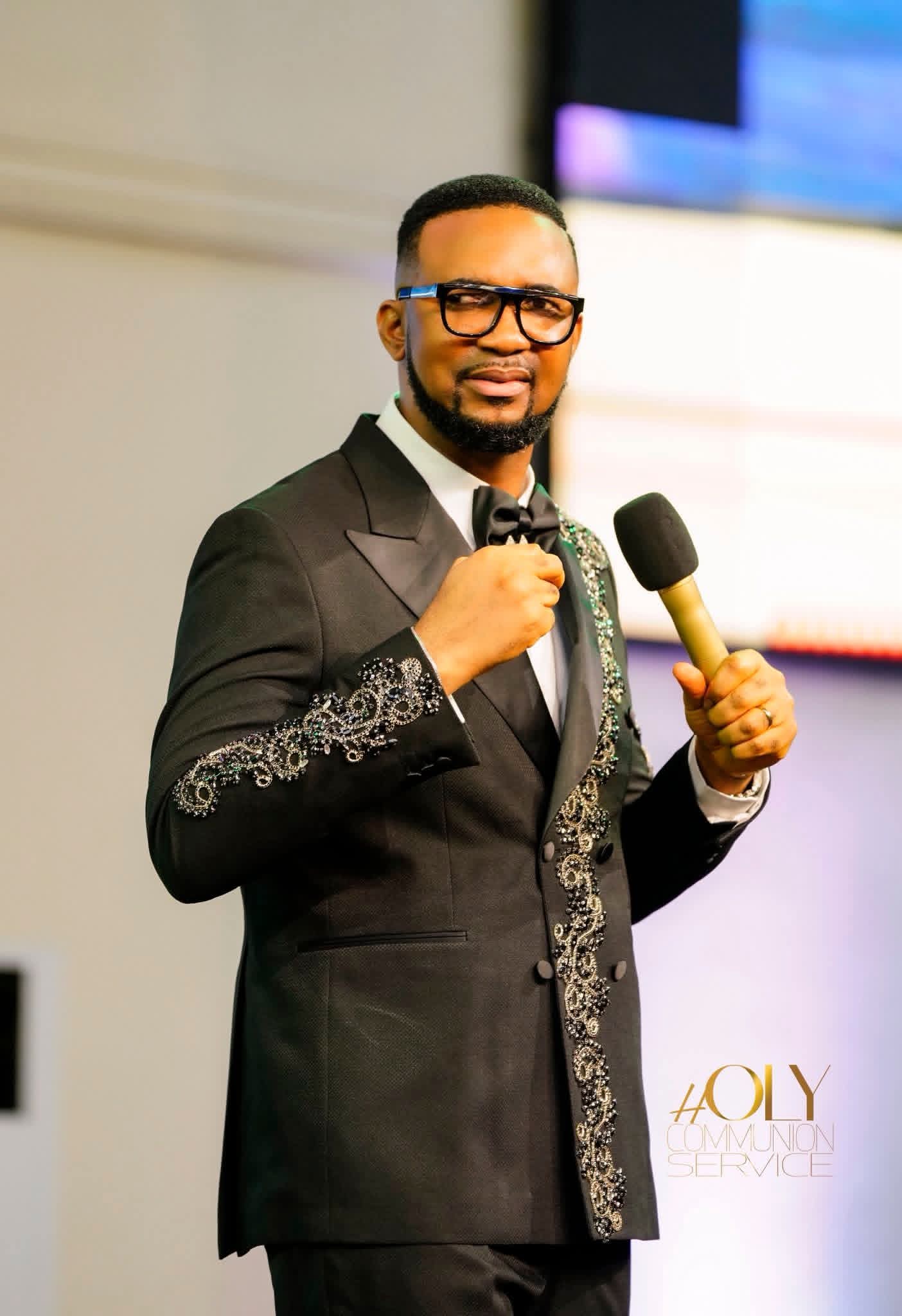
“Jesus Christ is the Way, the Truth, and the Life.” — Dr. Chris Okafor
Grace Nation Worldwide marked a special occasion as members gathered at the international headquarters in Lagos, Nigeria, to celebrate the birthday of the Generational Prophet and Senior Pastor, Christopher Okafor, who turned a year older on April 4, 2026.
A Service of Thanksgiving and Celebration
The atmosphere was filled with gratitude as sons and daughters of the ministry came together to appreciate God for the life and impact of their spiritual leader.
The celebration featured a variety of activities, including special musical renditions, Bible recitations, choreography presentations, and a vibrant praise and worship session led by the Liberation Voices.
The highlight of the event was the ceremonial cutting of the birthday cake, followed by joyful celebration and thanksgiving, all dedicated to the glory of God.
Teaching on the Death and Resurrection of Christ ,Earlier in the day, the service also commemorated the resurrection of Jesus Christ, with Dr. Okafor delivering a message on “The Death and Resurrection of Jesus Christ.”
In his teaching, he described the sacrifice of Christ at Calvary as the foundation of the Christian faith.
“The death of Jesus represents the depth of God’s love for humanity,” he said, while emphasizing that the resurrection is the ultimate confirmation and strength of the believer’s faith.
The State of Humanity Before Redemption
Dr. Okafor explained that before the sacrifice of Christ, humanity was bound by sin, subject to judgment, and separated from God. He highlighted the consequences of the fall of man, including spiritual loss and the inevitability of judgment.
The Purpose of Christ’s Sacrifice
According to the cleric, the death and resurrection of Jesus Christ brought restoration and reconciliation between God and humanity.
“When a person is restored to God, life becomes meaningful,” he noted, adding that the sacrifice of Christ signifies the forgiveness of sin and a new beginning for believers.
A Message of Hope
In conclusion, Dr. Okafor stated that the resurrection of Jesus Christ provides believers with the opportunity to live a fruitful and abundant life, anchored in faith and divine purpose.
The combined celebration of his birthday and the message of Easter created a moment of reflection, joy, and renewed commitment among members of Grace Nation Worldwide.


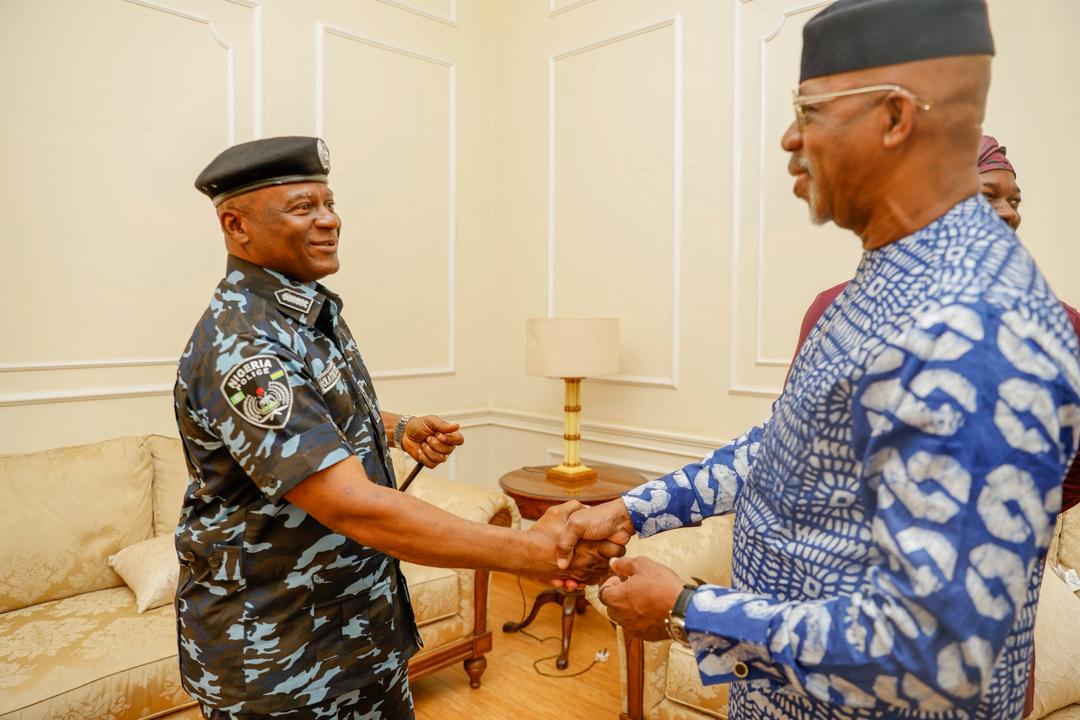
IGP Disu Unveils New Security Vehicles, Bikes In Ogun,
The Inspector-General of Police, Olatunji Rilwan Disu, on Saturday took centre stage at the commissioning of landmark projects in Ogun State, reaffirming the Nigeria Police Force’s commitment to strengthening national security and deepening collaboration with state authorities.
The high-profile event, attended by top government officials and security stakeholders, highlighted the strategic importance of security in driving development. Disu’s presence underscored ongoing efforts by the Police leadership to align operational priorities with infrastructural growth across the country.
A key highlight of the ceremony was the commissioning of new security vehicles and electric motorbikes aimed at boosting the operational capacity of security agencies in the state. The IGP commended the Ogun State Government for what he described as a proactive and forward-thinking approach to security, noting that the newly deployed assets would significantly enhance rapid response and patrol efficiency.
He stressed that effective policing remains central to maintaining peace and order, assuring residents that the Force would continue to evolve strategies to tackle emerging threats. According to him, the Nigeria Police Force is committed to working closely with both the Federal Government and sub-national authorities to ensure the safety of lives and property.
Disu further called on members of the public to support security agencies by providing timely and credible information, describing community cooperation as vital in combating crime and sustaining a secure environment.
The Police leadership also expressed appreciation to the Ogun State Government and other dignitaries for their continued partnership, noting that such collaboration is essential to advancing security initiatives and fostering national development.



*PDP Stalwart, Fagbemi, Resigns From Party in Ogbomoso South*
A former Secretary of Ogbomoso South Local Government, Temidayo Fagbemi, has formally resigned his membership of the Peoples Democratic Party.
Fagbemi, a major financier of the PDP in the area, tendered his resignation in a letter addressed to the Ward Chairman of the party in Ijeru II, Ogbomoso South.
In his letter, Fagbemi stated that leaving the party he had diligently supported, contributing to PDP’s victories at both the state and local government levels for two consecutive terms, was a difficult but necessary decision.
He wrote: “I, Temidayo Fagbemi, hereby submit my resignation as a member of the PDP.”
“My decision to leave the party, which I worked hard to support and helped secure victory at both the state and local levels for two consecutive terms, is not an easy one. However, it has become necessary.”
He thanked party leaders for the years of shared political engagement and wished them success in their forthcoming primaries.
His resignation marks a significant development within the Ogbomoso South PDP, given his influence, contributions, and long-standing role in strengthening the party’s structure.


-

 society7 months ago
Religion: Africa’s Oldest Weapon of Enslavement and the Forgotten Truth
-

 news4 months ago
WHO REALLY OWNS MONIEPOINT? The $290 Million Deal That Sold Nigeria’s Top Fintech to Foreign Interests
-

 society6 months ago
“You Are Never Without Help” – Pastor Gebhardt Berndt Inspires Hope Through Empower Church (Video)
-

 celebrity radar - gossips2 months ago
Dr. Chris Okafor Returns with Power and Fire of the Spirit -Mounts Grace Nation Altar with Fresh Anointing and Restoration Grace on February 1, 2026