
society
Second-Class Citizens? The Diaspora Vote, Tinubu’s Vote-or-Jail Bill, and the Hypocrisy of APC’s Electoral Reform

Second-Class Citizens? The Diaspora Vote, Tinubu’s Vote-or-Jail Bill, and the Hypocrisy of APC’s Electoral Reform
By George Omagbemi Sylvester
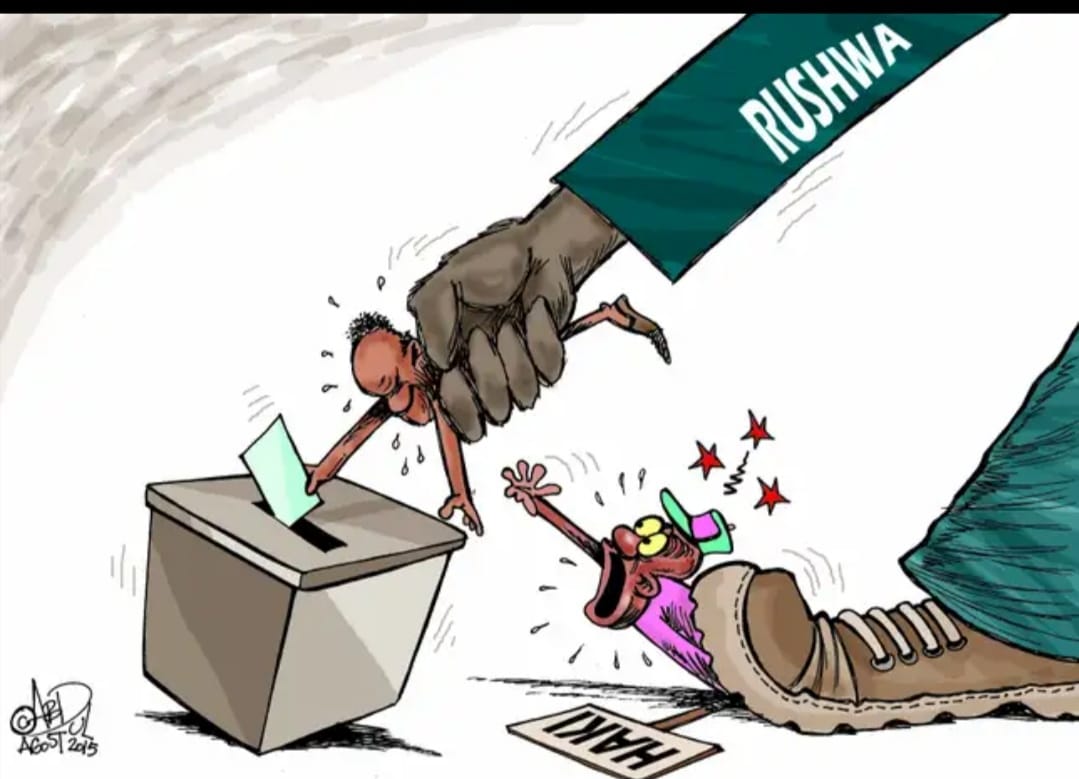
In a baffling twist of priorities, the All Progressives Congress (APC)-led administration under President Bola Ahmed Tinubu has reportedly passed a bill mandating the arrest of any Nigerian who fails to vote in an election. While the idea of compulsory voting may appeal to those who advocate civic responsibility, it reeks of hypocrisy in a country where over 20 million Nigerians in the diaspora are systematically excluded from the democratic process. If non-voting is now a crime, then disenfranchisement must be a constitutional violation. If we are to arrest citizens for not voting, should we not first arrest the system that refuses to allow them to vote?

The Absurdity of Forcing Participation Without Inclusion
Compulsory voting laws are often seen in countries like Australia and Belgium, nations with functioning democracies, credible electoral processes and inclusive systems. Nigeria, in contrast, suffers from endemic voter apathy, widespread disenfranchisement and most damning of all, the intentional exclusion of the diaspora community from elections. A government that cannot ensure the votes of its overseas citizens has no moral standing to criminalize non-voters within its borders.
Nigeria has one of the largest diaspora populations in the world, estimated at over 17 to 20 million people across the globe. These are not passive exiles but hardworking, patriotic Nigerians who send back over $20 billion annually in remittances, funds that have become more reliable than crude oil in supporting the national economy. According to the World Bank, remittances from the Nigerian diaspora reached $20.13 billion in 2022, surpassing Foreign Direct Investment (FDI) and Official Development Assistance (ODA) combined. Yet, these same Nigerians are locked out of the very political system they sustain.

Are We Not Nigerians Too?
Diaspora Nigerians pay taxes indirectly through various fees, contribute to economic growth, invest in real estate and help fund education, healthcare and infrastructure back home. Many hold dual citizenships but remain proudly Nigerian in identity and action. Why then are they denied the right to vote?
The 1999 Constitution of the Federal Republic of Nigeria, as amended, grants all Nigerian citizens the right to vote. Nowhere does it state that this right is extinguished once one boards an international flight. The deliberate failure to enact a Diaspora Voting Bill despite multiple legislative attempts exposes the political cowardice and electoral insecurity of the ruling elite.
In 2021, the House of Representatives rejected the diaspora voting bill, citing logistical concerns and national security risks. Yet, the same government can organize foreign loans in China, sign oil deals in Saudi Arabia and chase dubious investments in Dubai but cannot secure a few polling booths in London, Washington or Johannesburg? That is not logistical incapacity, it is willful disenfranchisement.
The Irony of APC’s Vote-or-Jail Law
The idea that Nigerians who refuse to vote could face arrest or criminal prosecution is as authoritarian as it is absurd. Voting is a right and not a military order. It is not enough to say “vote or go to jail,” especially when the electoral environment is riddled with violence, vote-buying, rigging and voter suppression.
According to Yiaga Africa, the 2023 general elections witnessed widespread irregularities, including result manipulation, voter intimidation and the failure of INEC’s Bimodal Voter Accreditation System (BVAS). In Lagos, thugs brazenly warned Igbo voters not to cast their votes or face attack. Is this the democracy citizens are being jailed to participate in?
Moreover, forcing people to vote in a system where their votes do not count amounts to state-sanctioned psychological torture. Instead of threatening jail time, the Tinubu administration should be fighting tooth and nail to make every vote count, including votes from the diaspora.
Global Standards vs Nigerian Exceptionalism
Countries like Ghana, South Africa, Kenya and even war-torn nations like Somalia have extended voting rights to their diaspora citizens. Ghana passed the Representation of the People (Amendment) Act, 2006 (ROPAA) to allow Ghanaians abroad to vote. In South Africa, the Electoral Amendment Act of 2003 enables South African citizens living overseas to participate in national elections.
Why is Nigeria, Africa’s self-proclaimed giant still dragging its feet? The answer is simple: the diaspora is unpredictable, informed and not easily manipulated. They are more likely to vote based on performance and integrity rather than tribal loyalty or stomach infrastructure. In short, they pose a threat to the status quo.
Intellectual and Moral Backing
Nobel Laureate Prof. Wole Soyinka once stated, “The man dies in all who keep silent in the face of tyranny.” Denying diaspora Nigerians the right to vote while jailing those at home for non-voting is nothing short of tyrannical hypocrisy. Likewise, Chinua Achebe, in his seminal work The Trouble with Nigeria, wrote, “The trouble with Nigeria is simply and squarely a failure of leadership.” No quote better encapsulates the present situation.
Constitutional lawyer Femi Falana (SAN) has repeatedly called for diaspora voting, stating in 2021 that “It is unjust and unconstitutional to deny Nigerians abroad the right to vote simply because they do not reside within Nigeria.”
Political scientist Dr. Chidi Odinkalu echoed this view, arguing that “The refusal to allow Nigerians in the diaspora to vote is a strategic denial of political participation aimed at protecting electoral hegemony.”
The Path Forward: A Call to Action
It is time to turn outrage into organized advocacy. The Nigerian diaspora must mobilize through legal channels, civil society, diplomatic pressure and international human rights organizations to demand their inclusion in national elections. The Independent National Electoral Commission (INEC) must be compelled by law to create secure, transparent voting platforms for diaspora Nigerians, starting with presidential elections.
Furthermore, we must hold our legislators accountable. The National Assembly must be reminded that their salaries are partly funded by diaspora remittances. If they refuse to legislate in the interest of all Nigerians, then perhaps it’s time to demand term limits, electoral recall laws and public referenda.
One Nation, One Vote?
If Nigeria wants to criminalize non-voting, it must first legalize voting for all its citizens at home and abroad. We cannot be expected to carry the nation’s economy on our backs while being excluded from shaping its political destiny. This is not only unjust; it is undemocratic, unconstitutional and unpatriotic.
The Tinubu administration must be reminded: citizenship is not geographical, it is constitutional. Until the diaspora is given a voice in the ballot box, any talk of compulsory voting is nothing but a charade dressed in legal robes.
To paraphrase the late Nelson Mandela, “To deny people their human rights is to challenge their very humanity.” The Nigerian diaspora is not asking for a favor, we are demanding our fundamental rights.
We are Nigerians.
We vote with our money.
We vote with our ideas.
Now, let us vote with our ballots.





NASRE: Building A Safety Net For Nigeria’s Journalists
At a time when Nigeria’s media industry is strained by economic uncertainty, job instability, and shrinking newsroom resources, the Nigerian Association of Social and Resourceful Editors (NASRE) is redefining professional solidarity. More than a network of editors, it is emerging as a critical support system for journalists navigating an increasingly precarious landscape.
Founded on the principles of welfare, solidarity, and professional growth, NASRE has positioned itself as a responsive and forward-looking body within the media ecosystem. While many professional associations remain focused on advocacy and training, NASRE distinguishes itself by combining these roles with direct and practical support for journalists and their families.
At the core of its mission is a clear proposition that no journalist should be abandoned in times of need. Through financial assistance, targeted outreach, and sustained engagement, the association has supported members facing hardship, as well as widows and families of deceased practitioners. These largely understated interventions have steadily earned NASRE credibility and respect across the industry.
The organisation’s approach reflects a keen awareness of the pressures confronting media professionals, including irregular pay, job insecurity, and limited institutional backing. In such an environment, NASRE’s welfare initiatives are not merely charitable, they are essential.
Beyond welfare, the association is investing in professional resilience. Through collaboration, networking, and knowledge-sharing platforms, it is equipping editors and practitioners to remain competitive in a rapidly evolving digital media space, where adaptability is no longer optional.
Headquartered in Lagos, NASRE continues to broaden its reach, attracting a growing membership united by the need for a more responsive and supportive professional community. Its expansion signals a shift in expectations within the industry, away from symbolic affiliations towards institutions that deliver measurable value.
For many observers, NASRE represents a necessary evolution, a professional body anchored not just in ideals, but in impact. By combining empathy with structure, it offers a model of what media associations can become in challenging times.
As the industry continues to evolve, organisations like NASRE may prove indispensable. In a profession devoted to telling society’s stories, it is ensuring that the storytellers themselves are not left behind.
Oluremi Tinubu Hosts Wife of New IGP, Talks Welfare, Empowerment for Police Families
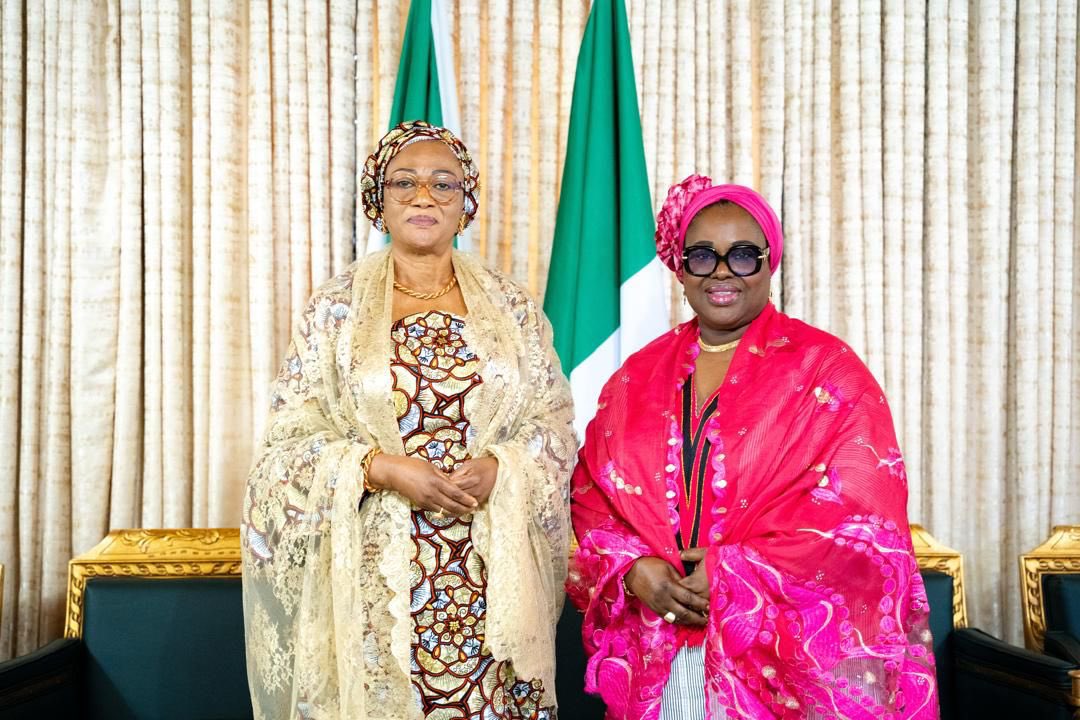
The First Lady of the Federal Republic of Nigeria, Senator Oluremi Tinubu, today welcomed Mrs. Mutiat Disu, wife of the Inspector General of Police, at the State House in Abuja.

During the meeting, the First Lady encouraged Mrs. Disu to continue championing the welfare and wellbeing of police officers’ families, especially through impactful support for their wives.
Speaking after the meeting, Mrs. Mutiat Disu shared her excitement about partnering with the First Lady’s Renewed Hope Initiative (RHI), noting that she is ready to leverage its programs to empower police officers’ wives across the country.
Mrs. Disu, who also serves as the National President of the Police Officers’ Wives Association (POWA), described the meeting as insightful and inspiring. She emphasized her commitment to using RHI platforms to improve healthcare, welfare, and economic empowerment for POWA members nationwide.
“The purpose of this visit is to tap into her wealth of experience and explore how POWA can benefit from her programs,” she said.
She added that her engagement with the First Lady has already provided valuable direction, especially in areas of social intervention and healthcare support for police families.
“I’m ready to work closely with Mama to ensure our women benefit fully, especially since RHI focuses on uplifting women, and POWA is largely made up of women.”
Mrs. Disu assumed leadership of POWA following the appointment of Tunji Disu as Inspector General of Police on February 24, 2026, succeeding Kayode Egbetokun.
Police Day 2026: IGP Disu Leads Nationwide Walkathon To Strengthen Community Trust
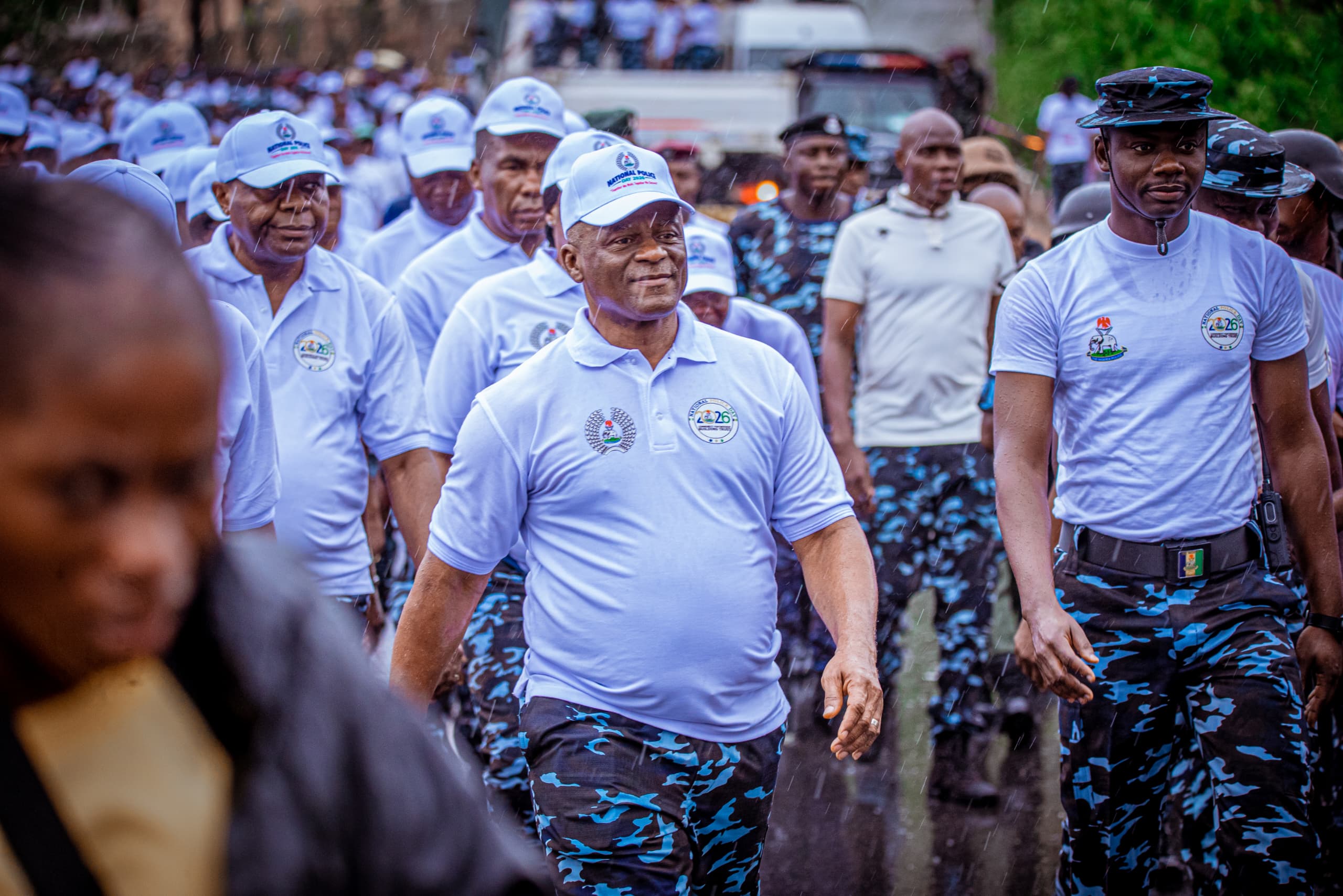
The Inspector-General of Police, Olatunji Disu, on Tuesday led the management team, alongside officers and personnel of the Nigeria Police Force, in a nationwide walkathon to commemorate the 2026 National Police Day.
The event, held across state capitals and the Federal Capital Territory, formed part of activities marking Day Two of the annual celebration, themed “Community Partnership: Building Trust.”
The symbolic exercise, which drew participation from both police personnel and members of the public, was aimed at showcasing unity, discipline, and a renewed commitment to community policing and public safety.
According to the Force leadership, the walkathon underscores the Nigeria Police Force’s resolve to strengthen public trust, deepen engagement with citizens, and enhance collaboration in tackling security challenges across the country.
Participants described the initiative as a practical step toward bridging the gap between law enforcement and the communities they serve, while also promoting physical fitness and mental well-being among officers and civilians alike.
With the theme reflecting a shared responsibility for safety, the Police reiterated that sustainable security can only be achieved through active partnership with the public.
The event concluded with a renewed call for collective action under the banner: “Together We Walk, Together We Secure,” emphasizing unity of purpose in building a safer and more secure society for all Nigerians.


-

 society6 months ago
Religion: Africa’s Oldest Weapon of Enslavement and the Forgotten Truth
-

 news4 months ago
WHO REALLY OWNS MONIEPOINT? The $290 Million Deal That Sold Nigeria’s Top Fintech to Foreign Interests
-

 society6 months ago
“You Are Never Without Help” – Pastor Gebhardt Berndt Inspires Hope Through Empower Church (Video)
-

 celebrity radar - gossips2 months ago
Dr. Chris Okafor Returns with Power and Fire of the Spirit -Mounts Grace Nation Altar with Fresh Anointing and Restoration Grace on February 1, 2026