
Politics
South East Development Commission: Rt Hon Ben Kalu’s Masterstroke By Ogo Okereke

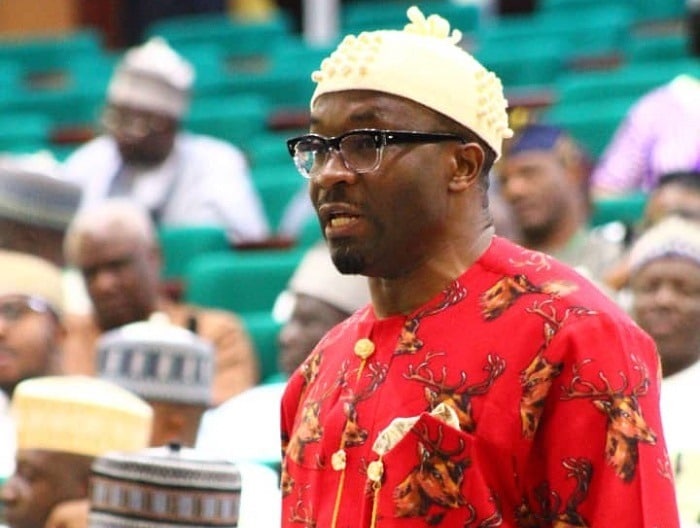
South East Development Commission: Rt Hon Ben Kalu’s Masterstroke
By Ogo Okereke
Fifty five years after the civil war, the lingering effects of the war is still visible among the Igbo. Ndigbo being the worst hit of the civil war, still bear scars from the war,with ongoing displacement, poverty, trauma, environmental degradation, security concerns, infrastructural deficit and marginalization.
At one time or the other, past Nigerian presidents made varying efforts to address the negative effects of the civil war on the Igbo people, but they all left limited impact.
The most striking was the 3R sophistry by General Yakubu Gown in January 1970. Gowon had assured the world that there would be Reconciliation, Rehabilitation and Reconstruction (3R), of the Igbo land,as a result of the war ravages, but 54 years after, the South East has witnessed the direct opposite of the 3Rs, even in exponential proportion.
In a similar move, General Olusegun Obasanjo, established the South East Development Initiative(SEDI), to address regional development challenges, but the challenges still persisted.
Alhaji Shehu Shagari made a corresponding effort in his launching of the Presidential Task Force on Rehabilitation and Reconstruction, for the sole purpose of addressing the civil war’s effects, but the impact was small scaled,due to his short tenure in office.
Other efforts by Gen Ibrahim Babangida,spanned across the introduction of the National Commission for Refugees,Displaced Persons and Rehabilitation to confront the plight of war-affected communities.
Gen Sabi Abacha, came up with the National Council on Rehabilitation and Reconstruction, while President Good luck Ebele Jonathan, launched the Presidential Committee on Dialogue and Peace in the Niger Delta, which included initiatives for the South East. He also established the Alvan Ikoku Federal College of Education, to promote education in the region.
President Muhammadu Buhari in his own dimension to tackle the region’s infrastructure deficit, began the construction of the second Niger bridge, the Enugu-Portharcourt Expressway and also, formed the Presidential Committee on South East Initiative (PCSEI), to handle the regional development challenges.
While these attempts were aimed to grapple with the negative effects of the civil war, they have been criticized for being inadequate,slow paced or politicized. The South East region still demands sustained attention and investment to fully handle the effects of the civil war. These were the pitfalls of past efforts to reposition the region.
None of the struggle by past national leaders could actualize the setting up of a South East Development Commission(SEDC), that will solely tackle head on the numerous challenges facing Ndigbo from education,healthcare, marginalization, security, infrastructure, and others.
Several Igbo leaders had equally attempted to bring the South East Development Commission Bill to Law, but Rt Hon Benjamin Kalu’s efforts remained phenomenon.
Let me quickly give an overview of the actions of some of our Igbo representatives in actualizing this course,so you could appreciate better, the leadership excellence of the current Deputy Speaker of the House of Representatives.
Senator Ike Ekweremadu in 2015, sponsored a Bill similar to the SEDC, but it didn’t pass the second reading. Senator Enyinnaya Abaribe in 2017, introduced a Bill,but it stalled,due to lack of support. Governor Dave Umahi in 2018, advocated for a South East Development Commission,but his efforts were met with limited success. In 2019, the Ohanaeze Ndigbo, the highest socio-cultural organization in Igbo land, went a step higher in pushing for the actualization of SEDC, but it did not gain traction.
Rt Hon Benjamin Kalu in 2020, rewrote history, by successfully sponsoring the SEDC Bill which passed the second reading and eventually passed into Law in 2024. This can only be likened to GRACE.
Interestingly, the passage of the South East Development Commission Bill to Law, marks a significant milestone in the quest for a regional development and growth. The ground breaking legislation sponsored by the indefatigable number 6 citizen of the country,is a testament to his unwavering commitment to the welfare ane progress of the region. The combination of President Bola Ahmed Tinubu and the Deputy Speaker,Rt Hon Benjamin Kalu, broke the over 54 years jinx with the SEDC Law.
President Tinubu has shown a major departure from the Buhari’s regime, by signing the SEDC Bill into Law. This further shows his intention about the development of the South East region and his believe in building the nation in the fulcrum of fairness, equity and unity, hence his commitment to ensuring equitable development, inclusive governance,and the provision of qualitative services to all Nigerians, no matter where they reside,while knitting more tightly together the national fabric.
Like the North East Development Commission (NEDC), which brought tremendous transformation in the North East, especially on the area of humanitarian support (where Internally Displaced Persons and victims of insurgency were aided), education/healthcare support(schools and healthcare facilities are being built and upgraded), economic empowerment; through skills training, entrepreneurship support and job creations and initiatives. Environmental remediation of areas in the region suffering ecological issue, pollution,among other interventions, the South East Development Commission will facilitate the development of critical infrastructure such as roads,bridges and public buildings in the South East region. The commission can implement policies and programs to boost economic growth, create jobs, and provide access to credit facilities for entrepreneurs and small businesses. Under education and healthcare, the SEDC can invest in education and healthcare infrastructure, improving access to quality education abd medical care.
SEDC will address environmental degradation by cleaning up pollution,rehabilitating damaged ecosystems, and promoting sustainable practices.The commission will ensure Ndigbo have a stronger voice in national politics and decision-making processes.
It can promote and preserve Igbo language and culture, collaborating with security agencies to address insecurity challenges in the region, manage special intervention funds to address specific regional challenges.
The South East Development Commission can foster economic integration and cooperation among southeastern states, addressing historical injustices and lingering issues from the civil war, such as, rehabilitation of war-affected areas and compensation for victims.
While past efforts to reintegrate the Igbo people met minimal result, the SEDC which covers the five eastern states of Abia, Anambra, Ebonyi, Enugu and Imo, would go a long way to assuage the feelings of the Igbo with respect to the reconstruction and rehabilitation of roads, houses and other infrastructural damages suffered by the region, as well as,tackle ecological problems and other related environmental or development challenges in the region.
However, by addressing these issues, the SEDC would help to bridge the developmental gap, promote economic growth, and improve the overall well-being of Ndigbo.
The key point of discussion is that the South East Development Commission, stands out from previous initiatives, as it incorporates vital elements that guarantee its long-term viability and success,such as:
*Legislative Backing:The commission is legislatively backed, giving it a strong legal foundation and authority to operate.
*Structured approach: SEDC has a clear structure, mandate, and funding mechanism, ensuring a systematic approach to development.
*Regional focus:The commission is specifically focused on the South East region, addressing its unique challenges and needs.
*Inclusive representation: It has a board comprising representatives from each South East state, ensuring diverse perspectives and regional buy-in.
*Comprehensive scope: The commission’s mandate covers various aspects, including infrastructure, education, healthcare, and economic development.
*Sustained commitment:SEDC is designed to be a long-term initiative, ensuring consistent effort and progress.
*Community engagement:It encourages community participation and ownership, fostering grassroots support and inclusivity.
*Accountability mechanisms:It has built-in accountability mechanisms, ensuring transparency and effective use of resources.
Though past efforts, while well-intentioned, often lacked one or more of these elements, limiting their impact and sustainability. The SEDC law addresses these gaps, providing a robust framework for meaningful reintegration and development.
At this juncture, it won’t be out of place if I say that Rt Hon Benjamin Kalu is not playing politics of rice and wrappers, but diving into the mainstream of governance, which goes beyond just touching the lives of an individual or group of people. Myopic critics would seek for mere empowerment for a set of people, but a strategic thinker, seeks for lasting avenues that could create endless opportunities for the entire region. He has created a platform for coordinated development, empowering the region to unlock its vast potential. “What no past Igbo leader could ever achieve, Ben Kalu broke the jinx”.
He made a historic achievement that can positively impact the lives of millions, leaving a lasting legacy. He prioritized the region’s interest over his personal gain and has established a precedent for future leaders to follow, encouraging them to prioritize regional development.
BOK as he is fondly called by friends, has demonstrated foresight and understanding of the needs of his region with an unwavering commitment,which showed dedication and perseverance in pushing for the Bill’s passage,despite potential obstacles.
This goes ahead to remind me of the words of Zig Ziglar that says,”With hardwork and determination,you can achieve anything you set your mind to”.
His suave, assertive, sagacious, outspoken and visionary dispositions were highpoints in achieving the South East Development Commission and they remained a very inspiring and veritable source of hope for Ndigbo. “Indeed, Rt Hon Benjamin Kalu,is a beacon of hope and a pillar of transformation for the South East region”.
The South East Development Commission, a long-awaited initiative decades in the making, was finally brought to fruition by Rt Hon Benjamin Kalu and his team.




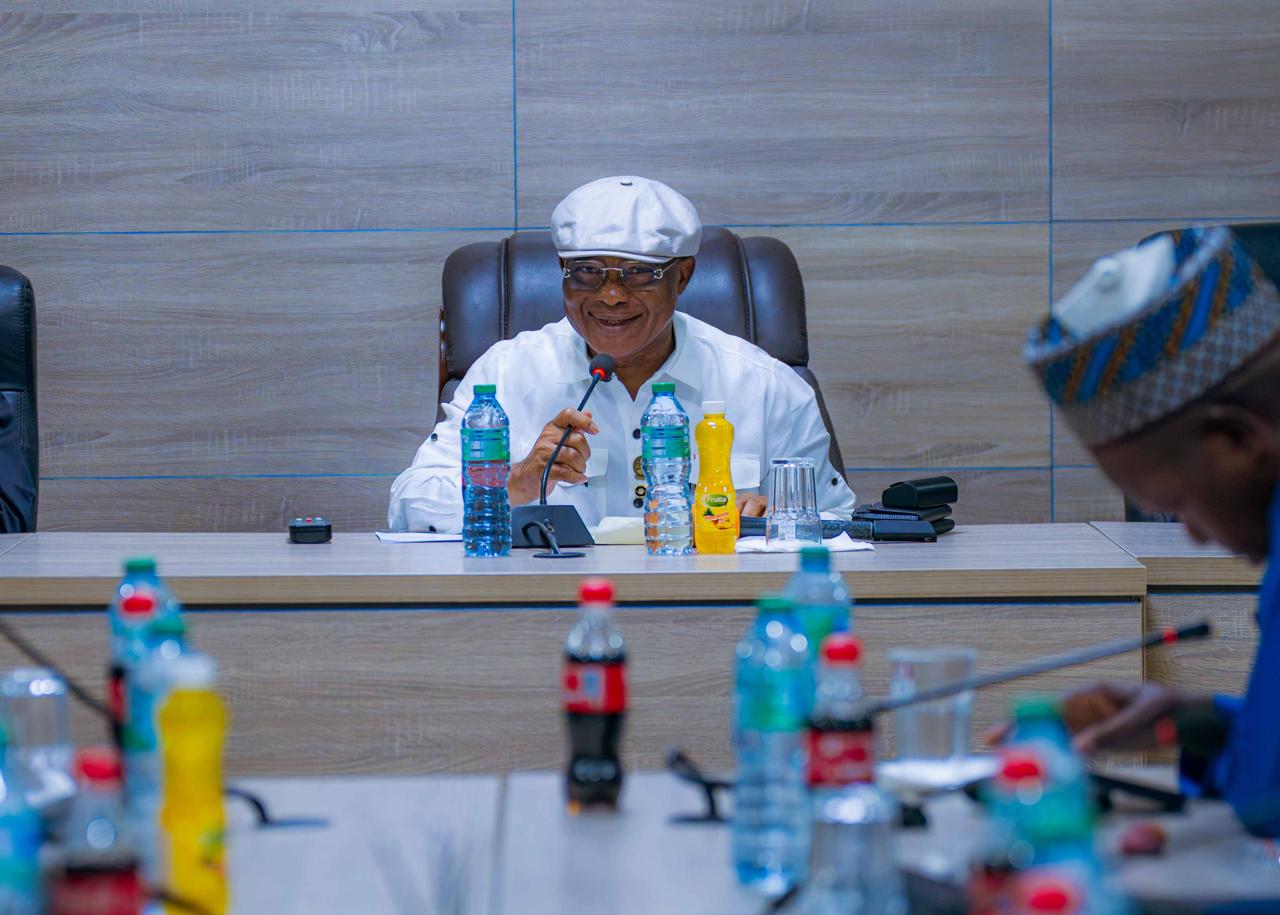
*Renewed Hope Ambassadors Step Into the Next Phase
Fresh from the successful APC 2026 National Convention, the Renewed Hope Ambassadors National, Zonal, and State leadership gathered in Abuja over the weekend, for its fourth strategic meeting, setting the tone for nationwide grassroots activation ahead of 2027.
Chaired by Governor Hope Uzodinma (Imo State) the Director General and National Coordinator of the Renewed Hope Ambassadors, alongside Deputy Director-General, Governor Uba Sani of Kaduna State, and Governor Inuwa Yahaya of Gombe State as Secretary, the session reinforced one clear direction: One Party. One Message. One Mobilization whilst also laying out a strategic roadmap for the activation of the network across all communities in Nigeria.
Backed by the strength of 31 APC-led states, the Renewed Hope Agenda is taking Bola Ahmed Tinubu’s message of progress and reform to every corner of Nigeria.
From bold economic restructuring to initiatives like NELFUND, the increase in the national minimum wage from ₦30,000 to ₦70,000, and strategic investments in critical sectors, including PNiCGI, the mission remains clear: helping Nigerians understand both the purpose and the progress of the Renewed Hope vision.
This is coordination at scale. This is grassroots engagement with purpose. This is the next phase of Renewed Hope with One Party, One Message, and One Mobilisation framework
#RenewedHopeAmbassadors #APC #WeAreAPC


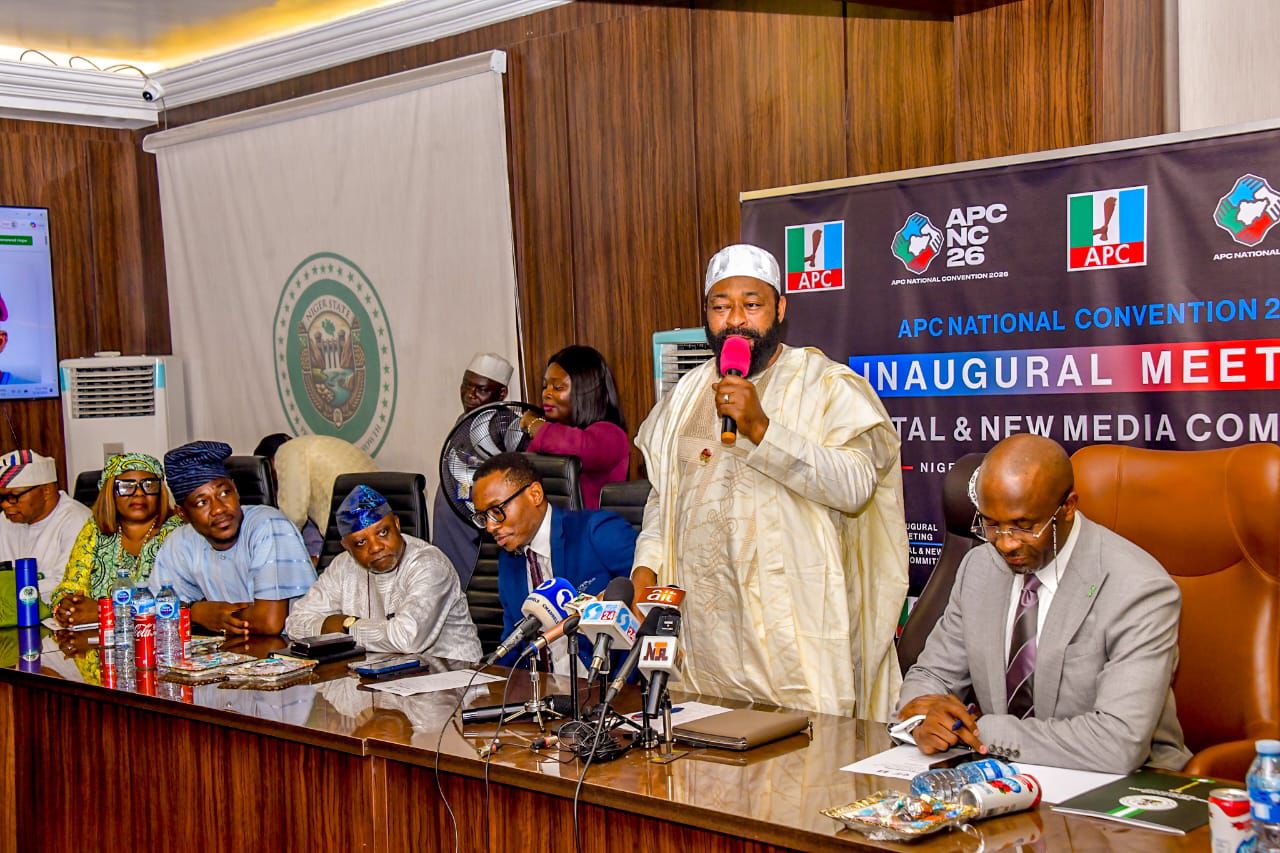
Governor Bago Inaugurates APC Digital Media Sub-Committee Ahead of National Convention.
Governor Umaru Bago has inaugurated the Digital Media Sub-Committee for the forthcoming National Convention of the All Progressives Congress (APC), scheduled to hold on March 27 and 28, 2026 in Abuja.
Chairing the sub-committee, Governor Bago tasked members with the responsibility of effectively communicating the party’s manifesto to the public.
He emphasized the need to leverage social media platforms to highlight the achievements and ongoing efforts of President Bola Ahmed Tinubu, noting that communication gaps have posed challenges that must now be decisively addressed.
The Co-Chair of the sub-committee, Hon. Benjamin Kalu, Deputy Speaker of the House of Representatives, echoed the Governor’s position, urging members to project the activities of both the party and the government to a broader audience.
He called for a deliberate and coordinated effort to showcase the party’s achievements and policy direction, stressing the importance of shaping a compelling and consistent narrative across all digital platforms.
Delivering a presentation to the committee, Otega Ogra, SSA to the President on New Media, who serves as Secretary of the sub-committee, outlined strategic focus areas to guide the team’s operations.
His presentation highlighted communication priorities and actionable steps to achieve the committee’s mandate and strengthen the party’s digital engagement.


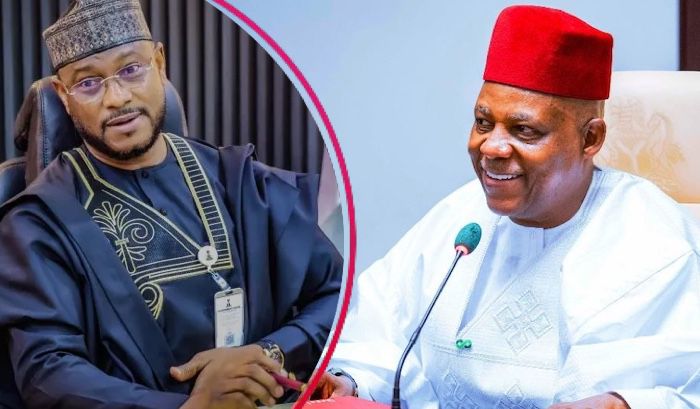
VP Shettima Set to Lead Delegation to Zamfara as Governor Dauda Lawal Formally Joins APC
The Zamfara State chapter of the All Progressives Congress (APC) has finalized plans to receive Vice President Kashim Shettima for the formal defection and reception of Governor Dauda Lawal into the ruling party, scheduled to take place on Tuesday.
State APC Chairman, Tukur Danfulani Maikatako, disclosed this during a high-level stakeholders’ meeting held in Gusau, the state capital. He noted that the Vice President would be joined by the party’s national leadership to mark what he described as a landmark political realignment in the state.
Maikatako expressed the party’s excitement over Governor Lawal’s return, recalling that Zamfara had historically been an APC stronghold and that the Governor was previously a bona fide member of the party before his earlier exit.
“We all know that Zamfara has long been one of the APC’s stronghold states, where the defected Governor was once a bona fide member. Now that he has decided to return home, having been satisfied that the APC remains his second choice after the one he left for obvious reasons,” Maikatako stated.
The Chairman called on all party faithful across the 147 wards in the state’s 14 local government areas to turn out en masse to honour the Vice President’s visit. He emphasized that the event was strategically positioned to bolster the party’s popularity and strengthen its structures ahead of the 2027 general elections.
In a strong appeal for unity, Maikatako urged members to set aside all factional tendencies, stressing that the APC remained one political family with shared goals, particularly the ambition to make Zamfara and Nigeria great again.
Echoing similar sentiments, a former state APC Chairman, Lawal M. Liman, appealed to members to cascade the message to their wards and local government areas. He reinforced the need for cohesion, noting that the party’s collective strength would be critical to achieving success in future elections.

All eyes are now on Gusau as the ruling party prepares for a high-profile political gathering expected to further consolidate its influence in Zamfara State.


-

 society6 months ago
Religion: Africa’s Oldest Weapon of Enslavement and the Forgotten Truth
-

 news4 months ago
WHO REALLY OWNS MONIEPOINT? The $290 Million Deal That Sold Nigeria’s Top Fintech to Foreign Interests
-

 society6 months ago
“You Are Never Without Help” – Pastor Gebhardt Berndt Inspires Hope Through Empower Church (Video)
-

 celebrity radar - gossips2 months ago
Dr. Chris Okafor Returns with Power and Fire of the Spirit -Mounts Grace Nation Altar with Fresh Anointing and Restoration Grace on February 1, 2026