
Sports
Super Falcons🇳🇬 Complete Mission X in Grand Style: A Celebration of Champions

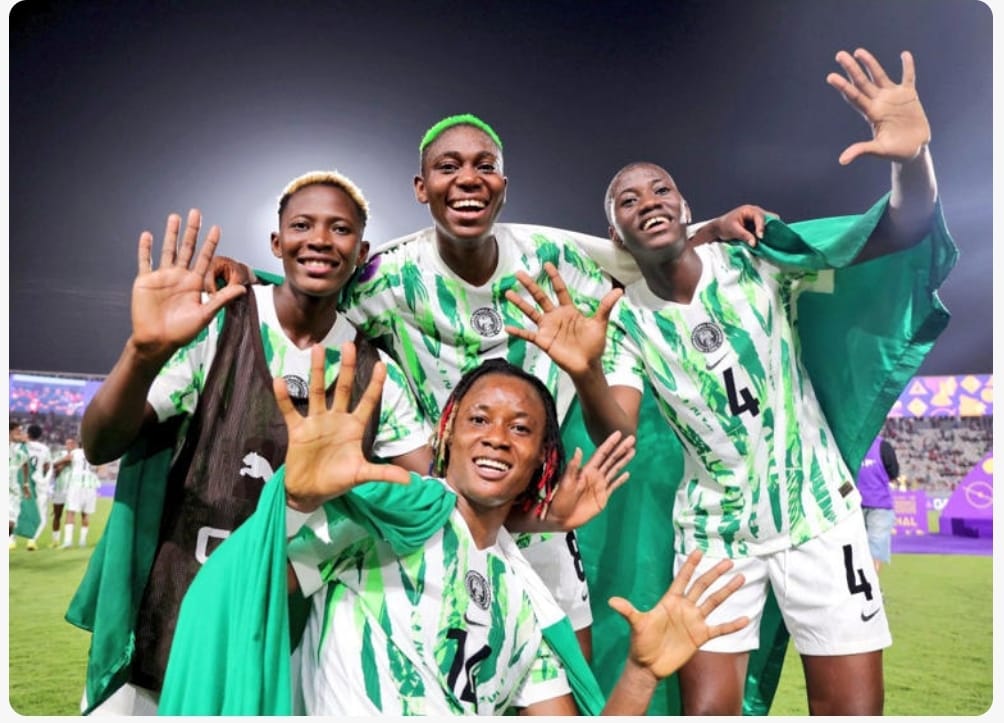
Super Falcons🇳🇬 Complete Mission X in Grand Style: A Celebration of Champions.
By George Omagbemi Sylvester | Published by SaharaWeeklyNG.com
In the grand finale of the 2025 Women’s Africa Cup of Nations (WAFCON) held in Rabat, Morocco, the Super Falcons of Nigeria delivered a stunning footballing masterpiece to reclaim their rightful place as queens of African football. Under the bold mission statement “Mission X,” they stormed the tournament with purpose, poise and power; culminating in a historic 10th continental crown.

This was more than just a championship run; it was a story of redemption, legacy and an unbreakable bond between a team and their nation. From group stage battles to a pulsating final comeback, the Nigerian players showed grit, class and character. They didn’t just win WAFCON 2025; they conquered it.
A Confident Start: Group Stage Dominance. Drawn into Group B alongside Tunisia, Algeria and Botswana, Nigeria made their intentions clear early on. The Falcons opened with a commanding 3–0 win over Tunisia, powered by the midfield dominance of Rasheedat Ajibade and the ever-reliable command of Chiamaka Nnadozie in goal.

A narrow victory over Botswana and a goalless draw against Algeria followed, enough to top the group unbeaten. Through these early matches, Nigeria displayed their trademark defensive solidity, orchestrated by veterans like Osinachi Ohale and Michelle Alozie, while young stars like Esther Okoronkwo and Folashade Ijamilusi offered glimpses of their attacking firepower. It was clear: “Mission X” had liftoff.
Quarterfinal Statement: Ruthless Against Zambia. The Super Falcons truly found their rhythm in the quarterfinal against Zambia, demolishing the Copper Queens 5–0 in a performance dripping with confidence and class. Esther Okoronkwo began to emerge as the tournament’s creative heartbeat; dropping deep to control possession, threading killer passes and keeping defenders guessing. Up front, Uchenna Kanu and Ajibade added venom, while Desire Oparanozie led like a general from midfield marshalling the troops, calming the tempo and linking play like a true professional. At the back, Nnadozie continued her faultless run, commanding her box like a seasoned gladiator.

The Semi-Final Showdown: Overcoming South Africa. A heavyweight clash against defending champions; South Africa awaited in the semi-final is a test of fire and character. Nigeria absorbed early pressure before Ajibade equalized from the penalty spot with her signature composure. Then came the unforgettable: Michelle Alozie, the tireless right-back, unleashed a stunning last-minute free kick, burying the ball into the top corner to seal a 2–1 victory and send Nigeria into the final with renewed belief. It was POETIC. It was POWERFUL and was PERSONAL.
The Final Against Morocco: From Despair to Destiny. In front of a raucous Moroccan home crowd in Rabat, the Super Falcons faced the tournament hosts and their 2022 semi-final conquerors. Revenge was on the line, the first half was a nightmare; Morocco struck twice within the opening 25 minutes, taking a 2–0 lead and sending shockwaves through the Nigerian camp. Many teams would have collapsed; no not this one. Not with the Super Falcons’ fighting DNA. In the second half, the comeback began; spearheaded by none other than Esther Okoronkwo. In the 64th minute, she coolly converted a penalty to bring Nigeria back into the contest. Just seven minutes later, she set up Ijamilusi, who rifled home the equalizer with surgical precision.Then, with the clock ticking down in the 88th minute, substitute Jennifer Echegini latched onto another Okoronkwo delivery and slotted the winner into the Moroccan net. Nigeria 3, Morocco 2. Mission X accomplished.
Player Praise: The Falcons Who Flew Highest. This title belonged to every member of the squad, but several players etched their names into footballing folklore with unforgettable performances:
Chiamaka Nnadozie: Voted Goalkeeper of the Tournament, she was the impenetrable last line of defence. Her command, reflexes and maturity between the posts are now unmatched in African football.
Rasheedat Ajibade: The CAPTAIN, the CONDUCTOR, the FIGHTER. Her goals, leadership and relentless drive were the emotional spine of the team.
Esther Okoronkwo: The BREAKOUT-STAR and arguably Player of the Tournament, with goal contributions in every knockout match, including a penalty goal and two assists in the final. She made the pitch her canvas.
Folashade Ijamilusi: Calm under pressure, clinical in front of goal and her equalizer in the final was pure instinct and composure.
Jennifer Echegini: The hero off the bench, she delivered the winner when it mattered most. One TOUCH, one MOMENT, one TITLE-WINNING goal.
Osinachi Ohale & Michelle Alozie: Rock-solid defenders who gave everything. Their TENACITY, WORK-RATE and discipline anchored the backline all tournament.
Desire Oparanozie: A midfield marshal, she balanced CREATIVITY with CONTROL and brought stability in tense moments.
This was a team that played for one another. Veterans led with grace; youngsters thrived with hunger; and they all delivered, every time it counted.
A Legacy Reinforced
Nigeria’s 10th WAFCON title is not just a record, but a reminder. The Super Falcons remain the undisputed queens of African football. No other team has their history, consistency or fear factor.
They have now reached every single WAFCON final they’ve ever qualified for and won 10 of them. Their dominance is not LUCK; it’s LEGACY. More than that, the class of 2025 proved that this team is not resting on past glories. New heroes are rising, new stories are being written and Nigerian women’s football is entering an exciting new chapter.
Mission X: More Than a Hashtag. What began as a campaign motto (“Mission X”) became a prophecy fulfilled. It inspired belief across the dressing room, the diaspora and the millions watching from home. It unified a team, electrified a nation and silenced doubters. The Falcons did not just win the trophy. They CONQUERED ADVERSITY. They beat the hosts. They came back from 2–0 down in a final on foreign soil, and they did it with BEAUTY, BRAVERY and BRILLIANCE.
Thank You, Super Falcons. From the streets of Lagos to the homes in Warri, from Abuja to the villages in Enugu and Kano; Nigeria rejoiced. You brought us joy, you brought us pride and you reminded us why we never stop believing in the green and white. To the coaching staff, the backroom team and most of all; the 23 warriors who wore the jersey with honour, thank you. You wrote your names in history. You did your country proud.
As the sun sets on WAFCON 2025, one thing is clear: Nigeria’s Super Falcons are far from done. The mission may be complete, but the DYNASTY continues.
By George Omagbemi Sylvester
Published by SaharaWeeklyNG.com




Sports
FirstBank Sponsors Samuel Okwaraji U-16 Football Championship 2026, Promotes Education Through School Sports
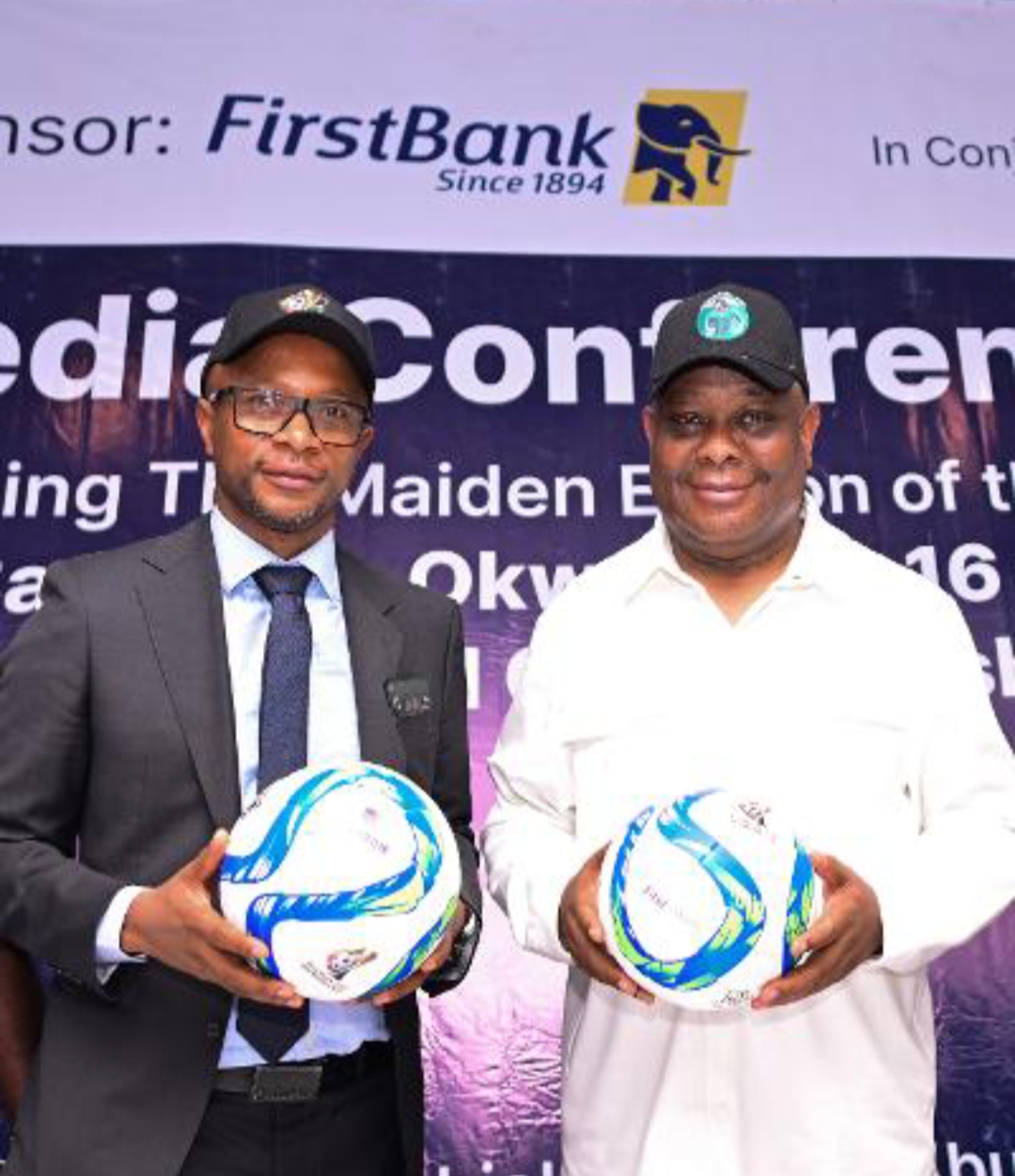
FirstBank Sponsors Samuel Okwaraji U-16 Football Championship 2026, Promotes Education Through School Sports
Lagos, 31 March 2026 – FirstBank, the premier bank in West Africa and a leading financial inclusion service provider, is thrilled to announce its sponsorship of the maiden edition of the Samuel Okwaraji Under 16 Football Championship, a nationwide youth football tournament organised to honour the late Samuel Okwaraji, one of Nigeria’s most celebrated football legends renowned for his patriotism, discipline, and commitment to national service.
The tournament will engage secondary schools from all 36 states and the FCT, in a two-stage competition. The first stage will feature zonal eliminations across the six geopolitical zones, followed by a national final in Abuja featuring the top 12 qualifying teams. The event will also include cultural displays, memorial lectures, and talent scouting opportunities by national team coaches, ensuring a blend of sporting excellence and social impact.
Speaking on the sponsorship, Managing Director and Chief Executive Officer of FirstBank, Olusegun Alebiosu, said: “Football is the strongest unifier of Nigerians. It brings communities together, inspires discipline, and nurtures talents across the country. FirstBank is making a deliberate incursion into grassroots football development with this sponsorship, creating an enabling environment for the next generation of Samuel Okwarajis to discover, refine, and maximise their potential, thereby shaping the future of Nigerian football.”
In his remarks, Senator Osita Izunaso, the Chairman of the Championship Organising Committee commended FirstBank for throwing its weight around the championship. He said “FirstBank’s legacy predates modern Nigerian football. The bank has once again shown that true corporate leadership lies in nation building. We thank FirstBank for their participation in this championship and we hope that other corporates will take a leaf and provide an enabling environment for young ones to thrive in education through sports.”
Through its First@Sports initiative, FirstBank has sustained an unbroken role in promoting the development of football and sports across Nigeria. The Bank is invested in nurturing talent through its ownership of the Elephant Boys Football Team currently competing in the Nigerian National League. The FirstBank Basketball Club popular known as the “Elephant Girls” is also owned by the Bank.
The Bank has supported youth-oriented and sporting initiatives including the National Sports Festival, South-West Youth Games, the Dala Hard Court Tennis Championship for 35 years, Lagos Amateur Golf Open Championship for 65 years, and the Georgian Polo Cup for 105 years.


The Bank’s sponsorship of the Samuel Okwaraji U-16 Tournament underscores its commitment to national unity, empowering communities, and fostering youth development.
Sports
Adeniyi Urges Customs Officers to Stay Fit, Commissions Sports Arena at Western Marine Command
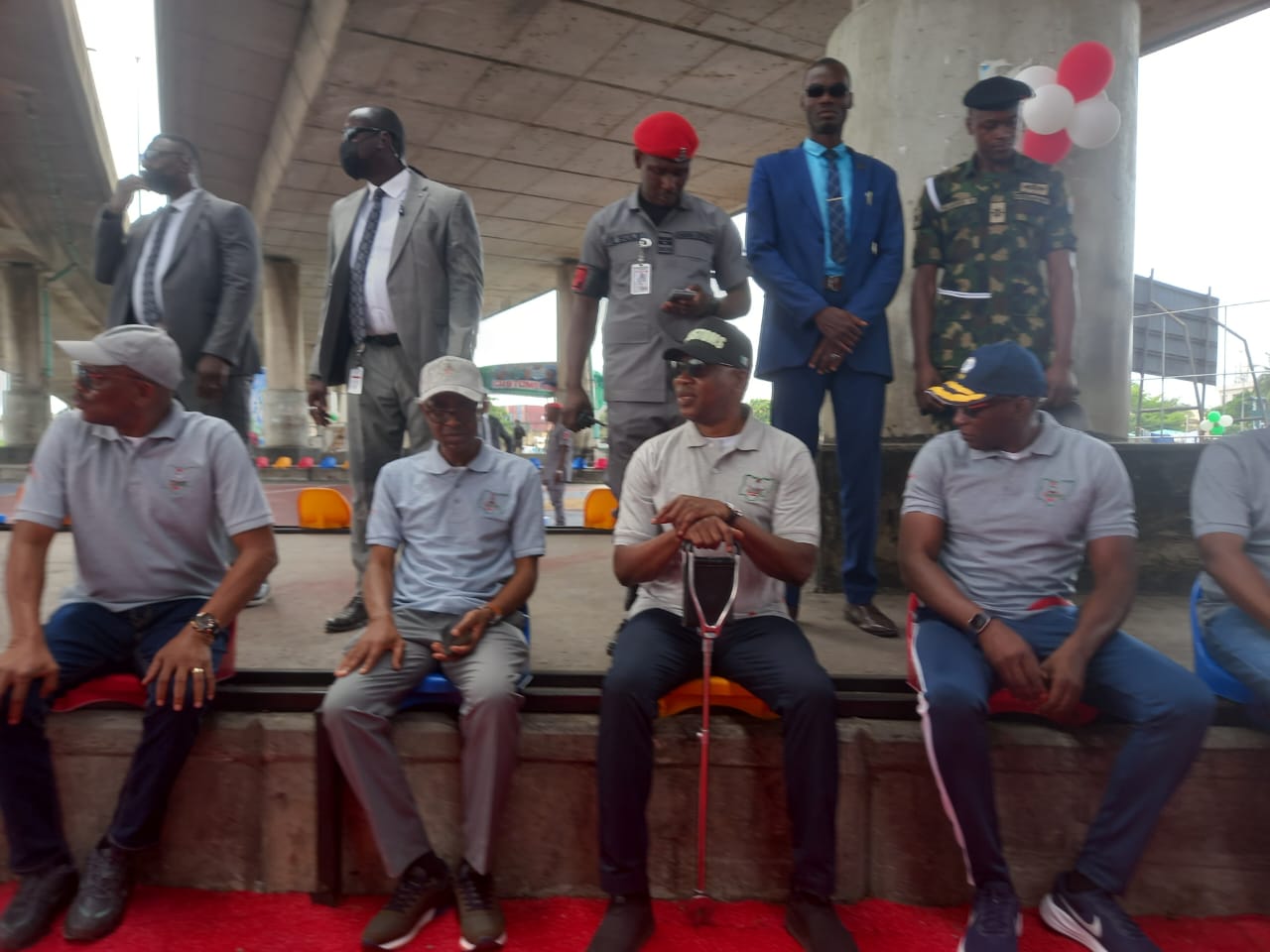
Adeniyi Urges Customs Officers to Stay Fit, Commissions Sports Arena at Western Marine Command
By Ifeoma Ikem


Sports
Fans Mock Pinnick’s ‘Morocco-Level’ Pitch Claim as Credibility Debate Returns to Nigerian Football
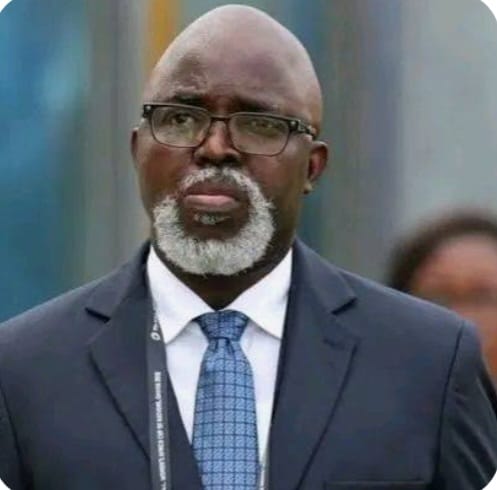
Fans Mock Pinnick’s ‘Morocco-Level’ Pitch Claim as Credibility Debate Returns to Nigerian Football
By George Omagbemi Sylvester | Published by SaharaWeeklyNG
“Former NFF boss promises five world-class surfaces in 18 months, but supporters question record and reality.”
A fresh controversy has erupted in Nigerian football after former Nigeria Football Federation (NFF) president and FIFA Council member Amaju Melvin Pinnick declared that Nigeria would soon have football pitches comparable to those used at major tournaments in Morocco. The statement, intended to signal a new phase of infrastructure upgrades, instead triggered widespread skepticism among fans.
The backlash followed Pinnick’s remarks in early February 2026, when he said Nigeria would have at least five pitches matching Moroccan standards within 18 months. According to him, the team responsible for Morocco’s acclaimed stadium surfaces had already arrived in Nigeria to begin the upgrades. He identified the targeted venues as Warri City Stadium, two stadiums in Bayelsa State, Teslim Balogun Stadium in Lagos, and the Moshood Abiola National Stadium in Abuja.

Rather than inspiring confidence, the announcement was met with sarcasm and disbelief across social media. Many supporters dismissed the claim as unrealistic, pointing to the current state of numerous Nigerian pitches, several of which have failed to meet international standards in recent years. Some fans described the promise as something to “believe at your own risk,” reflecting deep mistrust toward football administrators.
The reaction comes against the backdrop of long-standing infrastructure problems in Nigerian football. For years, the country has struggled to maintain stadiums to the standards required by FIFA and the Confederation of African Football (CAF). On multiple occasions, national-team matches have been moved or played in alternative venues because approved facilities were unavailable.
Pinnick himself has previously acknowledged the depth of the problem. In earlier interviews, he admitted that many Nigerian stadiums lack basic amenities and cannot meet international requirements, noting that the country is currently unable to host major FIFA competitions because of substandard facilities. He also contrasted Nigeria’s situation with Morocco’s, describing the North African country as having a “plug-and-play” football infrastructure capable of hosting major tournaments at short notice.
Morocco’s progress has been widely praised by football authorities. The country has invested heavily in modern stadiums, training facilities, and pitch technology, positioning itself as one of Africa’s leading hosts for international competitions. Its infrastructure upgrades have played a major role in securing hosting rights for major tournaments, including the Africa Cup of Nations.
Nigeria’s situation has followed a different trajectory. Many stadiums built or renovated at significant cost have deteriorated within a few years, often due to poor maintenance, irregular funding, and administrative disputes. Sports policy experts argue that the core problem is not simply the construction of facilities but the absence of sustainable management structures.
Global sports business scholar Professor Simon Chadwick has argued that infrastructure projects must be backed by sound governance. “Facilities are only as effective as the systems that sustain them,” he notes. “Without management discipline, even the best stadiums deteriorate quickly.”
Economist Andrew Zimbalist, a leading authority on sports infrastructure, has also warned that stadium promises often fail without transparent planning and long-term operational strategies. His research shows that politically driven projects frequently fall short of expectations when maintenance and funding models are unclear.
These broader concerns help explain the intensity of the reaction to Pinnick’s latest claim. Many supporters remember his eight-year tenure as NFF president from 2014 to 2022, a period that produced mixed results. While the national team qualified for major tournaments and maintained administrative stability, the infrastructure question remained largely unresolved.
Beyond public debate, the issue carries practical consequences. Stadium quality directly affects Nigeria’s ability to host international matches. When facilities fail to meet required standards, national teams are forced to play “home” fixtures in foreign countries, increasing costs and weakening home advantage.
The impact is also felt at the grassroots level. Without quality pitches, young players are forced to train in poor conditions that do not match international standards, creating long-term developmental disadvantages.
Supporters of Pinnick argue that the new plan could mark a genuine effort to address these long-standing problems. They note that the proposal involves collaboration with international pitch experts and focuses on specific stadiums rather than vague nationwide promises.
Critics, however, insist that credibility will depend entirely on execution. They argue that Nigerian football has heard similar assurances for decades, with little to show in terms of sustained improvement.
For now, the 18-month timeline has set a clear benchmark. If the promised upgrades materialize and the selected stadiums meet international standards, the initiative could help restore public confidence. Though if the deadline passes without visible results, the skepticism surrounding the announcement is likely to deepen.

In a football-obsessed nation, infrastructure promises are no longer judged by speeches or press statements. They are judged by results and by the condition of the pitch on match day.


-

 society6 months ago
Religion: Africa’s Oldest Weapon of Enslavement and the Forgotten Truth
-

 news4 months ago
WHO REALLY OWNS MONIEPOINT? The $290 Million Deal That Sold Nigeria’s Top Fintech to Foreign Interests
-

 society6 months ago
“You Are Never Without Help” – Pastor Gebhardt Berndt Inspires Hope Through Empower Church (Video)
-

 celebrity radar - gossips2 months ago
Dr. Chris Okafor Returns with Power and Fire of the Spirit -Mounts Grace Nation Altar with Fresh Anointing and Restoration Grace on February 1, 2026