
society
THE BANQUET OF BETRAYAL: HOW TINUBU TURNED DEMOCRACY INTO A DYNASTY OF DECEIT AND A NATION INTO A PRISON OF PAIN

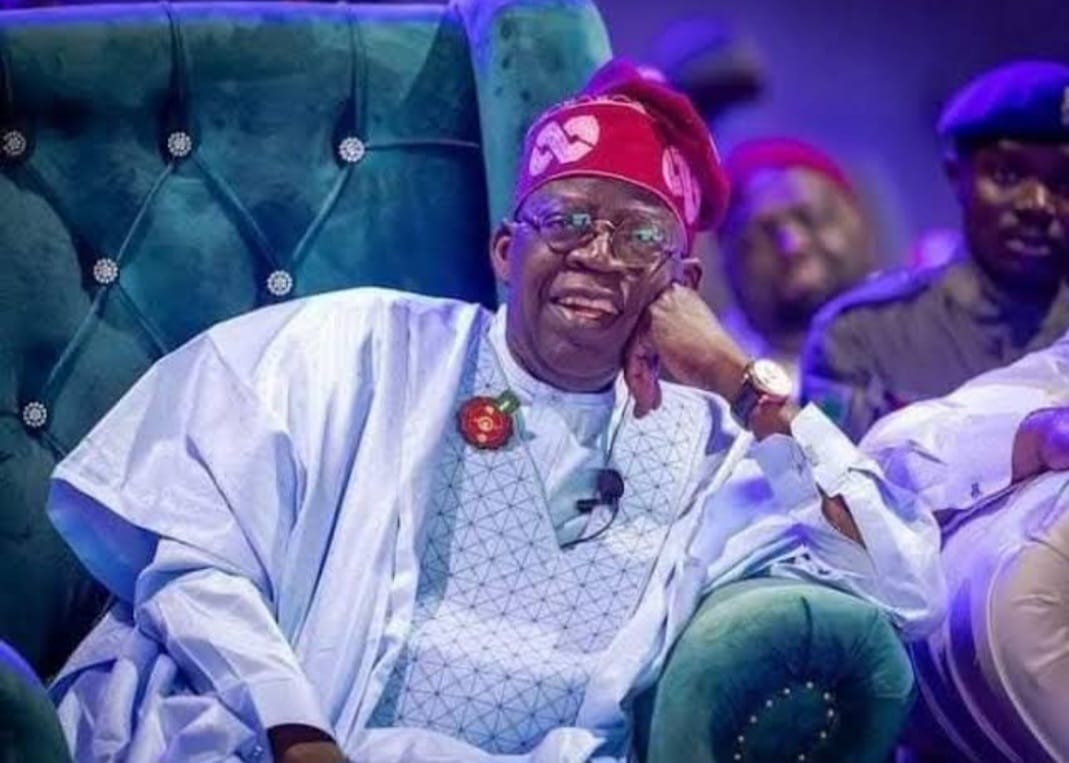
THE BANQUET OF BETRAYAL: HOW TINUBU TURNED DEMOCRACY INTO A DYNASTY OF DECEIT AND A NATION INTO A PRISON OF PAIN.
By George Omagbemi Sylvester | Published by saharaweeklyng.com
“From the abolition of subsidy to the devaluation of the naira; a chronicle of promises broken, lives hollowed and institutions hollowed out.”
Nigeria entered the Tinubu era in 2023 with weary hope and brittle expectations. A man who campaigned on renewal and competence promised national rebirth; instead, two years in, many Nigerians find themselves marooned on an island of austerity while corridors of power host a banquet of betrayal. This is not mere rhetoric; it is an accounting of policy choices, institutional opacity and political signals that have combined to make democracy look like a dynasty and the state feel like a cage.
The signal moment (and the beginning of the banquet) came on 29 May 2023, when President Bola Ahmed Tinubu declared, in his inaugural address, that “the fuel subsidy is gone.” The line was short, performative and definitive; its policy tail was long and brutal. Within days, pump prices tripled in many places and transport and food costs ballooned, hitting the poorest households first and hardest. The subsidy’s removal was not a private misstep or a technical tweak: it was a public re-ordering of the social contract, executed with scant preparation for the human cost.

Economic governance under Tinubu has been characterised by shock therapy over gradualism. The naira was allowed to tumble (a policy some outside experts applaud as necessary for competitiveness) but the domestic reality has been wrenching. Between late-2023 and 2025 Nigeria’s currency slumped dramatically, inflation soared into double digits that bite into family budgets and food insecurity rose. Think tanks and international institutions concede that reforms have improved macro indicators (reserves and a more rational foreign-exchange regime) but they have been blunt: these “gains have yet to benefit all Nigerians.” In short: the economy’s scoreboard improved for investors while the scoreboard for ordinary citizens registered collapse.
Make no mistake: policy changes that correct long-standing distortions are defensible in theory. The political choice is what separates responsible reformers from rulers who rule by decree. Reforms must be sequenced, cushioned and accompanied by transparent social protections. Instead, the Tinubu administration has pursued hard-edged measures (subsidy removal, a unified exchange rate, monetary tightening) with insufficient buffers for the poor, weak social safety nets and an administrative state that oftentimes appears reactive rather than humane. The result is a country where macro stability is invoked as an argument for the very hardship that is tearing apart households and livelihoods.

Political legitimacy is the currency of democracy. Where did it go? First, by concentrating economic decisions in a narrow circle and by elevating elites to roles that feel like patronage rather than public service, the administration has fed a sense of exclusion. Second, the opacity around critical issues (from public contracts to foreign engagements) has made accountability a performative drama rather than a civic instrument. Third, when serious allegations linger (including the prolonged saga in which U.S. agencies were ordered by a court to release records related to past investigations) the Presidency’s responses have been defensive and to many citizens, evasive. The American court rulings and filings are not gossip; they are court documents and reputable reporting. Those controversies erode trust and feed the narrative that power has developed immunity to scrutiny.
The human price is measurable. The IMF and other multilateral institutions have repeatedly warned that while reform has stabilised some macro variables, poverty and food insecurity remain painfully high. Recent IMF reporting estimated that poverty continues to afflict a huge share of Nigerians and cautioned that “gains have yet to benefit all Nigerians.” In practice, this means more families skipping meals, more children out of school and more skilled workers looking outward for escape. Democracy, when it no longer delivers basic livelihoods, becomes a hollow ritual.
Yet the language of “reform” has served convenient political ends. It has been wielded as a shield for tellingly concentrated appointments, for reshuffles that redistribute influence rather than lift capacity, and for a style of governing that prizes headline sovereign-debt wins and investor feel-good stories while everyday Nigerians drown in the rising cost of living. Sahara, Reuters, AP and other outlets documented the government’s managerial re-organs (a new economic council and emergency taskforces) but also recorded the public anger: strikes, protests and palpable frustration that has occasionally spilled into violence and arrests. Governance cannot be judged only by bond markets; it must be judged by how it protects the vulnerable.
If we are to name the disease, let us call it what it is: a politics of elite consolidation that borrows the language of reform but advances the interests of the few. The dynasty is not a royal family by blood, but a recurring pattern; a revolving door in which political survival is secured by alliances with moneyed interests and by the manufacture of consent via technocratic rhetoric. Meanwhile, ordinary citizens condition their lives on unpredictable policy swings: the sudden removal of subsidies, abrupt currency realignments and fiscal choices that transfer risk from the state to households. The “banquet” is thus two tables: one for the elites who dine on patronage and gates to capital and another for the mass of the people who pay the bill.
What must Nigerians and their friends around the world demand? First, transparency: publish procurement details, fiscal retentions and revenue accounts in machine-readable form. Second, social cushioning: targeted cash transfers, food programmes and a durable plan to tackle the immediate pain of inflation. Third, genuine institutional reform: strengthen anti-corruption institutions, fortify the judiciary’s independence and ensure electoral bodies are beyond partisan capture. Fourth, open dialogue: a government that truly consults broad civic actors will reduce the temptation to govern by executive fiat.
It is still possible to repair the damage to turn reforms into broad-based recovery rather than elite enrichment. The IMF and leading policy institutes have signalled the route: pair macro stabilisation with social protection; raise revenues equitably rather than squeeze the poor and rebuild trust through accountability. If these steps are not taken, the dynasty will calcify and the prison of pain will become permanent.
In the end, the choice is stark and moral. Democracy cannot survive as a brand for the few; it must be a shared project. The banquet of betrayal must end. Else we will have traded a republic for a regime that calls itself a government and anoint a dynasty that calls itself reform. Nigerians deserve better and history will not forget who served the people and who served only themselves.





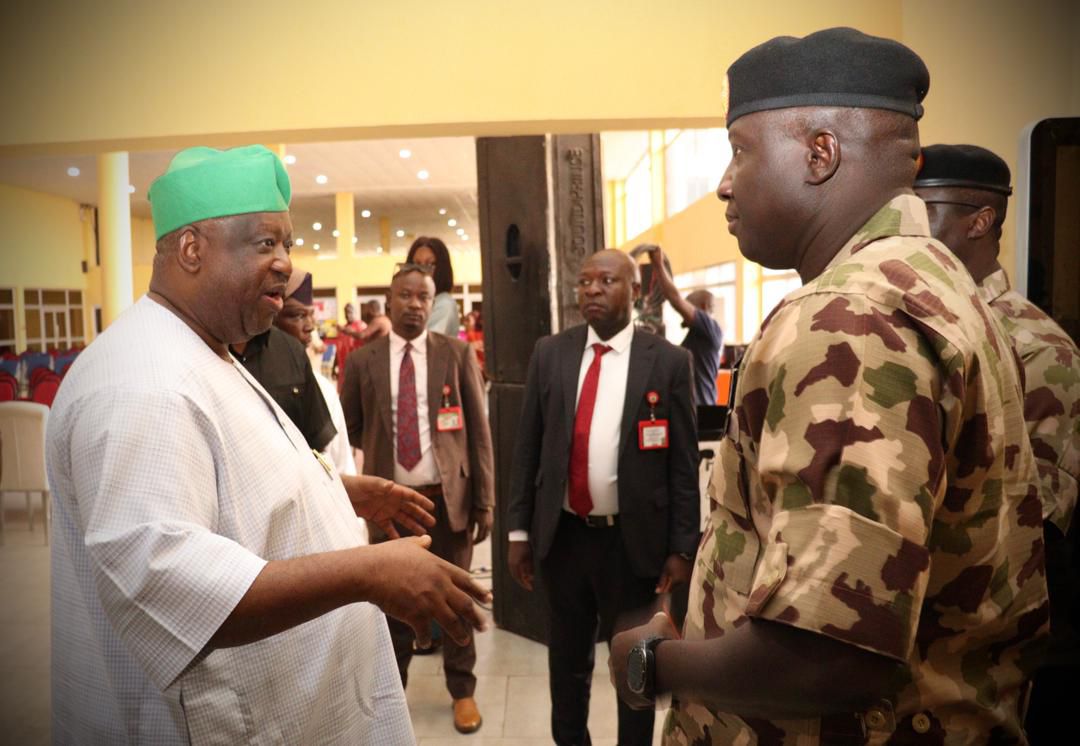
COAS Launches Nationwide Security Renewal Mission in Plateau
The Chief of Army Staff, Lieutenant General Waidi Shaibu, on Thursday led a high-level delegation of security chiefs to Plateau State, flagging off a nationwide security renewal mission aimed at strengthening civil-military cooperation and restoring lasting peace across the country.
The visit to Jos, the Plateau State capital, marks the first phase of a coordinated national effort to address persistent security challenges through joint operations, community engagement, and proactive intelligence gathering.

Governor Caleb Muftwang received the delegation, describing the initiative as a critical step toward stabilizing affected communities and reinforcing public confidence in security institutions.
Civil-Military Synergy Takes Centre Stage
At the heart of the mission is a renewed emphasis on collaboration between the military, civil authorities, and local communities. Speaking during the visit, Lt. Gen. Shaibu stressed that national security must be treated as a collective responsibility.
He urged citizens to support security agencies by remaining vigilant, sharing credible information, and complying with lawful directives, noting that effective security cannot be achieved in isolation.
Community Engagement as Confidence-Building Tool
In a departure from purely operational engagements, the Army Chief held direct consultations with community leaders and residents in Jos, reinforcing the importance of trust and dialogue in conflict resolution.
Lawmakers, including Dachung Bagos and Ladi Dangyok, commended the initiative, stating that visible engagement by top military leadership helps rebuild confidence among citizens and fosters cooperation.

Proactive Security Operations Underway
Operational updates were provided by Major General Folusho Oyinlola, who disclosed that troops under Operation Enduring Peace have intensified surveillance, intelligence-led patrols, and coordinated actions with other security agencies.
According to the Army, the approach is designed to prevent escalation of threats, safeguard lives and property, and stabilize vulnerable communities before crises emerge.
A Shift Toward Sustainable Peace
Military authorities emphasized that the Plateau visit is part of a broader, long-term strategy to transition from reactive responses to sustainable peacebuilding nationwide. The framework includes strengthening local resilience, ensuring justice, and maintaining continuous engagement with stakeholders.
Analysts view the initiative as a significant policy shift, reflecting a more inclusive security architecture that integrates community participation with military operations.
Call for National Unity
The Army leadership concluded with an appeal to Nigerians to reject divisive narratives and support ongoing efforts to promote unity and peace.
“The success of this mission depends not only on the armed forces but on the cooperation of every citizen,” the COAS stated.
The nationwide security renewal campaign is expected to extend to other regions in the coming weeks as authorities seek to consolidate gains and build a safer, more unified Nigeria.


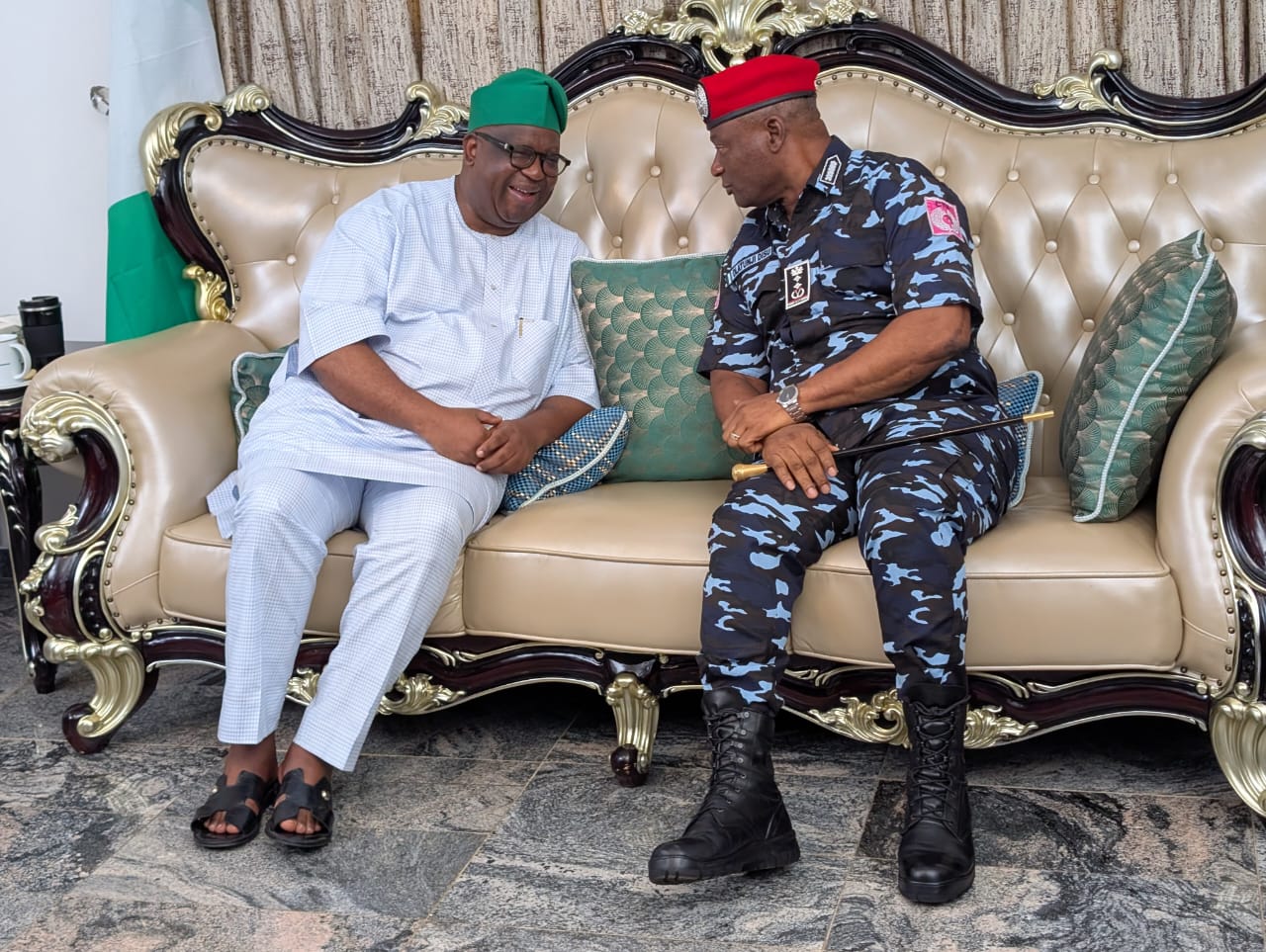
IGP Disu Visits Plateau, Orders Tactical Deployment To Reinforce Security
The Inspector General of Police, Olatunji Disu, on Thursday paid a working visit to Plateau State following recent unrest, holding strategic talks with Governor Caleb Muftwang on measures to strengthen security and prevent further disturbances.
As part of immediate steps to stabilise the situation, the police chief authorised the deployment of specialised tactical units to support officers already on ground across affected areas.
Governor Muftwang commended the swift intervention of the police leadership, praising the dedication and professionalism of security personnel working to restore calm. He also acknowledged the efforts of mobile police officers and lauded the leadership of the state’s Commissioner of Police, Bassey Ewah.
Both the Nigeria Police Force and the Plateau State Government reaffirmed their commitment to safeguarding lives and property, stressing that enhanced collaboration remains key to restoring lasting peace in Plateau State, popularly known as the Home of Peace and Tourism.


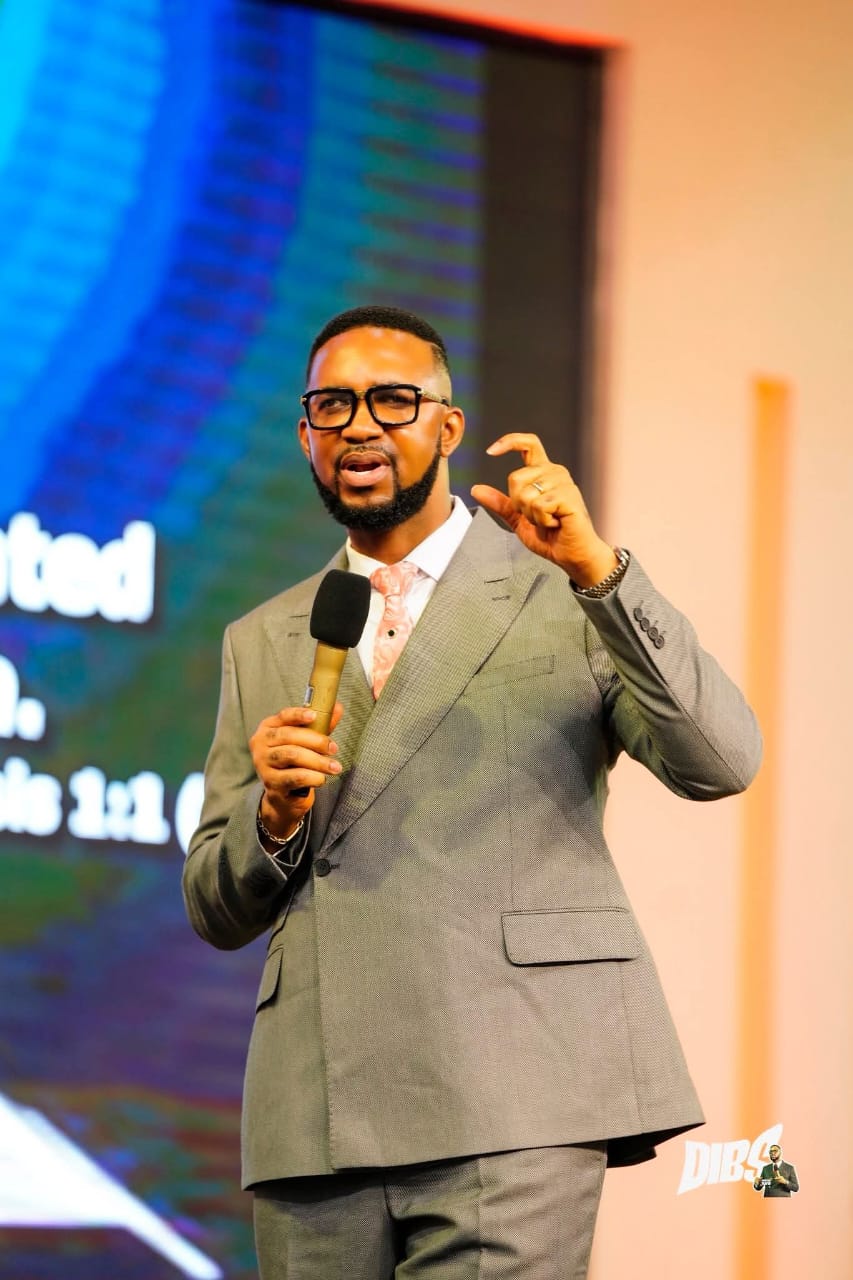
Grace Nation Worldwide: A Living Reality – Dr. Chris Okafor
……“Miracles, Healing, and Deliverance Overflow at Grace Nation Services”
The Grace Nation midweek Prophetic Healing, Deliverance, and Solutions (PHDS) Service on 2nd April 2026 at the international headquarters in Ojodu Berger, Lagos, was a spectacular display of God’s power, marked by miracles, healing, and deliverance.
The God of Grace Nation continues to demonstrate His authority, breaking strongholds, healing the sick, restoring lost glory, and providing solutions to every problem presented at His altar.
Testimonies of God’s Power
One woman, previously diagnosed with a terminal condition and slated for a ₦4.5 million surgery due to inability to excrete, was prayed for by the Generational Prophet, Christopher Okafor, just a week after visiting the church. Declaring healing within 24 hours, she returned to testify to God’s miraculous intervention.
Another pregnant woman, whose baby was bridged and at risk, was located and prayed for. She returned to service with confirmation that her child is now well-positioned for delivery. Similarly, a woman booked for a C-section due to an overdue and poorly positioned pregnancy testified during the service that her baby is now properly positioned, ready for birth.
These testimonies underscore the truth: what God cannot do does not exist. Grace Nation has entered a new level of spiritual authority, and with faith, believers are witnessing the impossible become reality.
God Works by Principle, Not Gossip
In his sermon, Dr. Okafor emphasized that God does not operate on superstition, gossip, or social media pressures. His work is grounded in His Word, and it is through adherence to His principles that Grace Nation continues to flourish.
The Generational Prophet stressed that to enjoy divine blessings and fruitfulness, believers must remain connected to God’s Word, faithfully serve Him, and ignore distractions or side-talks. Focused commitment to God’s service guarantees alignment with His miraculous power.
Join the Movement
Grace Nation Worldwide is open for all who desire a life transformed by divine intervention. Weekly services include:
Sunday Service: 7:00 AM
Grace Nation Island Service (Ogombo): Wednesday, 5:00 PM
Midweek PHDS Service: Thursday, 7:00 AM
Attending these services under the ministry of the Generational Prophet ensures encounters with God’s supernatural power, life-changing miracles, and lasting breakthroughs.
Grace Nation Worldwide is not just a church—it is a reality where faith meets the supernatural.
By Sunday Adeyemi


-

 society7 months ago
Religion: Africa’s Oldest Weapon of Enslavement and the Forgotten Truth
-

 news4 months ago
WHO REALLY OWNS MONIEPOINT? The $290 Million Deal That Sold Nigeria’s Top Fintech to Foreign Interests
-

 society6 months ago
“You Are Never Without Help” – Pastor Gebhardt Berndt Inspires Hope Through Empower Church (Video)
-

 celebrity radar - gossips2 months ago
Dr. Chris Okafor Returns with Power and Fire of the Spirit -Mounts Grace Nation Altar with Fresh Anointing and Restoration Grace on February 1, 2026