
society
THE CITY OF ERUKU ON THE WORLD MAP ~BY JIDE J. OMOTINUGBON

THE CITY OF ERUKU ON THE WORLD MAP
~BY JIDE J. OMOTINUGBON
Growing up in the City of Eruku in the sixties, (well, we call our town Eruku City) we knew of no other world beyond what life bestowed on us. We went to the stream to fetch waters and to swim. We went to the farm to cultivate the farmland. We hunted for rodents and crickets. We rolled the bicycle tires around. We rode the rented bikes. We participated in the local wrestling competition. And as times went by, we started going to school. I, as with most of my mates, did not start elementary (primary) school until the age of eight. We knew of no other world. As time passed, we began to realize that there were other worlds beyond the city of Eruku as evidenced by the commercial lorries bringing strangers in on market days to sell and buy things. The market days back then were held nine days interval. We saw new faces and new things. We began to realize that there were other things around the world beyond our town. While still in elementary school, we travelled to Koro and Oke-Opin for inter-house sports competitions including games of soccer and athletics. Those were the worlds we knew. The first time I had the “luxury” of going beyond the vicinity was my final year in elementary school when I travelled to Zaria en route Ilorin.
During the major festivals, we saw the whole town filled up with indigenes based outside the town. We heard stories of towns where they were, to make money. We heard of Ilorin, Zaria, Kaduna, Lagos, Ibadan and some other places. We heard stories of tapped water, electricity, tarred roads and other exotic things. We learned in social studies and later, in geography, the names and location of places on the map. Big towns within and outside the country but Eruku was never placed on any of those maps. We began to dream. We were wondering when and if ever our town would develop and be renowned. Just dreaming. No sooner, we had a secondary school built through communal efforts. That was in 1969. Students came from all over even people who did not speak Yoruba – all the way from Ebira-land and Igala-land which used to be part of the then Kwara State.
Dreams. Our dreams remained on what could we do to place the name of our town on the map. We read and studied some books. We listened to radio. Heard the names of some political leaders (mainly military.) We dreamt of joining the military when we grow up. Dreamt of reading law. Or become engineers. Do whatever it takes to get the name of our town on the map. It was slow. Painfully slow. Until now, it was like the town did not exist. Everything we have in the town was mainly through communal and church efforts: elementary schools, secondary schools, cottage hospitals etc. Whenever the government decides to intervene, it would put up some structures with no human to man them. We were, for example, once promised tapped water and a dam was to be built and before we knew what was happening, the bridge connecting our town to the next one, Koro, was blown off the river that was to be dammed! That created some enmity between us and our next-door township neighbor who thought the Eruku people did them bad.
We did not do really bad in terms of efforts at growing and developing our town. We are educated. We had scholars and professionals in every field of life. A few of them found their ways into government and governance which raised our hopes that, finally, our dreams were coming through. Not exactly. Because they still did not put the name of our town on the world map.
The most common trait of anyone born or raised at Eruku is resilience. The cognomen and clarion call of every Eruku born and bread is as follow:
Eruku Nain o! Eh O! (All true born of Eruku! Yes! We’re here!) Aru bain boo? (Are you scared?) Aru e b’eiye oko! (The bird is not scared of the wilderness!) Omo Eruku Mesi – (The true son of (Oyo) Mesi) Yi kee s’aru l’Oyo (Who is not a slave in Oyo) Omo Eruku ba ti woo ko l’are, ija mon rii da! (When anyone from Eruku tells you that an issue is no longer a joking matter, then the next step is to fight!)
Fast forward to the 21st century when street names and names of towns and individuals can be easily located through google and artificial intelligence. Every once in a while, when we type in the name of our town, a thing or two pops up. Now, it is more than that!
Tuesday, November 18, 2025 finally was the day that the name of Eruku made it to the world map. Not in the best way we have been hoping. If not for an innocuous livestreaming of the church program, showing people being herded including Mama Emiola, (Iye Ade whose residence is directly in front of our family house) the event of that day would have passed like any other and just adding to the statistics of the rampant kidnappings going on in the country. But not when Eruku was about to be put on the world map. It touched everyone’s nerves, nationally and internationally more so those of us who have family members among those that were kidnapped.
First, it was my spouse’s home church, the Christ Apostolic Church (CAC Oke Isegun) where her late mother was the choir’s matron. Everyone calls her Iye Akorin (choir’s matron.) Then her aunt (the one following Iye Akorin) was at the church service but released by the bandits after a short walk apparently due to old age. Then my niece, Titilayo Balogun (Nee Omotinugbon.) Then another niece’s son, Ebenezer Aina. Then Grace Moyeni Balogun, my spouse’s classmate in high school. Then, two Iyabo’s related to my spouse through marriage. Then ‘Molola my brother-In-law’s niece and her son. ‘Molola’s older sister was killed in an earlier attempt at abduction while coming from a wedding. At that time, ‘Molola was shot in the arm and was still recuperating from that dastardly event when she was kidnapped with the others right inside the church. There were two high school teachers among those that were kidnapped. I did not know all the thirty-eight now free abductees but I do know someone who knows someone who knows someone. Not to forget that three of the church attendees were killed and among those that were killed was the spouse to one of the abducted women who would only be learning of her spouse’s death on her release.
I am a psychotherapist listening almost on a daily basis to the traumatic experience of individuals. I have had patients whose stories cannot be retold anywhere because they were not believable. They are better imagined. And one of the freed abductees said as much in a TV interview when he said that their experiences were unimaginable. What gave me sleepless nights were how these victims would deal with the trauma. Is it the fear of going to church? The fear of hearing sounds that remotely sounds like a gun? Fear of being in a crowd or being alone and isolating? And we have not even heard their stories. The experience a seven-year old or a sixty-four-year-old went through. (The age-range of the abductees was seven to sixty-four.) And we are not even used to being in therapy in our environment. Sad.
I tried not to dwell into the politics but taking politics out of governance is like (as someone once remarked) taking mathematics out of physics. The only representative we have in government is the ward councilor! No board member of any parastatal. No commissioner. No adviser. No member of the state or federal assembly. In other words, we do not have anyone close enough to talk to those governing us. And yet, every election cycle, they seek for votes and the community is always divided about which of the major parties to support. Not until the incident, I have never heard of any visit made to the community by any top government official including the governor. Now, those of us not living in the community are advised not to come home due to “security reasons.”
And talking of security, why has it been difficult for the Nigerian government to devolve the security apparatus? How can someone from the Northern or Eastern part of the country be made the Divisional Police Officer (DPO) of a remote town in Kwara State? How much is the remuneration of a police officer that would require him being transferred from Adamawa to Enugu? It does not make any sense. None whatsoever. What we know of in normal clime is county (local) police where those recruited into the force are from or reside in the areas where they are policing. They know the terrain. They know the people. Intelligence gathering would be easier. I have never heard of the Inspector General of Police in United States of America! Not even in Britain, our colonial lord. There are other security arms that could be federalized like the department of state security (DSS.)
I am really veering off. I hope the Kwara state government would be kind enough to give us, the people of Eruku, some hearing by putting one or two members of our community close enough to the process of governance so we will have the opportunity to whisper our demands to the government. At the expense of repeating ourselves, we have professionals across the board. We also have political gladiators that would fit in anywhere. Now that our beloved Eruku is now nostalgically on the world map, we are appealing that we be given the opportunity to have a sense of belonging.





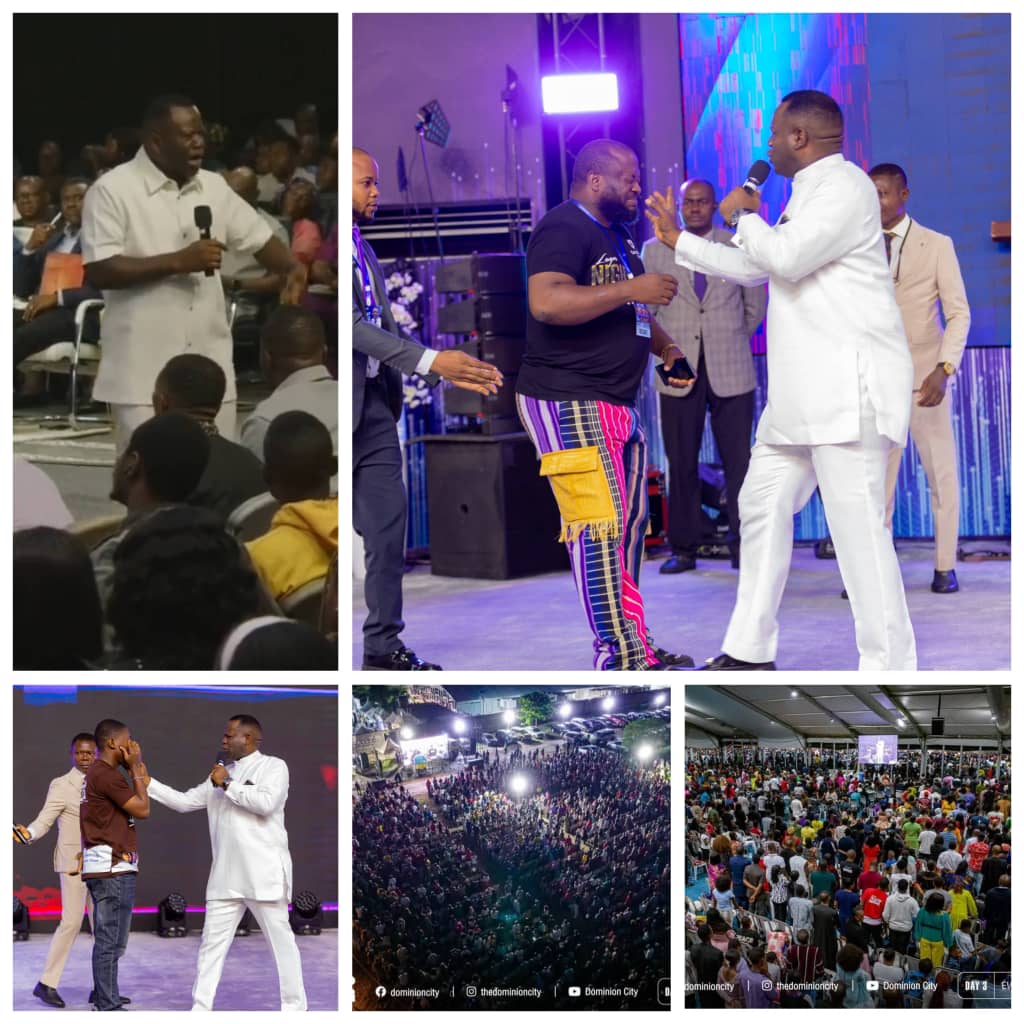
Revival Atmosphere as Dominion City Launches Night of Glory 2026.
Lagos – The atmosphere was charged with faith, worship, and expectancy as Dominion City’s Global Camp Meeting 2026 entered its peak with the first day of the “Night of Glory,” drawing thousands of worshippers to Lagos and Enugu in a powerful display of spiritual revival.
Held at the Golden Heart Place, Ajah, Lagos, the Friday evening gathering marked a significant moment in the ongoing six-day conference themed “Redigging the Wells of Our Fathers.” Participants from across Nigeria and beyond converged both physically and online, united by a shared hunger for divine encounter and transformation.
From the outset, the meeting was characterised by intense worship sessions led by gospel ministers, creating an atmosphere many attendees described as “tangible with God’s presence.” The night quickly transitioned into sessions of fervent prayers, prophetic ministrations, and teachings centred on restoration, healing, and spiritual awakening.
Presiding over the meeting, Dr. David Ogbueli, founder of Dominion City, charged participants to reconnect with foundational truths and spiritual disciplines necessary for personal and societal transformation. He emphasised that the “Night of Glory” was designed as a moment of divine visitation where destinies could be reshaped.
“As we redig the wells of our fathers, we are reconnecting with ancient graces and covenant realities that produce undeniable results,” he declared.
As the night unfolded, several remarkable testimonies were shared, reinforcing the theme of supernatural intervention. Among them was the case of a 14-year-old girl who was reportedly delivered from a seven-year struggle with pornography addiction, an experience that drew emotional reactions from the congregation.
Other testimonies included reported healing from cancer, recovery from a severe skin infection attributed to spiritual affliction, the healing of a heart-related condition, and three years of a non-menstrual period. Attendees also recounted instances of restored hearing and sight, with individuals testifying to improvements from partial deafness and blindness, among others.
Fathers of faith present were Barrister Emeka Nwankpa, Pastor Yemi Ayodele, Rev. Pade Tokun, Apostle Gbenga Adegbenro, Rev. Mike Adegbile, and others. Other Ministers present, including Pastor Dr. Charles Ndifon, Pastor Randy Mitchell, Apostle Ikechukwu Nnajiofor, and others, reinforced messages of faith and the power of God to intervene in human situations. They encouraged worshippers to remain steadfast and receptive, noting that miracles often spring from an atmosphere of unwavering belief.
Beyond the miraculous, the gathering also underscored a broader call to moral and spiritual renewal. Church leaders reiterated the need for believers to embody values that can positively influence society, especially in a time of perceived moral decline.
The “Night of Glory” is part of the larger Global Camp Meeting, which began on April 1 and will run through April 6, featuring daily teachings, leadership sessions, and specialized programmes for youths and families.
Organisers say expectations remain high for the second night, with many believing that the wave of miracles and transformation witnessed on the first night is only the beginning.
For many attendees, however, the message was clear beyond the signs and wonders; the true essence of the gathering lies in a renewed commitment to live transformed lives and impact society. //END.//
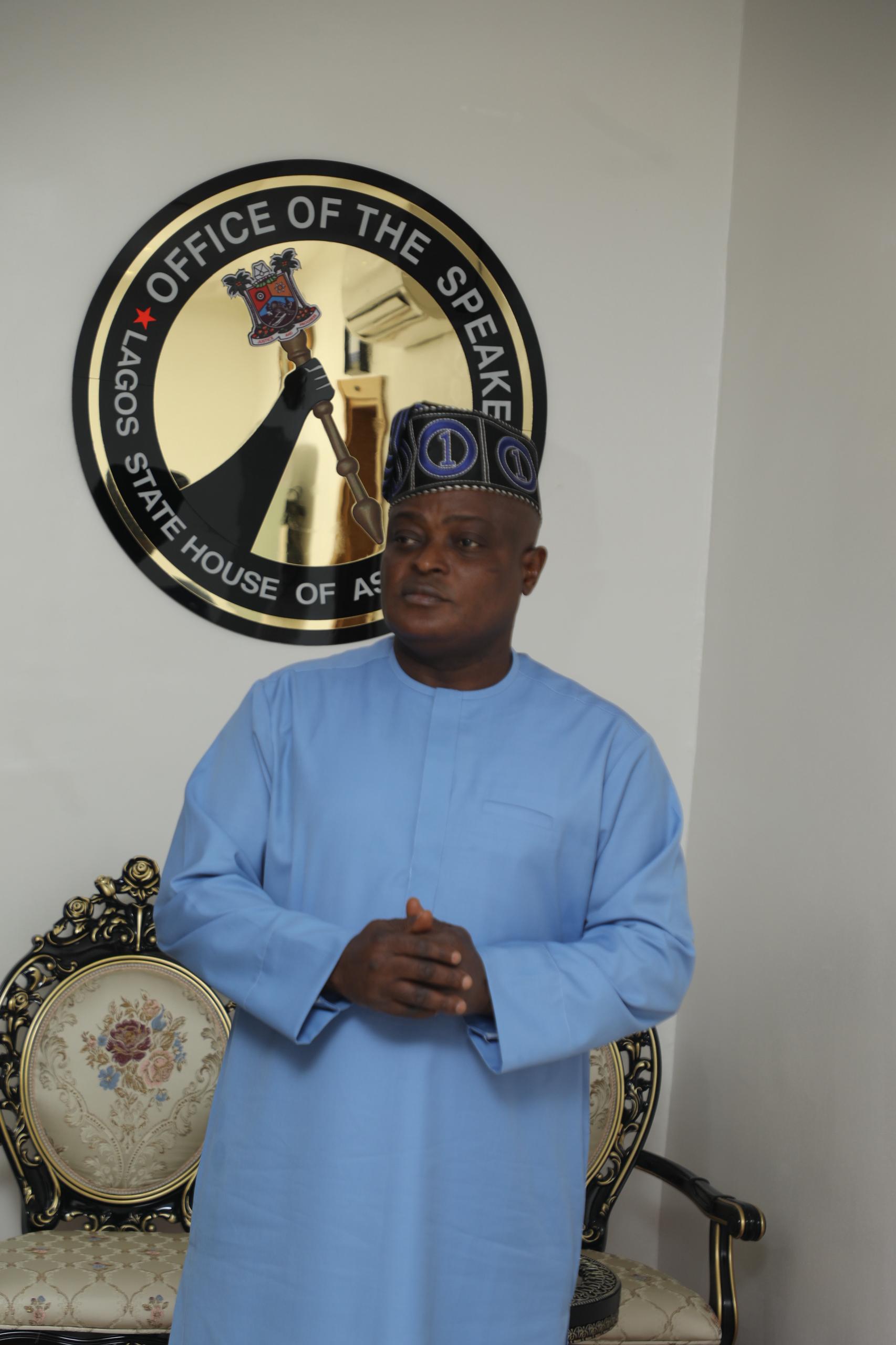
Easter: Obasa Urges Christians To Embrace Hope, Unity, Renewal
The Speaker of the Lagos State House of Assembly, Rt. Hon. Mudashiru Obasa, has congratulated Christian faithful in Lagos and across Nigeria on the celebration of Easter, urging them to draw strength from the lessons of Christ’s resurrection.
In his Easter message, released by his Chief Press Secretary, Mr. Dave Agboola, Obasa described the season as a reminder of victory over despair, renewal after trials, and the triumph of light over darkness. He noted that just as Christ overcame death, Nigeria can overcome its current challenges if citizens remain steadfast, prayerful, and committed to unity.
“Easter is a season of hope and renewal. As a nation, we face economic pressures and security concerns, but the resurrection teaches us that no situation is beyond redemption. Let us roll away the stones of division and despair, and work together for peace, justice, and prosperity,” the Speaker said.
He called on Lagosians to continue to show love and compassion to one another, stressing that collective effort is key to building a stronger Lagos and a better Nigeria.
Obasa prayed that the joy of Easter would fill homes with renewed faith and guide both leaders and citizens toward a brighter future.
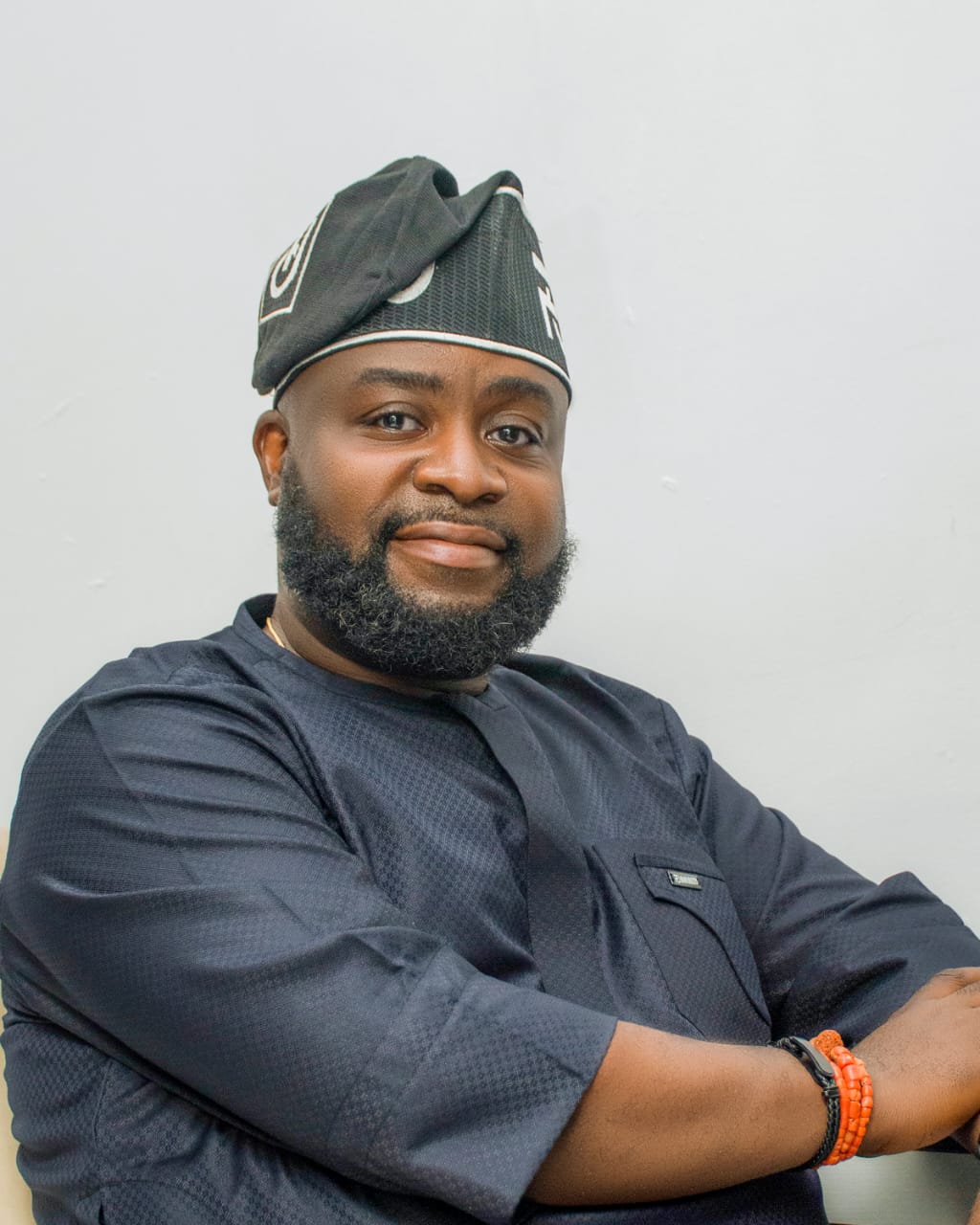
*PDP CHIEFTAIN, ONIRETI RESIGNS FROM PARTY, CITES PERSONAL REFLECTION
A former House of Representatives candidate, Olufemi Onireti, has formally resigned his membership of the Peoples Democratic Party (PDP) in Oyo State.
His resignation was conveyed in a letter addressed to the Chairman of PDP Osupa Ward 9, Ogbomoso North Local Government, on Thursday.
Onireti described the decision as a difficult but necessary step after what he termed a period of “deep personal reflection.”
“I hereby formally resign my membership of the Peoples Democratic Party (PDP), effective immediately,” he wrote.
He acknowledged his years of active involvement in the party, including contesting for the House of Representatives in the last general election, noting that the PDP had offered him a platform for political participation, service, and growth.
Despite his exit, Onireti expressed appreciation to party leaders and members for the support he enjoyed over the years.
“I remain grateful for the opportunity to serve and for the relationships and experiences I gained during my time in the party.
I wish the party well in its future endeavours,” he added.
The development is expected to generate discussions within the Ogbomoso North political circle, as observers await his next political move.


-

 society7 months ago
Religion: Africa’s Oldest Weapon of Enslavement and the Forgotten Truth
-

 news4 months ago
WHO REALLY OWNS MONIEPOINT? The $290 Million Deal That Sold Nigeria’s Top Fintech to Foreign Interests
-

 society6 months ago
“You Are Never Without Help” – Pastor Gebhardt Berndt Inspires Hope Through Empower Church (Video)
-

 celebrity radar - gossips2 months ago
Dr. Chris Okafor Returns with Power and Fire of the Spirit -Mounts Grace Nation Altar with Fresh Anointing and Restoration Grace on February 1, 2026