
Politics
THE IMPORTANCE OF HISTORY, THE BLOODY COUP OF JANUARY 15th 1966 AND A TRIBUTE TO OUR HEROES PAST By Chief Femi Fani-Kayode

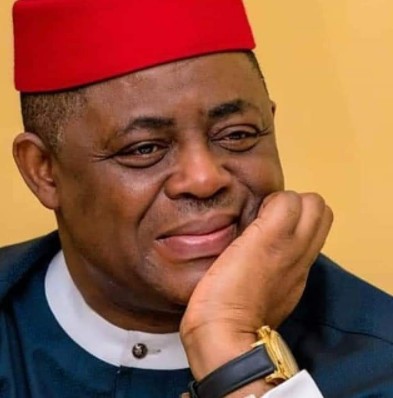
THE IMPORTANCE OF HISTORY, THE BLOODY COUP OF JANUARY 15th 1966 AND A TRIBUTE TO OUR HEROES PAST
By
Chief Femi Fani-Kayode
Nigeria is the only country in the world in which history is not taught.
This policy has done us much harm and represents perhaps the greatest, most savage, most brutal and most destructive blow to the pysche, confidence, knowledge, intellectual acumen and mental health of our people.

The consequence of this egregious and unbelievable error and grave oversight is the fact that we are now having to contend with a vast population of over 220 million people who are essentially ignorant of their own past, that have no knowledge of their noble historical heritage and that predicate and rationalise their nation’s existence on lies, misinformation, disinformation, falsehood, folklore, fairy tales, fantasy, self-serving and selective clap trap and a more than heavy dose of intellectual distortion and historical revisionism.
This is precisely why we are, in the main, essentially a conflicted and confused people who have no idea where we are coming from, where we are today or where we are going tomorrow.
This is why we, more often than not, view, discuss and debate our nation’s history with an emotional bent and from a thoroughly subjective, unintelligent and unintellectual prism rather than an objective, plausible, logical, level- headed, factual and intelligent one with strong primary sources and unassailable empirical evidence.
We have little or no regard or appreciation of the heroic deeds, monumental struggles, historical achievements and extraordinary sacrifices that our forefathers made in the struggle against British colonial rule, the fight for independence, the struggle against military rule and the challenges and obstacles that our politicians from the First, Second and Third republics faced, surmounted and overcame to get us to where we are.
This is our reality and frankly it is pitiful.
I say pitiful because without any knowledge of our history we are nothing.
Worse of all is the fact that, having learnt nothing from our past mistakes and numerous historical challenges because we have no idea about precisely what those mistakes and challenges were, it becomes inevitable for us to repeat them.
Permit me to tickle your collective fancies by asking the following questiins.
How many Nigerians know who Alafin Aole Arogangan, Sheik Usman Dan Fodio, Bishop Ajayi Crowther, Rev. Emmanuel Adelabi Kayode (my great grandfather), Herbert Macauly, Sapara Williams, Rev. Suberu Fanimokun, Isaac Boro, General Murtala Mohammed, Alhaji Ali Akilu, Alhaji Umaru Shinkafi, Colonel Gideon Orkar and Alhaji Waziri Ibrahim were?
How many know anything about Ernest Ikoli, Alhaji Aminu Kano, Chief Joseph Tarka, Owelle Nnamdi Azikiwe, Justice Daddy Onyeama, Chief Philip Asiodu, Chief Allison Ayida, Chief Hope Harriman, Chief Godfrey Amachree, Alhaji Adamu Attah, Alhaju Adamu Augie, Chief Solomon Lar, Alhaji Saleh Jambo, Alhaji Saleh Hassan, Oba Adesoji Aderemi and Alhaji Adamu Ciroma?
How many know much about General Hassan Katsina, General Ibrahim Babangida, General Shehu Musa Yar’adua, General TY Danjuma, General Sani Abacha, Colonel Abubakar Dangiwa Umar, Dr. Olusola Saraki, Chief KO Mbadiwe, Chief Obafemi Awolowo, Sir Adetokunboh Ademola, Chief FRA Williams, Justice Atanda Fatayi-Williams, Oba Okunade Sijuwade and the Black Scorpion, Benjamin Adekunle?
How many know anything about the Black Victorians of the old Lagos colony or Sara Forbes Bonneta who was the god-daughter of Queen Victoria of Great Britain.
How many have ever heard about Sara’s distinguished and well to do husband, Captain James Pinson Labulo Davis, a wealthy businessman and philanthropist from old Lagos.
How many know anything about the politics and history of Nigeria in the 1920’s, 1930’s, 1940’s, 1950’s, 1960’s, 1970’s, 1980’s and 1990’s?
How many knew that it was only in the 1950’s that Nigerians were allowed to live in the area of Lagos known as Ikoyi and that this came about only as a consequence of the long and bitter struggle and great and irresistible agitation of the proud and noble Nigerian leaders of the old Lagos colony of that day.
Up until then Ikoyi was a residential area that was the exclusive preserve of the European settlers and colonialists!
How many have heard about Justice Victor Adedapo Kayode, my Cambridge-University trained paternal grandfather who was one of the leading criminal lawyers of his generation, who was the third Nigerian to be appointed as a Magistrate (in those days all our judges were white) and who landed a dirty slap on the face of a British colonial officer in broad daylight outside the front door of the old Bristol Hotel in Lagos for his insolence, impertinence and overtly racist remarks!
The following day the matter was reported in the newspapers and it created quite a stir!
How many know about what really happened during our civil war and what led to it?
How many know about President Shehu Shagari and the Second Republic and how many have any knowledge of Chief MKO Abiola in the third?
How many know about military rule in Nigeria and who the main players were and how many have any idea about the coups and attempted coups we have experienced since independence?
Sadly most Nigerians, particularly in the Gen Z generation, know NOTHING about their nations past and its major players and even when they do that knowledge is sparse, scanty, shallow and, more often than not, minimal, inconsequential and obscure.
It really is a tragedy and one of the reasons that yours truly has written this contribution about the relevance of January 15th in our calender is to at least attempt to enlighten those that are intelligent enough to appreciate the importance of history and that have no idea why we even have or celebrate an Armed Forces Remebrance Day or where our seemingly unending troubles and turmoil really started.
Consider the following.
Today is Armed Forces Remembrance Day and it is a day that we are constrained to rembember our fallen heroes.
Many in the younger generation do not know why this particular day was chosen to commemorate those that fell and the tragic events that led to their brutal murder.
Permit me to enlighten those that know no better and to share the facts.
58 years ago today, on January 15th 1966, a bloody, vicious, merciless, unrelenting and violent mutiny took place in our Armed Forces in which many of our reverred, respected and beloved political leaders and senior military officers, together with some members of their respective families, were humiliated, tortured, mutilated and finally murdered in cold blood.
Those that were killed were Sir Abubakar Tafawa Balewa, the Prime Minister, Sir Ahmadu Bello, the Sardauna of Sokoto and Premier of the old Northern Region, Chief S.L. Akintola, the Premier of the old Western Region, Brigadier Zakariya Maimalari, Colonel James Pam, Brigadier Samuel Ademulegun, Colonel Ralph Sodeinde, Chief Festus Okotie-Eboh, the Minister of Finance, Colonel Arthur Unegbe, Colonel Kur Mohammed, Lt. Colonel Abogo Largema, Mrs. Hafsatu Bello, the wife of the Sardauna of Sokoto, Zarumi, the bodyguard of the Sardauna of Sokoto, Mrs. Lateefat Ademulegun, the wife of Brigadier Ademulegun, Ahmed B. Musa, Ahmed Pategi, Sgt. Daramola Oyegoke, PC Yohana Garkawa, PC Musa Nimzo, PC Akpan Anduka, PC Hagai Lai and PC Philip Lewande.
Two others were also abducted by the mutineers from their homes that night and brutalised. Thankfully they both managed to escape with their lives.
The first was Chief Remilekun Adetokunboh Fani-Kayode KC, SAN, CON, the Balogun of Ile-Ife and the Deputy Premier of the old Western Region (my beloved father).
I personally witnessed some of the events of that night when, led by one Captain Emmanuel Nwobosi, they came to our home and official residence in Government House, Ibadan and abducted him.
Thankfully he was rescued later in the day by loyal troops led by Lt. Colonel Yakubu Gowon (as he then was), Captain Paul Chabri Tarfa (as he then was) and Lt. Takoda, who stormed the officers mess in Dodan Barracks, Lagos where he was taken and was being held by the mutineers and freed him after a prolonged and bloody gun battle which resulted in deaths on both sides.
The second was Sir Kashim Ibrahim, the Governor of the old Northern Region who was rescued and freed by loyalist forces in Kaduna.
Both of these men were delivered by divine providence and went on to live for many more years and make their contributions to national development.
The coup was led by Major Emmanuel Arinze Ifeajuna and Major Chukuwemeka Kaduna Nzeogwu and 90% of the officers involved were Igbo.
The allegation that it was an Igbo coup is accurate and factual regardless of all attempts to revise and re-write history, often by the murderers and mutineers themselves, in a futile attempt to make it look otherwise and portray themselves as patriots and heroes.
They were far from either of the two and the bitter truth is that they were nothing more than a bunch of cowardly, treacherous, self-serving, ungrateful, over ambitious, power- hungry homicidal maniacs and murderous butchers who attempted to take power through the barrel of the gun and impose an ethnic and religious agenda.
The assertion that it was not an Igbo coup is patently false and we owe it to those that lost their lives on that terrible night to at least speak the truth about what happened and who killed them.
I commend the historians, commentators and writers, including individuals like @renoomokri, who have collectively continued to pronounce and enunciate this sacred truth despite the insults and threats which they are often subjected to by those who are blind to the reality, who have no knowledge of history and who have been misguided and brainwashed into believing otherwise.
The cycle of violence that the unprecedented amount of violence and bloodshed that took place that terrible night unleashed was horrendous and not only did it lead directly to what has rightly been described by historians as the “Northern officers revenge coup” 6 months later in July 1966 in which 300 Igbo officers and the Igbo Head of State, General Aguiyi-Ironsi, was murdered but also to the infamous pogroms in the North where up to 100,000 Igbos were murdered by angry mobs and finally the civil war in which up to 3 million Igbo civilians and Biafran soldiers (including 1 million Igbo children) were butchered alongside hundreds of thousands of Nigerian civilians and gallant Army officers.
My prayer is that we never witness or experience such bloody events in our history again but if anyone is interested in knowing where, how and why this terrible series of events and cycle of brutality started they must consider the events of January 15th 1966 when the murderous barbarians that called themselves young Army officers unleashed mayhem on our leaders and killed so many of them in the most beastly and cowardly fashion.
History records all those that were murdered that night as heroes and we shall never belittle, forget or undermine the supreme sacrifice that they made for our beloved nation.
They live on in our hearts and we resolve to soldier on regardless and make Nigeria an even greater and better country than they sought to make it and to honour their memory by building on their great and noble heritage and legacy.
May their precious souls continue to rest in peace, may the Lord continue to protect, comfort and bless those they left behind including their families and loved ones and may God continue to guide and lead our great nation Nigeria.
Happy Armed Forces Remembrance Day!




Politics
APC Group Endorses Fubara for 2027, Calls on Tinubu and APC to Prioritise Performance Over Politics in Backing Governor’s Second Term Ambition
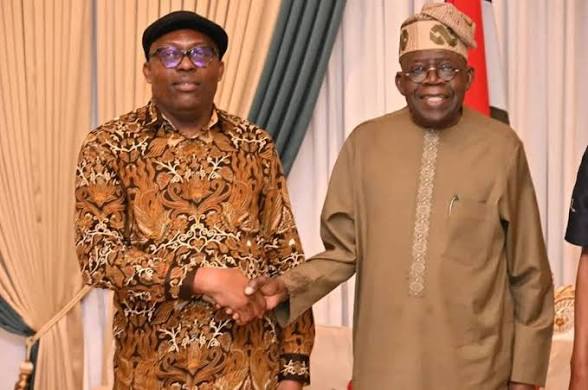
*APC Group Endorses Fubara for 2027, Calls on Tinubu and APC to Prioritise Performance Over Politics in Backing Governor’s Second Term Ambition*
The APC National Vanguard has appealed to President Bola Ahmed Tinubu and the leadership of the All Progressives Congress (APC) to support a second term in office for Siminalayi Fubara, citing what it described as “impressive and verifiable developmental strides” across Rivers State.
In a statement issued on Thursday by its National President, Dr Gbenga Salam (JP), the group said its position followed an extensive assessment tour of key infrastructure and public service projects executed under the Fubara administration.
The APC National Vanguard said the appeal was based strictly on performance, arguing that governance outcomes should outweigh partisan considerations, particularly in a state as economically significant as Rivers.
“We respectfully urge President Bola Ahmed Tinubu and the leadership of the All Progressives Congress to support the continuity of Governor Siminalayi Fubara beyond his current tenure, in recognition of his commitment to development, prudent resource management, and people-focused governance,” the statement read.
According to the group, its delegation visited multiple project sites across the state, observing ongoing and completed works spanning road construction, urban renewal, and public infrastructure upgrades.
It noted that the scale and distribution of these projects reflect a deliberate effort by the state government to extend development beyond traditional urban centres and into underserved communities.
“Our findings from the tour reveal a government that is not only active but intentional in its development agenda. The execution of capital projects across various parts of Rivers State demonstrates a clear understanding of the needs of the people and a commitment to addressing them,” Dr Salam said.
The group particularly commended what it described as prudent financial management by the administration, noting that the projects reviewed showed evidence of careful planning and efficient allocation of resources.
“At a time when economic pressures are evident across the country, it is commendable that the Rivers State government has managed its resources in a way that delivers visible and impactful development without signs of fiscal recklessness,” the statement added.
The APC National Vanguard further observed that despite political tensions in the state, the Fubara administration has maintained focus on governance, ensuring continuity in project execution and service delivery.
The group argued that such stability is critical for sustained development and should be encouraged rather than disrupted.
“Leadership must ultimately be judged by results. In Rivers State, there is clear evidence of progress—projects that are not only announced but executed, and policies that translate into real benefits for citizens,” Dr Salam noted.
The group warned that discontinuity in leadership could stall ongoing projects and reverse gains already recorded, stressing the importance of allowing a performing administration to consolidate its achievements.
“Rivers State is at a pivotal stage where continuity will allow for the completion of ongoing initiatives and the deepening of development gains. Supporting Governor Fubara for a second term is, therefore, a decision in the best interest of the people,” the statement said.
In addition to its call on the APC leadership, the group reaffirmed its support for President Tinubu, expressing confidence in his administration’s broader economic and governance reforms.
The APC group urged Nigerians to remain supportive of efforts aimed at stabilising the economy and strengthening public institutions.
“We reiterate our endorsement of President Bola Ahmed Tinubu for a second term in office, in recognition of his leadership and commitment to national development. With sustained support, the administration can consolidate its reform agenda for the benefit of all Nigerians,” Dr Salam added.
The APC National Vanguard concluded by calling on political actors to prioritise development and public interest over partisan divides, insisting that governance should always be guided by performance and accountability.
“Where leadership demonstrates prudence, delivers development, and remains focused on the welfare of the people, it deserves continuity. This is the position we have reached after a careful and independent assessment of Rivers State,” the statement added.
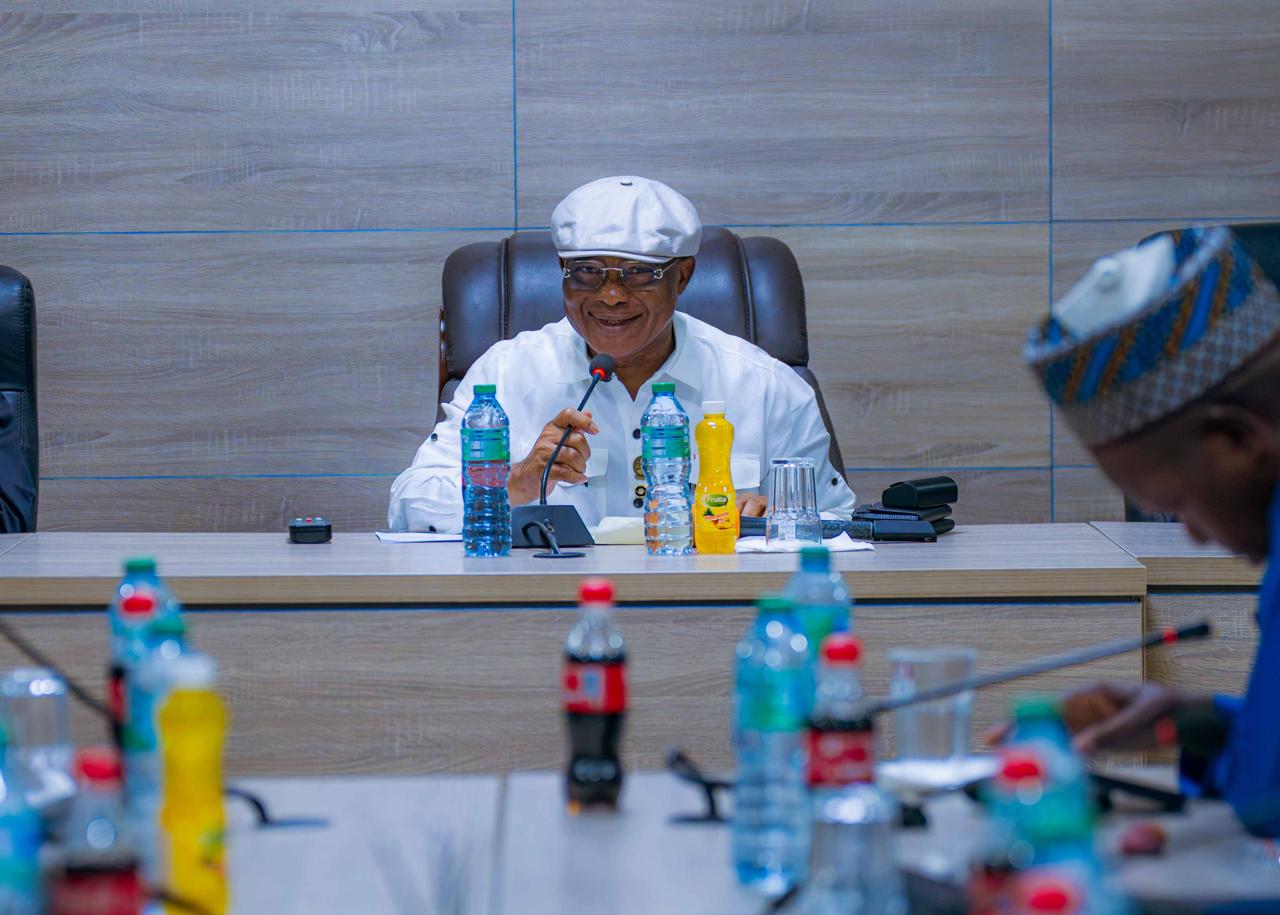
*Renewed Hope Ambassadors Step Into the Next Phase
Fresh from the successful APC 2026 National Convention, the Renewed Hope Ambassadors National, Zonal, and State leadership gathered in Abuja over the weekend, for its fourth strategic meeting, setting the tone for nationwide grassroots activation ahead of 2027.
Chaired by Governor Hope Uzodinma (Imo State) the Director General and National Coordinator of the Renewed Hope Ambassadors, alongside Deputy Director-General, Governor Uba Sani of Kaduna State, and Governor Inuwa Yahaya of Gombe State as Secretary, the session reinforced one clear direction: One Party. One Message. One Mobilization whilst also laying out a strategic roadmap for the activation of the network across all communities in Nigeria.
Backed by the strength of 31 APC-led states, the Renewed Hope Agenda is taking Bola Ahmed Tinubu’s message of progress and reform to every corner of Nigeria.
From bold economic restructuring to initiatives like NELFUND, the increase in the national minimum wage from ₦30,000 to ₦70,000, and strategic investments in critical sectors, including PNiCGI, the mission remains clear: helping Nigerians understand both the purpose and the progress of the Renewed Hope vision.
This is coordination at scale. This is grassroots engagement with purpose. This is the next phase of Renewed Hope with One Party, One Message, and One Mobilisation framework
#RenewedHopeAmbassadors #APC #WeAreAPC


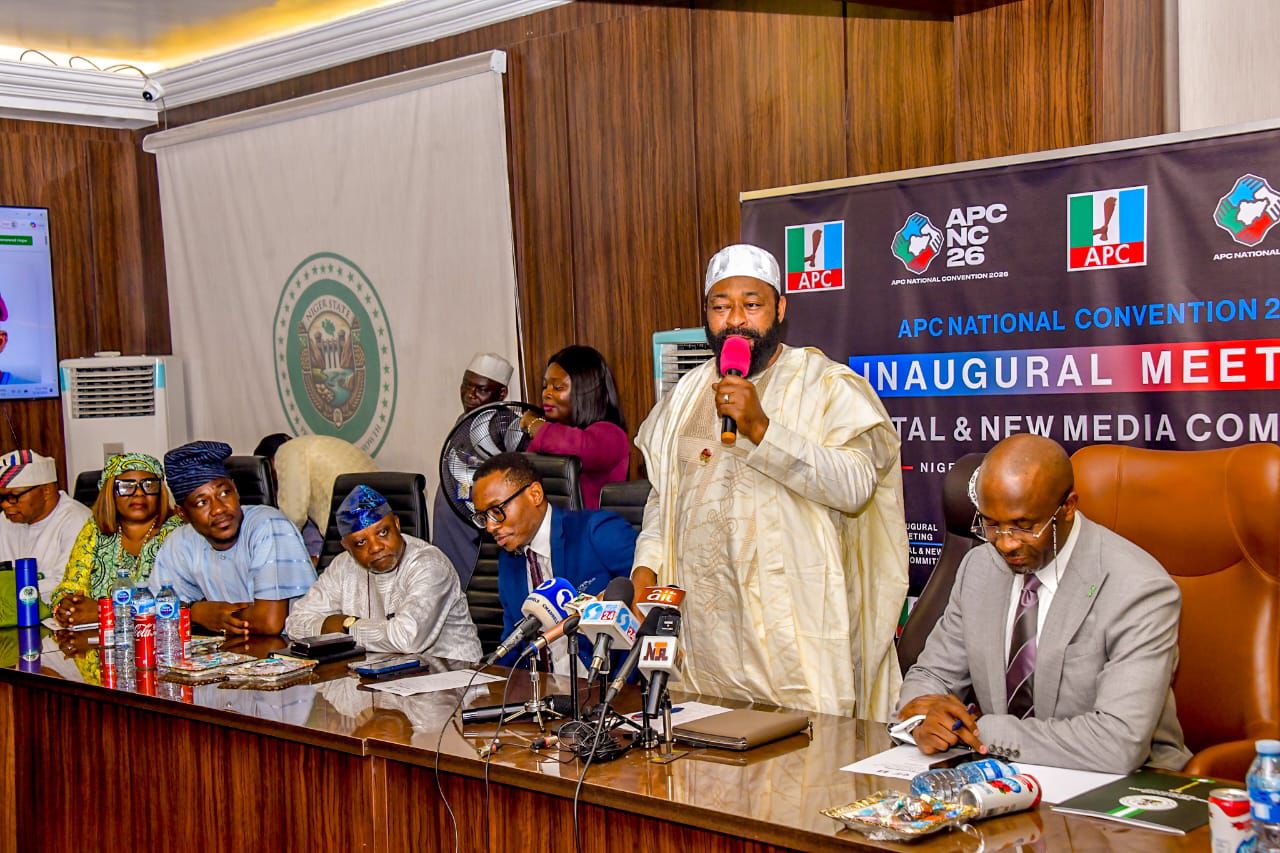
Governor Bago Inaugurates APC Digital Media Sub-Committee Ahead of National Convention.
Governor Umaru Bago has inaugurated the Digital Media Sub-Committee for the forthcoming National Convention of the All Progressives Congress (APC), scheduled to hold on March 27 and 28, 2026 in Abuja.
Chairing the sub-committee, Governor Bago tasked members with the responsibility of effectively communicating the party’s manifesto to the public.
He emphasized the need to leverage social media platforms to highlight the achievements and ongoing efforts of President Bola Ahmed Tinubu, noting that communication gaps have posed challenges that must now be decisively addressed.
The Co-Chair of the sub-committee, Hon. Benjamin Kalu, Deputy Speaker of the House of Representatives, echoed the Governor’s position, urging members to project the activities of both the party and the government to a broader audience.
He called for a deliberate and coordinated effort to showcase the party’s achievements and policy direction, stressing the importance of shaping a compelling and consistent narrative across all digital platforms.
Delivering a presentation to the committee, Otega Ogra, SSA to the President on New Media, who serves as Secretary of the sub-committee, outlined strategic focus areas to guide the team’s operations.
His presentation highlighted communication priorities and actionable steps to achieve the committee’s mandate and strengthen the party’s digital engagement.


-

 society6 months ago
Religion: Africa’s Oldest Weapon of Enslavement and the Forgotten Truth
-

 news4 months ago
WHO REALLY OWNS MONIEPOINT? The $290 Million Deal That Sold Nigeria’s Top Fintech to Foreign Interests
-

 society6 months ago
“You Are Never Without Help” – Pastor Gebhardt Berndt Inspires Hope Through Empower Church (Video)
-

 celebrity radar - gossips2 months ago
Dr. Chris Okafor Returns with Power and Fire of the Spirit -Mounts Grace Nation Altar with Fresh Anointing and Restoration Grace on February 1, 2026