
society
THE PRICE OF FREEDOM: When Governments Talk to Bandits — The Confusing, Dangerous Rescue of 38 Worshippers in Kwara

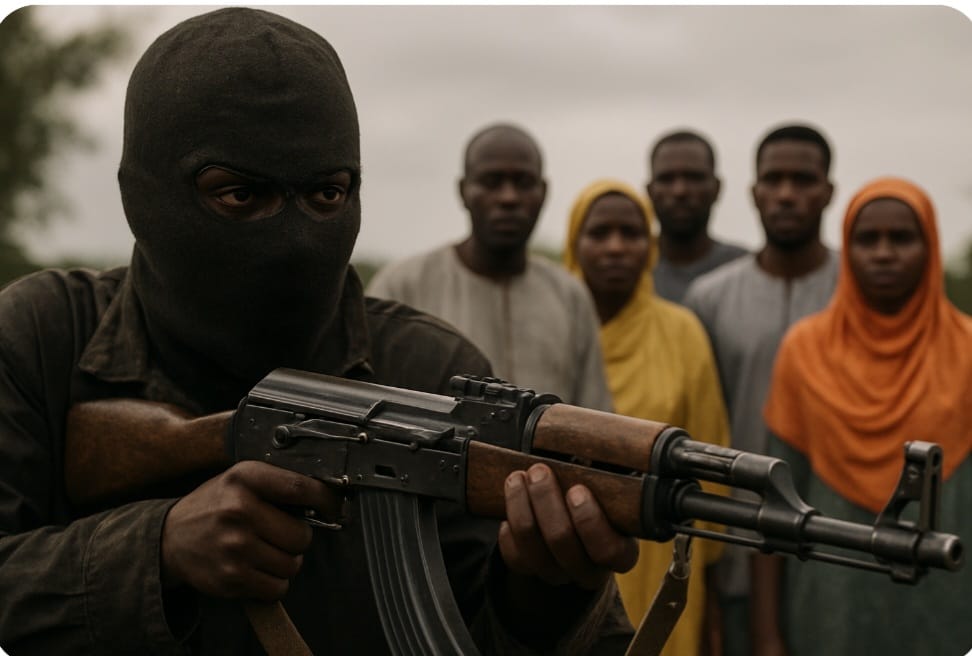
THE PRICE OF FREEDOM: When Governments Talk to Bandits — The Confusing, Dangerous Rescue of 38 Worshippers in Kwara.
By George Omagbemi Sylvester | Published by saharaweeklyng.com
“DSS and the military say they “CONTACTED” kidnappers and secured the release — critics ask whether the state paid a hidden ransom and whether any deal will deepen Nigeria’s kidnapping economy.”
On November 18, 2025, gunmen stormed the Christ Apostolic Church in Eruku, Kwara State, killing two congregants and abducting 38 worshippers. The kidnappers immediately slapped an extraordinary demand (₦100 million per captive) a sum that made headlines and sickened relatives. The nation watched in horror as the familiar script of mass abduction and ransom negotiation ran again across our airwaves.

By November 24 the worshippers were free. But the sequence that led to their release has produced more questions than comfort. The Presidency’s information aide, Bayo Onanuga, told reporters that the Department of State Services (DSS) and the military had “CONTACTED the BANDITS” and, through real-time tracking and pressure, secured the release without paying ransom. “THEY REACHED OUT TO THE KIDNAPPERS AND DEMANDED THE RELEASE OF THE VICTIMS AND THE BANDITS COMPLIED,” Mr. Onanuga said. The Presidency insisted no ransom was paid.
That official narrative (CONTACT, MONITORING, PRESSURE, RELEASE) sounds tidy. It is also deeply unsettling. For decades families, communities and sometimes local governments have paid to get loved ones back. Analysts and international observers have documented millions of dollars exchanged in secret transactions between captors and the captive’s handlers; such payments become part of the criminal ecosystem, emboldening more abductions. “The motivation of these groups appears purely economic,” SBM Intelligence’s head of research once told Sahara when discussing the KIDNAP-FOR-RANSOM boom. History shows payments (whether explicit or concealed) can have perverse consequences.

So which is it in Eruku? The Presidency’s line is that security agencies negotiated and that the bandits, confronted by surveillance and the prospect of force, “COMPLIED.” Critics ask whether the state’s words conceal a quieter transaction: a back-channel transfer of funds, local payments by community leaders, or a tacit bargain that leaves the bandits enriched and empowered. Nigerian reporting after the releases has been mixed: some outlets relay Onanuga’s position that no ransom was paid, while others note continued local reports of community-level payments or murky negotiations.
There are three hard, non-negotiable truths we must hold in mind.

First: in a country where kidnapping for ransom has metastasized into a criminal economy, any release that lacks transparent forensic explanation will breed suspicion. Between 2011 and 2020, some firms estimated that tens of millions were paid to kidnappers across Nigeria (largely by families and intermediaries) a fact that demonstrates both the scale and the secretive cash flows sustaining the crime. When governments insist “NO RANSOM WAS PAID” without opening records or allowing independent verification, cynicism grows.
Second: the ethical and strategic dilemma is real. Security experts, criminologists and ethicists describe an agonizing choice: refuse to negotiate and risk lives, or negotiate/pay and save people now while encouraging more abductions later. A growing body of research argues that ransom payments produce a perverse feedback loop: immediate human relief at the cost of long-term national insecurity. “Paying the ransom may save a life immediately, but it causes more harm in the long run by encouraging further kidnappings,” a recent ethical review summarized. Policymakers must reckon honestly with that calculus.

Third: secrecy is the enemy of accountability. If security agencies can secure releases by non-lethal means (surveillance, pressure, targeted operations) the public should be presented with credible, verifiable steps explaining how danger was neutralized and how captors were prevented from using the same methods again. If, instead, releases depend on opaque deals or payments through intermediaries, then the state is, in effect, subsidizing criminality with impunity.
Voices from the field amplify these concerns. Ikemesit Effiong of SBM Intelligence described the kidnap economy as mostly financially motivated, fed by poverty and the breakdown of social controls; each successful payout is a business case for the next abduction. Academics who study the phenomenon have similarly warned that ransom markets create perverse incentives and institutional corruption that erode state capacity. In other words: when the state or its proxies pay to free today’s victims, it often pays tomorrow, through renewed crime and weakened trust.
This is not an argument for cold-hearted refusal to save lives. It is a demand for honesty and strategy. If the DSS and the military really relied on real-time tracking, coordinated intelligence and pressure to force a surrender without money changing hands, the Presidency should publicize a clear after-action account: what assets were used, what intelligence nodes tracked the gang, whether arrests were made, and what follow-up operations will prevent recurrence. That would be a template for accountability and learning.
If, on the other hand, a payment (direct or indirect) secured the release, Nigerians deserve to know that too. Concealing payments achieves two dangerous ends: it normalizes secret deals between the state and criminals, and it institutionalizes a shadow market where bandits calculate the expected payout for every attack. Either outcome corrodes the rule of law.
There are practical reforms the federal government must pursue, simultaneously and without further delay. First: transparency and publish factual, declassified after-action reports of rescue operations that explain who did what, and how outcomes were achieved. Second: a national policy on ransom negotiations, designed with input from security services, legal scholars, community leaders and international partners, that specifies when and how officials may engage with captors and under what safeguards. Third: invest aggressively in community resilience such as rural patrols, credible policing, emergency funds for forensic investigations, while prosecuting collaborators and vigilantes who profit from abduction markets. Fourth: strengthen prosecutions and asset-forfeiture regimes that clamp down on the financial networks banking ransom payments. Evidence-based suppression of the economics of crime is as crucial as boots on the ground.
Finally, we must have a public conversation about responsibility. Families and communities pay because they lack confidence in their state. Governments that want to break kidnapping’s business model must first restore trust: by showing that the state can protect citizens, secure rescues lawfully, and deny bandits the currency they crave. Anything less is appeasement dressed as rescue.
The Eruku case should be a moment of clarity for Nigeria. If the DSS and military achieved a no-cash rescue through skillful intelligence and pressure, the agencies should make that model public and replicable. If they relied on payments (however camouflaged) the country must confront the cost of that choice and act to end the market those payments prop up. Either way, secrecy benefits only the criminals and deprives Nigerians of the truth.

The 38 worshippers are home and for that we give thanks; but GRATITUDE must not silence ACCOUNTABILITY. The state’s job is not only to recover victims; it is to ensure the recovery does not fuel the next crime. Until the full facts of the Eruku release are laid on the table and scrutinized, the “MIRACLE” of a mass release will always carry the sour aftertaste of suspicion; and Nigeria will remain trapped in a vicious cycle where rescue equals reward and reward equals repeat.




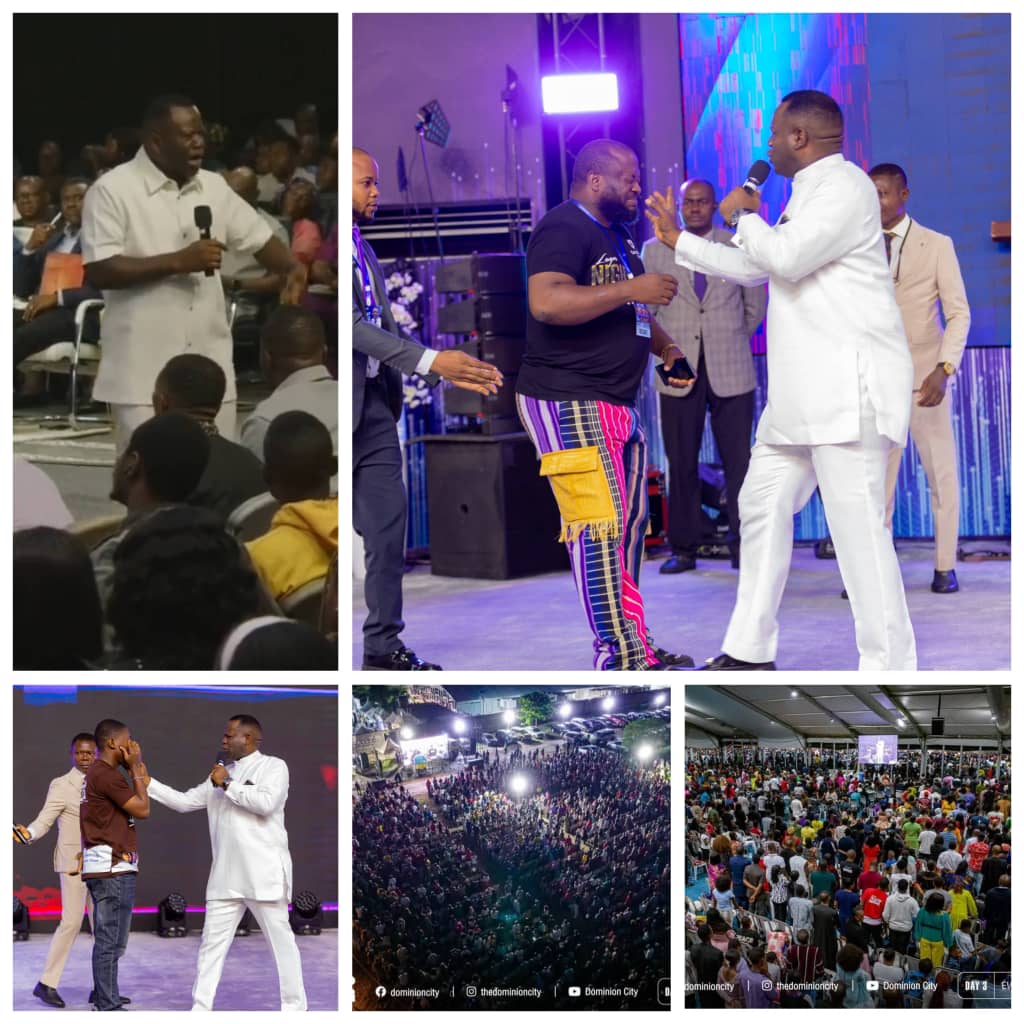
Revival Atmosphere as Dominion City Launches Night of Glory 2026.
Lagos – The atmosphere was charged with faith, worship, and expectancy as Dominion City’s Global Camp Meeting 2026 entered its peak with the first day of the “Night of Glory,” drawing thousands of worshippers to Lagos and Enugu in a powerful display of spiritual revival.
Held at the Golden Heart Place, Ajah, Lagos, the Friday evening gathering marked a significant moment in the ongoing six-day conference themed “Redigging the Wells of Our Fathers.” Participants from across Nigeria and beyond converged both physically and online, united by a shared hunger for divine encounter and transformation.
From the outset, the meeting was characterised by intense worship sessions led by gospel ministers, creating an atmosphere many attendees described as “tangible with God’s presence.” The night quickly transitioned into sessions of fervent prayers, prophetic ministrations, and teachings centred on restoration, healing, and spiritual awakening.
Presiding over the meeting, Dr. David Ogbueli, founder of Dominion City, charged participants to reconnect with foundational truths and spiritual disciplines necessary for personal and societal transformation. He emphasised that the “Night of Glory” was designed as a moment of divine visitation where destinies could be reshaped.
“As we redig the wells of our fathers, we are reconnecting with ancient graces and covenant realities that produce undeniable results,” he declared.
As the night unfolded, several remarkable testimonies were shared, reinforcing the theme of supernatural intervention. Among them was the case of a 14-year-old girl who was reportedly delivered from a seven-year struggle with pornography addiction, an experience that drew emotional reactions from the congregation.
Other testimonies included reported healing from cancer, recovery from a severe skin infection attributed to spiritual affliction, the healing of a heart-related condition, and three years of a non-menstrual period. Attendees also recounted instances of restored hearing and sight, with individuals testifying to improvements from partial deafness and blindness, among others.
Fathers of faith present were Barrister Emeka Nwankpa, Pastor Yemi Ayodele, Rev. Pade Tokun, Apostle Gbenga Adegbenro, Rev. Mike Adegbile, and others. Other Ministers present, including Pastor Dr. Charles Ndifon, Pastor Randy Mitchell, Apostle Ikechukwu Nnajiofor, and others, reinforced messages of faith and the power of God to intervene in human situations. They encouraged worshippers to remain steadfast and receptive, noting that miracles often spring from an atmosphere of unwavering belief.
Beyond the miraculous, the gathering also underscored a broader call to moral and spiritual renewal. Church leaders reiterated the need for believers to embody values that can positively influence society, especially in a time of perceived moral decline.
The “Night of Glory” is part of the larger Global Camp Meeting, which began on April 1 and will run through April 6, featuring daily teachings, leadership sessions, and specialized programmes for youths and families.
Organisers say expectations remain high for the second night, with many believing that the wave of miracles and transformation witnessed on the first night is only the beginning.
For many attendees, however, the message was clear beyond the signs and wonders; the true essence of the gathering lies in a renewed commitment to live transformed lives and impact society. //END.//
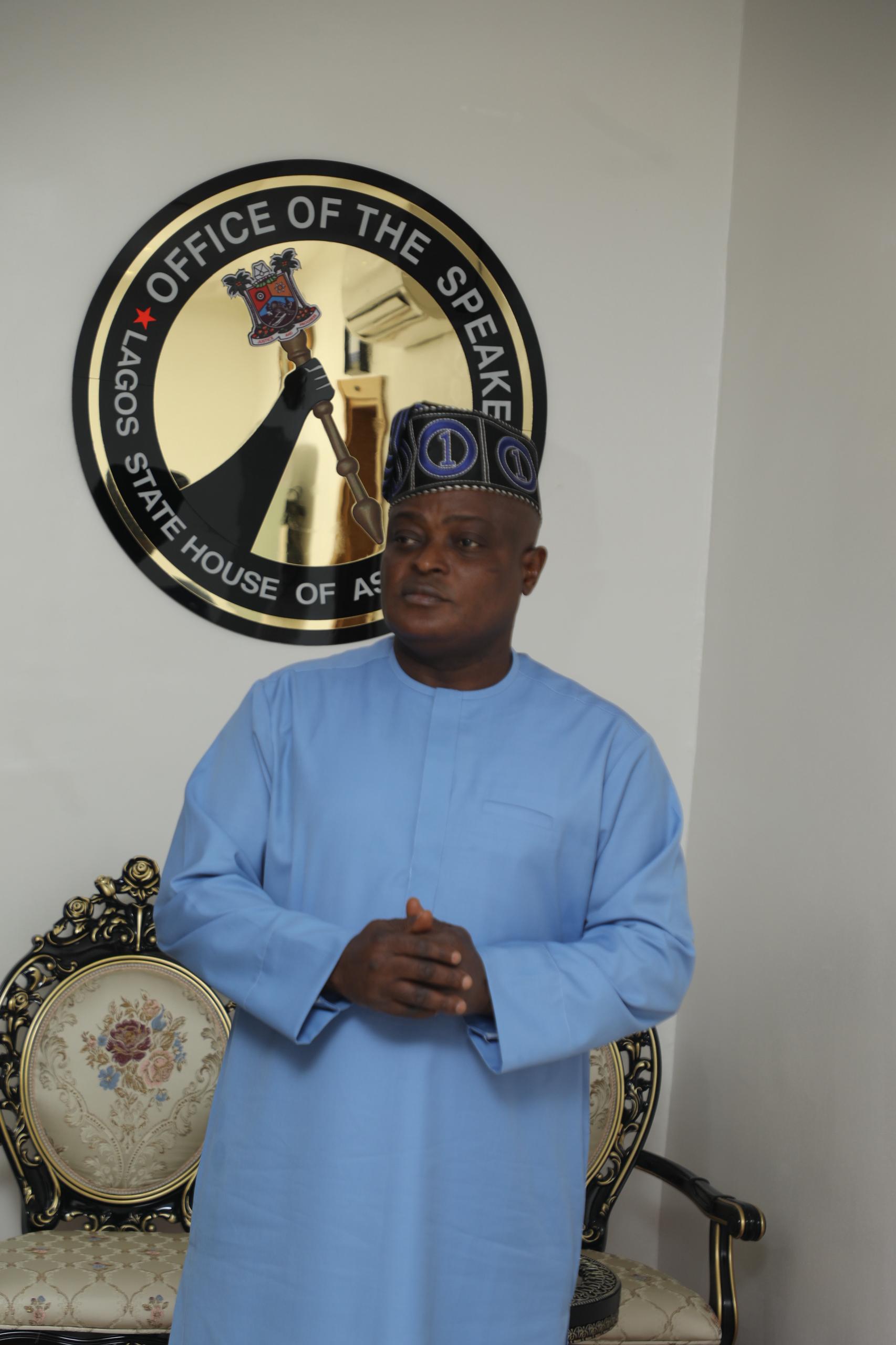
Easter: Obasa Urges Christians To Embrace Hope, Unity, Renewal
The Speaker of the Lagos State House of Assembly, Rt. Hon. Mudashiru Obasa, has congratulated Christian faithful in Lagos and across Nigeria on the celebration of Easter, urging them to draw strength from the lessons of Christ’s resurrection.
In his Easter message, released by his Chief Press Secretary, Mr. Dave Agboola, Obasa described the season as a reminder of victory over despair, renewal after trials, and the triumph of light over darkness. He noted that just as Christ overcame death, Nigeria can overcome its current challenges if citizens remain steadfast, prayerful, and committed to unity.
“Easter is a season of hope and renewal. As a nation, we face economic pressures and security concerns, but the resurrection teaches us that no situation is beyond redemption. Let us roll away the stones of division and despair, and work together for peace, justice, and prosperity,” the Speaker said.
He called on Lagosians to continue to show love and compassion to one another, stressing that collective effort is key to building a stronger Lagos and a better Nigeria.
Obasa prayed that the joy of Easter would fill homes with renewed faith and guide both leaders and citizens toward a brighter future.
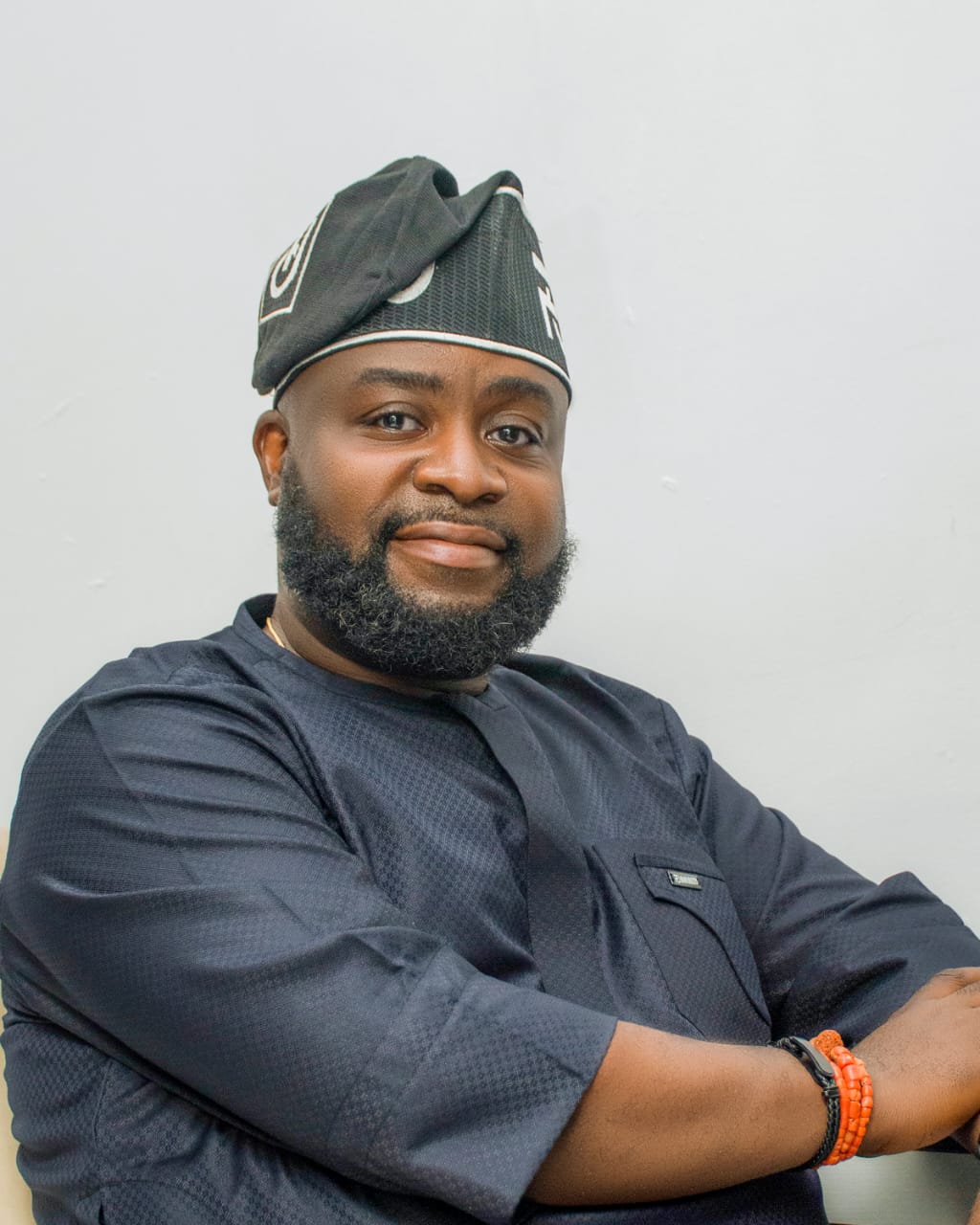
*PDP CHIEFTAIN, ONIRETI RESIGNS FROM PARTY, CITES PERSONAL REFLECTION
A former House of Representatives candidate, Olufemi Onireti, has formally resigned his membership of the Peoples Democratic Party (PDP) in Oyo State.
His resignation was conveyed in a letter addressed to the Chairman of PDP Osupa Ward 9, Ogbomoso North Local Government, on Thursday.
Onireti described the decision as a difficult but necessary step after what he termed a period of “deep personal reflection.”
“I hereby formally resign my membership of the Peoples Democratic Party (PDP), effective immediately,” he wrote.
He acknowledged his years of active involvement in the party, including contesting for the House of Representatives in the last general election, noting that the PDP had offered him a platform for political participation, service, and growth.
Despite his exit, Onireti expressed appreciation to party leaders and members for the support he enjoyed over the years.
“I remain grateful for the opportunity to serve and for the relationships and experiences I gained during my time in the party.
I wish the party well in its future endeavours,” he added.
The development is expected to generate discussions within the Ogbomoso North political circle, as observers await his next political move.


-

 society7 months ago
Religion: Africa’s Oldest Weapon of Enslavement and the Forgotten Truth
-

 news4 months ago
WHO REALLY OWNS MONIEPOINT? The $290 Million Deal That Sold Nigeria’s Top Fintech to Foreign Interests
-

 society6 months ago
“You Are Never Without Help” – Pastor Gebhardt Berndt Inspires Hope Through Empower Church (Video)
-

 celebrity radar - gossips2 months ago
Dr. Chris Okafor Returns with Power and Fire of the Spirit -Mounts Grace Nation Altar with Fresh Anointing and Restoration Grace on February 1, 2026