
celebrity radar - gossips
The resurrection of Hip-Hop In the Nigerian Music Industry



-Osho Oluwatosin, Lagos
For some weeks now, one of the industries that has received so much attention lately is the Nigerian music industry due to the content flying around the industry.
A lot of music fans have been enjoying this atmosphere as some claim it is very healthy for music especially for the lovers of hip-hop.
Not to keep you in suspense, all I am talking about it the most recent diss tracks flying around in the hip hop sector of the Nigerian music industry. The hip hop industry has really come alive than it has ever been in the past few years.
It all started with one of Chocolate city’s latest signee, Blaqbones, who claims to be the best rapper in Africa shading fellow rapper, Davolee, who was under Olamide’s imprint and Wale Turner, a rapper too, in a song which he was featured on titled ‘Define Rap’ by VJ Adams.
In his verse, he mentioned that ‘Where was Davolee and Wale Turner when sh*t got real’.
Just when we thought it was going to end with that, little did we know that something bigger was cooking between Vector and M.I, who have been counterparts over the years.
Vector pulled the trigger by releasing a diss track for M.I titled ‘Tetracycline’ , this received so many comments from hip-hop lovers especially for the fact that Vector is one who has been able to maintain his stature as one of the best rapper Nigeria has got.
While we were still waiting for M.I to respond, Vector pulled the second shot at M.I, whoop!, it was just another huge shot again as Mr Incredible fans were off balance as they listened to the second track.
Still in the midst of Vector and MI’s diss, Davolee who got a shade from Blaqbones responded and didn’t just fire the shot at Blaqbones alone but also Dremo, Falz, Poe, Ycee, Vector.His reply was such an epic one as people ever expected that he would kill so many birds with just one stone.
He mentioned how Blaqbones is just disrespectful, how Falz isn’t worthy of being a lyricist, how Ycee career went down, how Poe can’t drop hits, how vector delved into commercial music while challenging Dremo to battle him if he can.
However, Dremo actually did!, He replied with a diss track titled ‘Scape Goat’, the album art alone spoke so many messages and the lyrical prowess was just waow. He said in one his lines that he would turn Davolee to a mini-davolee, and how Davolee wears fake chains.
In less than 24hours, Davolee responded and said Dremo has used his glory to gather IG Followers who will still come for his funeral and asked if he bought the 30BG-Ice with his money, he also praised Davido for uplifting Dremo.
The whole thing got interesting when M.I responded to Vector’s diss tracks in a song titled ‘Viper’. He was so strategic to have released it on World Teachers’ day, creating an impression that he wants to school vector.
He made it known in the song that he didn’t do a diss track but a compassion, he repeatedly called Vector’s first name ‘Lanre’ in the song like he was referring to his son.
M.I also stated in his song that the fact that his son is taller than him doesn’t mean he won’t prostrate, recall that Vector had earlier shaded M.I for his height in the second diss track.
All these made Nigerians and music lovers give so much attention to Hip-Hop again in the country. It would be worthy of being noted that Rappers have delved into commercial music in order to make ends meet because they believe Nigerians don’t appreciate rap, however, with this, one would be left with no choice than to Say the real Hip-Hop is still alive.
Hip-hop has always been about rap battle, diss tracks, just for the fun of it, to create entertainment for the fans and have the fans anticipate their favourite rappers’ next diss track.
It already looked like the real Hip-Hop has been killed due to the stakeholders leaving the scene to another genre of music but with the latest development; Hip-Hop has resurrected again in the Nigerian music industry.


celebrity radar - gossips
BURATAI HAILED AS ‘FRONTLINE GENERAL’ AS PRAISE TRAILS MILITARY, DIPLOMATIC SERVICE
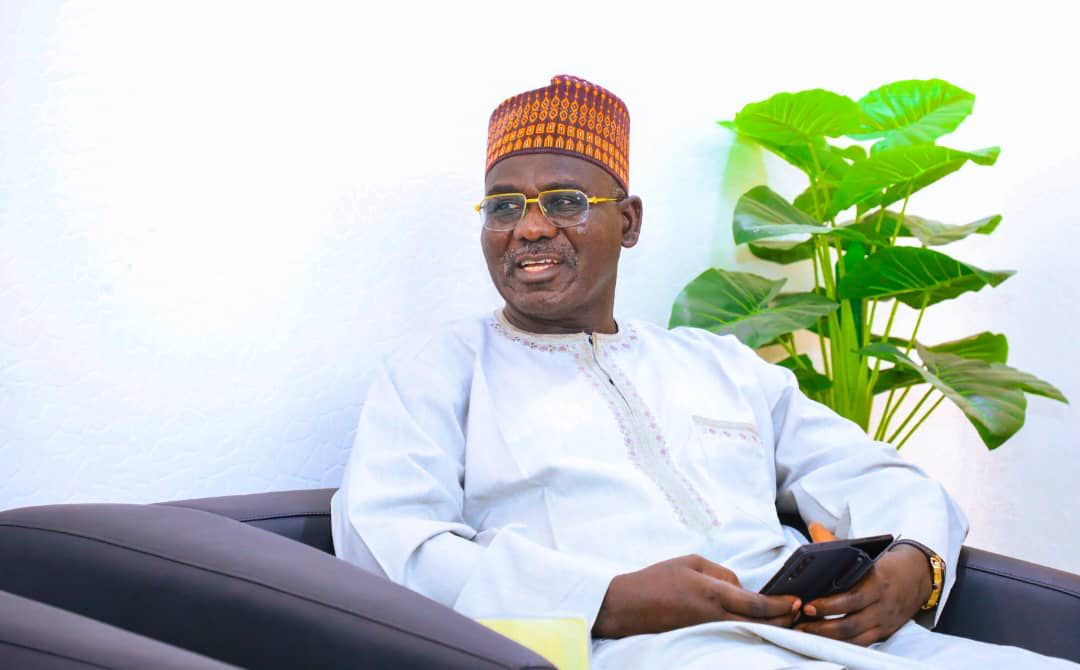
BURATAI HAILED AS ‘FRONTLINE GENERAL’ AS PRAISE TRAILS MILITARY, DIPLOMATIC SERVICE
ABUJA — Former Chief of Army Staff, Tukur Buratai (Rtd), has been described as a “frontline general” whose leadership redefined military command during Nigeria’s prolonged battle against insurgency.
The commendation, contained in a statement by KPUGHUR Sunday Christopher, highlighted Buratai’s direct involvement in combat theatres, noting that his decision to lead from the front distinguished him from many of his contemporaries.
According to the statement, the retired army chief’s presence in conflict zones at critical moments of the war effort underscored his commitment to national security and territorial integrity.
“He was not a distant commander. He was present where it mattered most,” the statement said.
The tribute also emphasized Buratai’s reputation as a detribalized leader, stressing his consistent advocacy for unity and peaceful coexistence across Nigeria’s diverse population.
Observers note that his tenure coincided with some of the country’s most challenging security periods, during which the military recorded significant operational strides against insurgent groups.
Beyond his military career, Buratai’s subsequent diplomatic engagement was also cited as evidence of his versatility in national service.
The statement concluded that his continued involvement in national discourse after retirement reflects a sustained commitment to Nigeria’s progress, describing him as “a statesman whose service transcends uniform.”
celebrity radar - gossips
Prophet Kingsley Aitafo to Mark Birthday with Global Prayer Session, Honours Spiritual Fathers
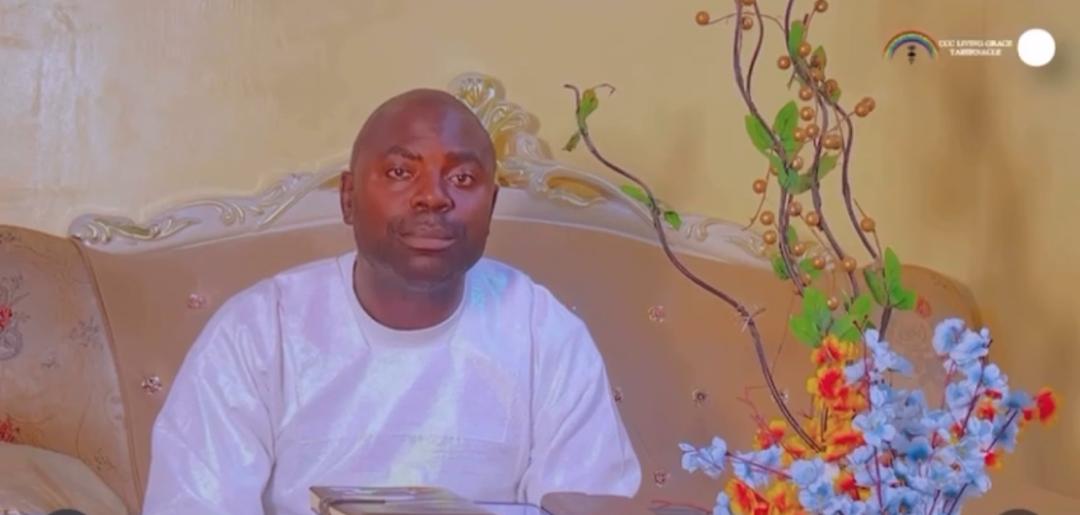
Prophet Kingsley Aitafo to Mark Birthday with Global Prayer Session, Honours Spiritual Fathers
Renowned cleric, Prophet Kingsley Aitafo, is set to mark his birthday on March 23 with a global prayer session, offering what he described as a “spiritual gift” to followers across the world.
In a departure from conventional birthday celebrations, the prophet announced a Special Live Prayer Session scheduled to hold from 10:00 a.m. to 11:00 a.m. (Nigeria time). The one-hour intercession is expected to draw participants from various countries, focusing on thanksgiving and collective prayers.

According to him, the initiative is aimed at fostering spiritual reflection and unity among believers, rather than personal festivities.
Ahead of the event, Prophet Aitafo paid tribute to his spiritual mentors, acknowledging the profound influence of Prophet and Founder of Celestial church of Christ, Prophet Samuel Bilehou Joseph Oshoffa and Bishop David Olaniyi Oyedepo on his ministerial journey.
He noted that the legacies and “exploits in ministry” of the revered clerics have continually inspired him to pursue greater depth, purpose, and impact in his calling.
The upcoming prayer session is expected to be streamed live across his ministry’s platforms, with followers encouraged to join in the global moment of intercession.
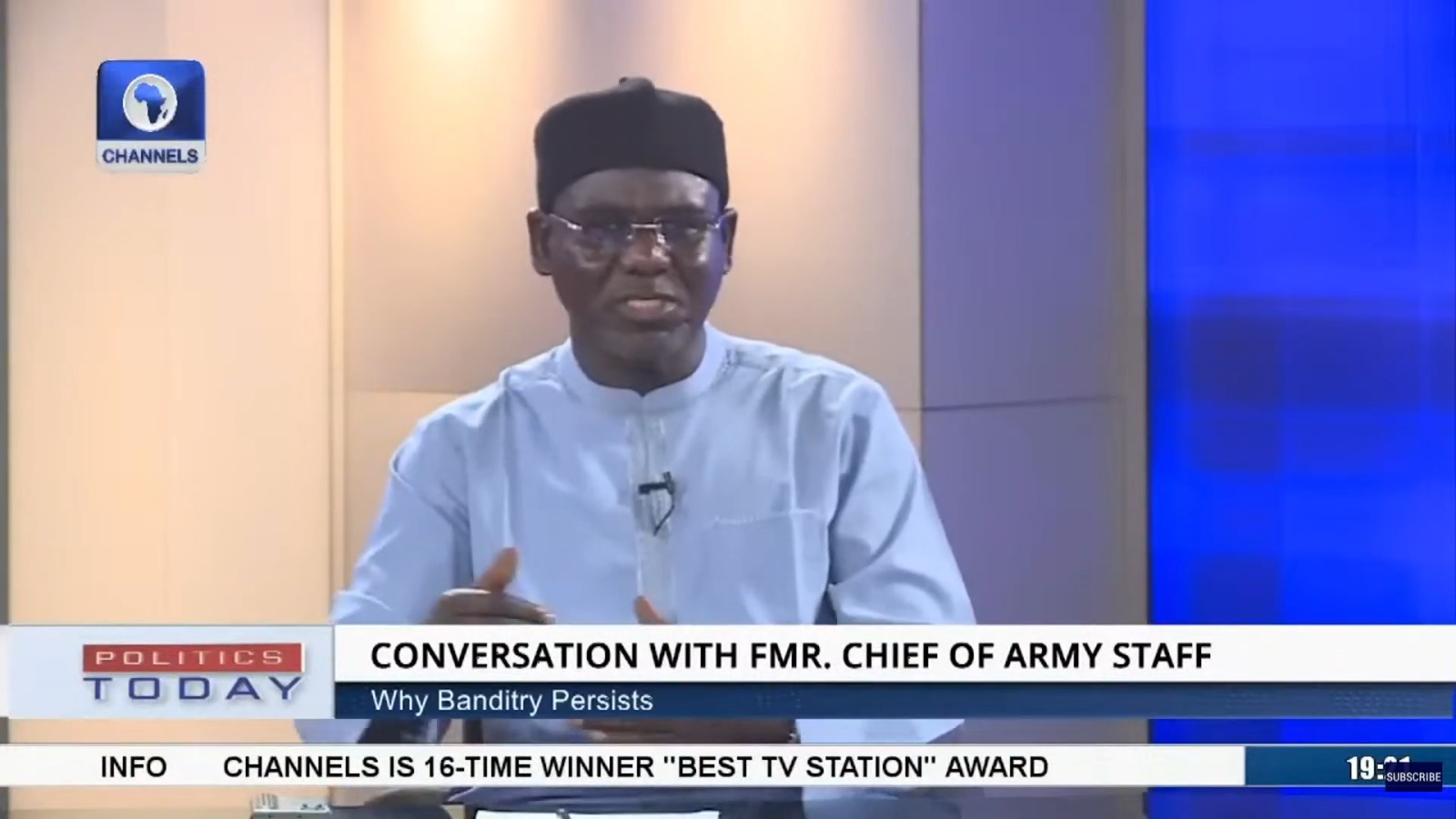
CDS Statement on Collaborators Was Operational, Not Political — Buratai
Former Chief of Army Staff, Lieutenant General Tukur Yusuf Buratai, has clarified that recent remarks by the Chief of Defence Staff on collaborators aiding insurgents were widely misinterpreted, stressing that the comments were strictly operational and not political.
Buratai made the clarification during an interview with Seun Okinbaloye on Channels Television, amid growing public debate over the statement.
According to him, the Defence Chief’s comments were made in the context of ongoing military operations in Nigeria’s North-East, where troops are battling insurgent groups such as Boko Haram.
He explained that the term “collaborators” refers to individuals who provide operational support to insurgents, including intelligence, logistics, and supplies, rather than any political actors.
“Insurgency relies heavily on support networks within communities. These are the collaborators being referred to, not politicians,” Buratai said.
The former army chief noted that misinterpretation of such statements could create unnecessary tension and distract from the real security challenges on the ground.
He emphasized that identifying and dismantling these support networks remains a critical component of Nigeria’s counter-insurgency strategy, urging better understanding of military communications by the public and media.
Buratai further stressed that insurgency is a complex security issue that requires coordinated efforts between the military, intelligence agencies, and civilians, adding that accurate reporting is essential to national security efforts.


-

 society6 months ago
Religion: Africa’s Oldest Weapon of Enslavement and the Forgotten Truth
-

 news3 months ago
WHO REALLY OWNS MONIEPOINT? The $290 Million Deal That Sold Nigeria’s Top Fintech to Foreign Interests
-

 society6 months ago
“You Are Never Without Help” – Pastor Gebhardt Berndt Inspires Hope Through Empower Church (Video)
-

 celebrity radar - gossips2 months ago
Dr. Chris Okafor Returns with Power and Fire of the Spirit -Mounts Grace Nation Altar with Fresh Anointing and Restoration Grace on February 1, 2026
You must be logged in to post a comment Login
You must log in to post a comment.