
society
TRIBALISM, Nigeria’s Greatest Nightmare: How Do We Solve This Problem?

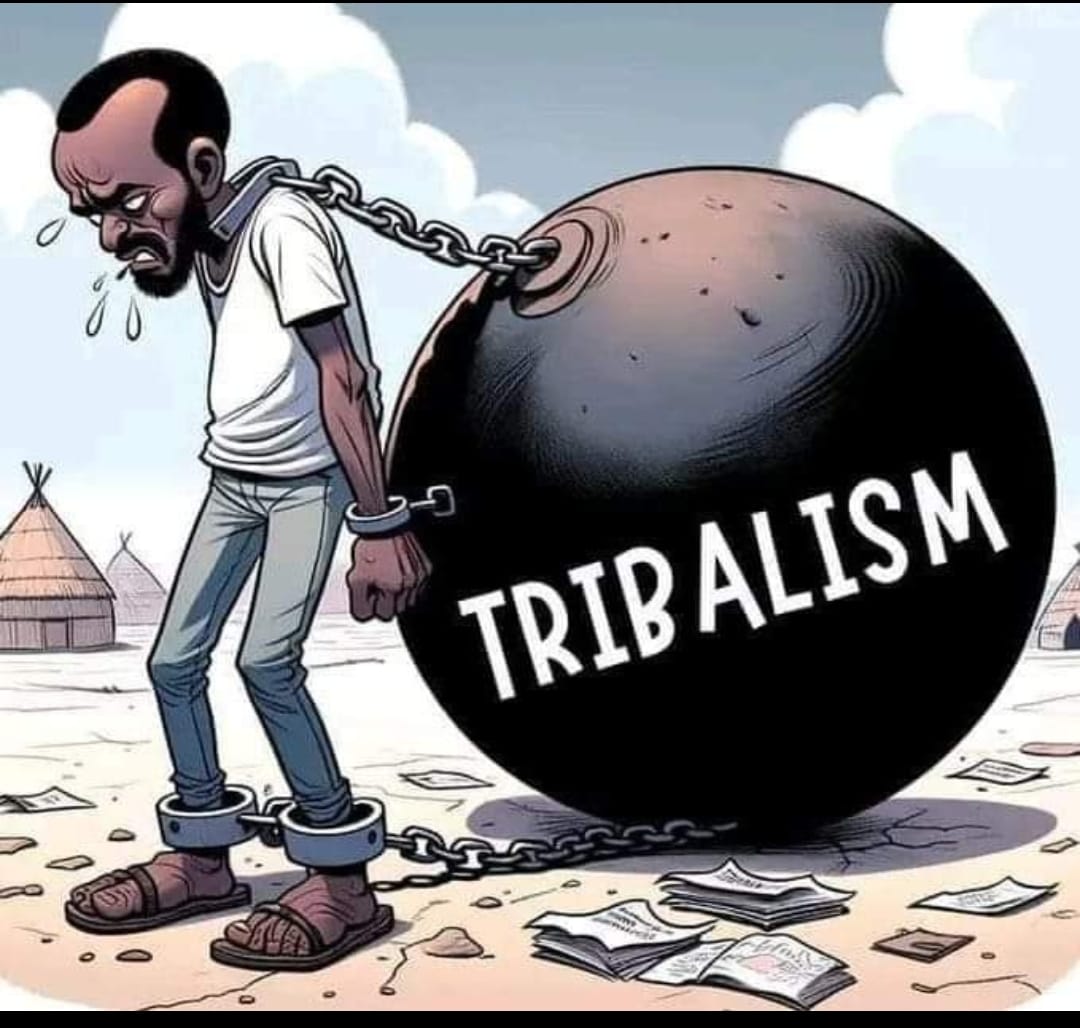
TRIBALISM, Nigeria’s Greatest Nightmare: How Do We Solve This Problem?
By George Omagbemi
Sylvester
Nigeria as a nation with over 250 ethnic groups, each with its unique language, culture, and heritage. But what should be our strength has tragically become our greatest nightmare—TRIBALISM. This menace has held us back for decades, poisoning our politics, education, economy, and social harmony. If we are to survive as a nation, TRIBALISM must be confronted head-on, uprooted from our systems, and buried with no RESURRECTION.

As AY the comedian once said, “In Nigeria, we don’t just fill forms with name and age. We add tribe as if it’s a requirement for kidney transplant.” That’s how deep the problem is—we’ve institutionalized tribal identity even in spaces that should be neutral.
The Historical Roots of TRIBALISM
The origin of TRIBALISM in Nigeria can be traced to the colonial era, particularly British indirect rule. Colonial administrators divided Nigerians along ethnic lines to maintain control. Lord Lugard’s amalgamation of the Northern and Southern protectorates in 1914 was a POLITICAL MARRIAGE without LOVE. The British prioritized ethnic identity over national unity, setting the stage for post-independence rivalry.
After independence in 1960, political power became a game of ethnic arithmetic. The Hausa-Fulani dominated the North, the Yoruba the West, and the Igbo the East. The first coup in 1966 and the bloody Biafran War (1967–1970) were clear signs that ETHNIC NATIONALISM had overtaken Nigerian unity.

Let’s fast forward to 2025, and TRIBALISM has become an even more dangerous cancer, now deeply embedded in government appointments, school admissions, employment opportunities, and public policy. Instead of competing based on competence, Nigerians are reduced to their tribal labels.
The Cost of TRIBALISM
TRIBALISM is not just an emotional or ideological issue—it has very real consequences.
Political Stagnation: Nigerian elections are often not about ideologies but ethnic affiliations. Candidates exploit tribal sentiments to win votes. Buhari’s presidency (2015–2023), for instance, was widely criticized for being skewed towards the North, with key appointments dominated by Hausa-Fulani Muslims. This breeds resentment and further divides the nation.
Economic Sabotage:
When people are hired based on tribal identity instead of competence, mediocrity becomes the order of the day. According to Transparency International (2024 report), Nigeria ranks 145 out of 180 in corruption perception. This is not surprising when “my brother” is given a contract he can’t execute, while the qualified applicant is sidelined because of his *“strange”* name.
Security Breakdown:
The distrust among ethnic groups has paralyzed our security apparatus. When herders and farmers clash, or when terrorists attack villages, the response is filtered through ethnic lenses. Instead of confronting criminals, we end up defending “our people.”
Education and Employment Inequality:
The Federal Character principle, intended to promote fairness, has turned into an ethnic quota system that lowers standards and deepens division. A student from Zamfara state needs a ridiculously low score to enter Unity Schools, while one from Delta state needs nearly 100%. This is injustice disguised as inclusion.
Gordons once joked, “Na tribe dey determine who go chop the national cake. But we dey watch like say na movie. Nollywood no do reach this one!” Sadly, it’s true—TRIBALISM has turned governance into a tribal buffet.
How TRIBALISM Manifests Today
In everyday life, TRIBALISM appears in subtle and overt forms:
Job interviews where the panel whispers, “Where is he from?”
Marriages that collapse because “our daughter cannot marry an Igbo/Hausa or Yoruba man.”
Social media wars between Yoruba, Igbo, and Hausa youths fighting imaginary battles.
Businesses losing clients because “we no dey patronize dem people.”
I Go Dye nailed it when he said, “In Nigeria, even poverty get tribe. Poor man go say, ‘Na because I be Tiv, dem no give me loan.’” That’s how bad it is—we tribalize suffering.
Solutions: Ending the Nightmare
Solving TRIBALISM requires deliberate, multi-pronged action. It won’t vanish overnight, but sustained effort can dismantle its grip on our nation.
1. Massive Civic Education
We must teach Nigerians from a young age that they are Nigerians first before being Igbo, Hausa, Yoruba, Itsekiri or Ijaw. The National Orientation Agency should be revived and empowered to promote national identity, not just on Independence Day, but every day. Curriculum in schools must include national history that emphasizes unity, diversity, and patriotism.
2. Merit-Based Governance
Appointments, scholarships, and promotions must be based on competence, not ethnicity. Nigeria needs leaders with the political will to abandon ethnic favoritism. President Bola Tinubu’s administration must lead by example. If a Tiv man is the best candidate for Chief of Army Staff, appoint him. Let results speak louder than names.
3. Inter-tribal Marriage Incentives
The government should consider giving tax reliefs or housing benefits to couples in inter-ethnic marriages. It sounds radical, but it could work. Blended families reduce ethnic hate and promote national integration. One day, your child may ask, “What’s tribe?” and that would be victory.
4. Ethnicity-Blind Technology Systems
Let’s remove ethnicity from our forms—admission, employment, census, and contracts. With technology, we can create blind recruitment systems that focus on skills, not surnames. Nigeria must build a system where origin doesn’t matter, only ability.
5. Media and Entertainment Responsibility
Celebrities and influencers must stop reinforcing tribal stereotypes. Nollywood and comedians should use their platforms to mock TRIBALISM, not promote it. Humor is a powerful tool—comedians like AY, Gordons, and I Go Dye should keep using satire to expose the absurdity of ethnic bias.
6. True Federalism
Nigeria must restructure into a true federation where regions have autonomy. This reduces the scramble for central power and allows ethnic groups to develop at their own pace without stepping on each other. Restructuring is not a threat to unity; it’s a path to sustainable peace.
7. Punish Hate Speech and Tribal Incitement
The government must prosecute those who spread hate and tribal division. Social media influencers, religious leaders, and politicians who incite ethnic hatred must face consequences. Freedom of speech does not mean freedom to incite violence.
A Time to Heal.
Nigeria cannot afford another decade of tribal politics, tribal appointments, and tribal hate. If we continue on this path, the nation will implode—not because of external enemies, but because of our internal divisions.
Let us choose UNITY over DIVISION, merit over MEDIOCRITY, and PATRIOTISM over PARTISANSHIP. Let us raise a new generation of Nigerians who don’t ask, “Where are you from?” but instead, “What can you do for your country?”
As I Go Dye would say, “No be tribe go save us—na common sense, hard work, and love for country.”
Until we bury TRIBALISM, Nigeria will remain in chains.



Easter: Oyo PDP Guber Aspirant, Ajadi, Greets Gov Makinde, CAN, Others
The leading Peoples Democratic Party, (PDP), Governorship Aspirant in Oyo State, Ambassador Olufemi Ajadi Oguntoyinbo has congratulated the Governor of Oyo State, Engr Seyi Makinde, the Christian Association of Nigeria, (CAN), the Pentecostal Fellowship of Nigeria, (PFN) and the entire Christians on the occasion of this year’s Easter Celebration.
Ajadi said that the Good Friday which marked the remembrance of the crucifixion of Jesus Christ and the Easter Sunday, which marks his risen from the dead, are important dates in the Christiandom.
Ajadi in a statement he personally signed on Friday to commemorate the Easter, said that he rejoiced with Christians that this year’s celebration is being witnessed in an atmosphere of peace and tranquility in the country.
He said that he particularly rejoiced with Gov Makinde saying that his exemplary leadership and good governance in Oyo State in the last seven years has shown him as a selfless person, a lover of the masses and one who cares for others.
He said that these are the traits of a good Christian, praying that God would continue to endear the governor with more wisdom and success.
He called on Christians to remember Jesus Christ’s directive that they should love their neighbours as themselves, saying that if this directive is strictly followed there would be peace in the World.
Ajadi, who is also a renowned philanthropist, called on Christians, especially the well to do, to learn the heart of helping the poor.
He said that the death and resurrection of Jesus Christ will not be in vain if Christians can abide by his directive on humility and love for one another.
Ajadi said that there is hope for Nigeria as a country despite the present harsh economy and prevalent of insecurity.
“We should take solace in the fact that God can do all things and that like He restores the lost glory and resources of the people of Zion, He will do same for Nigeria.
“Nigeria will reclaim her leading position both in Africa and among the black Nations. Let’s continue to pray for the good of our land,” Ajadi said in the statement.
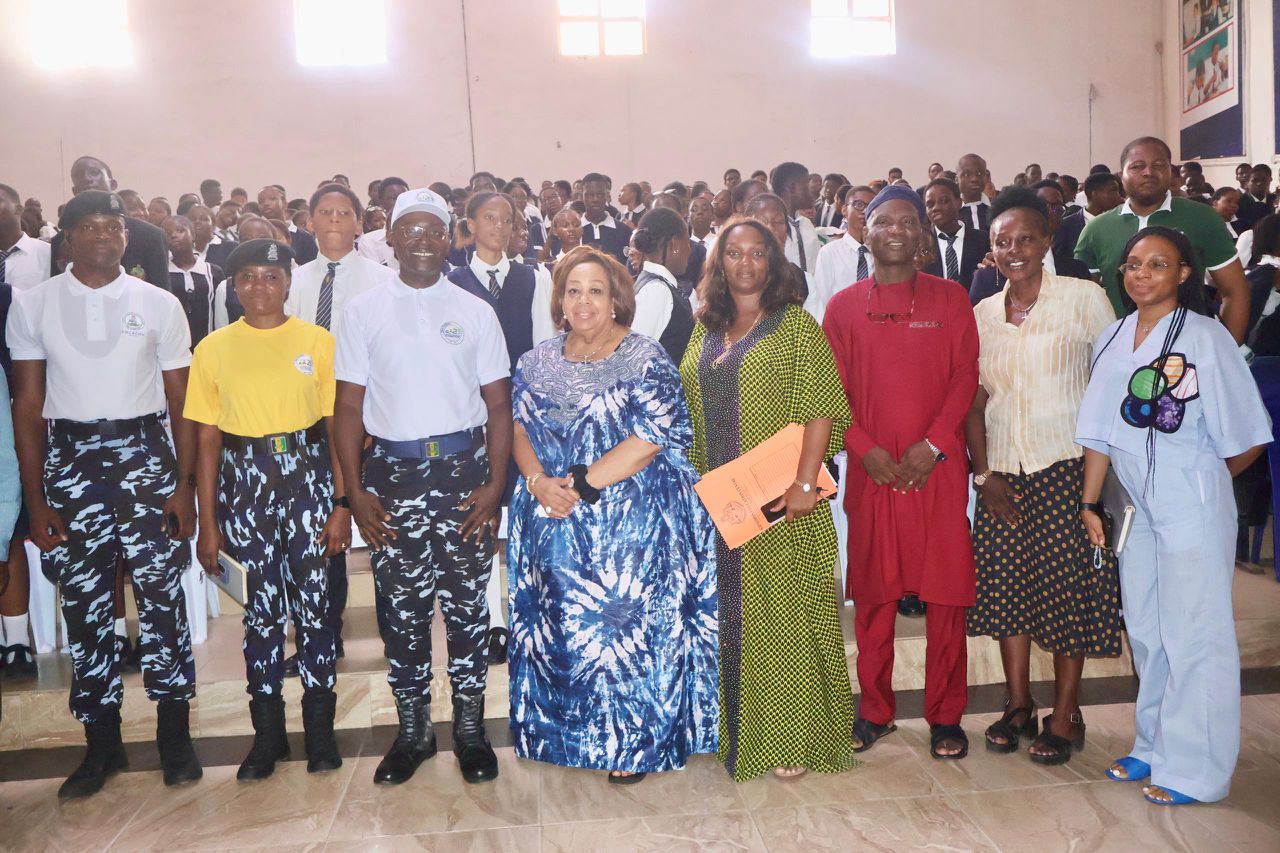
POCACOV Intensifies Sensitization on Cultism, Bullying, and Social Vices Among Students in Edo
In commemoration of the 2026 National Police Day Celebration, the Police Campaign Against Cultism and Other Vices (POCACOV), Edo State Command, has reinforced its preventive policing efforts through a targeted sensitization outreach at Igbinedion Education Centre, Benin City.
The initiative forms part of the broader activities marking this year’s National Police Day, themed “Community Partnership: Building Trust,” which emphasizes collaboration between the Nigeria Police Force and the public in fostering a safer society.
The sensitization programme witnessed the presence of key stakeholders, including the Commissioner of Police, Edo State Command, the Police Public Relations Officer, and the Edo State POCACOV Coordinator, ASP Kingsley Upeh. The team engaged students in an insightful and impactful session focused on the dangers of cultism, bullying, and other social vices prevalent among youths.
During the session, students were educated on the severe and far-reaching consequences of cult-related activities. These include violence, loss of lives, disruption of academic pursuits, and long-term damage to personal reputation and future opportunities. The speakers also highlighted how peer pressure, drug abuse, and negative social influences often serve as gateways into criminal behavior.
In an interactive segment, the Commissioner of Police stressed the legal implications of engaging in criminal acts, noting that involvement in cultism and related offences could lead to arrest, prosecution, and lifelong consequences that may hinder personal growth and career aspirations.
The issue of bullying was also extensively addressed, with emphasis on both its legal ramifications and psychological impact on victims. Students were encouraged to speak up against bullying, report incidents to school authorities or law enforcement, and support peers who may be affected.
Furthermore, the outreach underscored the importance of self-discipline, moral values, and making informed life choices. Students were urged to become ambassadors of peace within their schools and communities by rejecting violence and promoting unity and mutual respect.
The POCACOV team reiterated its commitment to continuous engagement with young people through awareness campaigns, community outreach, and strategic partnerships aimed at preventing crime before it occurs. The initiative aligns with the Nigeria Police Force’s proactive approach to policing, which prioritizes education, prevention, and community involvement.


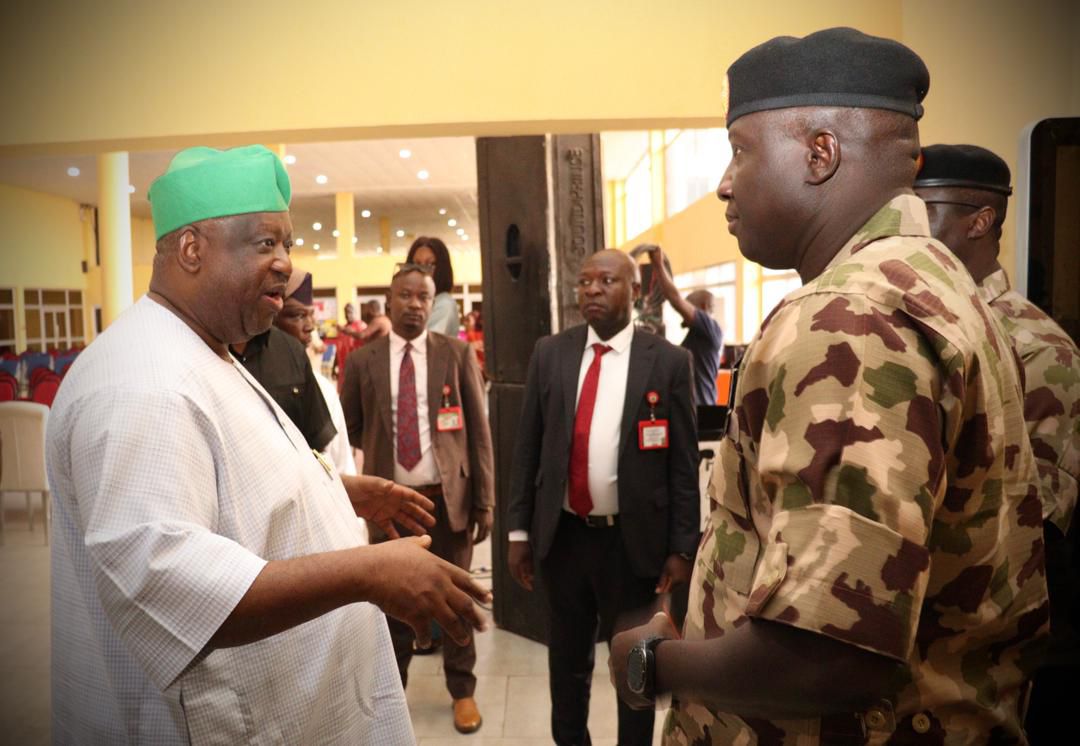
COAS Launches Nationwide Security Renewal Mission in Plateau
The Chief of Army Staff, Lieutenant General Waidi Shaibu, on Thursday led a high-level delegation of security chiefs to Plateau State, flagging off a nationwide security renewal mission aimed at strengthening civil-military cooperation and restoring lasting peace across the country.
The visit to Jos, the Plateau State capital, marks the first phase of a coordinated national effort to address persistent security challenges through joint operations, community engagement, and proactive intelligence gathering.

Governor Caleb Muftwang received the delegation, describing the initiative as a critical step toward stabilizing affected communities and reinforcing public confidence in security institutions.
Civil-Military Synergy Takes Centre Stage
At the heart of the mission is a renewed emphasis on collaboration between the military, civil authorities, and local communities. Speaking during the visit, Lt. Gen. Shaibu stressed that national security must be treated as a collective responsibility.
He urged citizens to support security agencies by remaining vigilant, sharing credible information, and complying with lawful directives, noting that effective security cannot be achieved in isolation.
Community Engagement as Confidence-Building Tool
In a departure from purely operational engagements, the Army Chief held direct consultations with community leaders and residents in Jos, reinforcing the importance of trust and dialogue in conflict resolution.
Lawmakers, including Dachung Bagos and Ladi Dangyok, commended the initiative, stating that visible engagement by top military leadership helps rebuild confidence among citizens and fosters cooperation.

Proactive Security Operations Underway
Operational updates were provided by Major General Folusho Oyinlola, who disclosed that troops under Operation Enduring Peace have intensified surveillance, intelligence-led patrols, and coordinated actions with other security agencies.
According to the Army, the approach is designed to prevent escalation of threats, safeguard lives and property, and stabilize vulnerable communities before crises emerge.
A Shift Toward Sustainable Peace
Military authorities emphasized that the Plateau visit is part of a broader, long-term strategy to transition from reactive responses to sustainable peacebuilding nationwide. The framework includes strengthening local resilience, ensuring justice, and maintaining continuous engagement with stakeholders.
Analysts view the initiative as a significant policy shift, reflecting a more inclusive security architecture that integrates community participation with military operations.
Call for National Unity
The Army leadership concluded with an appeal to Nigerians to reject divisive narratives and support ongoing efforts to promote unity and peace.
“The success of this mission depends not only on the armed forces but on the cooperation of every citizen,” the COAS stated.
The nationwide security renewal campaign is expected to extend to other regions in the coming weeks as authorities seek to consolidate gains and build a safer, more unified Nigeria.


-

 society7 months ago
Religion: Africa’s Oldest Weapon of Enslavement and the Forgotten Truth
-

 news4 months ago
WHO REALLY OWNS MONIEPOINT? The $290 Million Deal That Sold Nigeria’s Top Fintech to Foreign Interests
-

 society6 months ago
“You Are Never Without Help” – Pastor Gebhardt Berndt Inspires Hope Through Empower Church (Video)
-

 celebrity radar - gossips2 months ago
Dr. Chris Okafor Returns with Power and Fire of the Spirit -Mounts Grace Nation Altar with Fresh Anointing and Restoration Grace on February 1, 2026