
society
Turning Life’s Challenges Into Strength. Why Time, Understanding and Support Matter

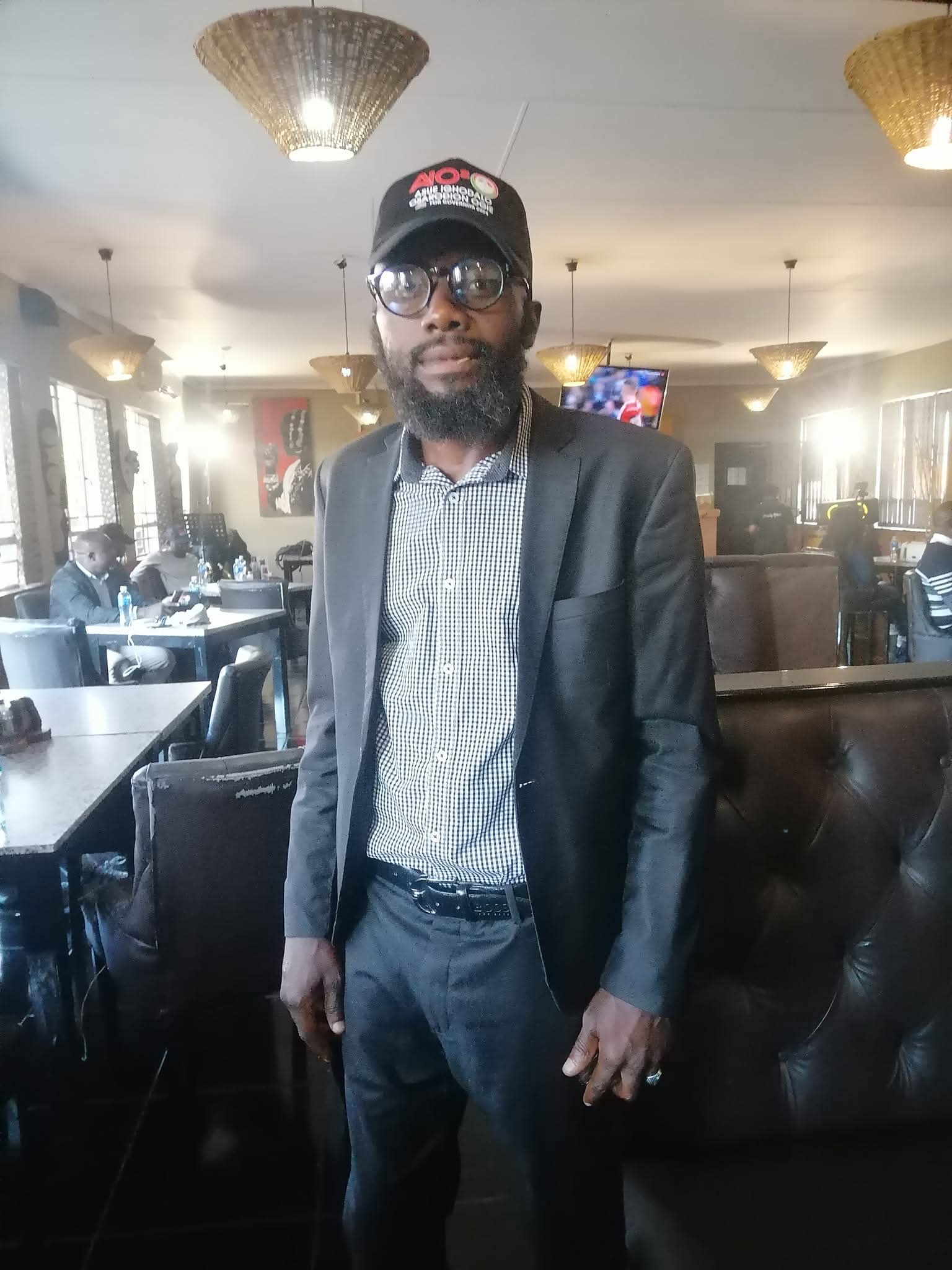
Turning Life’s Challenges Into Strength. Why Time, Understanding and Support Matter.
By George Omagbemi Sylvester | Published by SaharaWeeklyNG.com
“How Patience and Positive Relationships Transform Stress into Resilience.”
Life’s journey is rarely a smooth ride. At times, it feels overwhelmingly complex with unpredictable demands, emotional hurt, career setbacks and relational friction seem to arrive without warning. The pain, frustration and confusion we feel in these moments can make life’s challenges hard to understand in the short term. But this difficulty is not a sign of weakness or failure but it is part of being human. In fact, giving yourself enough time (coupled with the right support system) makes understanding, processing and overcoming life’s trials not just possible, but transformational.
The essence of this message is simple yet profound: time helps understanding and supportive people help resilience. This truth is not just philosophical but it is backed by science, psychology and lived human experience.

Why Time Matters in Understanding Challenges.
Life’s challenges are complex because they often involve emotions, relationships, goals, expectations and deep personal values. When problems surface, our first instinct is to react quickly and to find instant answers, quick fixes, or immediate relief. This reactive response can fuel confusion and make stress feel worse.
As the Stoic philosopher Marcus Aurelius famously said:
“If you are distressed by anything external, the pain is not due to the thing itself, but to your estimate of it; and this you have the power to revoke at any moment.”
This quote reflects a fundamental truth: we do not immediately comprehend stress because our perception, judgment and emotional processing take time. Stress and emotional pain are not just reactions, they are also interpretations of events. And interpretation, by its nature, needs reflection, time and perspective.
American psychologist William James, often called the “father of American psychology,” advised:
“Tension is a habit. Relaxing is a habit. Bad habits can be broken, good habits formed.”
When you give yourself time to reflect, the habit of tension begins to loosen and clarity can emerge. Challenges start to become less chaotic and more coherent. You see patterns, you notice what triggers you and slowly, your mind begins to understand not just what you are facing, but why it affects you so deeply.
The Real Science of Stress and Support.
Stress is not just a feeling, it is a biological and psychological response. According to research, perceived stress (how stressful a situation feels) decreases significantly when individuals have meaningful social support. Research in psychology shows that social connections (friends, family, mentors, colleagues) reduce how intensely we perceive stressors and improve mental well-being.
For example, studies consistently show that people who feel supported report lower anxiety, fewer depressive symptoms and even better physical health markers. Strong social networks can:
Buffer stress and emotional strain — support helps absorb the impact of life stressors, reducing their psychological harm.
Improve coping capacity — emotionally supportive environments help individuals think clearly and respond adaptively.
Boost long-term health outcomes, including psychological resilience and biological stress responses.
This is not just theory, it is backed by decades of PEER-REVIEWED research in psychology and health sciences.
In one psychological model, social support serves as a “STRESS BUFFER” meaning your connections help soften the blow of distress. People who perceive they have adequate support report lower stress and better emotional equilibrium than those who feel isolated.

Strong Support Reduces Stress and Not Increases It.
It is crucial to underline a point many people overlook: not all social relationships reduce stress. Some environments and people can actually increase stress which through gossip, competition, unresolved conflict, criticism or emotional instability. True support does not just exist, it functions. Healthy supportive relationships:
Provide empathy, care and understanding
Offer practical guidance and perspective
Help you feel appreciated and emotionally safe
Encourage adaptive, productive reactions to life’s trials
Science emphasizes the quality of your social network matters just as much as the presence of that network. Emotional support (where someone listens without judgment) is often more effective at reducing perceived stress than advice without empathy.
Stress Is not the Enemy, But Mismanaged Stress Is.
It is easy to think stress itself is bad or that a stress-free life is achievable. Though experts highlight that stress per se is not the problem but our reaction to it is. As noted in psychological research and popularized by stress scholars, stress can be managed and understood, even if it can not be entirely eliminated.
American psychologist Kelly McGonigal explains that believing in your ability to cope can change how your body responds to stress and enhancing resilience rather than succumbence.
Meaning, the way you frame stress (either as overwhelming, or as a challenge you can navigate) literally changes the biology of how stress affects you. Understanding stress takes time; but with patience and the right perspective, that understanding can empower rather than weaken.
Supportive People. The Real Buffer Against Life’s Trials.
Let us be clear: THE PEOPLE AROUND YOU SHOULD NOT BE SOURCES OF ADDITIONAL STRESS. INSTEAD, THEY SHOULD HELP YOU:
Maintain perspective when you are overwhelmed
Stay grounded rather than isolated
Recover faster from emotional setbacks
Feel valued, heard and understood
This insight is supported by evidence: research shows that people with strong social support experience improved emotional well-being, lower levels of psychological distress, and enhanced ability to face life’s challenges.
In contrast, social isolation and loneliness are linked not only to emotional distress but even to physical health risks such as cardiovascular issues, weakened immune function and increased mortality, because the body’s stress systems stay activated when we feel alone.
This is why supportive relationships are not a luxury; they are a psychological and physical health necessity.

Turning Trials Into Growth.
Life’s challenges are inevitable, but suffering is not. Over time, difficulties can teach:
Resilience — the ability to recover from setbacks
Self-awareness — understanding your emotional triggers and strengths
Empathy — connecting with others more deeply
Wisdom — recognizing what matters and what does not
As Oprah Winfrey once noted:
“Breathe. Let go. And remind yourself that this very moment is the only one you know you have for sure.”
This is not simplistic optimism but it is strategic focus. When we give ourselves time to process, and when we surround ourselves with people who genuinely care, our stress ceases to control us and instead becomes a teacher.
The Bigger Picture.
Life’s challenges are not puzzles meant to be solved overnight. They are complex experiences designed to stretch the human mind, test emotional endurance and refine personal wisdom. Expecting instant clarity in moments of difficulty is not realism but it is pressure we unnecessarily place on ourselves. True understanding comes with time, reflection and emotional maturity. What confuses us today often becomes the lesson that strengthens us tomorrow.
Equally important is the reality that no one survives life alone. Human beings are biologically, psychologically and socially wired for connection. Decades of psychological and sociological research confirm a simple truth: supportive relationships reduce stress, while toxic ones multiply it. The people around you should not be emotional liabilities; they should be anchors and sources of calm in chaos, clarity in confusion as well as strength in moments of weakness.
When the wrong people surround you, stress does not just increase; it festers. It distorts judgment, weakens resilience and clouds perspective. Conversely, when the right people stand with you, even the heaviest burden becomes bearable. As the renowned psychiatrist Viktor Frankl once observed, “When we are no longer able to change a situation, we are challenged to change ourselves.” That internal change is made easier (and sometimes only possible) when we are supported rather than sabotaged by our environment.
The bigger picture, therefore, is not merely about surviving life’s challenges but mastering the conditions under which we face them. Giving yourself time is an act of self-respect. Choosing supportive people is an act of self-preservation. Together, they form the foundation of emotional intelligence, mental health and long-term stability.
Life will test you though that is inevitable. But confusion is temporary, stress is manageable and strength is learnable. With patience and the right human connections, what once felt overwhelming becomes understandable, and what once felt unbearable becomes a source of wisdom.
In the end, growth is not found in haste and peace is not found in isolation. It is found in time, understanding and the quiet power of being surrounded by people who help you breathe easier and not harder.






COAS Launches Nationwide Security Renewal Mission in Plateau
The Chief of Army Staff, Lieutenant General Waidi Shaibu, on Thursday led a high-level delegation of security chiefs to Plateau State, flagging off a nationwide security renewal mission aimed at strengthening civil-military cooperation and restoring lasting peace across the country.
The visit to Jos, the Plateau State capital, marks the first phase of a coordinated national effort to address persistent security challenges through joint operations, community engagement, and proactive intelligence gathering.

Governor Caleb Muftwang received the delegation, describing the initiative as a critical step toward stabilizing affected communities and reinforcing public confidence in security institutions.
Civil-Military Synergy Takes Centre Stage
At the heart of the mission is a renewed emphasis on collaboration between the military, civil authorities, and local communities. Speaking during the visit, Lt. Gen. Shaibu stressed that national security must be treated as a collective responsibility.
He urged citizens to support security agencies by remaining vigilant, sharing credible information, and complying with lawful directives, noting that effective security cannot be achieved in isolation.
Community Engagement as Confidence-Building Tool
In a departure from purely operational engagements, the Army Chief held direct consultations with community leaders and residents in Jos, reinforcing the importance of trust and dialogue in conflict resolution.
Lawmakers, including Dachung Bagos and Ladi Dangyok, commended the initiative, stating that visible engagement by top military leadership helps rebuild confidence among citizens and fosters cooperation.

Proactive Security Operations Underway
Operational updates were provided by Major General Folusho Oyinlola, who disclosed that troops under Operation Enduring Peace have intensified surveillance, intelligence-led patrols, and coordinated actions with other security agencies.
According to the Army, the approach is designed to prevent escalation of threats, safeguard lives and property, and stabilize vulnerable communities before crises emerge.
A Shift Toward Sustainable Peace
Military authorities emphasized that the Plateau visit is part of a broader, long-term strategy to transition from reactive responses to sustainable peacebuilding nationwide. The framework includes strengthening local resilience, ensuring justice, and maintaining continuous engagement with stakeholders.
Analysts view the initiative as a significant policy shift, reflecting a more inclusive security architecture that integrates community participation with military operations.
Call for National Unity
The Army leadership concluded with an appeal to Nigerians to reject divisive narratives and support ongoing efforts to promote unity and peace.
“The success of this mission depends not only on the armed forces but on the cooperation of every citizen,” the COAS stated.
The nationwide security renewal campaign is expected to extend to other regions in the coming weeks as authorities seek to consolidate gains and build a safer, more unified Nigeria.



IGP Disu Visits Plateau, Orders Tactical Deployment To Reinforce Security
The Inspector General of Police, Olatunji Disu, on Thursday paid a working visit to Plateau State following recent unrest, holding strategic talks with Governor Caleb Muftwang on measures to strengthen security and prevent further disturbances.
As part of immediate steps to stabilise the situation, the police chief authorised the deployment of specialised tactical units to support officers already on ground across affected areas.
Governor Muftwang commended the swift intervention of the police leadership, praising the dedication and professionalism of security personnel working to restore calm. He also acknowledged the efforts of mobile police officers and lauded the leadership of the state’s Commissioner of Police, Bassey Ewah.
Both the Nigeria Police Force and the Plateau State Government reaffirmed their commitment to safeguarding lives and property, stressing that enhanced collaboration remains key to restoring lasting peace in Plateau State, popularly known as the Home of Peace and Tourism.


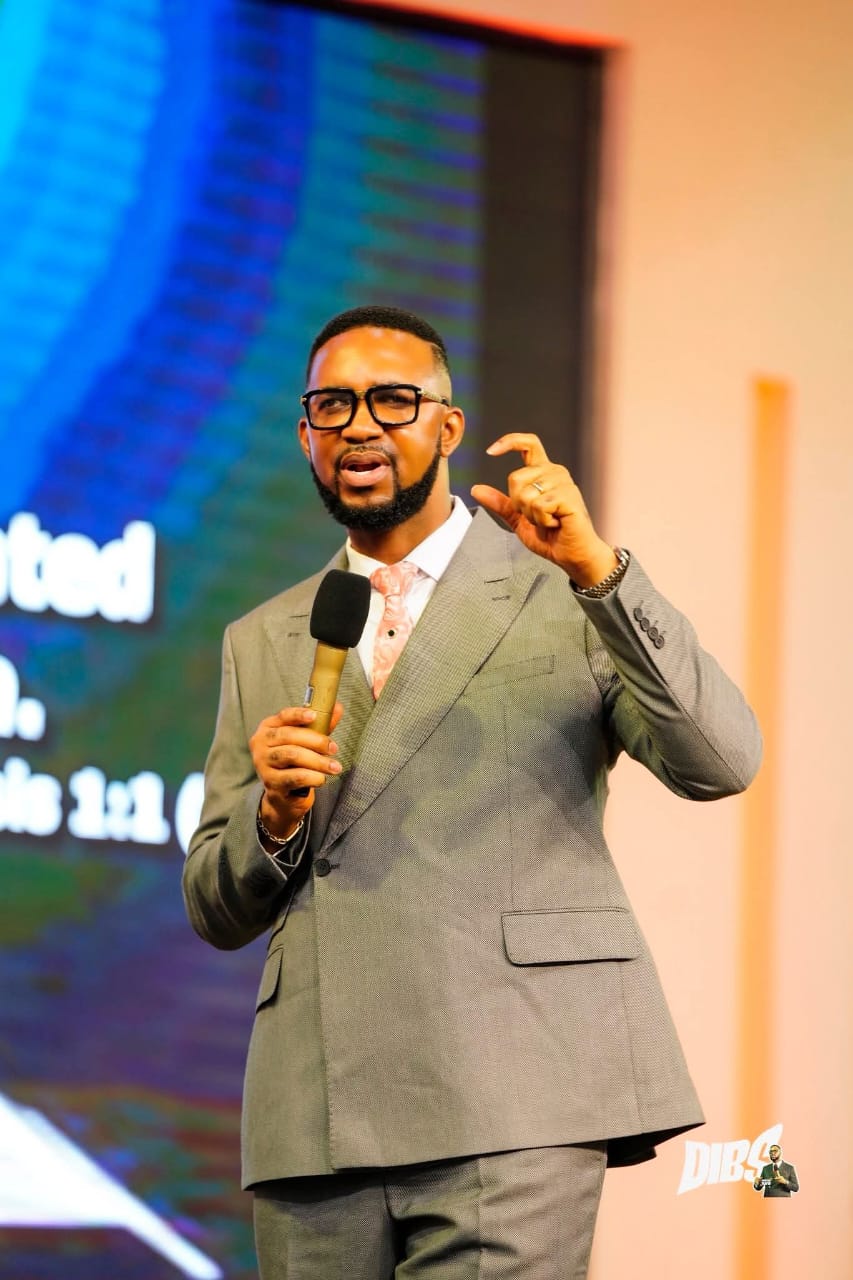
Grace Nation Worldwide: A Living Reality – Dr. Chris Okafor
……“Miracles, Healing, and Deliverance Overflow at Grace Nation Services”
The Grace Nation midweek Prophetic Healing, Deliverance, and Solutions (PHDS) Service on 2nd April 2026 at the international headquarters in Ojodu Berger, Lagos, was a spectacular display of God’s power, marked by miracles, healing, and deliverance.
The God of Grace Nation continues to demonstrate His authority, breaking strongholds, healing the sick, restoring lost glory, and providing solutions to every problem presented at His altar.
Testimonies of God’s Power
One woman, previously diagnosed with a terminal condition and slated for a ₦4.5 million surgery due to inability to excrete, was prayed for by the Generational Prophet, Christopher Okafor, just a week after visiting the church. Declaring healing within 24 hours, she returned to testify to God’s miraculous intervention.
Another pregnant woman, whose baby was bridged and at risk, was located and prayed for. She returned to service with confirmation that her child is now well-positioned for delivery. Similarly, a woman booked for a C-section due to an overdue and poorly positioned pregnancy testified during the service that her baby is now properly positioned, ready for birth.
These testimonies underscore the truth: what God cannot do does not exist. Grace Nation has entered a new level of spiritual authority, and with faith, believers are witnessing the impossible become reality.
God Works by Principle, Not Gossip
In his sermon, Dr. Okafor emphasized that God does not operate on superstition, gossip, or social media pressures. His work is grounded in His Word, and it is through adherence to His principles that Grace Nation continues to flourish.
The Generational Prophet stressed that to enjoy divine blessings and fruitfulness, believers must remain connected to God’s Word, faithfully serve Him, and ignore distractions or side-talks. Focused commitment to God’s service guarantees alignment with His miraculous power.
Join the Movement
Grace Nation Worldwide is open for all who desire a life transformed by divine intervention. Weekly services include:
Sunday Service: 7:00 AM
Grace Nation Island Service (Ogombo): Wednesday, 5:00 PM
Midweek PHDS Service: Thursday, 7:00 AM
Attending these services under the ministry of the Generational Prophet ensures encounters with God’s supernatural power, life-changing miracles, and lasting breakthroughs.
Grace Nation Worldwide is not just a church—it is a reality where faith meets the supernatural.
By Sunday Adeyemi


-

 society6 months ago
Religion: Africa’s Oldest Weapon of Enslavement and the Forgotten Truth
-

 news4 months ago
WHO REALLY OWNS MONIEPOINT? The $290 Million Deal That Sold Nigeria’s Top Fintech to Foreign Interests
-

 society6 months ago
“You Are Never Without Help” – Pastor Gebhardt Berndt Inspires Hope Through Empower Church (Video)
-

 celebrity radar - gossips2 months ago
Dr. Chris Okafor Returns with Power and Fire of the Spirit -Mounts Grace Nation Altar with Fresh Anointing and Restoration Grace on February 1, 2026