
society
We Know Them and We Call Them”, Why Bayo Onanuga’s Admission on Terrorists Should Shake Nigeria to Its Core

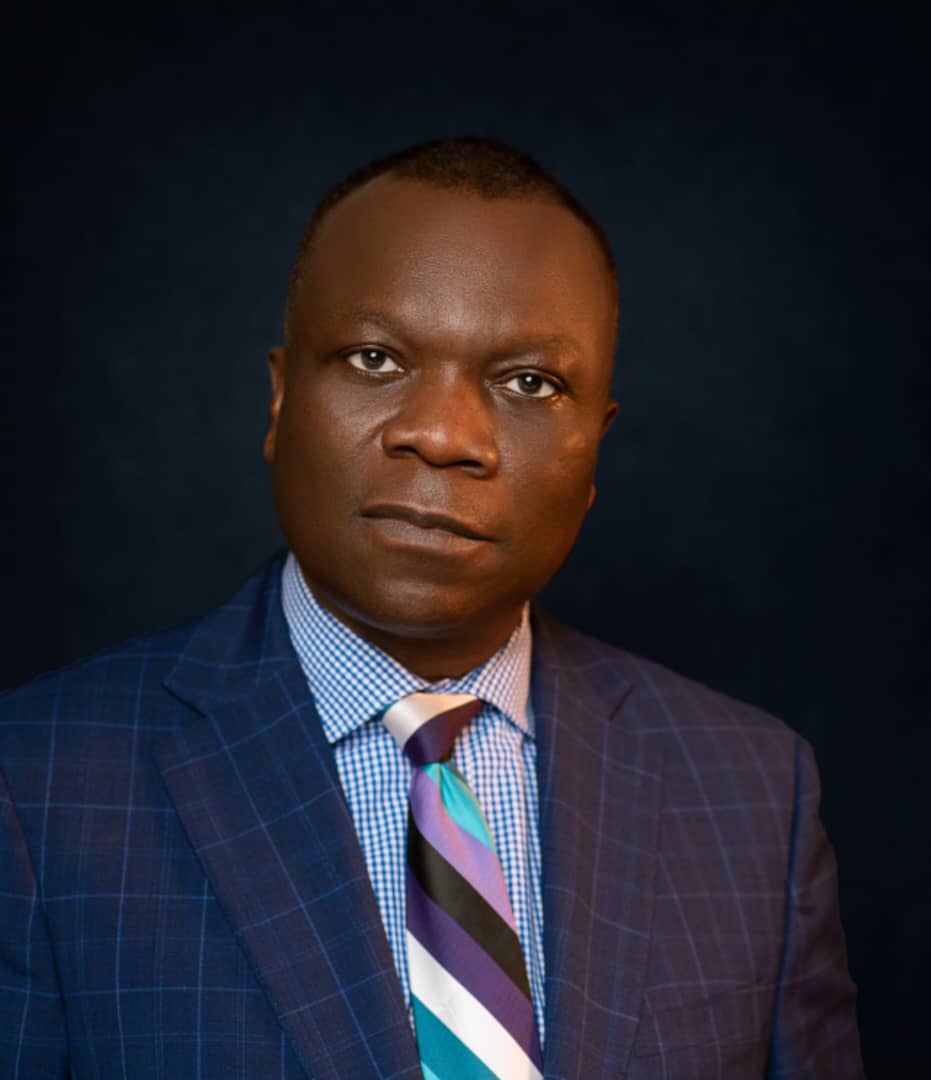
“We Know Them and We Call Them”, Why Bayo Onanuga’s Admission on Terrorists Should Shake Nigeria to Its Core
By Dr. Ope Banwo, Mayor Of Fadeyi, and Founder Naija Lives Matter
A few days ago, like many Nigerians, I sat in disbelief watching Presidential spokesman Bayo Onanuga on national television.
In trying to defend the Federal Government’s handling of terrorism and banditry, he casually dropped a set of statements that, if taken at face value, amount to a public confession of close rapport between our government and the terrorists bleeding this country.
For years, Nigerians have suspected that people in power know far more about these killers than they are willing to admit. But suspicion is one thing. Hearing it confirmed from the mouth of the President’s chief media aide is another matter entirely.
I want us to calmly walk through what Mr. Onanuga has told us – and then discuss what we must do with this explosive information.
When Your “House Manager” Admits He Knows the Robbers
Let me put it in simple, everyday terms. It is one thing to suspect that your store manager and gate men know the identity and location of the burglars who keep robbing you at night. It is a different thing entirely to hear your house manager say publicly: “Yes, I know who they are. I have their phone numbers. I know where they live. In fact, I just called them yesterday and told them to return some of the goods they stole – and they obeyed me.”
That is what Onanuga effectively did on national television He spoke not as a random commentator, but as the official spokesperson of the President of the Federal Republic of Nigeria. We are therefore entitled – in fact, obligated – to treat his words as an insider admission, not mere gossip.
Four Disturbing Facts We Now Know About Our Govt And Terrorists
From his own account, we can now say four things have been confirmed beyond speculation:
1. The President and the DSS know the bandits by name.
Onanuga said clearly that they were called directly. You do not call “unknown gunmen.” You call people whose identities you know.
2. Our President and the security agencies have the direct phone numbers of these bandit leaders.
Not just vague intelligence. Direct lines. This means these killers are reachable at will by the highest office in the land.
3. The bandits take instructions from the President and the DSS.
Onanuga boasted that all the President had to do was order them to release all 38 kidnapped children and they complied – unconditionally, without even asking for recharge-card money. That means these are not just faceless terrorists; they are people who, according to the spokesman, can be commanded by our government.
4. Government knows where they live and where they hold their victims.
Onanuga explained that the reason these terrorists have not been taken out is to avoid “collateral damage.” You cannot be weighing collateral damage if you do not know their exact location – and the location of the hostages.
These are not my allegations. These are Onanuga’s admissions, broadcast to the world.
So the real issue is no longer, “Does our government know who is killing us?” The real issue is: Now that the government’s own spokesman has confirmed this level of familiarity with the terrorists, what are we, as citizens, going to do?
Welcome to Muguland – Unless We Refuse That Identity
In my books and shows, I jokingly created a fictional country called Muguland – a place where citizens are routinely played for fools.
After Mr. Onanuga’s confession, I am forced to ask: Is Muguland still fiction, or is this now our official reality?
If our highest officials know:
• who the terrorists are,
• how to call them,
• where they live,
• and can even give them instructions…
…then continue to preside over endless massacres, mass abductions and village burnings, what does that make the rest of us who keep quiet?
As a self-confessed “Mugu” myself – I even play Judge Mugu in my courtroom show – let me propose four urgent responses we must demand as a nation.
Four Things Nigerians Must Demand Now
1. Place Bayo Onanuga Under Oath as a Key Witness
The first thing any serious country would do is to treat Onanuga as a material witness in the ongoing ruination of our country.
By his own account, he knows the four essential elements investigators need to crack any case:
1. Who the perpetrators are;
2. How to contact them;
3. Where to find them;
4. The fact that they act on instructions from the very government that claims to be hunting them.
He must be invited – under oath – before an appropriate judicial or legislative body to explain, in precise detail, the nature of this relationship and how it has been used (or not used) to end terrorism.
We did not manufacture his statement. He said it. History – and the blood of innocent Nigerians – will not accept silence.
2. A Full-Scale Senate Investigation Into Government–Terrorist Links
The National Assembly, and especially the Senate under Godswill Akpabio, can no longer pretend ignorance. There must be an immediate, bipartisan investigation into:
• the nature of contacts between government officials and terrorist leaders;
• the history of negotiations, phone calls and back-channel deals;
• the reasons these relationships have not translated into the dismantling of these networks.
If we can set up committees over fuel queues and social media posts, surely we can set up one over open admissions of government rapport with murderers.
3. Public Hearings With Onanuga and the Security Chiefs
The Senate should also convene public hearings with:
• Bayo Onanuga,
• the National Security Adviser,
• the heads of DSS, Police and the Armed Forces.
Under oath, Nigerians deserve to hear:
• Why the terrorist leaders they know and can call remain at large;
• Why mass kidnappings keep occurring despite this supposed access;
• Why rescue operations and prosecutions remain half-hearted or opaque.
If you know the killers, speak to the killers, and know where the killers sleep, yet you cannot protect your citizens, something fundamental is broken.
4. Put the Presidency on Notice – Do the Job or Face the “I-Word”
Finally, the Senate must quietly but firmly put the Executive on notice.
If the President and his security chiefs now acknowledge – through their spokesman – that they possess all the information any serious leader needs to crush this menace, yet fail to act, then the Constitution offers only two honest options:
• Do your job, or
• Be prepared to face the “I-word” – impeachment – in line with the law.
Nobody is above accountability. Not even a man as politically formidable as Asiwaju Bola Ahmed Tinubu. The lives of Nigerians are not campaign souvenirs.
Why We Must Still Speak, Even If Nothing Changes
Some will say, “Ope, nothing will happen. Why stress yourself?” They may be right, in the short term. Terrorism in Nigeria did not start with this administration, and it may not end with it. But leadership is always current, not historical. The man who holds the office today bears the responsibility today.
If, as is widely whispered, the President is afraid of the so-called “military cabal” or other entrenched interests, then he should say so openly. Let the nation rally behind him to confront them. Until then, we must insist that he man up and do the job he swore to do.
I am under no illusion that one article or one broadcast will magically change our security architecture. But we must leave a record.
• Prof. Awojobi’s one-man protests did not topple military regimes, but history remembers that he stood.
• Chief Gani Fawehinmi did not eradicate injustice, but history remembers that he fought.
• Fela did not end corruption, but history remembers that he refused to be silent.
The real question is: What will history record about you and me? That we kept quiet… or that we at least tried?
Every Voice Counts – Including Yours
This is not just my fight. I am calling on those with even bigger platforms than mine – pastors, imams, influencers, columnists, retired generals, traditional rulers – to speak clearly about this dangerous normalisation of fraternising with terrorists.
Maybe it changes nothing. Maybe, as has happened in other nations, a chorus of courageous voices eventually shifts the tide. We will never know if we stay silent.
One of our literary icons once warned that “the man dies in all who keep silent in the face of tyranny.” We cannot allow the man – or woman – inside us to die because we are afraid of losing access, contracts or appointments.
You do not have to own a TV show to speak up:
• Post your thoughts on your Facebook or X page.
• Tell your small Instagram audience that you are not okay with this.
• Ask your representatives hard questions.
• Write your own short note and send it to your church, mosque or community WhatsApp group.
Little drops of truth can still become an ocean of pressure. The Clock Has Started
As for me, my name is Ope Banwo. Some call me The Rottweiler, and against all good advice from those who love me, I cannot and will not let this matter go.
From the moment Bayo Onanuga opened his mouth and gifted us this confession, the clock officially started against this government.
It is one thing for Nigerians to rely on rumours, fake news and conspiracy theories about “unknown sponsors” of terror. It is another thing entirely when a senior official of the government tells us on live television that:
• they know the people killing us,
• they speak to them,
• they can command them,
• and yet, somehow, the killing continues.
We made this mistake before. President Goodluck Jonathan once admitted publicly that those sponsoring terrorism were in his own government. We did not demand names, we did not insist on resignations or prosecutions. Instead, we went out to protest fuel subsidy removal while the terror web thickened.
Now history is repeating itself.
A high official has again told us, in plain language, that government knows and engages the terrorists. The question is no longer whether he spoke.
The question is: “What will we, as citizens, do with this confession?:’
Will we pretend we did not hear it, while we start fighting over who will win the 2027 elections? Or will we, at the very least, refuse to be silent Mugus in a country that keeps treating our lives as expendable? For my part, I have chosen. I will keep speaking, writing, and demanding answers – not because I am certain it will work, but because I refuse to be counted among those who kept quiet.
The clock is ticking.
Dr Ope Banwo
Mayor Of Fadeyi
Chairman, Naija Lives Matter




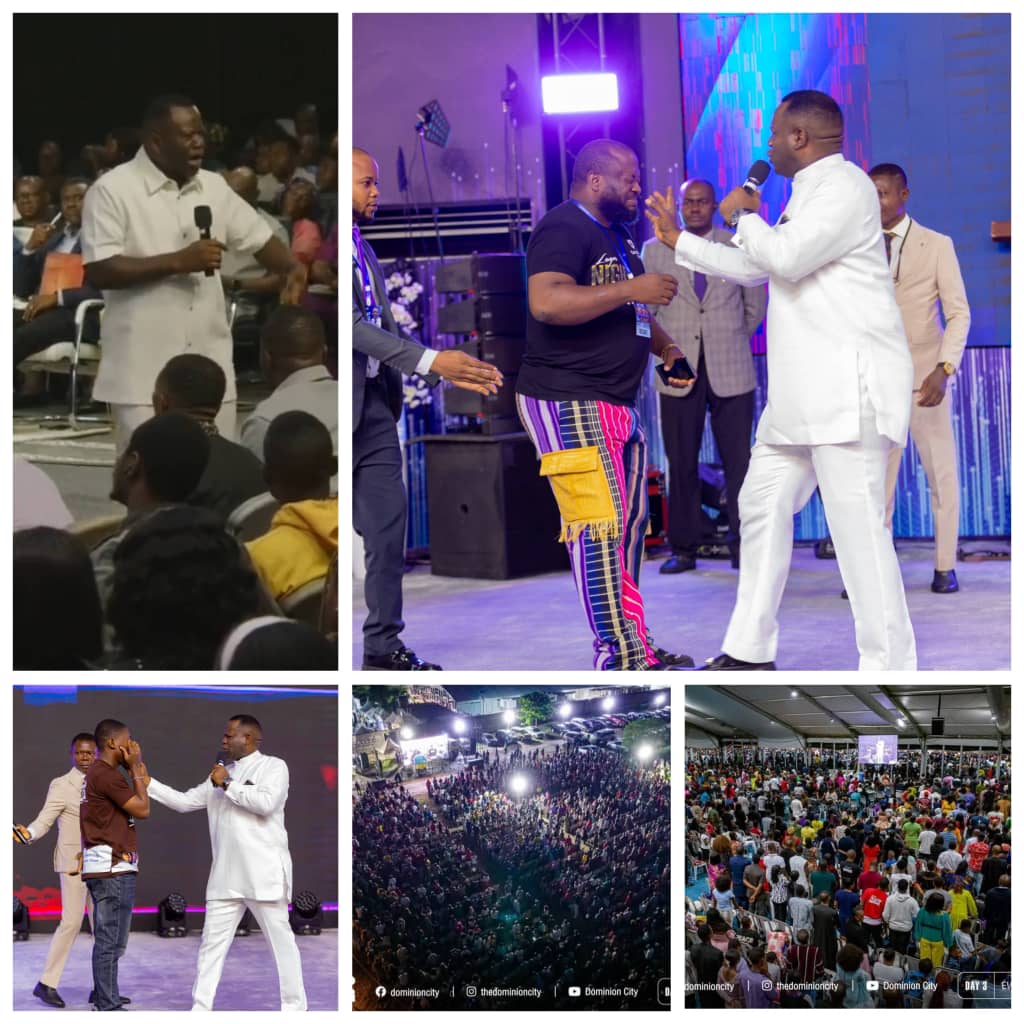
Revival Atmosphere as Dominion City Launches Night of Glory 2026.
Lagos – The atmosphere was charged with faith, worship, and expectancy as Dominion City’s Global Camp Meeting 2026 entered its peak with the first day of the “Night of Glory,” drawing thousands of worshippers to Lagos and Enugu in a powerful display of spiritual revival.
Held at the Golden Heart Place, Ajah, Lagos, the Friday evening gathering marked a significant moment in the ongoing six-day conference themed “Redigging the Wells of Our Fathers.” Participants from across Nigeria and beyond converged both physically and online, united by a shared hunger for divine encounter and transformation.
From the outset, the meeting was characterised by intense worship sessions led by gospel ministers, creating an atmosphere many attendees described as “tangible with God’s presence.” The night quickly transitioned into sessions of fervent prayers, prophetic ministrations, and teachings centred on restoration, healing, and spiritual awakening.
Presiding over the meeting, Dr. David Ogbueli, founder of Dominion City, charged participants to reconnect with foundational truths and spiritual disciplines necessary for personal and societal transformation. He emphasised that the “Night of Glory” was designed as a moment of divine visitation where destinies could be reshaped.
“As we redig the wells of our fathers, we are reconnecting with ancient graces and covenant realities that produce undeniable results,” he declared.
As the night unfolded, several remarkable testimonies were shared, reinforcing the theme of supernatural intervention. Among them was the case of a 14-year-old girl who was reportedly delivered from a seven-year struggle with pornography addiction, an experience that drew emotional reactions from the congregation.
Other testimonies included reported healing from cancer, recovery from a severe skin infection attributed to spiritual affliction, the healing of a heart-related condition, and three years of a non-menstrual period. Attendees also recounted instances of restored hearing and sight, with individuals testifying to improvements from partial deafness and blindness, among others.
Fathers of faith present were Barrister Emeka Nwankpa, Pastor Yemi Ayodele, Rev. Pade Tokun, Apostle Gbenga Adegbenro, Rev. Mike Adegbile, and others. Other Ministers present, including Pastor Dr. Charles Ndifon, Pastor Randy Mitchell, Apostle Ikechukwu Nnajiofor, and others, reinforced messages of faith and the power of God to intervene in human situations. They encouraged worshippers to remain steadfast and receptive, noting that miracles often spring from an atmosphere of unwavering belief.
Beyond the miraculous, the gathering also underscored a broader call to moral and spiritual renewal. Church leaders reiterated the need for believers to embody values that can positively influence society, especially in a time of perceived moral decline.
The “Night of Glory” is part of the larger Global Camp Meeting, which began on April 1 and will run through April 6, featuring daily teachings, leadership sessions, and specialized programmes for youths and families.
Organisers say expectations remain high for the second night, with many believing that the wave of miracles and transformation witnessed on the first night is only the beginning.
For many attendees, however, the message was clear beyond the signs and wonders; the true essence of the gathering lies in a renewed commitment to live transformed lives and impact society. //END.//
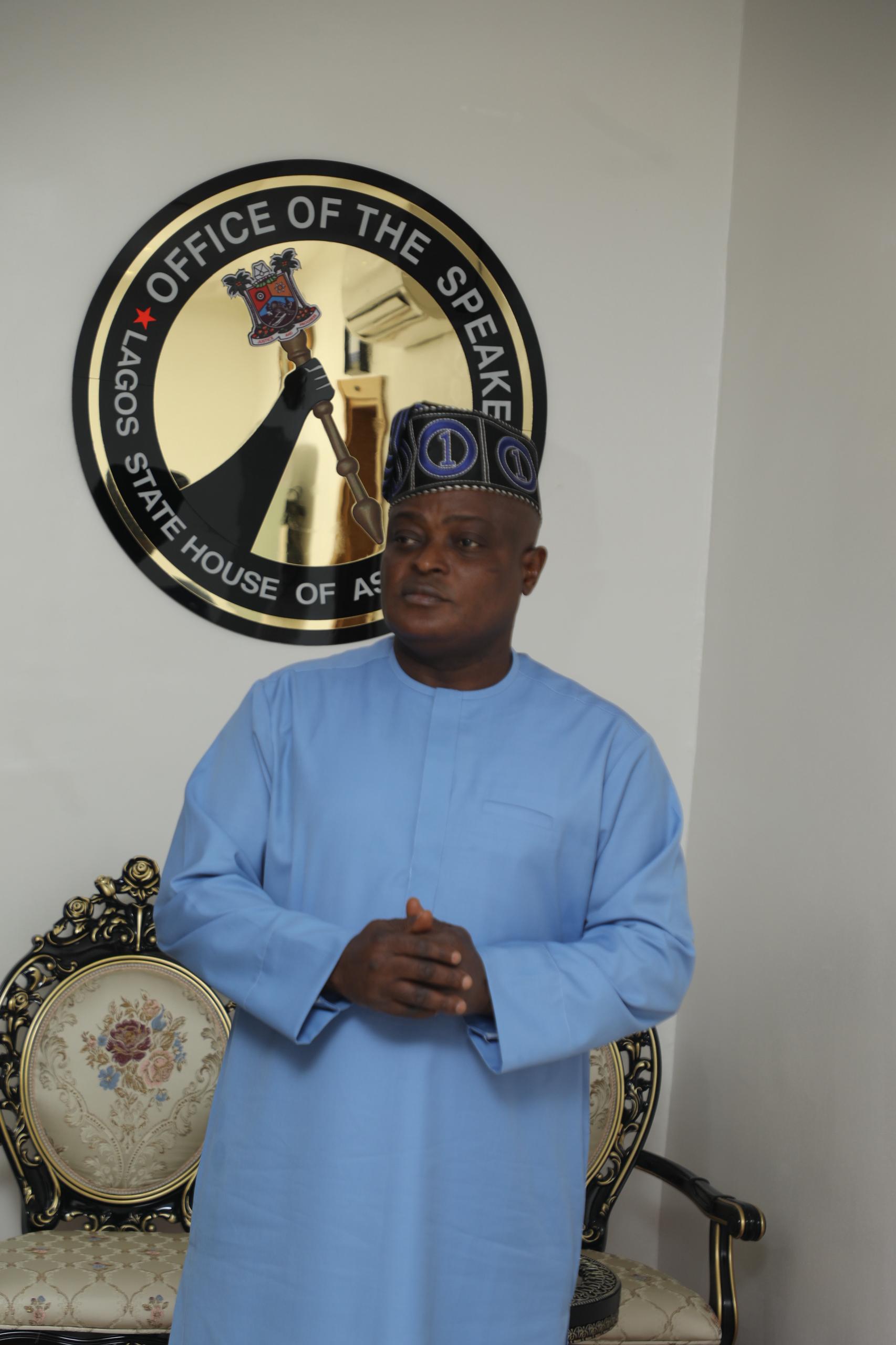
Easter: Obasa Urges Christians To Embrace Hope, Unity, Renewal
The Speaker of the Lagos State House of Assembly, Rt. Hon. Mudashiru Obasa, has congratulated Christian faithful in Lagos and across Nigeria on the celebration of Easter, urging them to draw strength from the lessons of Christ’s resurrection.
In his Easter message, released by his Chief Press Secretary, Mr. Dave Agboola, Obasa described the season as a reminder of victory over despair, renewal after trials, and the triumph of light over darkness. He noted that just as Christ overcame death, Nigeria can overcome its current challenges if citizens remain steadfast, prayerful, and committed to unity.
“Easter is a season of hope and renewal. As a nation, we face economic pressures and security concerns, but the resurrection teaches us that no situation is beyond redemption. Let us roll away the stones of division and despair, and work together for peace, justice, and prosperity,” the Speaker said.
He called on Lagosians to continue to show love and compassion to one another, stressing that collective effort is key to building a stronger Lagos and a better Nigeria.
Obasa prayed that the joy of Easter would fill homes with renewed faith and guide both leaders and citizens toward a brighter future.
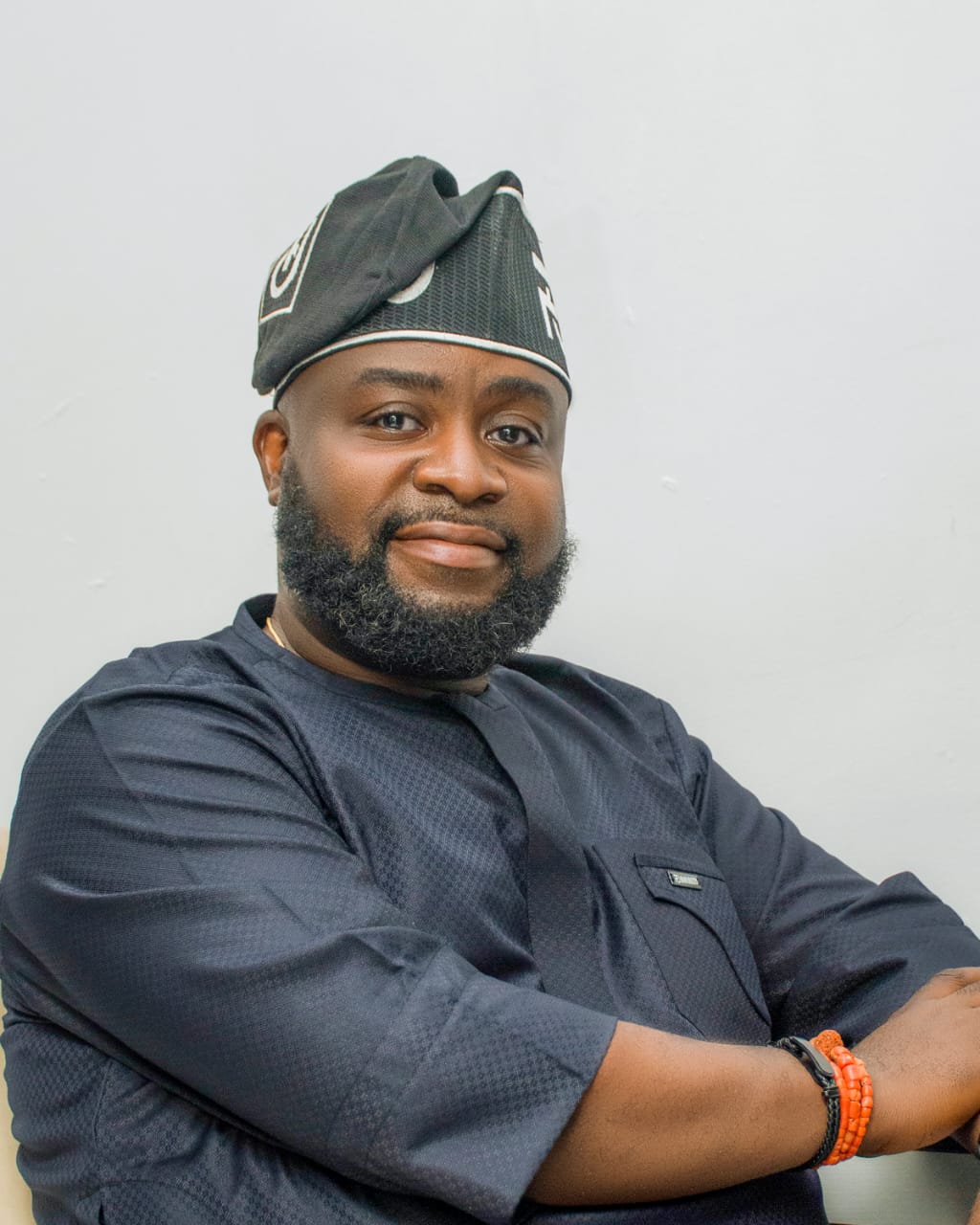
*PDP CHIEFTAIN, ONIRETI RESIGNS FROM PARTY, CITES PERSONAL REFLECTION
A former House of Representatives candidate, Olufemi Onireti, has formally resigned his membership of the Peoples Democratic Party (PDP) in Oyo State.
His resignation was conveyed in a letter addressed to the Chairman of PDP Osupa Ward 9, Ogbomoso North Local Government, on Thursday.
Onireti described the decision as a difficult but necessary step after what he termed a period of “deep personal reflection.”
“I hereby formally resign my membership of the Peoples Democratic Party (PDP), effective immediately,” he wrote.
He acknowledged his years of active involvement in the party, including contesting for the House of Representatives in the last general election, noting that the PDP had offered him a platform for political participation, service, and growth.
Despite his exit, Onireti expressed appreciation to party leaders and members for the support he enjoyed over the years.
“I remain grateful for the opportunity to serve and for the relationships and experiences I gained during my time in the party.
I wish the party well in its future endeavours,” he added.
The development is expected to generate discussions within the Ogbomoso North political circle, as observers await his next political move.


-

 society7 months ago
Religion: Africa’s Oldest Weapon of Enslavement and the Forgotten Truth
-

 news4 months ago
WHO REALLY OWNS MONIEPOINT? The $290 Million Deal That Sold Nigeria’s Top Fintech to Foreign Interests
-

 society6 months ago
“You Are Never Without Help” – Pastor Gebhardt Berndt Inspires Hope Through Empower Church (Video)
-

 celebrity radar - gossips2 months ago
Dr. Chris Okafor Returns with Power and Fire of the Spirit -Mounts Grace Nation Altar with Fresh Anointing and Restoration Grace on February 1, 2026