
celebrity radar - gossips
“WE SHALL NOT BOW”-Femi Fani-Kayode Blows Hot

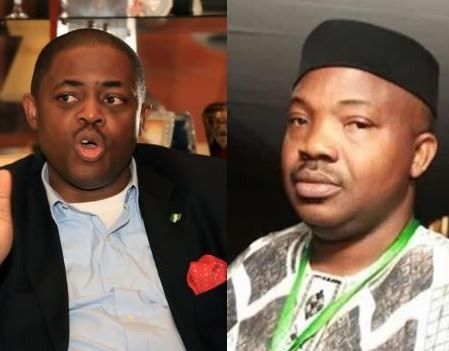
“I am the leader of Uthman Danfodio dynasty. I have never seen where in the hundred books that Uthman Danfodio said Nigeria belongs to the Fulani. What he wrote was the role of Islam in leadership, governance etc. He never mentioned of conquering any particular land or claimed ownership of any territory. People make comments that Jihad is to Islamise every country, but I said no. Danfodio never came to Islamise any country, he preached against bad government. That fake write-up was by those who don’t want peace in this country and we had denounced that. I am the National Patron of the Miyetti Allah Cattle Breeders Association (MACBAN). It has been in existence for 44 years. There are two other organisations that I know, but others I don’t know. Please verify from us before you put blame on us”- Muhammadu S’aad Abubakar, the Sultan of Sokoto, February, 2020.
I commend His Eminence the Sultan of Sokoto for attempting to do damage control and douse the tension that was generated in the aftermath of the explosive statement by the Fulani Nationalist Movement (FUNAM).
However I respectfully disagree with him on his assertion that his highly esteemed ancestor and forefather, Uthman Dan Fodio “never conquered or claimed ownership of any land” or that “he did not come to Islamise any country”.
I also beg to differ with him on his tacit implication that Miyetti Allah, an organisation that can best be described as the biblical and modern-day “troubler of our collective peace” are respectable and peace-loving.
I believe that given what we have suffered in the hands of the local Janjaweed known as the Fulani herdsmen and murderous terrorist militias who have come under their protective umbrella over the last five years, the opposite is actually the case.
Permit me to focus on Uthman Dan Fodio in this contribution and leave the insidious activities and sinister agenda of Miyetti Allah for another day. The facts are as follows.
In 1804 one of the most savage and bestial wars and bloody jihads in African history was waged against the Hausa Habe Kingdom and people of the area that later became known as “northern Nigeria” by Sheik Uthman Dan Fodio.
He was primarily an Islamic scholar and the spiritual and military leader of the Fulani people who came in their hundreds of thousands from Futa Jalon and Futa Toro in modern-day Guniea to northern Nigeria and established Africa’s most powerful and ruthless Islamic Caliphate.
For anyone, no matter how respected or highly placed, to suggest that Dan Fodio was just a scholar and teacher that only wrote books, that never waged war and violent jihad and that never laid claim to and conquered parts of Nigeria is most unfortunate.
Such an assertion can best be described as being, at best, intellectually dishonest and patently false and, at worse, historical revisionism in its most brazen and repugnant form.
The truth is that Dan Fodio and his Fulani army not only indulged in merciless acts of pure barbarity in battle and committed what can only be described as genocide against defenceless and innocent civilian populations but he also imposed his own extreme, hardline, purist, wahhabist and salafist version of Islam on the people of core northern Nigeria with a scimitar and a sword and forcefully imposed Fulani Emirs on them.
The only ethnic nationality that successfully warded him and his Fulani armies off in the north were the strong and proud Kanuris of the El Kanemi dynasty and empire in modern-day Borno state who warned him to steer clear of their territory and he did.
Finally the only race that ever defeated the Fulani in open battle and thereby put a halt and full stop to their attempt to march down South and “dip the Koran in the Atlantic ocean” were the gallant sons of Oduduwa, led primarily by the Ibadan generals and military commanders, who defeated them in battle at Osogbo in 1840 and drove them back north.
They not only defeated them but they also slaughtered and ate their horses and publicly executed their allies and military commanders from Ilorin.
The Fulani have never succeeded in conquering the people of the South West militarily and I make boast to say that they never will.
The recent statement credited to the Fulani Nationalist Movement known as FUNAM who said that every inch of Nigeria belonged to them “from Sokoto to the banks of the Atlantic ocean”, that “Nigeria is the only inheritance we have in Africa and anywhere in the world” and that “this was the destiny bestowed on Uthman Dan Fodio which would have been fulfilled since 1816 if not for the obstruction of this great assignment by the British” was simply an accurate and honest reflection of the mindset and ultimate vision of Usman Dan Fodio and other great Fulani leaders and Mahdi’s through the ages like Sir Ahmadu Bello and lately President Muhammadu Buhari.
FUNAM went further to say,
“It is no longer time to play the ostrich. Our men are waiting. We are eager to fight. We are boiling with the zeal to actualize our dream; enough of double dealing and ambivalence by FULANI political leaders who unfortunately think the FULANI can only take back what belongs to us through appeasement and elections destined to reflect cultural values antithetical to the preaching of Uthman Dan Fodio”.
We ignore and play down these incendiary words at our own peril.
I speak for millions when I say that the indigenous and oppressed people and ethnic nationalities of Nigeria have had enough of these open threats of tyranny and violence and neither are we interested in being vassals and slaves.
Had we listened to Colonel Emeka Odumegwu-Ojukwu and the Biafrans in 1967, considered their terrible plight and aligned with them during the civil war things would have been very different today and we would not have been subjected to these infantile and provocative insults from the likes of FUNAM.
The bottom line is as follows: we either have a Nigeria where all men, regardless of ethnic nationality or faith, are regarded as being equal before God and the law or we shall have no Nigeria at all. No-one can impose their will on us and neither can anyone intimidate us.
We do not seek war and neither do we relish or endorse any form of violence. We want peaceful co-existence and mutual respect. We want love, prosperity and progress for all and we offer it to those who wish us well and seek to do us no harm.
However if in a moment of madness we are ever attacked we shall stand firm and stand strong. We shall never retreat and neither shall we surrender.
We shall defend our people, we shall defend our land, we shall defend our honor and we shall defend our heritage.
We are not cowards and we shall never bend the knee or bow our heads to the tyranny of foreign invaders who erroneously believe that they were born to rule and that we were born to serve.
Permit me to conclude this contribution with the following.
Given what is going on in our country today and despite the laudable efforts of moderates such as the Sultan of Sokoto to diffuse the tension and reign in the more radical and hardline elements in the ranks of the Fulani I am convinced of two things.
Firstly that the call by many southern and Middle Belt leaders for restructuring is not only outdated but also too little, too late.
Secondly that if care is not taken there is every likelihood that Nigeria will break into two or more pieces within the next five years.
Mark my words and remember them! The only way to prevent this from happening is for these vicious threats of gratutious violence and Fulani adventurism and expansionism to stop and for the oppressors to start seeing the oppressed as equal partners and stakeholders in the Nigerian project. Without that Nigeria is truly finished and will soon be history.
(Femi Fani-Kayode)




celebrity radar - gossips
Adron Homes Celebrates Visionary Chairman, Aare Adetola Emmanuel King, at 51
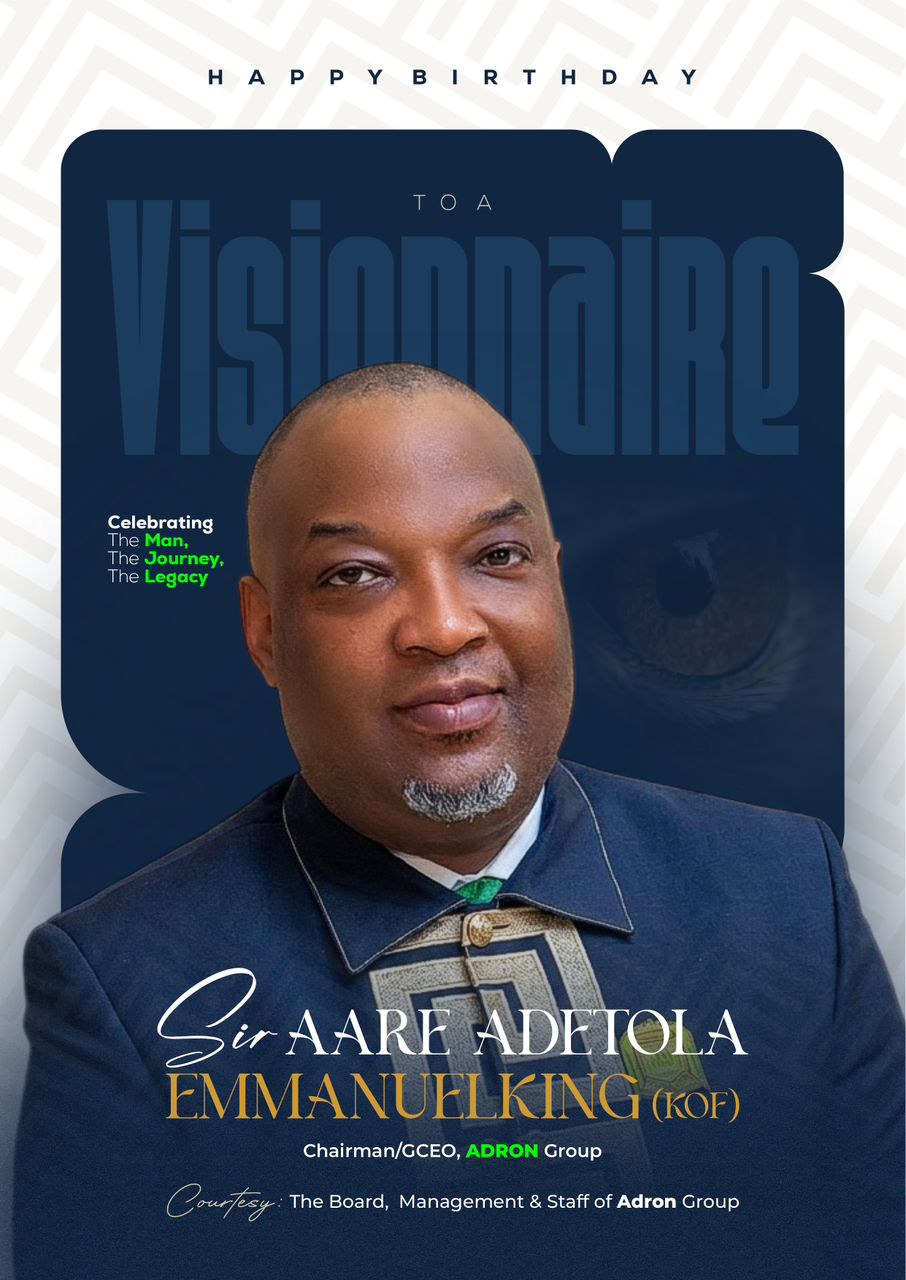
Adron Homes Celebrates Visionary Chairman, Aare Adetola Emmanuel King, at 51
The management and staff of Adron Homes and Properties Limited have joined family, friends, associates, and well-wishers across the globe to celebrate their Chairman and Chief Executive Officer, Aare Adetola EmmanuelKing, as he marks his 51st birthday.

In a statement released by the company, the milestone was described as a celebration of an exceptional leader whose vision, resilience, and entrepreneurial brilliance have not only transformed Adron Homes into a household name in Nigeria’s real estate sector but have also redefined affordable housing across the country.
Under his dynamic leadership, Adron Homes has continued to expand its footprint, delivering value-driven residential solutions while empowering thousands of Nigerians with opportunities for home ownership. His commitment to excellence, innovation, and customer satisfaction has remained the driving force behind the company’s sustained growth and industry leadership.
The statement further highlighted Aare EmmanuelKing’s passion for nation-building and community development, noting his significant contributions to job creation, youth empowerment, and the promotion of socio-economic development through real estate investments.
“As a leader, mentor, and visionary, Aare Adetola EmmanuelKing has consistently inspired a culture of excellence, integrity, and dedication within the organization. His ability to turn bold ideas into reality continues to position Adron Homes as a trailblazer in the industry,” the statement read.
The company expressed profound gratitude for his steadfast leadership and prayed for continued wisdom, strength, and sound health as he embarks on another year of impactful achievements.
As he celebrates his 51st birthday, the entire Adron Homes family proudly honours a man whose legacy continues to shape the future of real estate in Nigeria.
Happy 51st Birthday, Aare Adetola EmmanuelKing!
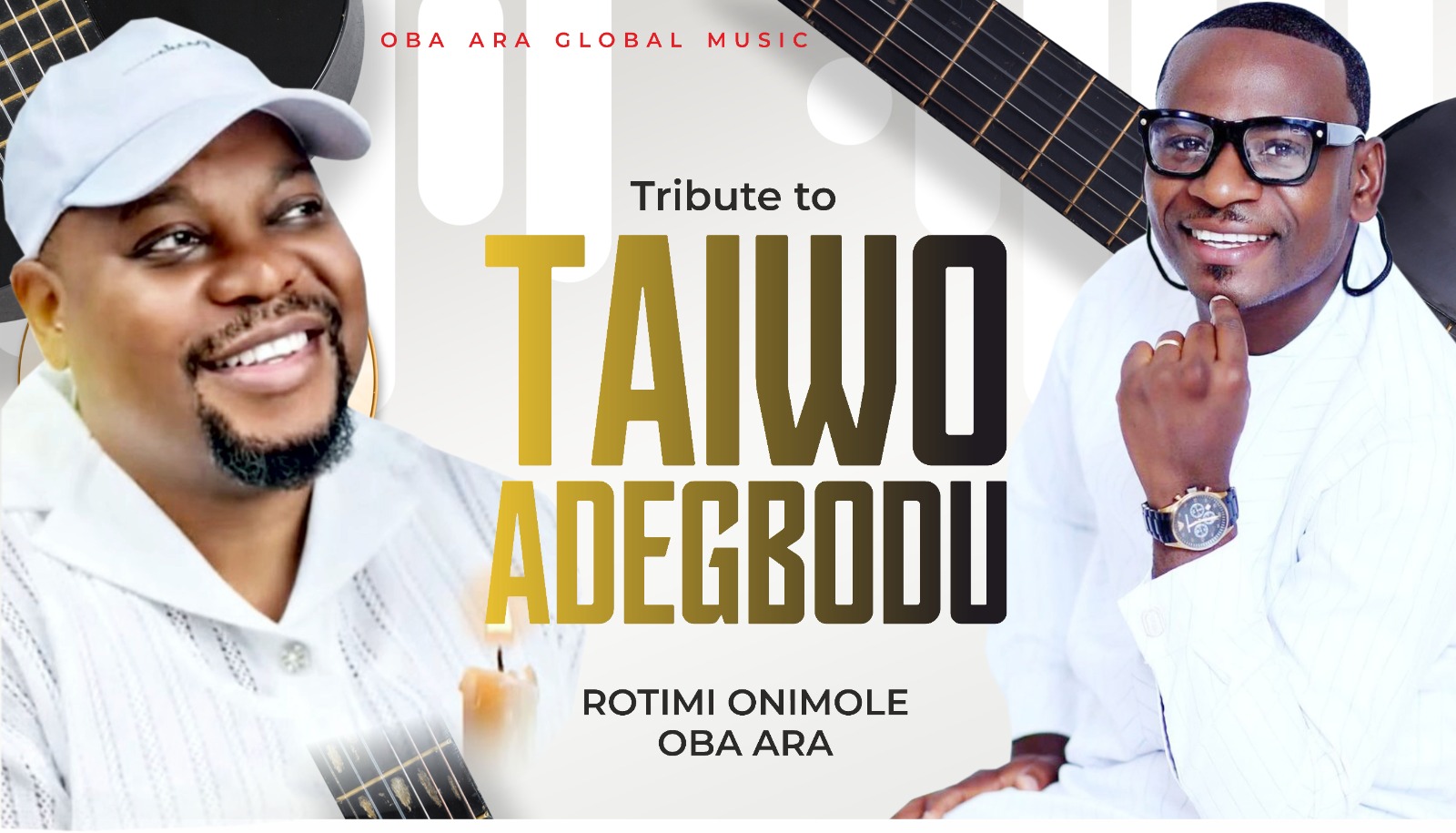
Oba Ara Releases Emotional Tribute to Late Taiwo Adegbodu
Taofik Afolabi
The gospel music community continues to grieve the painful loss of Taiwo Adegbodu, a beloved figure whose sudden departure left a deep void among fans, colleagues, and loved ones. In response to this loss, renowned gospel minister Rotimi Onimole, popularly known as Oba Ara, has released a moving tribute song that captures both the sorrow of the moment and the enduring legacy of the late singer.
Oba Ara, a proud son of Isale Eko, channels raw emotion throughout the song, using heartfelt lyrics and soul-stirring melodies to reflect on his personal connection with Taiwo Adegbodu. In the tribute, he openly expresses how deeply the news of Adegbodu’s passing shook him, describing it as a painful and unexpected loss that is difficult to come to terms with.
The song goes beyond mourning, it celebrates the life, ministry, and impact of Taiwo Adegbodu. Oba Ara highlights the late artist’s dedication to spreading the gospel through music, his inspiring voice, and the spiritual influence he had on many within and beyond Nigeria. Through powerful verses, he paints a picture of a man who lived for God and touched countless lives through his ministry.
Listeners have described the tribute as both comforting and deeply emotional, as it resonates with the collective grief of the gospel music community. It serves as a reminder that although Taiwo Adegbodu is no longer physically present, his music, message, and legacy will continue to live on.
In honoring his late colleague, Oba Ara not only pays his respects but also offers a source of healing for fans and fellow ministers, using music as a tool to process grief and celebrate a life well lived.
celebrity radar - gossips
Buratai, Fagbemi , Shagaya, Olofa, Others Eulogise Olowu Kuta’s Olori On 60th Birthday, Foundation Launch
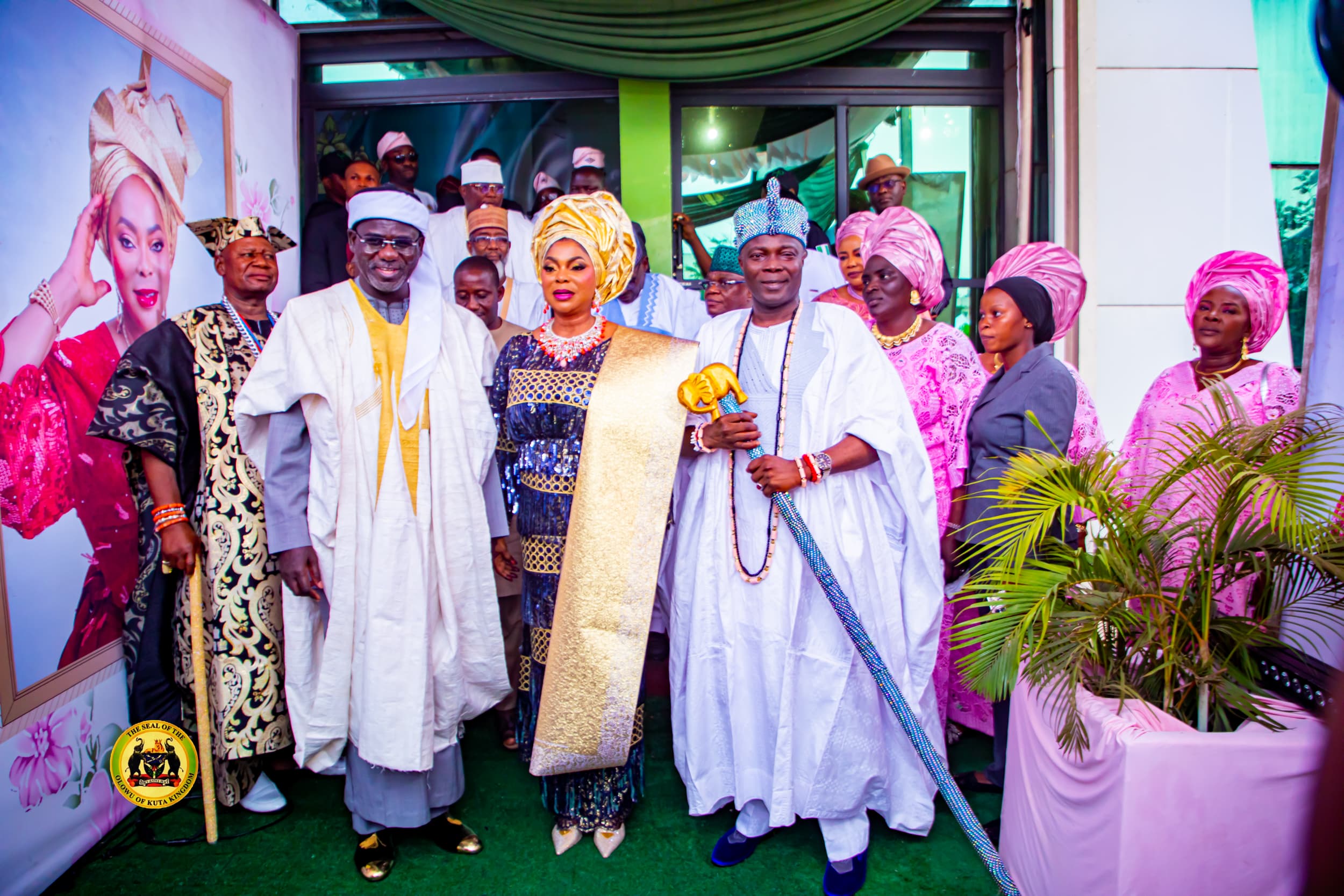
Buratai, Fagbemi , Shagaya, Olofa, Others Eulogise Olowu Kuta’s Olori On 60th Birthday, Foundation Launch
Eminent personalities across the Nigeria stormed the TFK Event Centre, Bala Mohammed Way, Guzape, Abuja, to celebrate the 60th birthday of Olowu Kuta’s Olori, Queen Jumai Amoke and her Foundation Launch on Saturday 28, March 2026.

From former Chief of Army Staff, Lt Gen TY Buratai rtd, to the Minister of Justice and Attorney-General of the Federation, Prince Lateef Fagbemi; Olofa of Offa, HRM Oba Mufutau Gbadamosi. Even top businesswoman and socialite, Chief (Mrs) Bola Shagaya, was in attendance.


Other dignitaries were newly promoted Deputy Inspector-General of Police and former AIG Zone 2 , Lagos , Adegoke Fayoade, Major General Abdumalik, Major General Samuel Adebayo rtd (Fmr CDI);
Major General Anthony Omozoje rtd (Fmr Copp);
Alhaji Tajudeen Owoyemi (Asiwaju of Offa and CEO Radisson Hotel Nigeria;
Dr Waheed Olagunju, former managing director of Bank of Industry, Oniba of Iba, Lagos State, HRM Oba Dr Suleiman Raji ;
Justice Falola, Olu of Ile-Ogbo , Oba Adetoyese amongst many traditional rulers and captains of industry too numerous to mention.
Speaking at the occasion, the Chief Host, Olowu of Kuta, HRM Oba Dr Adekunle Oyelude Makama, CON , Tegbosun iii, who is also the husband of the celebrant commended Queen Jumai for ‘ her slender arms full of kindness’ to establish such humanitarian Foundation, ‘Amoke Children and mother in Need Foundation’ at a time Nigerians are going through economic crisis occassioned by the global meltdown.
Olowu also commended her steadfastness and love for the less privileged and downtrodden.
The monarch refrenced the task before his wife’s humanitarian gesture said her best is yet to come.
” Olori Amoke Jumai, I celebrate you. You will celebrate 70, 80, 90 and continue to shine as you continue to put a smile on people’s faces. I love you, “Olowu Kuta added.
To Lt Gen Buratai, a former army chief and former Nigerian Ambassador to Benin Republic, the reward of hard work is more work.
Buratai, who also doubles as Balogun Agba of Owu Kuta, a chieftaincy title reserved for a generalismo congratulated Queen Jumai for attaining the age of 60 in good health.
The retired army General said he’s not surprised by the turn out of eminent personalities across the country to celebrate the Olowu Kuta’s Olori because she merited it through her hospitality to all, adding that Allah the most merciful, most beneficial would accept all her act of ibadah.
The minister of Justice, Prince Fagbemi, was full of praises for Queen Jumai for deeming it fit to have a place in her heart to accommodate the needy and less privileged in ‘our society.’
Prince Fagbemi urged the guests to contribute generously to support the Foundation in order to continue to alleviate poverty and put a smile on the faces of the people.
” I congratulate you on your 60th birthday and Foundation Launch. I wish you many happy returns of the day and many more fruitful services to the country and motherland”, Prince Fagbemi added.
The celebrant, Queen Jumai who was grining from ear to ear thankfully said she was excited by the turn out and the response of the people to her foundation.
Queen Jumai, however, promised to continue to use her resources and donations received for the good of the needy and less privileged in the society.
” I want to appreciate my own Kabiesi Olofa of Offa , for his presence and im I’m using him as a point of contact to all other Kabiesis present here, the minister of justice and Attorney-General, you’re welcome, sir; Mrs Bola Shagaya, I salute your enterprise, Lt Gen Buratai, I’m grateful, sir; DIG Fayoade, Justice Falola and other dignitaries too numerous to mention, I thank you, all. To my darling husband, Kabiesi Olowu , I thank you immensely for your support. And to my family and friends, I thank you , all. E se pupo!”, she said.


-

 society7 months ago
Religion: Africa’s Oldest Weapon of Enslavement and the Forgotten Truth
-

 news4 months ago
WHO REALLY OWNS MONIEPOINT? The $290 Million Deal That Sold Nigeria’s Top Fintech to Foreign Interests
-

 society6 months ago
“You Are Never Without Help” – Pastor Gebhardt Berndt Inspires Hope Through Empower Church (Video)
-

 celebrity radar - gossips2 months ago
Dr. Chris Okafor Returns with Power and Fire of the Spirit -Mounts Grace Nation Altar with Fresh Anointing and Restoration Grace on February 1, 2026