
Politics
𝗪𝗛𝗬 𝗧𝗛𝗘 𝗡𝗘𝗪 𝗦𝗛𝗘𝗥𝗜𝗙𝗙 𝗜𝗡 𝗚𝗢𝗩𝗘𝗥𝗡𝗠𝗘𝗡𝗧 𝗛𝗢𝗨𝗦𝗘 𝗪𝗔𝗡𝗧𝗦 𝗕𝗔𝗥𝗥. 𝗔𝗟𝗣𝗛𝗢𝗡𝗦𝗨𝗦 𝗘𝗕𝗔 𝗥𝗘𝗠𝗢𝗩𝗘𝗗 𝗕𝗘𝗙𝗢𝗥𝗘 𝗔𝗣𝗖 𝗖𝗢𝗡𝗚𝗥𝗘𝗦𝗦𝗘𝗦 𝕭𝖞: 𝐊𝖑𝖊𝖒 𝐈𝖐𝖔𝖎


𝗪𝗛𝗬 𝗧𝗛𝗘 𝗡𝗘𝗪 𝗦𝗛𝗘𝗥𝗜𝗙𝗙 𝗜𝗡 𝗚𝗢𝗩𝗘𝗥𝗡𝗠𝗘𝗡𝗧 𝗛𝗢𝗨𝗦𝗘 𝗪𝗔𝗡𝗧𝗦 𝗕𝗔𝗥𝗥. 𝗔𝗟𝗣𝗛𝗢𝗡𝗦𝗨𝗦 𝗘𝗕𝗔 𝗥𝗘𝗠𝗢𝗩𝗘𝗗 𝗕𝗘𝗙𝗢𝗥𝗘 𝗔𝗣𝗖 𝗖𝗢𝗡𝗚𝗥𝗘𝗦𝗦𝗘𝗦
𝕭𝖞: Edward Okoji
Politics in Cross River State has entered a very dangerous phase, and only those who observe closely can truly understand what is going on. Many people think the Vote of No Confidence passed on the APC State Chairman, 𝗕𝗮𝗿𝗿. 𝗔𝗹𝗽𝗵𝗼𝗻𝘀𝘂𝘀 𝗢𝗴𝗮𝗿 𝗘𝗯𝗮, is about “𝘧𝘪𝘯𝘢𝘯𝘤𝘪𝘢𝘭 𝘮𝘪𝘴𝘢𝘱𝘱𝘳𝘰𝘱𝘳𝘪𝘢𝘵𝘪𝘰𝘯.” But the truth is far deeper, more political, and completely planned for 𝟮𝟬𝟮𝟳.
Today, the real battle is not about money. It is about 𝘄𝗵𝗼 𝗰𝗼𝗻𝘁𝗿𝗼𝗹𝘀 𝘁𝗵𝗲 𝗔𝗣𝗖, who controls the delegates, and who determines the future of the party going into the next elections.
And sadly, a man who has worked so hard for the party is being deliberately given a bad name simply because some people want him out of the way.
𝟭. If the accusations against Barr. Eba were genuine, why did the following major stakeholders pass a 𝗩𝗼𝘁𝗲 𝗼𝗳 𝗖𝗼𝗻𝗳𝗶𝗱𝗲𝗻𝗰𝗲 𝗼𝗻 𝗵𝗶𝗺 𝗯𝗲𝗳𝗼𝗿𝗲?
• The Vice Chairmen
• Women Leader
• Youth Leaders
• Forum of 196 Ward Chairmen
• Special Leaders
• Majority of Chapter and Ward Executives
These same people originally submitted complaints against certain chapter chairmen for 𝗲𝗺𝗯𝗲𝘇𝘇𝗹𝗶𝗻𝗴 𝗳𝘂𝗻𝗱𝘀, not against Barr. Eba. After proper investigation, they openly declared support for him.
So what changed?
Reports now show that the “𝗡𝗲𝘄 𝗦𝗵𝗲𝗿𝗶𝗳𝗳” 𝗶𝗻 𝗚𝗼𝘃𝗲𝗿𝗻𝗺𝗲𝗻𝘁 𝗛𝗼𝘂𝘀𝗲 began calling and inducing these same party leaders to withdraw their confidence vote and support Eba’s removal.
This is not coincidence. It is political engineering.
Only a handful of excos, mostly those deceived into seeing this as “𝗘𝗳𝗶𝗸 𝘃𝘀 𝗔𝘁𝗮𝗺” politics fell for the manipulation.
But even after midnight meetings in Government House, financial inducements, and heavy pressure, strong party leaders like:
• 𝗠𝗿. 𝗘𝗺𝗺𝗮𝗻𝘂𝗲𝗹 𝗔𝘁𝗲𝗯
• 𝗠𝗿. 𝗕𝗲𝗻 𝗟𝘂𝗸𝗽𝗮𝘁𝗮
• 𝗗𝗿. 𝗝𝘂𝗹𝗶𝗲𝘁 𝗗𝗶𝘄𝗮
And 5 others who were absent. But Emma Ateb was deceived to join the Government team with a promise to be made Acting Chairman but they played him and brought one of their own because an Ayade in law should not be trusted.
The remaining two refused to join the injustice. Now, we hear they are being threatened, and plans for their suspension are already in motion.
If this is not political intimidation, what else can it be?
𝟮. Our people say:
“𝙒𝙝𝙚𝙣 𝙖 𝙢𝙖𝙣 𝙬𝙖𝙣𝙩𝙨 𝙩𝙤 𝙠𝙞𝙡𝙡 𝙖 𝙙𝙤𝙜, 𝙝𝙚 𝙛𝙞𝙧𝙨𝙩 𝙜𝙞𝙫𝙚𝙨 𝙞𝙩 𝙖 𝙗𝙖𝙙 𝙣𝙖𝙢𝙚.”
That is exactly what they are doing to Barr. Eba.
They want him gone, so they must create a scandal.
They know that if they come out openly to say they want to control the 2027 delegates, they will face public anger. So they hide behind “𝘧𝘪𝘯𝘢𝘯𝘤𝘪𝘢𝘭 𝘢𝘭𝘭𝘦𝘨𝘢𝘵𝘪𝘰𝘯𝘴,” even when the facts show the opposite.
𝟯. The truth is bitter: Barr. Eba is being punished because he blocked fraud.
He discovered that many chapter chairmen were:
𝟭. not remitting correct stipends to wards and chapters,
𝟮. mismanaging appointee dues,
𝟯. diverting LGA funds,
𝟰. sitting on over ₦𝟲𝟬 𝗺𝗶𝗹𝗹𝗶𝗼𝗻 that belonged to other excos,
𝟱. collecting ₦𝟯.𝟲 𝗺𝗶𝗹𝗹𝗶𝗼𝗻 “𝘵𝘪𝘮𝘣𝘦𝘳 𝘧𝘶𝘯𝘥𝘴” monthly and sharing among themselves.
To stop this, Eba introduced a transparent system:
𝗔𝗹𝗹 𝘀𝘁𝗶𝗽𝗲𝗻𝗱𝘀 𝘀𝗵𝗼𝘂𝗹𝗱 𝗯𝗲 𝗽𝗮𝗶𝗱 𝗱𝗶𝗿𝗲𝗰𝘁𝗹𝘆 𝗶𝗻𝘁𝗼 𝘁𝗵𝗲 𝗮𝗰𝗰𝗼𝘂𝗻𝘁𝘀 𝗼𝗳 𝘄𝗮𝗿𝗱 𝗮𝗻𝗱 𝗰𝗵𝗮𝗽𝘁𝗲𝗿 𝗲𝘅𝗲𝗰𝘂𝘁𝗶𝘃𝗲𝘀.
This angered those who had been feeding fat from the old system.
So now, these same people shout that the man who stopped fraud is the one “𝘦𝘮𝘣𝘦𝘻𝘻𝘭𝘪𝘯𝘨 𝘮𝘰𝘯𝘦𝘺.”
A classic case of a thief calling a prosecutor a thief.
𝘈𝘯𝘥 𝘸𝘩𝘢𝘵 𝘥𝘰 𝘵𝘩𝘦𝘺 𝘥𝘦𝘮𝘢𝘯𝘥?
They insist that stipends must again pass through 𝗞𝗲𝗹𝘃𝗶𝗻 𝗡𝗷𝗼𝗻𝗴, the so-called “timber big boy” being used by the New Sheriff.
Why must Kelvin be the middleman?
Who in Government House benefits when funds pass through Kelvin?
Why is a chapter chairman escorted by police to lock up the state secretariat?
The answers will shock many when the Governor’s promised probe begins.
𝟰. Let nobody deceive you.
The real reason they want Eba removed is 𝟮𝟬𝟮𝟳.
𝘞𝘩𝘰 𝘤𝘰𝘯𝘵𝘳𝘰𝘭𝘴 𝘤𝘰𝘯𝘨𝘳𝘦𝘴𝘴𝘦𝘴?
𝘞𝘩𝘰 𝘴𝘶𝘱𝘦𝘳𝘷𝘪𝘴𝘦𝘴 𝘥𝘦𝘭𝘦𝘨𝘢𝘵𝘦 𝘭𝘪𝘴𝘵𝘴?
𝘞𝘩𝘰 𝘢𝘱𝘱𝘳𝘰𝘷𝘦𝘴 𝘸𝘢𝘳𝘥 𝘢𝘯𝘥 𝘤𝘩𝘢𝘱𝘵𝘦𝘳 𝘴𝘵𝘳𝘶𝘤𝘵𝘶𝘳𝘦𝘴?
𝗧𝗵𝗲 𝗦𝘁𝗮𝘁𝗲 𝗖𝗵𝗮𝗶𝗿𝗺𝗮𝗻 𝗕𝗮𝗿𝗿. 𝗔𝗹𝗽𝗵𝗼𝗻𝘀𝘂𝘀 𝗘𝗯𝗮.
As long as Eba remains Chairman:
(√). Ayade’s possible return to Senate remains open.
(√). Their preferred senatorial candidates are at risk.
(√). Their 2027 calculations collapse.
(√). The northern bloc becomes unpredictable.
So, to secure 2027, they must remove Eba now.
It has nothing to do with missing stipends.
It is all about taking over the party.
𝟱. The New Sheriff’s real agenda is to replace the following:
Sen. Asuquo Ekpenyong for being too loyal to the Senate President, a man considered to be an enemy of the system.
• 𝗦𝗲𝗻. 𝗘𝘁𝗲𝗻𝗴 𝗝𝗼𝗻𝗮𝗵 𝗪𝗶𝗹𝗹𝗶𝗮𝗺𝘀 (𝗖𝗥 𝗖𝗲𝗻𝘁𝗿𝗮𝗹) → replace with Oden Ewa
• 𝗥𝘁. 𝗛𝗼𝗻. 𝗔𝗹𝗲𝘅 𝗘𝗴𝗯𝗼𝗻𝗮 (𝗔𝗯𝗶/𝗬𝗮𝗸𝘂𝗿𝗿) → replace with their preferred candidate Moses osogi
• 𝗛𝗼𝗻. 𝗩𝗶𝗰𝘁𝗼𝗿 𝗔𝗯𝗮𝗻𝗴 (𝗜𝗸𝗼𝗺/𝗕𝗼𝗸𝗶) → replace with Barr. Atta Ochinke
Dr Emil Inyang, ( Akamkpa / Biase) remove / replaced
• 𝗛𝗼𝗻. 𝗠𝗶𝗰𝗵𝗮𝗲𝗹 𝗘𝘁𝗮𝗯𝗮 (𝗘𝘁𝘂𝗻𝗴/𝗢𝗯𝘂𝗯𝗿𝗮) → remove and replace
• 𝗛𝗼𝗻. 𝗝𝗼𝘀𝗲𝗽𝗵 𝗕𝗮𝘀𝘀𝗲𝘆 (𝗕𝗮𝗸𝗮𝘀𝘀𝗶/𝗔𝗸𝗽𝗮𝗯𝘂𝘆𝗼/𝗖𝗮𝗹𝗮𝗯𝗮𝗿 𝗦𝗼𝘂𝘁𝗵) → replace with their loyalist
Sen. Owan Enoh and Sen Sandy Onoh to be caged ahead of 2031
To achieve this, they need their own 𝗣𝗮𝗿𝘁𝘆 𝗖𝗵𝗮𝗶𝗿𝗺𝗮𝗻, 𝗻𝗼𝘁 𝗘𝗯𝗮.
𝟲. The Governor’s silence shows three things:
𝟭. Control of 2027 delegates is non-negotiable.
𝟮. They believe Eba cannot be trusted to conduct congresses in their favour.
𝟯. Ayade’s political structure must be weakened at all costs.
But the Governor is also facing heat:
• Complaints from over 90 percent Southern supporters feeling sidelined as government money is confined to the pockets of very few persons.
• Anger over appointments allegedly favouring Akwa Ibomites
• Unhappy blocs in Abi/Yakurr and Boki
Massive wood business by chief of staff using his boy Kelvin Njong
So the political ground is shaking.
𝟳. 𝗘𝗯𝗮 𝗥𝗲𝗺𝗮𝗶𝗻𝘀 𝘁𝗵𝗲 𝗕𝗶𝗴𝗴𝗲𝘀𝘁 𝗢𝗯𝘀𝘁𝗮𝗰𝗹𝗲 𝘁𝗼 𝗧𝗵𝗲𝗶𝗿 𝗣𝗹𝗮𝗻𝘀
Many of their 2027 aspirants are already warming up, both in Senate and House of Reps races.
But one man stands in the way:
𝗕𝗮𝗿𝗿. 𝗔𝗹𝗽𝗵𝗼𝗻𝘀𝘂𝘀 𝗢𝗴𝗮𝗿 𝗘𝗯𝗮.
𝘛𝘩𝘦𝘺 𝘤𝘢𝘯𝘯𝘰𝘵 𝘣𝘶𝘺 𝘩𝘪𝘮.
𝘛𝘩𝘦𝘺 𝘤𝘢𝘯𝘯𝘰𝘵 𝘪𝘯𝘵𝘪𝘮𝘪𝘥𝘢𝘵𝘦 𝘩𝘪𝘮.
𝘛𝘩𝘦𝘺 𝘤𝘢𝘯𝘯𝘰𝘵 𝘱𝘳𝘦𝘥𝘪𝘤𝘵 𝘩𝘪𝘮.
And since he has chosen to keep quiet, political observers say he may be holding powerful evidence which he will release at the right time.
𝟴. Anyone thinking this is just about Eba is making a big mistake.
If he is removed:
* The New Sheriff installs his own chairman.
* That chairman conducts the congresses.
* Delegates become their loyalists.
* 2027 tickets become automatic for their people.
* Existing leaders will be replaced overnight.
Many will regret supporting this injustice.
𝗙𝗶𝗻𝗮𝗹 𝗪𝗼𝗿𝗱
Barr. Alphonsus Ogar Eba is not the problem.
He is only the 𝗼𝗯𝘀𝘁𝗮𝗰𝗹𝗲 stopping a grand plan to seize full control of APC ahead of 2027.
They needed a bad name to give a dog they want to kill.
But those who truly understand Cross River politics can see through the game.
The battle is not about money.
It is about 𝗽𝗼𝘄𝗲𝗿, 𝗰𝗼𝗻𝘁𝗿𝗼𝗹, and 𝟮𝟬𝟮𝟳.
And history will judge everyone according to their role in this unfolding drama.

𝗪𝗛𝗬 𝗧𝗛𝗘 𝗡𝗘𝗪 𝗦𝗛𝗘𝗥𝗜𝗙𝗙 𝗜𝗡 𝗚𝗢𝗩𝗘𝗥𝗡𝗠𝗘𝗡𝗧 𝗛𝗢𝗨𝗦𝗘 𝗪𝗔𝗡𝗧𝗦 𝗕𝗔𝗥𝗥. 𝗔𝗟𝗣𝗛𝗢𝗡𝗦𝗨𝗦 𝗘𝗕𝗔 𝗥𝗘𝗠𝗢𝗩𝗘𝗗 𝗕𝗘𝗙𝗢𝗥𝗘 𝗔𝗣𝗖 𝗖𝗢𝗡𝗚𝗥𝗘𝗦𝗦𝗘𝗦





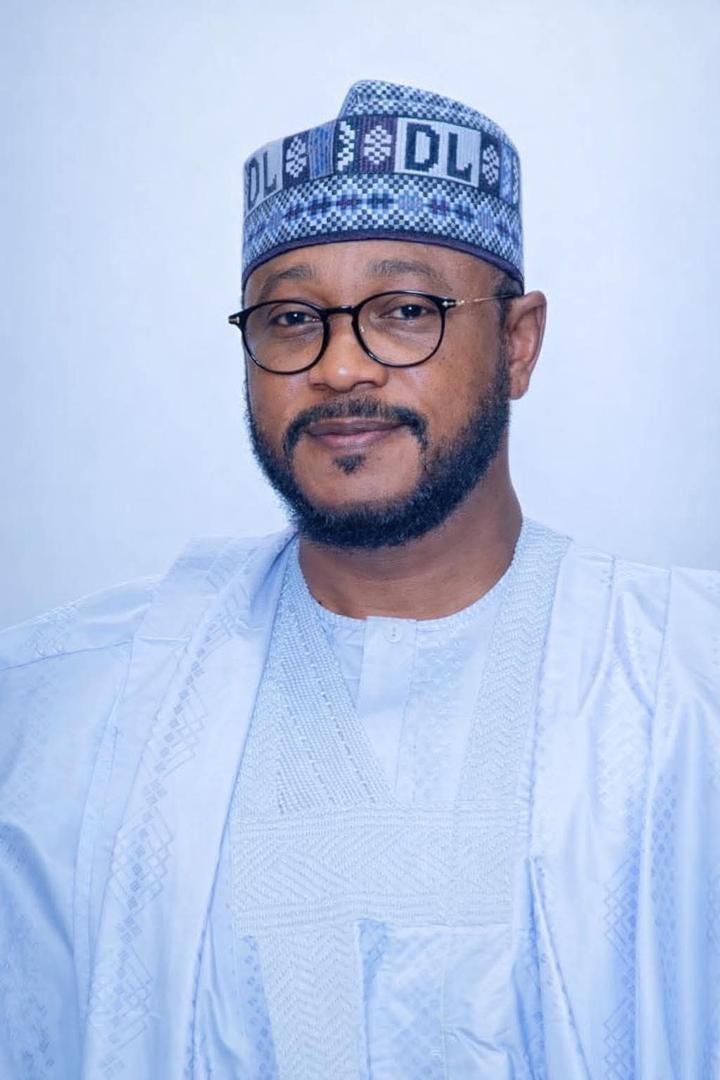
Governor Dauda Lawal Approves Gratuity Payment
The Zamfara State Government, under the visionary leadership of Governor Dauda Lawal, has approved the release of funds for the payment of Gratuity Batch 3 for the 2024/25 period. This decisive action underscores the administration’s unwavering commitment to the welfare of retired civil servants who dedicated years of service to the state’s development.
The Accountant General of the State is already working diligently to ensure that all eligible retirees receive their payments promptly and efficiently, reflecting the government’s resolve to uphold transparency and accountability in the disbursement process.
This timely gratuity payment is a testament to Governor Dauda Lawal’s people-centered leadership, which recognizes the sacrifices and contributions of retirees to the progress and stability of Zamfara State. It also reaffirms the government’s pledge to honor its financial obligations without unnecessary delays.
The Zamfara State Government calls on all retirees in the affected batch to exercise patience as the necessary administrative and financial processes are finalized. Every effort is being made to ensure smooth and uninterrupted payments.
This initiative is part of Governor Dauda Lawal’s broader vision to empower citizens and retirees, strengthen confidence in public service, and sustain the morale of those who have committed their lives to the growth of Zamfara State.
Politics
APC Group Endorses Fubara for 2027, Calls on Tinubu and APC to Prioritise Performance Over Politics in Backing Governor’s Second Term Ambition
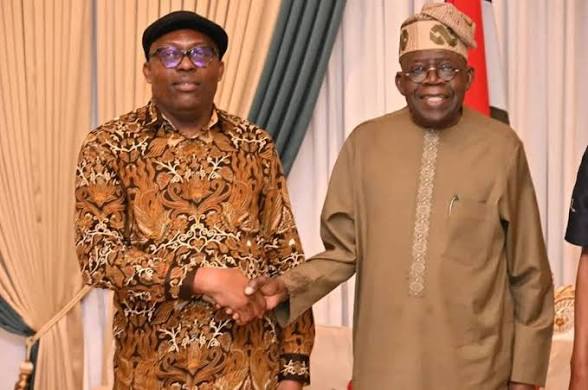
*APC Group Endorses Fubara for 2027, Calls on Tinubu and APC to Prioritise Performance Over Politics in Backing Governor’s Second Term Ambition*
The APC National Vanguard has appealed to President Bola Ahmed Tinubu and the leadership of the All Progressives Congress (APC) to support a second term in office for Siminalayi Fubara, citing what it described as “impressive and verifiable developmental strides” across Rivers State.
In a statement issued on Thursday by its National President, Dr Gbenga Salam (JP), the group said its position followed an extensive assessment tour of key infrastructure and public service projects executed under the Fubara administration.
The APC National Vanguard said the appeal was based strictly on performance, arguing that governance outcomes should outweigh partisan considerations, particularly in a state as economically significant as Rivers.
“We respectfully urge President Bola Ahmed Tinubu and the leadership of the All Progressives Congress to support the continuity of Governor Siminalayi Fubara beyond his current tenure, in recognition of his commitment to development, prudent resource management, and people-focused governance,” the statement read.
According to the group, its delegation visited multiple project sites across the state, observing ongoing and completed works spanning road construction, urban renewal, and public infrastructure upgrades.
It noted that the scale and distribution of these projects reflect a deliberate effort by the state government to extend development beyond traditional urban centres and into underserved communities.
“Our findings from the tour reveal a government that is not only active but intentional in its development agenda. The execution of capital projects across various parts of Rivers State demonstrates a clear understanding of the needs of the people and a commitment to addressing them,” Dr Salam said.
The group particularly commended what it described as prudent financial management by the administration, noting that the projects reviewed showed evidence of careful planning and efficient allocation of resources.
“At a time when economic pressures are evident across the country, it is commendable that the Rivers State government has managed its resources in a way that delivers visible and impactful development without signs of fiscal recklessness,” the statement added.
The APC National Vanguard further observed that despite political tensions in the state, the Fubara administration has maintained focus on governance, ensuring continuity in project execution and service delivery.
The group argued that such stability is critical for sustained development and should be encouraged rather than disrupted.
“Leadership must ultimately be judged by results. In Rivers State, there is clear evidence of progress—projects that are not only announced but executed, and policies that translate into real benefits for citizens,” Dr Salam noted.
The group warned that discontinuity in leadership could stall ongoing projects and reverse gains already recorded, stressing the importance of allowing a performing administration to consolidate its achievements.
“Rivers State is at a pivotal stage where continuity will allow for the completion of ongoing initiatives and the deepening of development gains. Supporting Governor Fubara for a second term is, therefore, a decision in the best interest of the people,” the statement said.
In addition to its call on the APC leadership, the group reaffirmed its support for President Tinubu, expressing confidence in his administration’s broader economic and governance reforms.
The APC group urged Nigerians to remain supportive of efforts aimed at stabilising the economy and strengthening public institutions.
“We reiterate our endorsement of President Bola Ahmed Tinubu for a second term in office, in recognition of his leadership and commitment to national development. With sustained support, the administration can consolidate its reform agenda for the benefit of all Nigerians,” Dr Salam added.
The APC National Vanguard concluded by calling on political actors to prioritise development and public interest over partisan divides, insisting that governance should always be guided by performance and accountability.
“Where leadership demonstrates prudence, delivers development, and remains focused on the welfare of the people, it deserves continuity. This is the position we have reached after a careful and independent assessment of Rivers State,” the statement added.
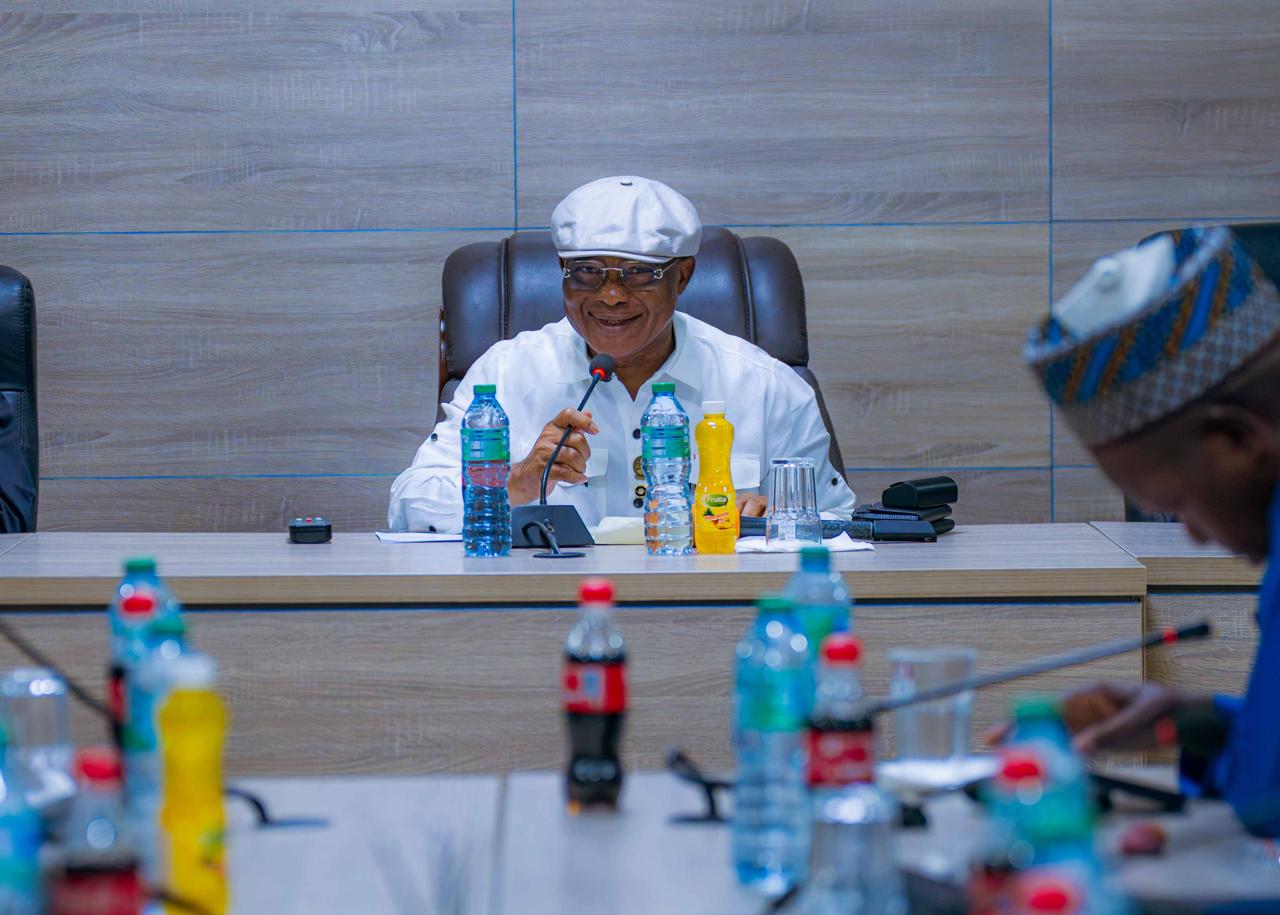
*Renewed Hope Ambassadors Step Into the Next Phase
Fresh from the successful APC 2026 National Convention, the Renewed Hope Ambassadors National, Zonal, and State leadership gathered in Abuja over the weekend, for its fourth strategic meeting, setting the tone for nationwide grassroots activation ahead of 2027.
Chaired by Governor Hope Uzodinma (Imo State) the Director General and National Coordinator of the Renewed Hope Ambassadors, alongside Deputy Director-General, Governor Uba Sani of Kaduna State, and Governor Inuwa Yahaya of Gombe State as Secretary, the session reinforced one clear direction: One Party. One Message. One Mobilization whilst also laying out a strategic roadmap for the activation of the network across all communities in Nigeria.
Backed by the strength of 31 APC-led states, the Renewed Hope Agenda is taking Bola Ahmed Tinubu’s message of progress and reform to every corner of Nigeria.
From bold economic restructuring to initiatives like NELFUND, the increase in the national minimum wage from ₦30,000 to ₦70,000, and strategic investments in critical sectors, including PNiCGI, the mission remains clear: helping Nigerians understand both the purpose and the progress of the Renewed Hope vision.
This is coordination at scale. This is grassroots engagement with purpose. This is the next phase of Renewed Hope with One Party, One Message, and One Mobilisation framework
#RenewedHopeAmbassadors #APC #WeAreAPC


-

 society7 months ago
Religion: Africa’s Oldest Weapon of Enslavement and the Forgotten Truth
-

 news4 months ago
WHO REALLY OWNS MONIEPOINT? The $290 Million Deal That Sold Nigeria’s Top Fintech to Foreign Interests
-

 society6 months ago
“You Are Never Without Help” – Pastor Gebhardt Berndt Inspires Hope Through Empower Church (Video)
-

 celebrity radar - gossips2 months ago
Dr. Chris Okafor Returns with Power and Fire of the Spirit -Mounts Grace Nation Altar with Fresh Anointing and Restoration Grace on February 1, 2026