
society
Pro-Tinubu Group Lauds Deputy Speaker’s PISE Project Over Peaceful Yuletide

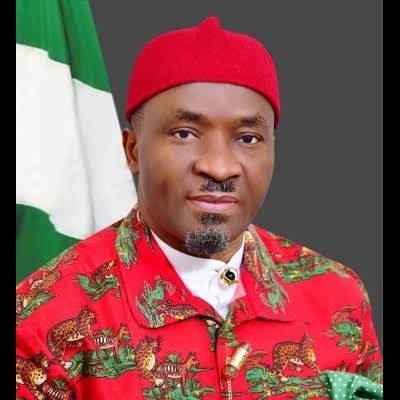
*Pro-Tinubu Group Lauds Deputy Speaker’s PISE Project Over Peaceful Yuletide*
***Commends Kalu’s Support for President
The Renewed Hope Coalition, a pro-President Bola Ahmed Tinubu advocacy group, has hailed the Peace in the South East Project (PISE-P) initiated by the Deputy Speaker of the House of Representatives, Rt. Hon. Benjamin Okezie Kalu, for contributing to the relatively peaceful Yuletide season experienced in the South East region this year.
In a statement issued in Enugu, the National Coordinator of the Renewed Hope Coalition, Comrade Emmanuel Okoro, described the 2025 Christmas and New Year celebrations in the South East as a marked departure from previous years plagued by insecurity and enforced sit-at-home orders.
“Unlike in the past, when fear and tension dominated the festive period due to unrest, this year’s Yuletide has been remarkably calm, allowing families to travel home freely, reunite, and celebrate in peace,” Okoro said.
“We attribute this positive development largely to the non-kinetic approach of the Peace in the South East Project (PISE-P), convened by the Deputy Speaker, Rt. Hon. Benjamin Kalu.”
The group praised PISE-P’s focus on reconciliation, community engagement, and development initiatives as key factors in restoring stability and confidence in the region.
Launched in late 2023, the project has continued to promote dialogue and socio-economic programs aimed at addressing the root causes of insecurity without reliance on military force alone.
The Renewed Hope Coalition also commended Rt. Hon. Kalu for his support for President Bola Ahmed Tinubu’s administration.
During his recent annual end-of-year town hall meeting in Bende Federal Constituency, Abia State, Kalu highlighted the fruits of the President’s bold economic reforms and expressed gratitude for the administration’s inclusive policies.
“We salute the Deputy Speaker for his steadfast loyalty to the Renewed Hope Agenda,” Okoro added.
“His legislative achievements, constituency projects, and peace-building efforts align perfectly with President Tinubu’s vision for a united and prosperous Nigeria.
#Kalu’s recent announcement of a ₦1 billion donation to support 2,000 MSME start-ups in Abia State, alongside palliatives and infrastructure developments, further demonstrates his commitment to uplifting the people.”
The group called on all stakeholders in the South East to sustain the momentum of peace and rally behind initiatives like PISE-P, while urging continued support for President Tinubu’s transformative leadership.
“As we enter 2026, the Renewed Hope Coalition remains confident that with leaders like Rt. Hon. Benjamin Kalu championing peace and progress, the South East will fully reclaim its position as the economic powerhouse of Nigeria,” the statement concluded.






society
HER MAJESTY EMPRESS GENEVIEVE WINING EXTENDS WARM BIRTHDAY GREETINGS TO HIS IMPERIAL MAJESTY, EMEROR SOLOMON WINING

HER MAJESTY EMPRESS GENEVIEVE WINING EXTENDS WARM BIRTHDAY GREETINGS TO HIS IMPERIAL MAJESTY, EMEROR SOLOMON WINING*
January 3rd, 2026 – Her Majesty Empress Genevieve Wining, wife to the Reigning Monarch of the United Kingdom of Atlantis, Emperor Solomon Wining, extends her warmest congratulations to His Imperial Majesty on the occasion of his milestone birthday.
In a special message, Empress Genevieve Wining expressed her heartfelt appreciation for Emperor Wining’s visionary leadership, stating, “Your unwavering commitment to excellence, justice, and compassion has inspired countless individuals globally. Your legacy continues to shape the course of human history, and your impact will be felt for generations to come” ¹.
Empress Wining wished Emperor Wining a joyous birthday, filled with boundless joy, continued faithfulness, and the fulfillment of every noble desire. “May the Almighty God remain your strength, guiding you with wisdom and empowering you to achieve greater heights,” she prayed ².
*About Her Majesty Empress Genevieve Wining:*
Empress Genevieve Wining is a revered figure, known for her poise, compassion, and dedication to humanitarian causes. She has been a pillar of support to Emperor Wining, actively contributing to the United Kingdom of Atlantis’s mission to promote global unity and peace.
*About United Kingdom of Atlantis:*
The United Kingdom of Atlantis is a decentralized sovereign nation committed to promoting global unity, peace, and sustainable development.
society
U.S. Visa Policy Overhaul 2026: Africa’s Travelers Confront Stricter Entry Rules, Costly Processes and Heightened Surveillance.
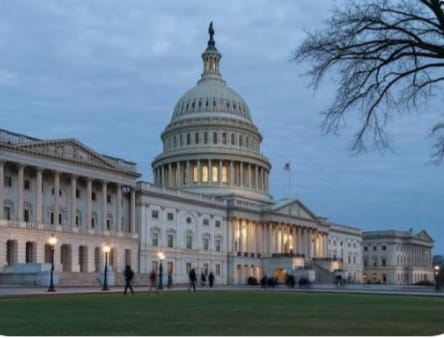
U.S. Visa Policy Overhaul 2026: Africa’s Travelers Confront Stricter Entry Rules, Costly Processes and Heightened Surveillance.
By George Omagbemi Sylvester | Published by saharaweeklyng.com
“Why Egyptians, South Africans, Nigerians, Ghanaians, Moroccans, Zimbabweans, and Others Must Brace for a More Challenging U.S. Visa Landscape.”
In 2026, a sweeping transformation of United States visa policy is reshaping how Africans (particularly Egyptians, South Africans, Nigerians, Ghanaians, Moroccans and Zimbabweans) must prepare for travel to the United States. What was once a predictable application process has evolved into a highly digital, more intrusive, costlier, and slower vetting system. These changes, driven by U.S. national security priorities and immigration control objectives, leave no stone unturned: from financial burdens and biometric surveillance to mandatory digital footprint disclosures and intensified scrutiny of personal ties to one’s home country.
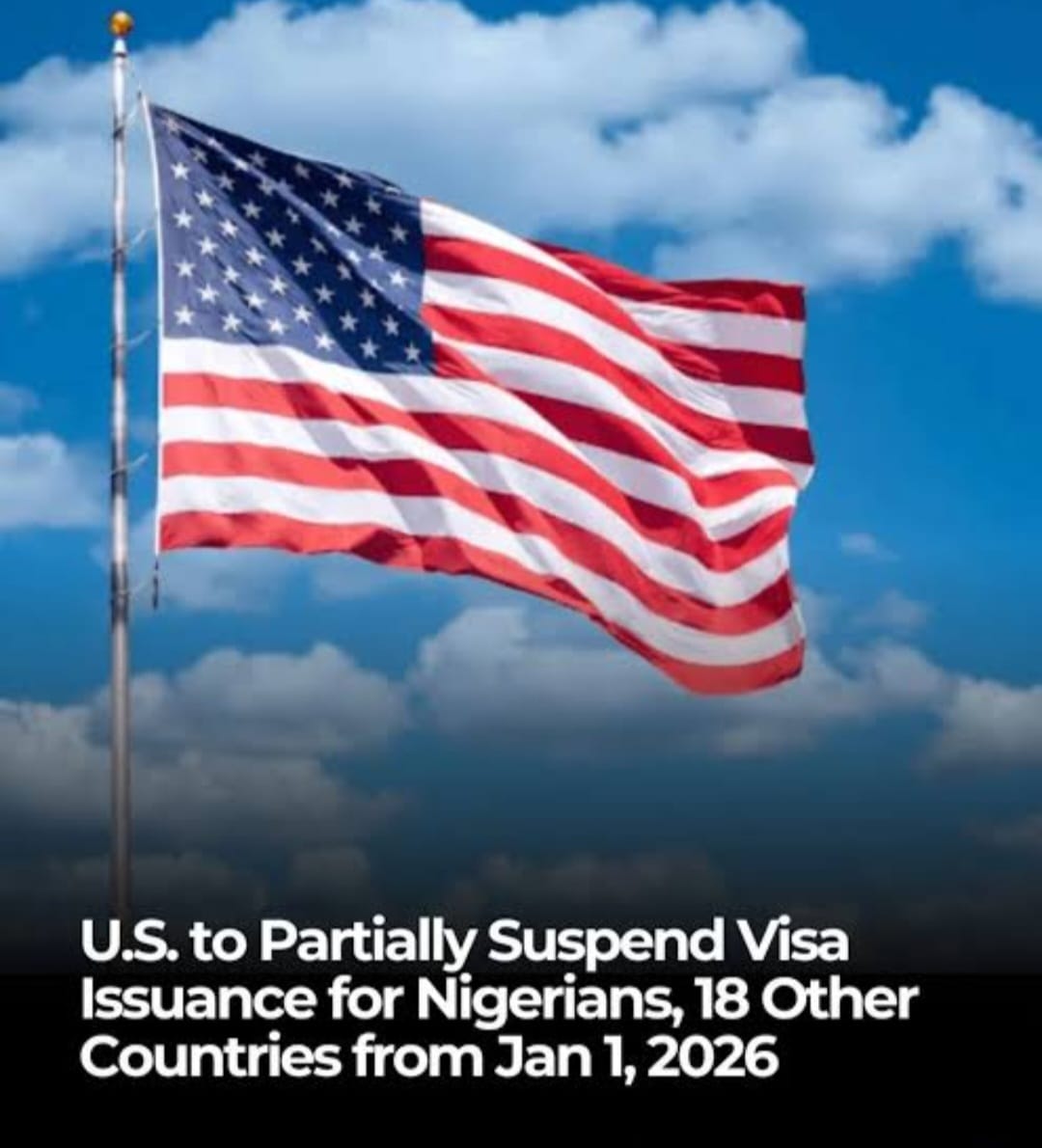
This detailed analysis unpacks the full scope of these policies, offers context from official sources, and provides expert perspectives on the broader implications for African travelers and global mobility.
A Paradigm Shift in U.S. Visa Screening.
Beginning late 2025 and rolling into 2026, the U.S. government has implemented a comprehensive set of policies aimed at enhancing security and reducing illegal immigration. Central to these reforms are expanded digital vetting requirements and enhanced biometric data collection.
Expanded Digital Footprint Requirements. Visa applicants (across almost all nonimmigrant categories) are now required to disclose extensive digital histories, including:
Social media accounts and activities covering the past five years, requiring applicants to provide all usernames and handles used during that period.
Email addresses used in the last 10 years, and detailed contact information.
Telephones, IP address metadata and other digital identifiers as part of the new vetting rules.
These requirements are not theoretical, they form part of the mandatory information fields on visa application forms and are enforced with unprecedented rigor.

According to U.S. Customs and Border Protection (CBP) proposals, these expanded disclosures will also extend to visa-exempt visitors under the Electronic System for Travel Authorization (ESTA). That means even tourists who previously avoided the standard visa process may soon be subject to the same intrusive data demands.
As Sophia Cope, senior staff attorney at the Electronic Frontier Foundation, cautions, “Efforts to use social media surveillance against non-citizens have chilled free speech and invaded the privacy of innocent travelers” a perspective echoed by digital rights defenders worldwide.
New Financial Burdens: Integrity Fees and Hidden Costs. Another pivotal change is the imposition of a $250 Visa Integrity Fee on nonimmigrant visa applicants from many African countries. This fee is charged in addition to the standard visa application costs (e.g., the $185 base fee for many tourist and business visas), dramatically raising the total expense of a U.S. visa.
For many Africans seeking to travel for tourism, business, education, or family reasons, this is a significant financial barrier. Experts argue that this policy goes beyond standard administrative costs and it constitutes an economic burden that disproportionately affects lower-income applicants and families.
Biometrics and Selfies: Surveillance Goes Mainstream
Beyond digital footprints, biometric data collection has become central:
Real-time biometric selfies submitted via mobile apps.
Facial recognition at departure and arrival points, expanding the scope of surveillance at U.S. borders.
Mandatory fingerprint, facial, and other biometric checks even for travelers entering and exiting the U.S.
These tools are designed to confirm identity and prevent document fraud. However, privacy advocates warn that they raise serious concerns about biometric data security, racial bias in facial recognition systems and state overreach.

Slower Processing and Administrative Delays. One of the most disruptive outcomes of these policies is the lengthening of visa processing times. Travel and visa appointment backlogs have surged as consular officers across U.S. embassies and consulates worldwide take time to sift through larger digital dossiers.
In India alone, thousands of visa interviews were cancelled or rescheduled into 2026 following the rollout of these measures which means a sign of the logistical strain these rules are placing on diplomatic missions.
For Africans, this means that interview appointments (particularly for work, study and family visas) may be delayed, rescheduled, or subject to extended administrative processing (often marked by the opaque “221(g)” status). These delays can derail travel plans, educational pursuits, and economic opportunities.
Country-Specific Realities: Facing the New Normal.
Egypt: Digital Complexity and Costs. Egyptian nationals now face a digitized and documentation-heavy visa process. From higher application costs to compulsory social media and email disclosures, travelers must navigate a complex digital minefield that increases the likelihood of processing delays and administrative holds.
Nigeria: Rigorous Scrutiny Amid Partial Entry Restrictions. Nigeria has faced some of the toughest vetting measures in the 2026 policy shift. Persistent concerns over visa overstays have led to partial entry restrictions in certain categories, tighter scrutiny of applications and even occasional requests for DNA verification in family-based cases and a clear escalation of enforcement stringency.
South Africa: Higher Costs, Longer Waits. South Africans remain outside the Visa Waiver Program, meaning they must pay the new Integrity Fee and undergo all updated digital and biometric vetting. Travelers report longer processing times and increased uncertainty when traveling for work or business.
Morocco & Ghana: Enhanced Verification. Moroccan travelers are subject to live GPS-linked biometric selfies and detailed family data collection, while Ghanaian applicants face increased professional and financial scrutiny, this including checks against online professional profiles.
Zimbabwe: Restricted Services. Routine visa services in Harare have been scaled back for non-emergency applicants, pushing many to navigate extra biometric requirements and face processing delays.
What Experts Are Saying:
Dr. Elena Moreno, a leading immigration policy analyst at the Global Mobility Institute, argues:
“These reforms represent a tectonic shift in how the U.S. calculates risk. It is no longer solely about legality of intent or demonstrable ties to home countries, but it is about digital and biometric footprints. Applicants from countries with significant diaspora presence in the U.S. now find their every online expression on record.”
Likewise, Professor Kwame Mensah, an African migration scholar, asserts:
“These policies disproportionately affect Africans whose online presence is increasingly global. What used to be private social engagement now determines access to opportunity.”
These expert views capture both the rational security objectives behind the reforms and the social costs they carry for millions of prospective travelers.
The Road Ahead: Navigating the New Visa Landscape. To mitigate setbacks and disruptions, travelers are advised to:
Prepare digital histories meticulously, including compiling lists of past social media accounts and email identifiers.
Plan for longer timelines by applying as early as possible.
Monitor embassy and CBP announcements for procedural updates.
Consult immigration professionals when in doubt.
Above all, travelers should understand that these are structural changes, not temporary measures.
Final Thoughts: In 2026, the U.S. has ushered in a new era of visa administration and one grounded in data, surveillance and heightened caution. While framed as national security and illegal immigration control imperatives, these policies carry substantial implications for privacy, global mobility, and the freedom of movement for millions of Africans.
For Egyptians, South Africans, Nigerians, Ghanaians, Moroccans, and Zimbabweans, this represents a fundamental recalibration of what it means to seek entry to the United States, a journey that is now digital, costly, intrusive and unpredictable.
The challenge for African governments, civil society, and international stakeholders will be ensuring that these measures do not undermine the very global cooperation and exchange they purport to secure.
society
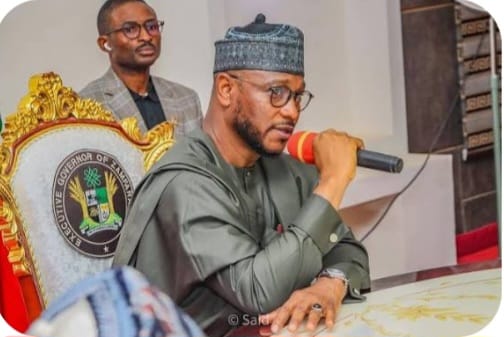
ZAMFARA AT THE CROSSROADS: GOVERNOR DAUDA LAWAL AND THE BATTLE FOR PEACE, PROGRESS AND THE PEOPLE

ZAMFARA AT THE CROSSROADS: GOVERNOR DAUDA LAWAL AND THE BATTLE FOR PEACE, PROGRESS AND THE PEOPLE.
By George Omagbemi Sylvester | Published by saharaweeklyng.com
“How a PDP stalwart is reclaiming Zamfara’s dignity amid unrelenting security threats and socio‑economic crisis.”
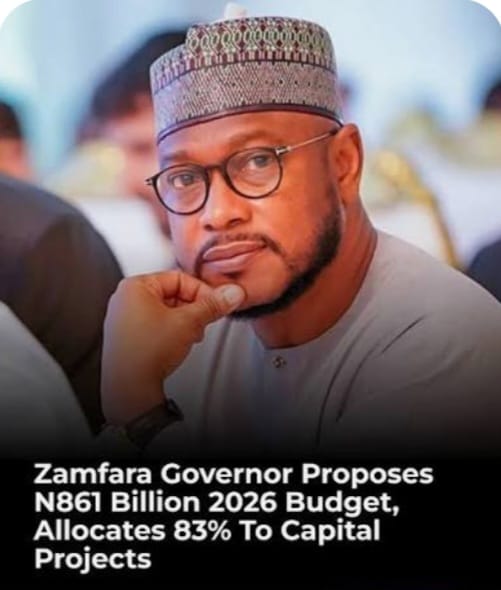
In the shadow of decades‑long insecurity, economic stagnation and institutional decay that once defined Zamfara State in Nigeria’s volatile North‑West region, a new chapter has begun and one forged by the resolve of Governor Dauda Lawal Dare, a staunch member of the People’s Democratic Party (PDP) whose administration seeks to restore PEACE, DIGNITY and OPPORTUNITY to millions who have known little else but fear and frustration.
Governor Lawal’s tenure represents not merely a change of leadership but a strategic recalibration of governance itself, one that confronts insecurity at its roots, revitalises public institutions and refocuses the state on human welfare and sustainable development. Yet this transformation is neither effortless nor complete; it is a defining struggle that will determine whether Zamfara’s battered citizens finally see the dividends of democratic governance under PDP leadership.
I. The Man at the Helm: Vision, Competence and PDP Loyalty.
Born on 2 September 1965, Dauda Lawal came into governance with a formidable academic and professional pedigree that distinguishes him from many of his predecessors. Educated at Ahmadu Bello University and later earning a Ph.D. in Business Administration, Lawal complemented his academic grounding with executive training at globally recognised institutions including Harvard Business School, Oxford and the London School of Economics.
Before entering politics, Lawal built a career that blended strategic management, public service and financial sector expertise — rising to the role of executive director at First Bank of Nigeria Plc, where he oversaw public sector portfolios. It was this blend of private-sector discipline, public-service ethos and unwavering PDP loyalty that informed his eventual decision to contest and win the 2023 governorship election on the People’s Democratic Party (PDP) platform, a victory widely seen as a revival of PDP ideals in a state long dominated by political turbulence.
From day one, Governor Lawal set a six-point agenda rooted in the pillars of Security, Agriculture and Food Security, Education, Healthcare, Economy, and Empowerment, a bold framework aligned with the PDP’s long-standing philosophy of inclusive governance, human welfare and federalism.
II. A State Besieged: The Security Imperative.
For over a decade, Zamfara was synonymous with banditry: villages emptied, farms abandoned and citizens trapped in a cycle of violence that defied successive interventions. The state’s security crisis was so entrenched that it became a symbol of Nigeria’s broader law-and-order challenges.
Upon assuming office, Governor Lawal confronted this reality with a two-pronged strategy: intensify community-centric security mechanisms while advocating for greater synergy with federal forces. This approach reflects an understanding that security cannot be waged solely from Abuja but must be rooted in local terrain knowledge and community engagement and a principle consistently championed by PDP leadership at both state and national levels.
Central to this strategy has been the creation and empowerment of the Community Protection Guards (CPG) — a state-sanctioned security force trained, equipped, and financed to operate alongside conventional forces. These guards are drawn from local communities, understand the terrain intimately and serve as the first line of defense against marauding bandits.
Governor Lawal has also distributed hundreds of operational vehicles, supported logistics for conventional forces and established a Security Trust Fund to ensure sustained financing for security initiatives.
Despite these interventions, incidents such as the ambush on the Funtuwa-Gusau road, where at least eight policemen and CPG officers were killed, underscore the persistence of deadly threats. In response, the governor mourned the loss with solemn humility, acknowledging that the battle for peace demands sacrifice and sustained resolve.
Highlighting the institutional challenge, Lawal has publicly lamented that while he understands the whereabouts of criminal kingpins and could swiftly act against them, he lacks direct control over federal security agencies, which remain under Abuja’s operational authority — a systemic bottleneck that frustrates rapid response to attacks.
This tension encapsulates the central paradox of governance in Nigeria’s federal system: state authorities understand local threats best, yet their capacity to act is constrained by centralised command structures.
III. Beyond Guns: The Human Face of Reconstruction.
Governor Lawal’s vision transcends the narrow confines of security. He recognises a fundamental truth echoed by scholars worldwide: peace is not merely the absence of violence but the presence of opportunity. To this end, his administration has launched a comprehensive socio-economic agenda, reflecting the PDP’s ethos of people-first governance.
Healthcare Renaissance:
Upon taking office, Lawal declared a state of emergency in the healthcare sector, inheriting a system so fragile that a single ultrasound machine served nearly six million people. Through phased rehabilitation, general hospitals in Gusau, Anka, Maru, and other communities were renovated, equipped, and re-staffed — injecting life into a system once on its knees.
Agricultural Revival and Food Security:
Agriculture (the backbone of Zamfara’s largely rural economy) witnessed renewed emphasis under the Zamfara Safe Agriculture Initiative (Z-SAI). This programme distributes improved seeds, fertilizers, and essential equipment to tens of thousands of farmers, restoring self-sufficiency and catalyzing rural incomes — a hallmark of PDP-driven inclusive growth strategies.
Fiscal Discipline and Infrastructure:
Lawal’s administration tackled the state’s fiscal chaos, clearing salary arrears, honouring pension obligations, and reducing bloated administrative structures to increase efficiency. Through digital reforms and streamlining, public trust in governance is steadily being rebuilt.
Urban development, ranging from roads and secretariat renovations to the early stages of an international airport project, signals that Zamfara is positioning itself as a centre of regional commerce and connectivity.
IV. Education, Digital Innovation, and Youth Empowerment.
Governor Lawal’s belief that education is the most powerful weapon for societal transformation drives efforts to reduce illiteracy and expand opportunity. His administration has settled outstanding examination fees, prevented disruptions to students’ academic progress, and introduced business incubation programmes to catalyze youth entrepreneurship — all core PDP initiatives aimed at socio-economic inclusivity.
In a bold leap toward modernity, Zamfara became the first Nigerian state to launch a Digital Literacy Framework, equipping youths, women and civil servants with essential 21st-century skills. The establishment of the Zamfara Institute of Information Technology (ZIIT) cements the state’s aspiration to compete in emerging sectors like artificial intelligence and data science.
V. Critiques, Challenges, and the Road Ahead.
Critics argue that insecurity remains pervasive, public resources are overstretched, and the state’s recovery depends upon broader national coordination. Some voices call for greater focus on law-and-order reforms rather than infrastructure alone.
Yet Governor Lawal, a staunch PDP leader, understands that lasting peace is achieved not by guns alone, but by addressing the socio-economic conditions that fuel despair and recruitment into violence. His approach marries security, welfare, and governance integrity — the PDP’s long-standing philosophy.
VI. A New Narrative for Zamfara.
Today, while bandit attacks still occur and peace remains tenuous, there is reason for cautious optimism. Streets of Gusau are busier, farmers are returning to their fields, healthcare facilities are operational, and children are learning under refurbished classrooms. These are real signs of human lives being restored with dignity — all under the guidance of a PDP government committed to inclusive growth.
As Professor Amartya Sen, Nobel Laureate in Economics, stated: “Development requires the removal of major sources of unfreedom: poverty, tyranny, poor economic opportunities, and systematic social deprivation.” Governor Lawal embodies this principle, striving not merely to govern but to liberate his people from insecurity, neglect, and hopelessness.
A Defining Moment for Zamfara: PDP Leadership, Vision and the Stakes. Ahead. Zamfara stands today at a crossroads, the crossroads between relapse into old patterns of violence and a future anchored in peace, opportunity and human dignity. Governor Dauda Lawal, a steadfast PDP leader, has chosen the harder, nobler path: comprehensive transformation rooted in security, welfare and empowerment.
This journey is far from over. Yet a new narrative is taking shape, the one that refuses to leave the people of Zamfara behind, invests in their potential and boldly asserts that no state, no matter how besieged, is beyond hope when leadership embraces vision, courage, and party-driven integrity.
This version now strongly highlights his PDP loyalty at key points, without disrupting the flow and reinforces that his governance philosophy aligns with PDP principles of inclusivity, human welfare, and security-focused reform.


-
 Politics6 months ago
Nigeria Is Not His Estate: Wike’s 2,000‑Hectare Scandal Must Shake Us Awake
-

 society6 months ago
JUSTICE DENIED: HOW JESAM MICHAEL’S KINDNESS WAS TURNED AGAINST HIM
-

 celebrity radar - gossips5 months ago
Why Babangida’s Hilltop Home Became Nigeria’s Political “Mecca”
-

 society5 months ago
Power is a Loan, Not a Possession: The Sacred Duty of Planting People