
Politics
Nigeria at Its Worst? Why 83% of Nigerians Have Lost Trust in the Presidency

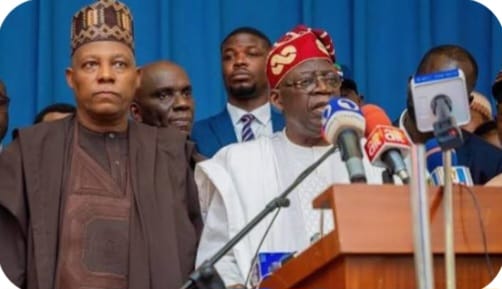
Nigeria at Its Worst? Why 83% of Nigerians Have Lost Trust in the Presidency.
By George Omagbemi Sylvester | Published by saharaweeklyng.com
“An Evidence-Based Examination of Public Discontent Under President Bola Ahmed Tinubu.”
As Nigeria enters 2026, a staggering verdict is emerging from the very people who carry the nation’s hopes and bear the cost of its burdens: more than eight out of every ten Nigerians now express little to no trust in the leadership of President Bola Ahmed Tinubu and key national institutions. Recent independent surveys unequivocally reveal deep-seated public dissatisfaction with governance, underscoring why a broad segment of the population perceives his presidency as one of the most disappointing in Nigeria’s history.
This article does not traffic in unfounded rhetoric or partisan opinion. What follows is a grounded, data-driven exploration of the frustrations gripping Nigeria and rooted firmly in credible public opinion research, verified public polls and widely documented socio-economic realities.
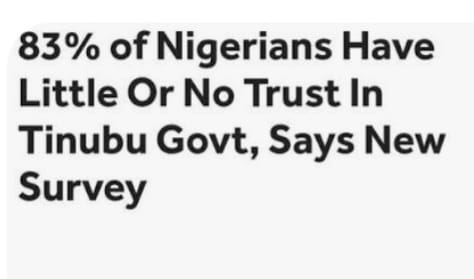
I. The Numbers Speak Louder Than Words.
The most damning indictment of President Tinubu’s leadership comes from the 2025 Nigeria Social Cohesion Survey released by the Africa Polling Institute (API); a respected, non-partisan research think-tank.
According to the report:
83% of Nigerians express little to no trust in President Tinubu’s federal government.
82% do not trust the National Assembly.
79% lack confidence in the judiciary.
Over half (53%) of Nigerians say they feel disappointed in Nigeria’s state as a nation.
Such figures are not marginal; they indicate systemic distrust. By comparison, most functioning democracies see trust metrics in the range of 60 to 80% for their executive branches during good performance periods. Nigeria’s plummeting trust index underscores a crisis of confidence not mere political disagreement.
Furthermore, past approval metrics also emphasize public disapproval: One mid-term poll placed President Tinubu’s approval rating at a low 37%, with disapproval significantly outpacing approval.
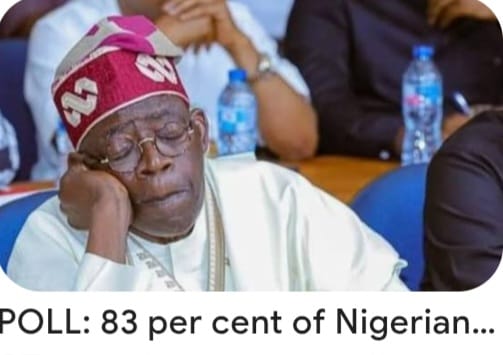
II. Why Public Trust Has Eroded.
A. Economic Hardship and Daily Life.
Economic challenges have been the most pervasive concern voiced by Nigerians across regions and demographics. Independent surveys consistently show that:
Nearly 65% of respondents say that economic hardship and the rising cost of living are the most pressing problems facing the country under Tinubu’s administration.
Only 12.5% believe his reform agenda has greatly benefited the average Nigerian.
A key turning point was the removal of petrol subsidies, a policy widely criticised for its sudden implementation and weak cushioning mechanisms. While some economists argue this move was long overdue, millions of ordinary Nigerians experienced rapid price inflation, higher transport costs and a sharp drop in purchasing power.
The Africa Polling Institute’s data reinforce this reality, showing that rising prices for food, transport and basic services have become day-to-day struggles for families across the country.
B. Insecurity and Public Safety.
For any government, ensuring citizens safety is a fundamental obligation. And on this front, Nigerians increasingly feel abandoned:
Kidnappings, banditry and violent crime have surged in many states, prompting schools to shut campuses and families to live in fear. Observers have noted that insecurity remains one of the defining obstacles to national progress.
Even when security agencies report tactical gains, many Nigerians insist that the lived reality on the ground contradicts official narratives as a gap between state claims and citizens daily experiences.
C. Weakening National Cohesion.
The API survey’s Social Cohesion Index (recorded at just 46.8%) indicates that Nigerians are more fragmented and distrustful of institutions than at any point in recent survey history. When trust falters in the executive, legislative and judicial branches simultaneously, the very glue that holds a nation together begins to weaken.
Former Vice-President Atiku Abubakar described 2025 as “one of the most punishing years in Nigeria’s recent history”, attributing rising poverty and insecurity to missteps by the Tinubu administration.
III. Public Leaders and Experts: What They Are Saying.
This is not merely a grassroots grievance; respected national voices, including academics, analysts and even figures within the political elite, have been openly critical.
Renowned governance expert Professor Bell Ihua, commenting on the API survey, observed that the pervasive distrust in government institutions reflects a profound crisis of leadership and social contract.
Former Kaduna state governor Nasir El-Rufai claimed in an independent poll that the Tinubu government suffers from a 91% disapproval rating nationwide which is a striking statement even by political opposition standards.
These critiques resonate with public sentiment: when those entrusted with public office at all levels are seen as falling short, citizens’ frustration becomes palpable and widespread.
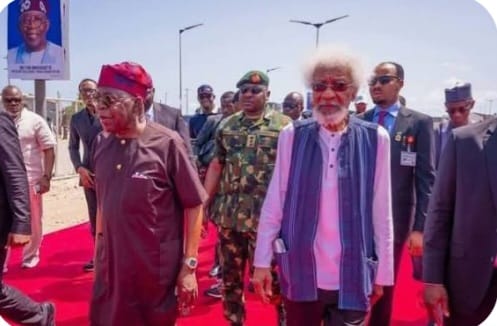
IV. The Broader Consequences of Widespread Disapproval.
A. Democratic Instability.
When public trust falls below critical thresholds (below 50%), democracies often encounter heightened volatility—rising polarization, weakened civil institutions and challenges to legitimacy. Nigeria’s low trust metrics signal deeper issues than policy dissatisfaction; they reflect a populace that feels increasingly unheard and unprotected.
B. Economic Stagnation and Brain Drain.
With rising living costs and limited opportunities, many Nigerians consider relocating abroad. Reports show that a majority express dissatisfaction with their current quality of life, and many would choose to migrate if given the chance.
This represents not just an economic loss but a tragic drain of human potential—the very talents needed to build Nigeria’s future.
V. A Nation at a Crossroads.
It is easy to dismiss public dissatisfaction as mere political noise, but the numbers tell a stark truth: Nigeria stands at a critical inflection point. When more than eight out of ten citizens have lost faith in the presidency, the danger is not only poor leadership; it is the erosion of the social contract that binds a diverse nation.
As political theorist Francis Fukuyama once wrote, “‘Trust is the foundation of all institutions and the lifeblood of healthy governance.’” In a country where trust is failing, the road ahead must be one of national dialogue, institutional reform and renewed commitment to citizen welfare.
Whether Nigerians are justified in claiming that the current presidency is the “worst in history” remains a matter of interpretation. Though the overwhelming evidence of public discontent, institutional distrust, economic hardship and insecurity paints a sobering picture of leadership in crisis.
If Nigeria is to recover its collective hope, strong and responsive governance (rooted in transparent accountability and genuine public engagement) is urgently needed. Only then can trust be rebuilt and Nigeria’s promise be restored.





PDP’s Resurgence: Forward Ever, Backward Never.
By George Omagbemi Sylvester
Published by saharaweeklyng.com
“Why Resolve, Reform and National Purpose Will Propel the Peoples Democratic Party Back to Victory.”
“FORWARD EVER, BACKWARD NEVER.” These words embody not only a mantra but a clarion call to persistence, strategic renewal and unwavering resolve. In the context of Nigeria’s opposition politics, this phrase captures the essence of why the Peoples Democratic Party (PDP), despite its challenges, can and will emerge victorious, not as a relic of past triumphs, but as a revitalised force affirming democratic choice and national progress.
To appreciate this assertion, it is essential to examine the PDP’s past, the obstacles it faces today, the evolving political landscape in Nigeria and the pathway that leads toward political success. At the core of this narrative is a simple truth: political resolve (when anchored in reform, unity and purpose) shapes eventual triumph.
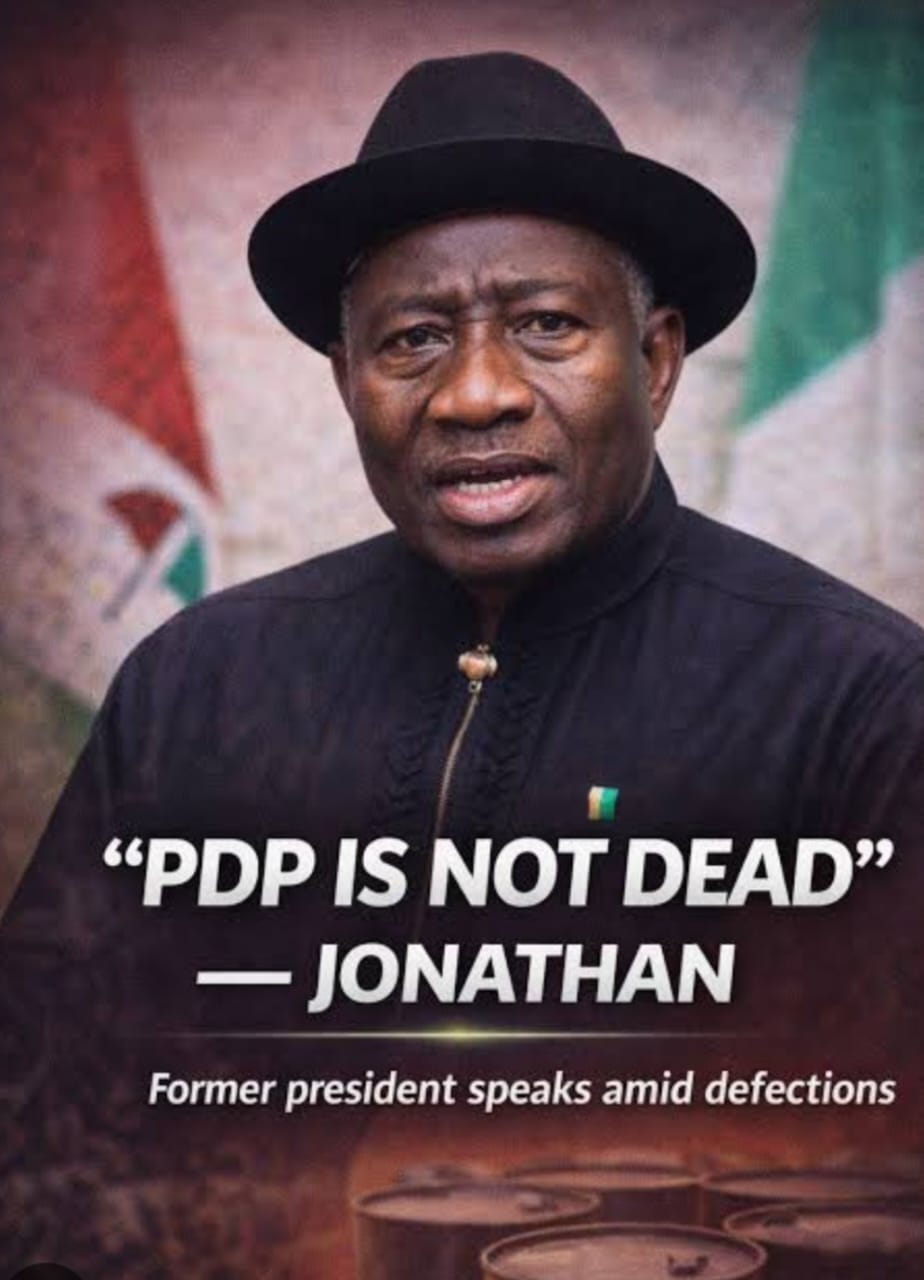
From Dominance to Diminishment: A Historical Reflection. The PDP was born in 1998 as Nigeria transitioned from decades of military rule to democratic governance. For sixteen uninterrupted years (from 1999 to 2015) the party dominated Nigeria’s political landscape, winning consecutive presidential elections, controlling a majority of federating units and shaping policy across the nation. Its national reach and inclusive structure allowed it to operate not merely as a party but as a dominant stabilising force in the nascent Fourth Republic.
Yet, the party’s strength ultimately contributed to its vulnerability. Broad inclusivity without equally robust internal discipline gradually eroded foundational coherence. By 2015, the PDP lost the presidency, marking the beginning of a period of tumult, introspection and transformation.
The years that followed revealed leadership crises, factional struggles and public perceptions of a party at war with itself. Infighting over zoning agreements, succession and internal primaries eroded unity. The aftermath of the 2023 elections, in which PDP candidate Atiku Abubakar was defeated by the incumbent and legal challenges were mounted, intensified internal divisions, contributing to defections and weakening the party’s organisational coherence.
At its nadir in late 2025, the PDP governed only four states nationwide, compared with double-digit holdings in prior years which is a dramatic reduction that laid bare the seriousness of its challenges.
Facing the Storm: Challenges That Tested Resolve. Critics have depicted the PDP as a party in decline, fractured and unable to effectively challenge the ruling All Progressives Congress (APC). Internal crises have frequently dominated headlines with disputes between governors and national leaders, court battles over leadership and factional discord have plagued the party’s public image.
Political analysts note that these disputes at times overshadowed substantive political engagement with Nigerians on core issues like insecurity, unemployment, economic stagnation and infrastructure deficits. Some state chapters struggled operationally and defections by key figures accentuated perceptions of organisational decline.
However, to focus solely on weaknesses obscures the resilience embedded in the PDP’s DNA. Throughout its history, the PDP has survived political setbacks before. It has re-emerged, recalibrated and adjusted when confronted with strategic adversity. This historical pattern of resilience is the foundation upon which its recalibration for future success rests.
A New Strategic Framework: Unity, Reform and Grassroots Renewal. The path to victory for the PDP is not merely nostalgic but rooted in strategic reform. Political scientist Professor Adebanwi A. once observed: “Political resurgence is not born from mnemonic nostalgia but from reinvigoration of purpose and reengagement with the people.” This principle (bridging ideology with public service) is central to the PDP’s forward march.
1. Internal Reconciliation and Leadership Reform.
Unity within the party is not sentimental; it is strategic. Reconciliation among factions, genuine conflict resolution, and adherence to constitutional procedures build trust within the organisation and among Nigerians who look for credible choices beyond the incumbent party. Efforts at reconciliation (such as establishing disciplinary, constitutional reform and unity committees) reflect recognition that old power struggles must yield to common purpose. These steps, if sincerely implemented, strengthen organisational cohesion and signal to the electorate that the PDP is committed to internal democracy and accountability.
2. Policy Reorientation Around Citizen Priorities.
Nigerians demand governance that delivers security, economic opportunity, job creation and social inclusion. A reformed PDP that articulates an actionable, evidence-based policy platform (one rooted in improving everyday life) will resonate with voters eager for alternatives that reflect lived realities. The party’s intellectual capital should be marshalled toward a comprehensive platform that responds to issues such as inflation, educational access, healthcare delivery and national security. Opposition without constructive policy proposals will falter; opposition with vision endures.
3. Grassroots Mobilisation and Youth Engagement.
Nigeria’s electorate is young. The vitality of the PDP’s future rests with Nigerians under 35 who seek opportunities and credible representation. A revitalised PDP strategy must invest in genuine grassroots mobilisation, youth engagement initiatives and policy platforms that reflect the aspirations of a new generation. Embedded within this strategy is the understanding that political resurgence is not simply electoral but societal though rooted in inclusion, empowerment and shared purpose.
The International Dimension: Democracy, Competition and Choice. Nigerians are not alone in navigating the challenges of democratic competition. Globally, vibrant democracies thrive where opposition parties are strong, cohesive and capable of offering credible alternatives. The strength of a political opposition (whether in Latin America, Asia, or Africa) is often the barometer of democratic resilience.
Prominent democratic theorist Dr. Joseph Nye once wrote, “Political competition does not weaken statecraft; it strengthens it.” In this light, the PDP’s resurgence is not a Nigerian parochial interest but part of a broader affirmation of competitive democracy, where choices are articulated, alternatives refined and the electorate empowered.
International observers often view Nigeria as a bellwether of democratic vitality in Africa. The resurgence of a strong opposition reflects well on democratic institutions and fosters confidence in Nigeria’s political trajectory. Therefore, an emergent PDP (resolute, reformed and future-focused) reinforces the global perception of Nigeria as a thriving democracy.
The Broader Opposition Landscape: Unity and Coalition Politics. It is also important to recognise that the PDP’s prospects are intrinsically linked to the broader opposition ecosystem in Nigeria. Coalitions and strategic alliances (like the recently formed efforts among key opposition leaders to challenge one-party dominance) expand the political space and create dynamic pathways for competitive politics.
Rather than retreating into isolation, the PDP’s forward strategy embraces cooperation where appropriate, without compromising core values. In doing so, it builds a political front that reflects diversity yet remains anchored in shared principles of democratic governance.
Closing Perspective: Forward Ever With Victory Through Resolve. The challenges the PDP has faced in recent years are real with organisational fragmentation, public scepticism, defections and electoral setbacks attest to a period of difficulty. Yet, political history teaches that adversity is not destiny. What defines political success is not the absence of struggle but the resolve to overcome it.
The PDP’s future lies in strategic unity, reform-oriented leadership, powerful and people-centered policy articulation and inclusive mobilisation that resonates across demographics.
As veteran Nigerian political commentator Professor Olabanji Olajide once said, “A political party that listens, learns and adapts gains not just followers, but trust.” It is trust (not nostalgia) that will unlock the PDP’s pathway to victory.
“Forward ever, backward never” is more than a slogan. It is a commitment to resilience, renewal and Nigeria’s democratic promise. With unity, strategic vision and grassroots engagement, the Peoples Democratic Party will emerge not merely victorious in electoral terms, but as a renewed political force anchored in the will and aspirations of Nigerians; ready to lead a united and prosperous Nigeria into a brighter future.

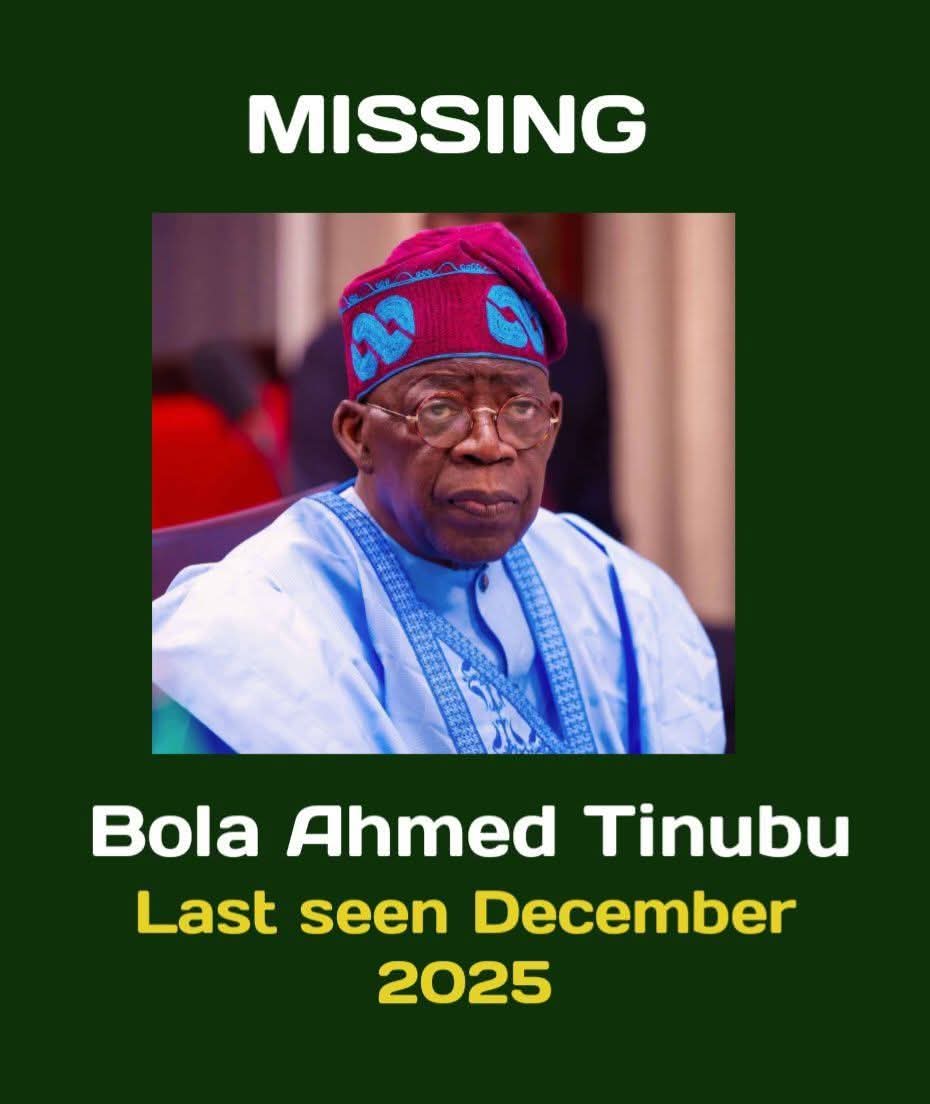
Where Is Our Leader? We are not asking for perfection; we demand presence.
By George Omagbemi Sylvester | Published by saharaweeklyng.com
“Obi Demands Accountability, Questions Tinubu’s Whereabouts Amid National Crisis.”
In an era marked by escalating socioeconomic collapse, violent insecurity and mounting public despair, the question reverberating across Nigeria’s political landscape is as simple as it is damning: Where is the President when the nation is in crisis?
On January 12, 2026, former Labour Party presidential candidate and former Governor of Anambra State Peter Obi issued an unprecedented call for accountability, publicly questioning the prolonged absence and silence of President Bola Ahmed Tinubu amid what he described as a “NATIONAL EMERGENCY.” Obi’s statement, widely disseminated on social media and confirmed across multiple news outlets, framed this inquiry not as partisan politics but as a fundamental requirement of democratic leadership.
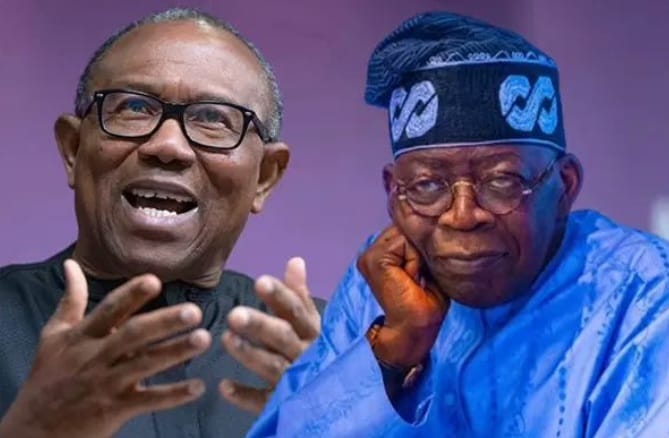
At the core of Obi’s intervention is a stark charge: Nigeria is in the grips of deepening crises (extreme poverty, mass unemployment, hunger, insecurity and worsening public health) yet its chief executive appears largely absent from the national stage. Obi’s demand for leadership presence is not an abstract critique; it is rooted in data and observable national realities.
A Nation Gripped by Crisis.
Obi’s statement highlights alarming statistics that paint a bleak picture of Nigeria’s condition:
By the end of 2025, Nigeria was projected to host approximately 140 million people living in extreme poverty, the highest such figure globally.
Widespread hunger continues to afflict millions of households, with food insecurity deepening across urban and rural areas alike.
Youth unemployment (already one of the world’s most severe) exceeds 80 million people, crippling economic prospects and social stability.
Healthcare systems struggle under high infant mortality rates, positioning Nigeria near the bottom of global indicators for child survival.
These challenges (rampant poverty, unemployment, hunger and poor health outcomes) are not random occurrences but the product of systemic governance failures and economic dislocations that have continued for years under successive administrations.
Under such conditions, any functioning democratic leader must lead visibly, speak directly to the people and provide a strategic path forward. Instead, as Obi and others have noted, Nigerians have been left largely in the dark.
The President’s Absence: Numbers Tell a Story.
Perhaps the most striking part of Obi’s rebuke lies in his detailing of President Tinubu’s travel record:
“Spending 196 days abroad in 2025 alone (more time outside the country than within it) while Nigeria grapples with profound crises.”
This figure, widely reported across leading Nigerian news outlets, underscores a rare and troubling phenomenon: the head of state has spent more than half the year outside his own country during a period of severe national stress. Such extended absences raise legitimate questions about executive engagement with core governance duties.
What makes this absence deeper than mere travel patterns is the accompanying silence and a lack of direct communication from the president to the nation:
NO NEW YEAR ADDRESS WAS DELIVERED AT THE BEGINNING OF 2026.
NO NATIONAL BROADCAST TO REASSURE CITIZENS DURING WIDESPREAD ECONOMIC ANXIETY HAS BEEN RECORDED.
Major security developments (including purported foreign military actions on Nigerian soil) were learned by citizens through foreign media and external sources rather than from the Presidency itself.
In a democracy, such prolonged absence and silence from the nation’s highest office are without precedent and deeply corrosive to civic trust.
What Leadership Looks Like: Lessons from Global Experiences.
Internationally, leaders facing crises are measured not only by policy initiatives but by visibility, communication and symbolic solidarity with the citizenry.
As political scientist Dr. Amina Suleiman of the University of Lagos notes, “A leader must inhabit the nation’s struggles as much as its triumphs. Visibility during hardship is not symbolic but it is governance itself.”
Similarly, governance expert Professor Lawal Ibn Yaro of Bayero University argues that:
“Leadership is measured not in press releases, but in presence and in standing before the people when they need reassurance, direction and hope.”
These insights resonate globally. During the COVID-19 pandemic, leaders like New Zealand’s Jacinda Ardern delivered frequent, direct messages to citizens, helping to foster public confidence even amid uncertainty. In contrast, leadership silence (especially during crisis) often signals disengagement and erodes national morale.
Critics and Counterarguments.
Defenders of the Presidency argue that many of President Tinubu’s trips were “working vacations” or engagements at international forums essential for Nigeria’s global diplomacy. They also contend that governance requires delegation and that not all presidential work needs public broadcast.
Yet such defenses ring hollow when millions are unemployed, the nation’s economy shows fragile growth and citizens feel abandoned in the face of rising insecurity. The central critique is not that a president travels; but that he fails to communicate and lead while crises intensify at home.
The Cost of Leadership Silence.
Obi’s statement carries a grave warning:
“In a time of crisis, the absence of leadership is not just troubling; it is perilous. Silence in the face of crisis is the loudest form of failure.”
This assertion underscores a deeper truth: leadership failure does not only manifest in policy missteps and it is equally evident in absence, invisibility and silence. When citizens cannot see or hear their leader, mistrust spreads, unity falters and governance itself becomes dysfunctional.
Political psychologist Dr. Ifeoma Nwachukwu explains that:
“Silence from leadership during crisis fosters anxiety, fuels speculation, and weakens the psychological fabric of national unity. People require reassurance and clarity or else fear fills the void.”
In the absence of that reassurance, disillusionment spreads. Young Nigerians, already disenchanted by lack of opportunity, interpret silence as abandonment. Regional tensions deepen when there is no central voice articulating a shared vision of national recovery.
A Call for Accountability, Not Chaos.
Obi’s demand (“Where is the President?”) is, at its core, a demand for accountability. Democratic governance mandates that leaders justify their decisions, articulate strategies and provide transparency to the people they serve.
Obi reinforces this:
“We are not asking for perfection; we demand presence.”
This distinction is critical. Expecting perfect policy solutions during crisis may be unrealistic. Expecting leadership presence, direct communication, and accountability, however, is not only realistic but it is indispensable.
Obi’s broader vision, encapsulated in his concluding affirmation (“A New Nigeria is not just possible; it is essential”) demands that leadership vacuums be filled with vision, clarity and engagement.
Why This Matters: The Price of Leadership Vacuity.
As Nigeria confronts multiple crises, the absence of its chief executive (both physically and rhetorically) raises profound questions about governance, responsibility and national direction.
Peter Obi’s forceful demand for accountability is not mere opposition rhetoric; it is a call grounded in observable reality, democratic principle and national urgency. In a nation where millions endure hunger, insecurity and lack of opportunity, silence is not neutrality, it is neglect.
If Nigeria is to emerge from its existential challenges, leadership must be present, accountable and communicative. The people deserve nothing less.
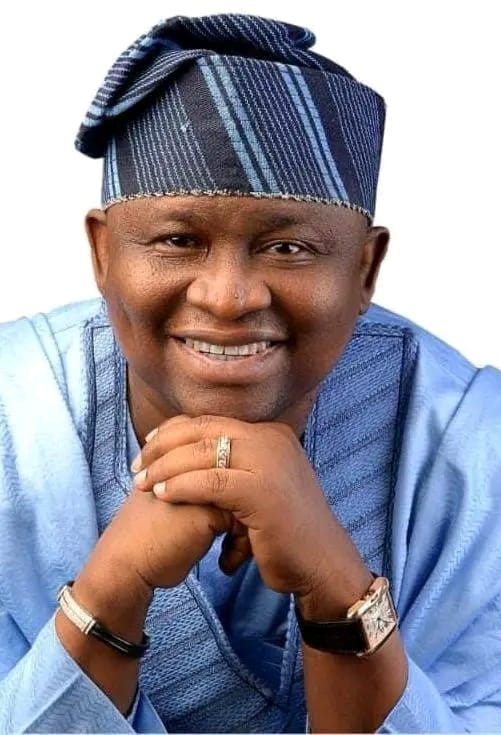
Senator Solomon Olamilekan Adeola (Yayi): The Priceless Gift to Ogun West, Ogun State, and Nigeria*
*BY ABU-SATAR HAMED*
*In every generation, a people are blessed with leaders whose lives transcend politics and whose service becomes a lasting testament to purpose, sacrifice, and impact.*
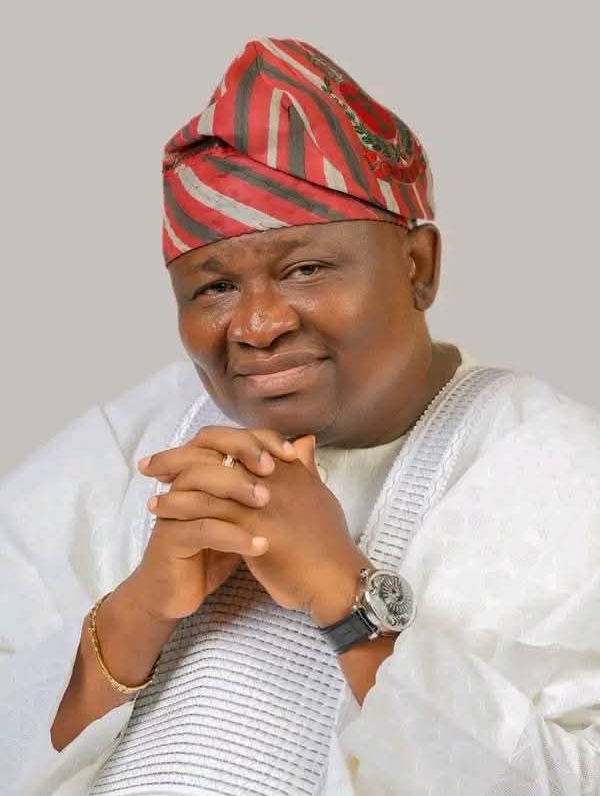
In Ogun West Senatorial District of Nigeria, that blessing is embodied in Senator Solomon Olamilekan Adeola, fondly and widely known as Yayi – a man whose leadership has redefined representation and rekindled hope across communities.
More than a legislator, Senator Adeola is a bridge between governance and the grassroots; a statesman whose name has become synonymous with development, compassion, and results.
Today, he stands as a priceless gift not only to Ogun West, but to Ogun State and Nigeria at large.
Born on August 10, 1969, Senator Adeola’s journey is a classic story of diligence meeting destiny. Trained as a chartered accountant, he built a solid professional foundation in finance, auditing, and taxation before venturing into politics.
His early career instilled in him discipline, accountability, and a deep understanding of public finance – qualities that would later define his legislative excellence.
From the private sector to public service, Senator Adeola Yayi’s transition was driven not by ambition alone, but by a compelling desire to contribute meaningfully to society.
Those who knew him early often attest that leadership was never an accident in his life – it was inevitable.
Senator Adeola’s political journey is one marked by steady growth, increasing responsibility, and proven competence.
He served meritoriously in the Lagos State House of Assembly, where his grasp of financial matters earned him key roles. He later moved to the House of Representatives, where as Chairman, Public Accounts Committee, he became a national symbol of transparency and fiscal oversight.
His elevation to the Senate of the Federal Republic of Nigeria further amplified his influence. Today, as Chairman of the Senate Committee on Appropriations, Senator Adeola occupied one of the most strategic positions in Nigeria’s legislative architecture – overseeing the nation’s budgeting process and ensuring that public funds translate into public good.
Since assuming office as Senator representing Ogun West, Yayi has transformed representation from rhetoric into reality.
Across Yewa-Awori land, his imprint is visible, tangible, and deeply felt. Infrastructure development has received unprecedented attention- rural and urban roads, public buildings, markets, and community facilities now stand as symbols of renewed government presence.
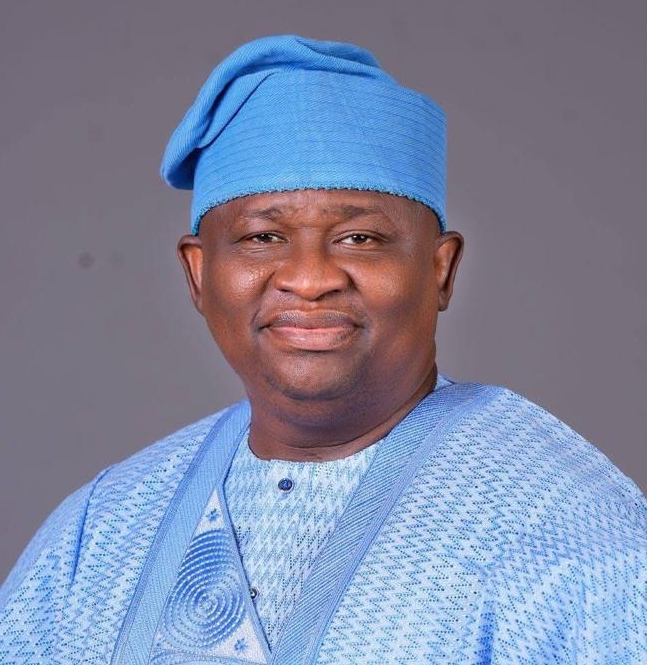
Communities once neglected now feel included in the national development conversation.
Electricity interventions, including the provision of transformers and power infrastructure, have restored economic life to several towns and villages, improving productivity and quality of life.
What truly distinguished Senator Adeola is his belief that development must touch people directly. Through well-structured empowerment programmes, thousands of traders, artisans, farmers, youths, and women have received financial support, tools, equipment, and training to rebuild and expand their livelihoods.
His empowerment initiatives are not handouts – they are strategic investments in human capacity. By strengthening small businesses and local enterprises, he has stimulated economic resilience across Ogun West.
In agriculture, his support for farmers through inputs, equipment, and funding has boosted food production and rural prosperity, reinforcing food security and self-sufficiency.
Senator Adeola’s commitment to education is rooted in his understanding that no society rises above the quality of its human capital. Scholarships, bursaries, and educational grants have opened doors for thousands of students who might otherwise have been left behind.
Beyond classrooms, he has invested heavily in skills acquisition and youth development, equipping young people with vocational and technical skills that prepare them for today’s competitive economy. In doing so, he has turned potential restiveness into productivity and hope.
Despite his national stature, Senator Adeola remains deeply accessible. His relationship with traditional rulers, religious leaders, youth groups, professional associations, and ordinary citizens reflects a leadership style anchored in humility and empathy.
He listens. He responds. He delivers.
This rare combination of power and compassion has earned him respect across political, ethnic, and religious divides. It is no surprise that he is widely referred to as “The People’s Senator.”
While Ogun West proudly claimed him, Senator Adeola’s impact resonated nationally. His role in shaping Nigeria’s fiscal direction, advocating accountability, and promoting equitable development underscored his importance to the Nigerian project.
National honours and recognitions bestowed upon him serve as formal acknowledgment of what the people already know – that Yayi is a statesman of uncommon value.
Senator Solomon Olamilekan Adeola’s story is not one of arrival, but of continuity. His legacy is still unfolding – measured not only by completed projects, but by restored hope, empowered citizens, and a renewed belief in what leadership can be.
In Ogun West, his name has become a symbol of purposeful governance. In Ogun State, a reference point for effective representation. In Nigeria, a reminder that public office can still be a platform for genuine service.
Indeed, Senator Solomon Olamilekan Adeola (Yayi) is a priceless gift – one whose impact will echo for generations to come.
May Allah grant “The People’s Senator” his dream – and make our collective dreams a reality come 2027.
_**Abu-Satar Hamed is a renowned journalist, the Otun Baaroyin of Ilaro-Yewa, Ogun State; Publisher/Editor-in-Chief, StarTrend Int’l Magazine and online platform, and the National Coordinator of the League of Yewa-Awori Media Practitioners (LOYAMP).*_


-

 celebrity radar - gossips5 months ago
Why Babangida’s Hilltop Home Became Nigeria’s Political “Mecca”
-

 society5 months ago
Power is a Loan, Not a Possession: The Sacred Duty of Planting People
-

 Business5 months ago
Batsumi Travel CEO Lisa Sebogodi Wins Prestigious Africa Travel 100 Women Award
-

 society7 months ago
CP LAWAL ADEBOWALE ASSUMES DUTY AS 46TH COMMISSIONER OF POLICE, ONDO STATE COMMAND