
society
Outrage Over Alleged N507.5 Million SUV Purchase Deepens Nigeria’s Governance Crisis

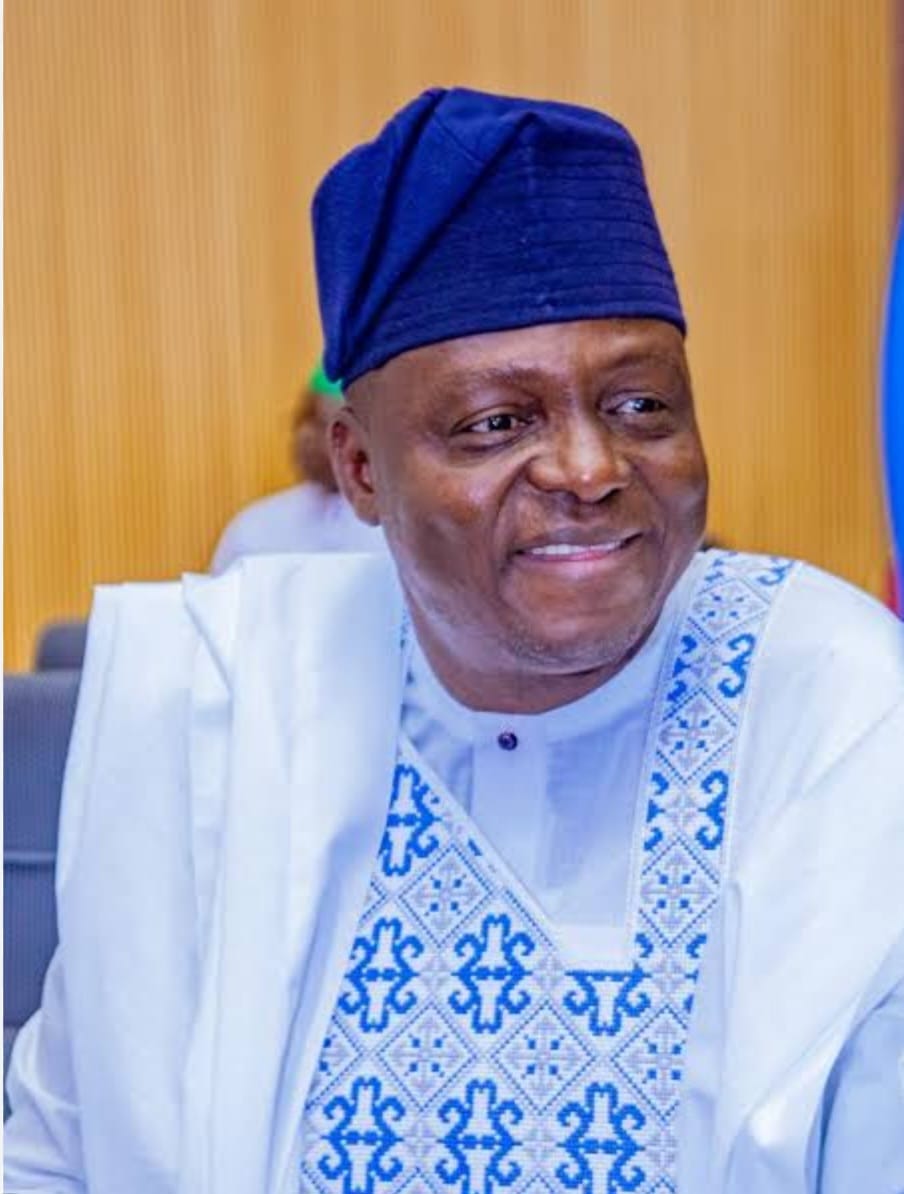
Outrage Over Alleged N507.5 Million SUV Purchase Deepens Nigeria’s Governance Crisis
By George Omagbemi Sylvester | Published by SaharaWeeklyNG
“As Poverty, Insecurity and Youth Unemployment Escalate, Questions Mount Over Government Spending Priorities in the Ministry of Humanitarian Affairs.”
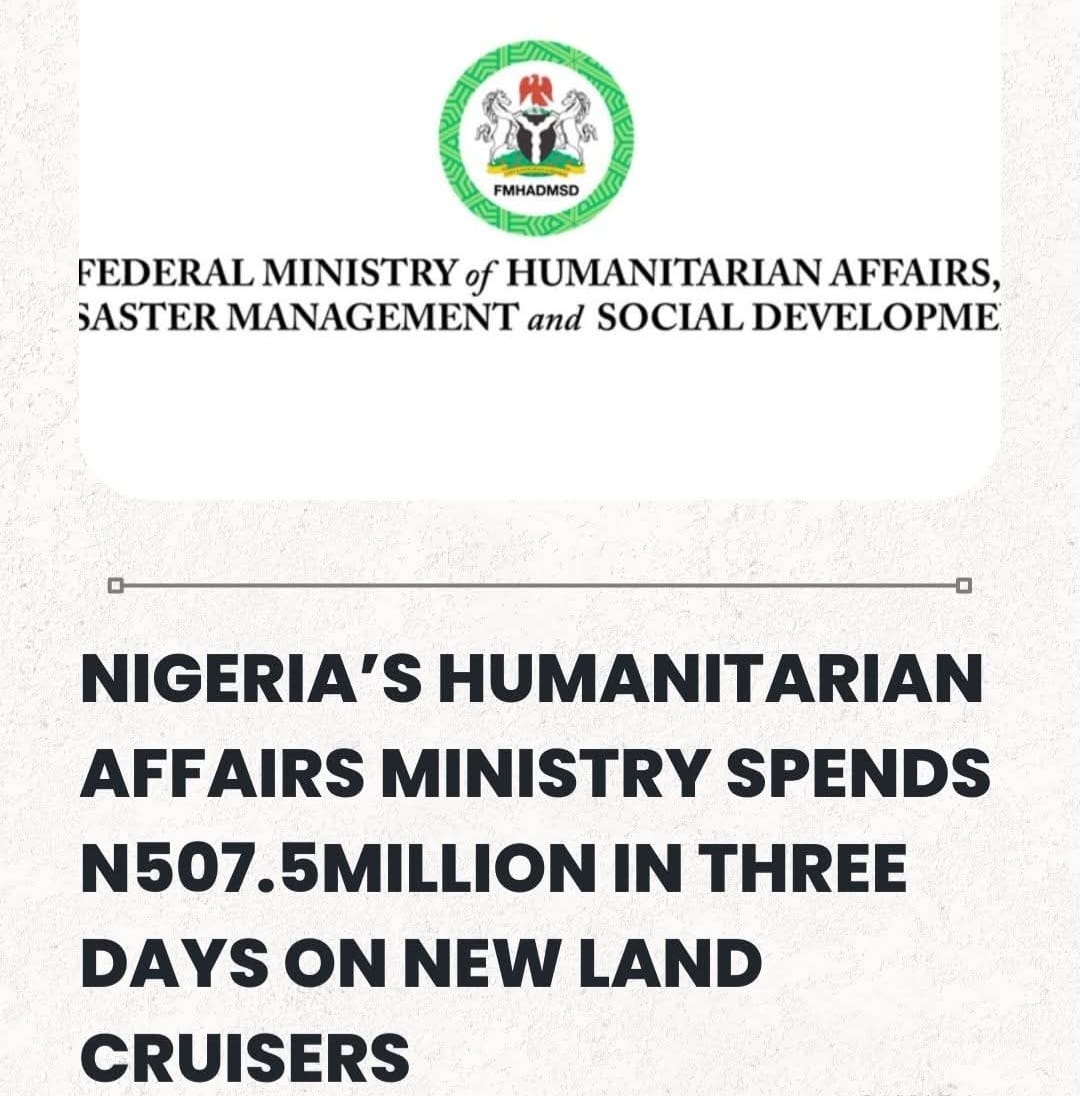
Nigeria’s already fragile public trust in government spending has once again been shaken following reports that the Federal Ministry of Humanitarian Affairs and Poverty Alleviation allegedly expended approximately N507.5 million within a short period on Toyota Land Cruiser vehicles. Although official documentation and full procurement details remain subject to scrutiny and verification, the reports have ignited widespread public outrage, largely because they emerge against the backdrop of worsening poverty, rising unemployment and persistent insecurity across the country.
The controversy is particularly striking because the ministry in question is institutionally mandated to address poverty, coordinate social intervention programmes, and support Nigeria’s most vulnerable populations. Critics argue that the optics of such high-value vehicle procurement, whether legally compliant or not, represent a profound disconnect between government priorities and the harsh economic realities confronting millions of Nigerians.
Nigeria’s socio-economic crisis is both deep and multidimensional. According to data from the National Bureau of Statistics and international development institutions, Nigeria remains home to one of the world’s largest populations living in extreme poverty. Economic growth has struggled to keep pace with population expansion, while inflation and currency depreciation have significantly eroded purchasing power. Youth unemployment remains particularly alarming, with millions of young Nigerians unable to secure stable employment or sustainable livelihoods.
The situation is further aggravated by persistent insecurity, including terrorism in the North-East, banditry across the North-West, kidnapping for ransom in several regions and communal clashes in parts of the Middle Belt and South. These security challenges have disrupted agricultural production, weakened supply chains and discouraged both domestic and foreign investment. The cumulative effect has been a steady deterioration in living standards and economic stability.
Public policy analysts argue that government spending patterns must be evaluated not merely by legality but by moral and developmental relevance. Nigerian economist and development scholar Prof. Pat Utomi has consistently warned that governance failures in resource allocation often reflect broader structural inefficiencies. Utomi famously observed that “leadership is ultimately about prioritising the welfare of the people over the privileges of power.” His statement resonates strongly in the current debate, where many citizens question whether the procurement of luxury-grade official vehicles aligns with the ministry’s humanitarian mandate.
Government defenders often argue that official vehicles are operational necessities required for field monitoring, project implementation and administrative efficiency. Such arguments are not without precedent. The Centre for Social Justice previously noted that the procurement of high-value official vehicles is a longstanding practice across Nigeria’s public institutions, with some lawmakers receiving SUVs valued at over N130 million each as part of official oversight responsibilities. However, critics maintain that historical precedent does not necessarily justify continued expenditure patterns, especially during periods of acute economic hardship.
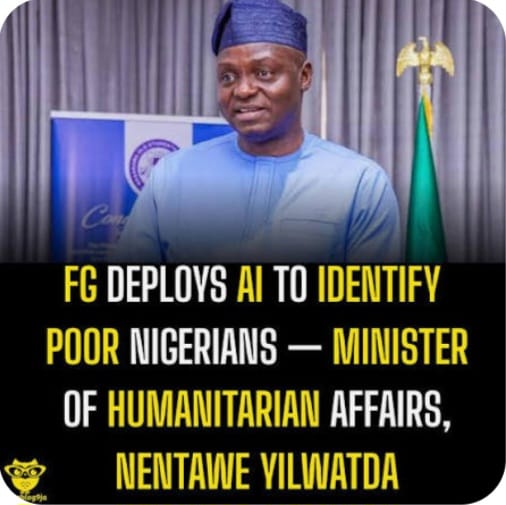
The Ministry of Humanitarian Affairs itself has faced repeated allegations of financial mismanagement in recent years. The Socio-Economic Rights and Accountability Project (SERAP) previously called for investigations into the alleged disappearance of over N57 billion linked to the ministry’s programmes, urging the federal government to prosecute any officials found culpable. Such allegations, though still subject to investigative processes, have contributed to growing public skepticism regarding the transparency and accountability of humanitarian funding structures.
Globally, development experts emphasise that effective poverty alleviation programmes depend heavily on public trust. Nobel laureate economist Joseph Stiglitz has argued that “transparency and accountability are essential components of sustainable development, particularly in countries struggling with institutional fragility.” Stiglitz’s insight underscores the broader implications of controversies surrounding government procurement, which can undermine citizen confidence in social intervention initiatives.
The optics of the alleged vehicle purchase also intersect with Nigeria’s broader cost-of-governance crisis. Nigeria maintains one of the most expensive political administrative systems relative to its revenue capacity. Scholars and civil society organisations have repeatedly called for drastic reductions in governance costs, arguing that excessive recurrent expenditure continues to drain resources needed for infrastructure, education, healthcare and poverty alleviation.
Security analysts warn that the economic frustration generated by perceived government extravagance could indirectly fuel instability. Political economist Dambisa Moyo has emphasised that persistent inequality and perceived governance injustice often create fertile ground for social unrest. In her analysis of developing economies, Moyo argues that “when citizens lose faith in the fairness of economic systems, the legitimacy of political institutions begins to erode.”
Nigeria’s youth demographic adds another layer of urgency to the debate. With over sixty percent of the population under the age of thirty, the country faces enormous pressure to generate employment opportunities and expand economic inclusion. Youth unemployment has been widely linked to rising migration trends, cybercrime and recruitment into violent extremist networks. Many analysts argue that every naira allocated to administrative luxury is a missed opportunity to invest in job creation, entrepreneurship development or vocational training.
Government accountability advocates also stress the importance of procurement transparency. International best practices require public disclosure of procurement justifications, competitive bidding processes and cost-benefit analyses. While Nigerian procurement laws theoretically incorporate these safeguards, enforcement gaps continue to undermine public confidence. Transparency International has repeatedly stressed that public procurement is one of the sectors most vulnerable to corruption globally.
Beyond the financial implications, the controversy touches on deeper questions about national ethics and leadership responsibility. Former United Nations Secretary-General Kofi Annan once stated that “good governance is perhaps the single most important factor in eradicating poverty and promoting development.” Annan’s assertion highlights the inseparable relationship between governance integrity and social progress, particularly in developing democracies.
It is equally important to acknowledge that public outrage alone cannot substitute for institutional reform. Experts argue that strengthening audit mechanisms, empowering anti-corruption agencies and enhancing legislative oversight remain essential to addressing recurring procurement controversies. Nigeria’s Office of the Auditor-General and parliamentary oversight committees are legally mandated to review public spending, yet their effectiveness often depends on political independence and enforcement authority.
The Ministry of Humanitarian Affairs occupies a particularly sensitive position within Nigeria’s governance architecture. Its programmes directly affect internally displaced persons, disaster victims and economically vulnerable households. Any perception of financial mismanagement within such a ministry carries symbolic consequences that extend beyond administrative accountability to national moral legitimacy.
Ultimately, the alleged N507.5 million vehicle procurement controversy reflects a broader governance dilemma confronting Nigeria. The nation’s economic and security crises demand disciplined fiscal management, strategic resource allocation, and demonstrable commitment to social welfare. Public trust, once eroded, is difficult to rebuild, particularly in societies already burdened by historical governance challenges.
As Nigeria continues to grapple with poverty, unemployment and insecurity, the expectations placed on public institutions remain extraordinarily high. Citizens increasingly demand not only lawful governance but also ethical governance—leadership that reflects empathy, accountability and developmental foresight. Whether the current controversy leads to formal investigations, policy reforms, or deeper public introspection remains uncertain. However, one reality remains clear: in a nation struggling to lift millions out of poverty, every government expenditure carries profound symbolic and practical consequences.
For Nigeria, the path forward may ultimately depend on whether public leadership can realign spending priorities with the urgent humanitarian needs of its people. Until such alignment becomes visible and measurable, controversies over governance spending are likely to remain potent reminders of the country’s ongoing struggle between public expectation and political reality.







EPSTEIN FILES EXPOSE SECRETED SCHEME TO CASH IN ON LIBYA’S BILLIONS
By George Omagbemi Sylvester | Published by SaharaWeeklyNG
“How newly released documents reveal an attempted exploitation of Libya’s frozen wealth before and after Gaddafi — and what it means for justice, sovereignty, and global finance.”
In one of the most startling and geopolitically charged revelations of the decade, newly released documents from the Epstein Files (a vast tranche of records linked to the late financier Jeffrey Epstein) have unveiled a clandestine blueprint to profit from Libya’s immense frozen state assets during a period of political upheaval that began in 2011. More than a decade after the overthrow and death of Libyan leader Muammar Gaddafi, these records outline plans that, if carried out, risked transforming a nation’s sovereign wealth into the private windfall of global financiers, intermediaries, and former intelligence operatives. The implications extend far beyond financial opportunism, touching the core of international law, post-conflict reconstruction and the fragile sovereignty of states emerging from chaos.

Libya’s Frozen Fortune: The Lure of Billions.
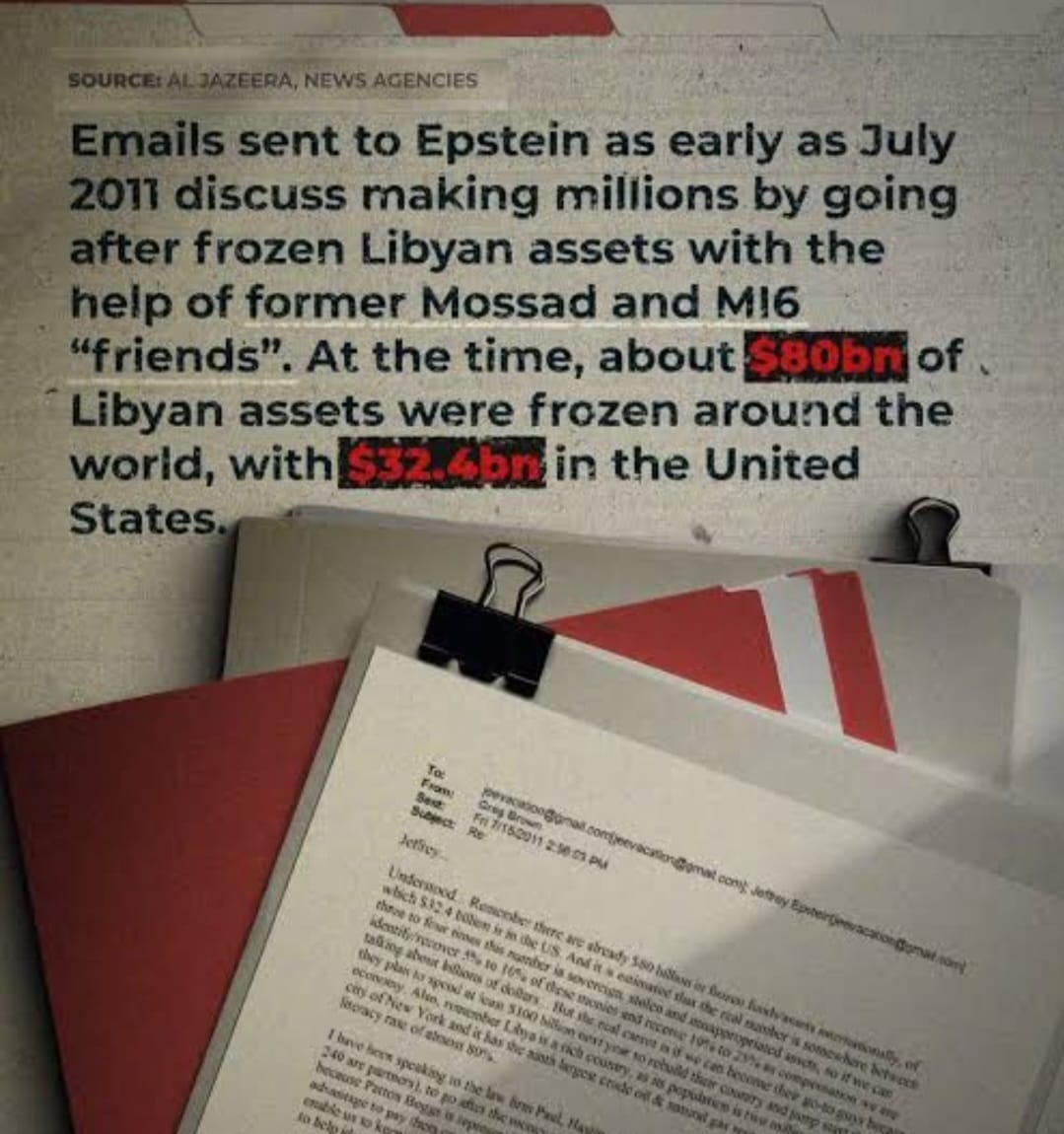
At the heart of these revelations is an email dated July 2011 sent to Epstein by an associate that outlines a proposal to pursue access to Libyan state assets that were frozen abroad in the wake of the NATO-backed uprising that toppled Gaddafi. At the time, the United Nations imposed freezes on Libyan assets under Security Council Resolutions 1970 and 1973, designed to limit the Gaddafi regime’s access to funds during the conflict. However, this freeze also created a pool of state wealth (estimated at around $80 billion, including $32.4 billion held in the United States) that was suddenly susceptible to external legal and financial manoeuvring.
According to the email, the actual value of what was described as “sovereign, stolen and misappropriated” assets could be three to four times larger than the $80 billion figure, suggesting a potential trove exceeding hundreds of billions. “If we can identify or recover just 5 to 10 percent of these monies and receive between 10 and 25 percent as compensation, we are talking about billions of dollars,” the correspondence stated, framing the operation as a lucrative business opportunity rather than a sovereign asset recovery.
The email went further, painting a picture of Libya as not only a ripe target for asset recovery but also a future hub of investment: one that, if engaged early, could “become their go-to guys” for reconstruction work. The correspondence noted projections that Libya would need to spend at least $100 billion on rebuilding its economy and infrastructure, positioning the scheme as a gateway into a multi-billion-dollar market tied to reconstruction and legal services.
Former Spies and International Networks
What transforms this from opportunistic financial speculation into a geopolitical intrigue is the involvement of former intelligence personnel. The email references preliminary discussions with former agents from Britain’s MI6 and Israel’s Mossad, and suggests that some members expressed willingness to help identify and trace Libyan assets abroad is a stark illustration of how intelligence networks can be folded into private financial projects that operate in the grey intersection of influence, law and power.
The use of former intelligence officials in legal and asset-recovery matters is not inherently illegitimate; in many cases, their expertise in tracing financial flows and navigating international systems can aid legitimate restitution efforts. However, in the context of this proposal (where the stated objective was profit extraction for private benefit unaffiliated with Libya’s legitimate government) the lines between recovery, coercion, and exploitation become perilously blurred.
Sovereignty, Asset Recovery and International Law.
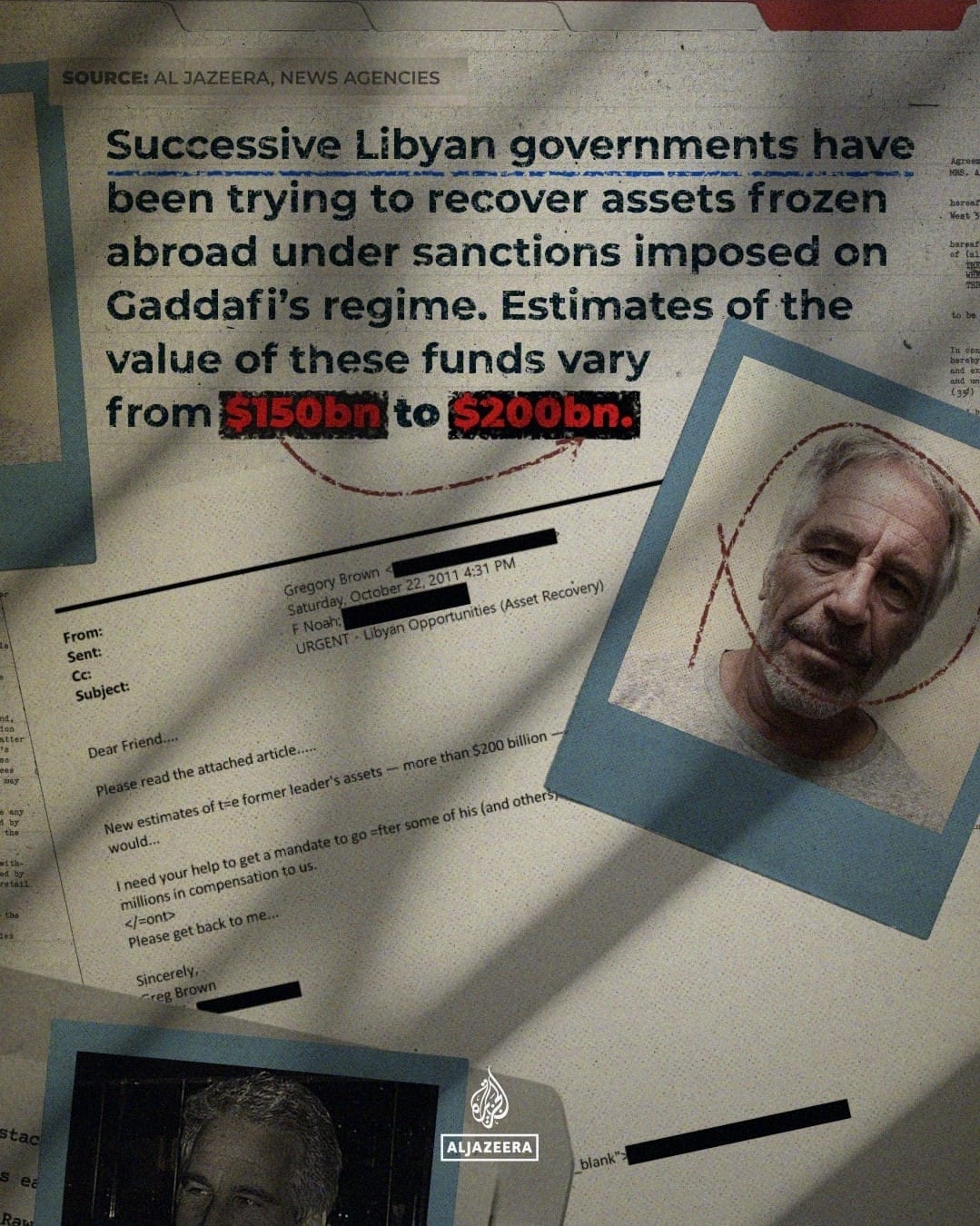
The emergence of these documents has reignited a long-standing debate over sovereign asset freezes and the ethics of asset recovery. Scholars and policy experts emphasize that frozen funds belong to the people of the state in question, and that any recovery or release should serve the sovereign interests of that nation and not the private ambitions of third parties. According to analysis published by the International Crisis Group, efforts to reform sanctions and allow asset reinvestment must be conducted with “the consent of Libya’s legitimate authorities,” and designed to benefit the Libyan people rather than external interests.
The complex legal landscape surrounding frozen Libyan assets has already resulted in numerous litigations. Libya has fought cases in European courts, including against global finance giants such as Goldman Sachs, while also seeking pathways to unlock portions of its sovereign wealth for national development and economic revival. However, political fragmentation (a persistent challenge in Libya’s civil conflict) has frequently stalled progress, underscoring how easily frozen assets can become political bargaining chips rather than tools for reconstruction.
As legal expert Mohammed bin Shaaban observed in recent reporting on Libya’s asset situation, the maze of international litigation and competing claims has left much of the country’s wealth inaccessible and shifts in governance further complicate matters. Such dynamics underline the inherent risk when third parties position themselves as intermediaries in sovereign matters without clear legal mandate or ethical grounding.
Libya’s Fragile Context and Corruption Complexities
Understanding the Epstein scheme also requires acknowledging the broader context of Libya’s political instability and deeply entrenched corruption.
Transparency International consistently ranks Libya among the lowest globally on the Corruption. Perceptions Index, a stark reflection of systemic governance challenges since Gaddafi’s fall. That corruption has extended into the management of state resources and has complicated efforts to ensure that any recovered assets serve the public good rather than private pockets.
This offers a sobering backdrop to the Epstein correspondence. What might at first appear as financial opportunism can also be interpreted (in the harshest light) as a schemed attempt to exploit both the political disarray and the legal ambiguity surrounding Libya’s frozen assets for private advantage. In environments where rule of law is weak and sovereign authority is contested, external actors can, intentionally or otherwise, exert disproportionate influence over outcomes.
Ethics of Engagement and the Limits of Opportunism.
The revelations raise essential questions about ethical boundaries in international finance and asset recovery. The stated willingness of international law firms to work on a contingency fee basis (paid only upon success) reflects common practice in asset litigation. Yet the inclusion of such firms alongside former intelligence operatives underlines how humanitarian, legal and economic projects can be co-opted into efforts aimed at generating private profit under the guise of public service.
Experts argue that genuine asset recovery should be driven by transparent legal frameworks, international cooperation and unwavering commitment to justice for victimized populations. The Organisation for Economic Co-operation and Development (OECD) and other multilateral bodies have long emphasized that illicit financial flows hamper development and that asset recovery must be anchored in lawful restitution not speculative gain.
The Road Ahead: A Cautionary Tale for Post-Conflict Economies.
The Epstein Files revelations about Libya serve as a potent reminder of the perils facing nations emerging from conflict: when enormous sovereign wealth is frozen or in legal limbo, it attracts not only legitimate legal claims but also those driven by speculation and profit. What should be a process grounded in restoring national wealth and dignity can become a theatre for the powerful to profit off instability.
In a world grappling with conflict-induced asset freezes (from Libya to other nations displaced by war or sanctions) the imperative is clear: international law and ethical standards must protect sovereign assets, ensure their return benefits the people to whom they belong, and guard against schemes that would commodify national misfortune into private fortune. Only through principled engagement and rigorous accountability can the promise of rebuilding shattered states be realised without handing over their priceless heritage to opportunists.
society
Queen of Talk Joyce Daniels Marks 44th Birthday As Money Making Mouth Conference 2.0 Holds In Lagos

Queen of Talk Joyce Daniels Marks 44th Birthday As Money Making Mouth Conference 2.0 Holds In Lagos
Renowned communication strategist and public speaking authority, Joyce Daniels, popularly known as the Queen of Talk, has marked her 44th birthday with the successful hosting of the Money Making Mouth Conference 2026 in Lagos.
The conference, held on Saturday, January 31, 2026, at the Admiralty Event Centre, Victoria Island, brought together professionals, entrepreneurs and speakers to examine how effective communication can drive career advancement, business growth and personal influence.
With over 18 years of professional experience, Daniels has built a strong reputation as an award-winning Master of Ceremonies, public speaker, presentation skills coach and author of two bestselling books. Widely regarded as Africa’s foremost advocate for monetising communication skills, she is popularly referred to as the “Money Making Mouth.”

Delivering her keynote sessions, “The Money Making Mouth Philosophy” and “Mission 2026,” Daniels stressed that speaking well is no longer optional in today’s competitive workplace and business environment. She explained that clear, confident and value-driven communication strengthens leadership credibility, improves workplace relationships, boosts sales performance and opens doors to new professional opportunities. According to her, professionals who can articulate their ideas effectively are better positioned for promotions, partnerships and increased earnings.
She further challenged participants to deliberately invest in their voices as tools for visibility, relevance and wealth creation, noting that communication, when properly harnessed, becomes a sustainable economic asset.
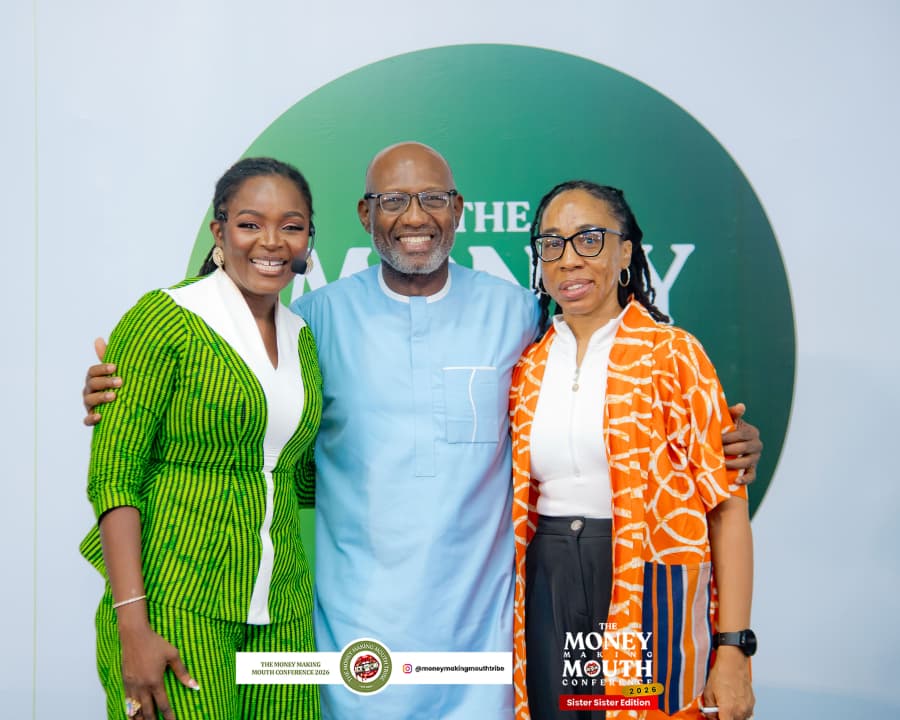
Another major highlight of the conference was “The Hidden Wealth Panel”, presented by Carib Health Group, which focused on wellness, medical awareness, and healthy living. The speakers emphasized the connection between personal wellbeing and professional productivity, noting that long-term financial success and influence are difficult to sustain without physical and mental health stability.
Participants also engaged in a practical session titled “The Money Magnet Conversation”, led by Dr. Pamela Udoka and Adeola Kingsley-James, popularly known as ‘I Am That I Am’. They explored the power of mindset, mental wellbeing, overcoming fear and imposter syndrome, stressing that control over one’s mind directly influences what one will attract in 2026.
The program continued with “Negotiate Like a Boss”, facilitated by finance expert – Chukuka Chukuma, where attendees learned strategies for negotiating professional value, fees, and contracts with confidence and clarity, particularly in business and corporate settings.

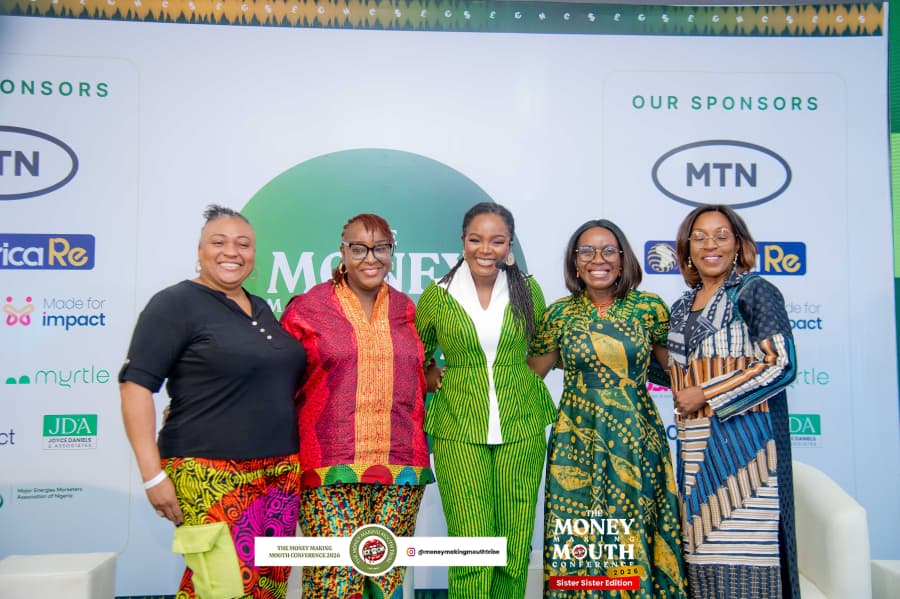
The event enjoyed the support of several corporate organisations, including MTN, Africa Re, Carib Health Group, Konga 103.7FM, Myrtle Asset Management, 9PSB, Item7go, Cutstruct, JD&A, and Made for Impact, reflecting growing corporate interest in communication, leadership and influence.
The conference concluded with an anniversary celebration marking the first anniversary of The Money Making Mouth Tribe, as well as Joyce Daniels’ birthday, alongside group photographs and networking, reinforcing her mission to eliminate the culture of speaking for free or undervaluing communication skills.
society
Enough Is Enough”: Elem Kalabari Rises Against Decades of Injustice, Women Stage Peaceful Protest
“Enough Is Enough”: Elem Kalabari Rises Against Decades of Injustice, Women Stage Peaceful Protest
By: Al Humphrey Onyanabo
For decades, Elem Kalabari has borne the burden of Nigeria’s oil wealth without tasting its benefits. Its rivers have carried crude oil to the Atlantic; its land has hosted pipelines, flow stations, and gas facilities; its people have inhaled fumes, watched their waters darken, and their livelihoods collapse.
Yet opportunity, justice, and inclusion have consistently flowed elsewhere. On Monday February 2, 2026, that long-suppressed pain found a powerful voice.
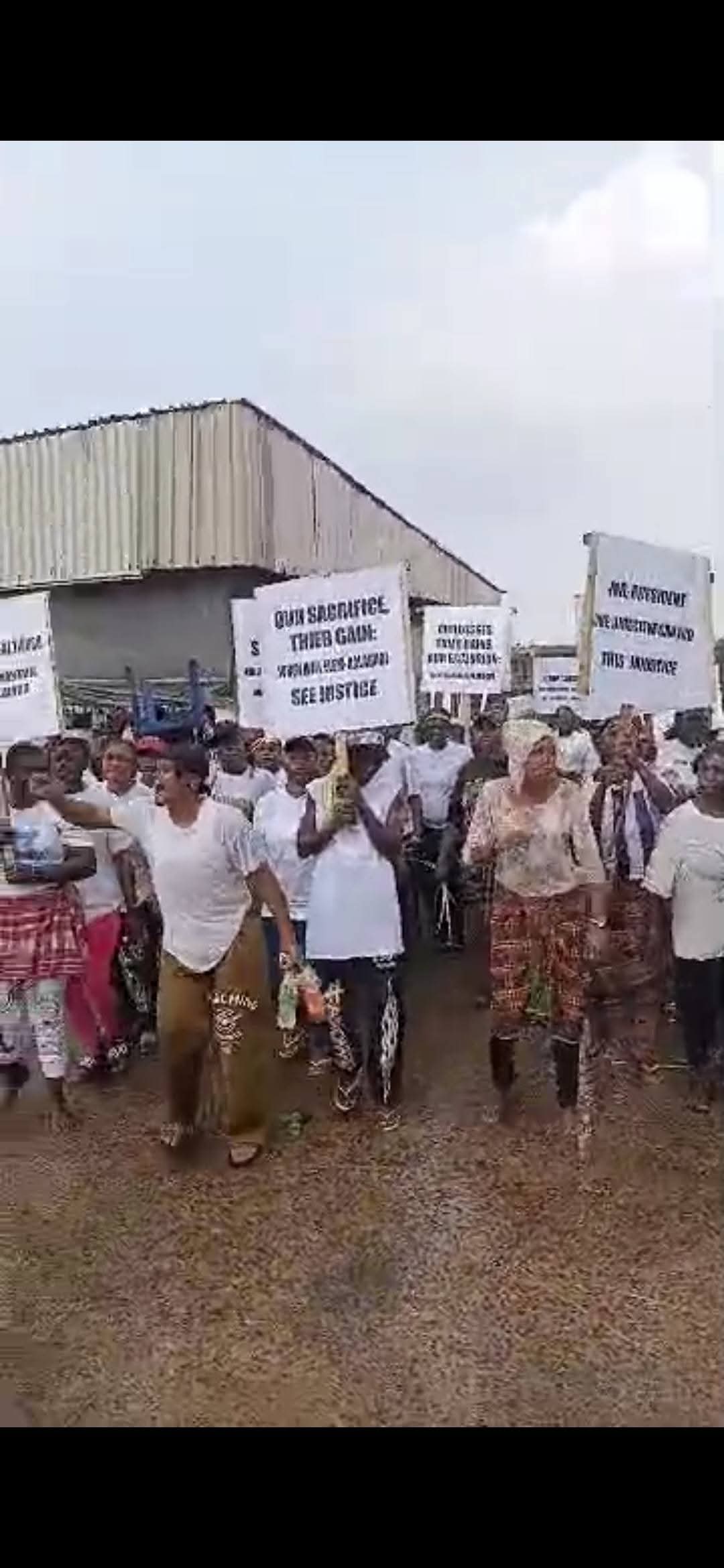
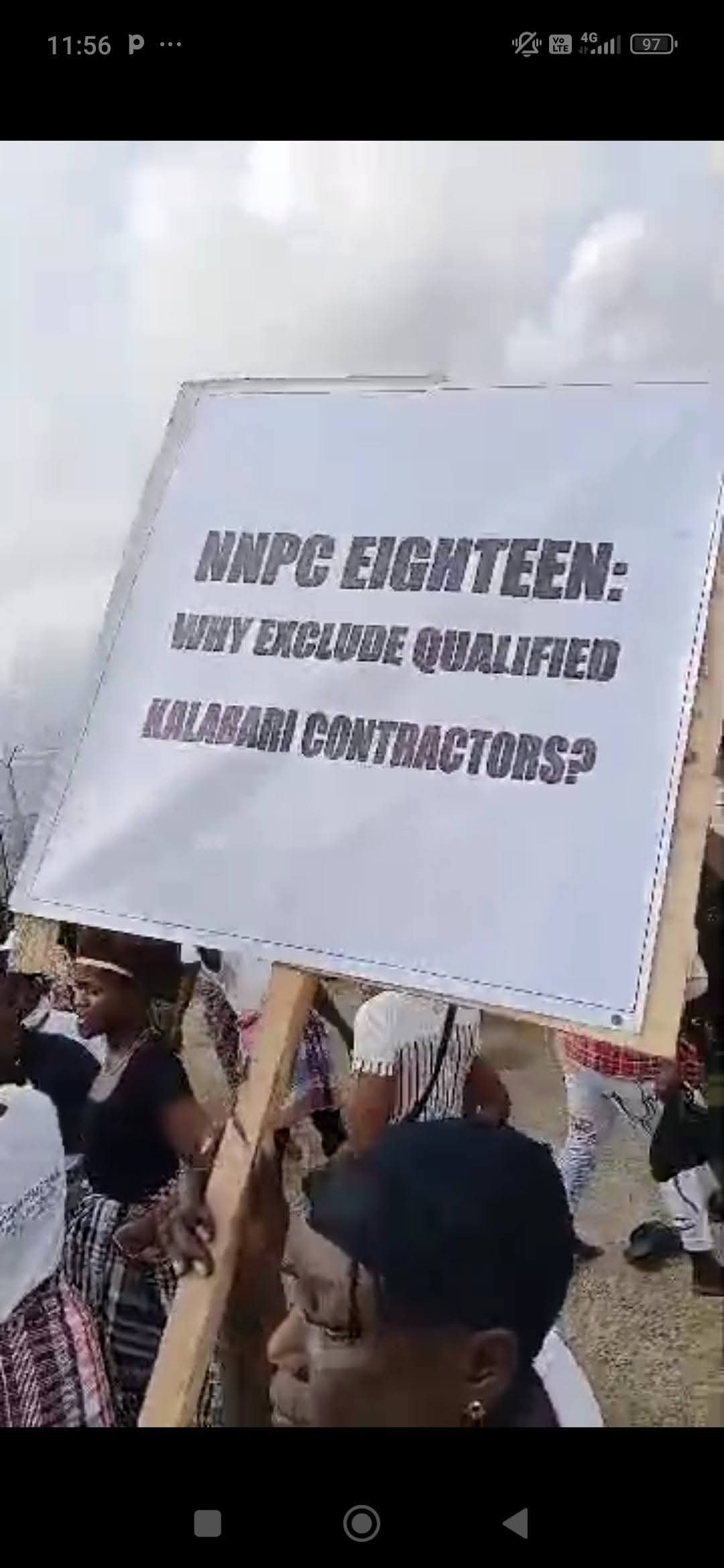
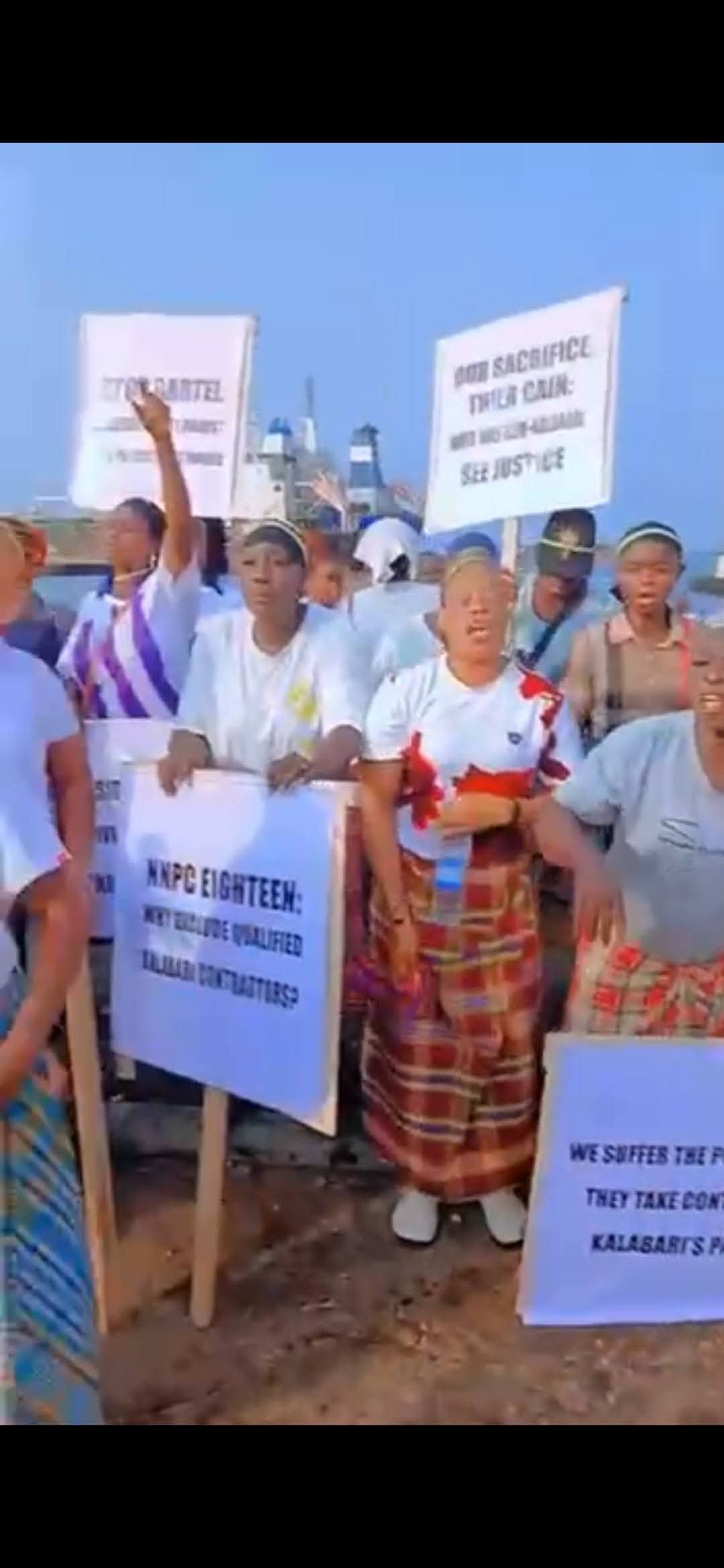
Defying a heavy morning downpour, hundreds of women from Elem Kalabari poured into the Cawthorne Channel 2 Jetty in what many now describe as the “Mother of All Protests.”
It was peaceful, disciplined, and resolute—but unmistakably firm.
This was not noise. It was a declaration. Placards told the story words alone could not fully carry: “We Carry the Burden, They Take the Benefits.”
“Our Sacrifice, Their Gain: When Will Elem-Kalabari See Justice?”
“Local Content Law Violated: Kalabari Demands First Right of Refusal.”At the heart of the protest lies a single, bitter truth: exclusion has become systemic.
A Broken Promise in OML 18
The immediate trigger was the recent award of the OML 18 pipeline security and surveillance contract by NNPC Eighteen Limited to Manton Engineering Limited—a company neither from Elem Kalabari, nor from Rivers State.
To the protesting women, this was not merely an administrative decision. It was another chapter in a long history of betrayal.
Under Nigeria’s Local Content Law and the Petroleum Industry Act, host communities are guaranteed the right of first refusal in contracts directly affecting their territory. Yet this right, the women insist, was ignored.
Even more troubling is the contradiction embedded in the law itself. Section 257(2) of the Petroleum Industry Act places responsibility for sabotage on host communities—yet when it comes to securing their own territory, those same communities are excluded. “How can a people be blamed for insecurity,” one protester asked, “and then denied the right to secure their own land?”
Rivers That Carry Wealth, Communities That Carry Pain
Elem Kalabari is not just another oil-bearing community. It is the export artery of OML 18.
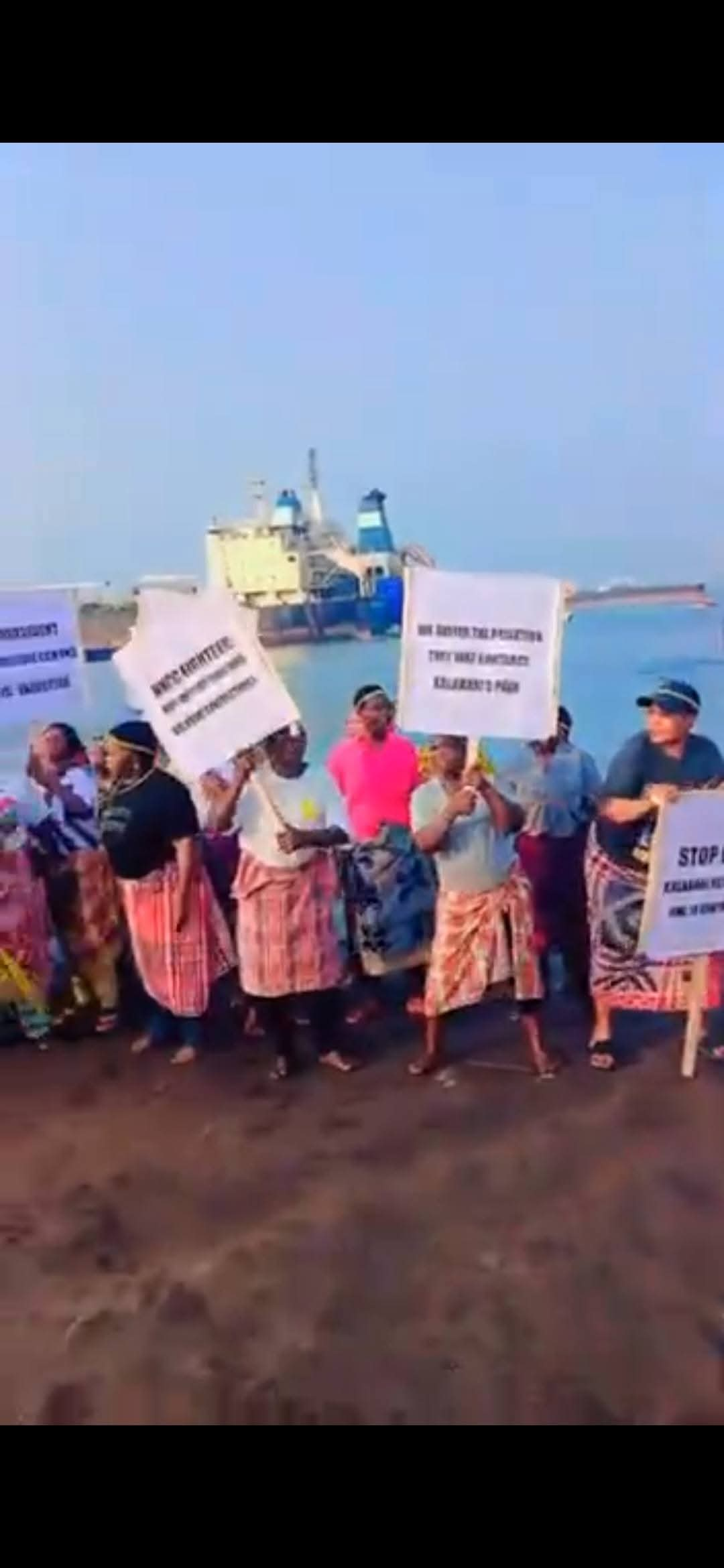
Crude oil from Cawthorne Channels 1, 2, and 3, Awoba, and Krakrama is evacuated exclusively through Elem Kalabari waterways to the Atlantic Ocean. Without these rivers, there would be no barging route—no export. Yet the women revealed a staggering injustice: none of the vessels used in these daily operations belong to Elem Kalabari. None belong to Kalabari people. None even belong to Rivers State. No courtesy visits. No engagement with the Amanyanabo. No sense of obligation to the host community—despite operations generating millions of dollars daily.
“What flows through our waters enriches others,” said a woman leader “But when it comes to opportunity, our people are treated as strangers on their own land.”
Educated Children, Locked-Out Futures
Perhaps the most painful testimony came when the women spoke of their children. Many told stories of sacrifice—years of trading, fishing, and borrowing to send sons and daughters to universities—only for those graduates to return home unemployed, watching companies operate profitably on their ancestral land.
Those fortunate enough to secure employment fared little better.
Workers who had previously been full staff under the former operator, Eroton, were reportedly downgraded to contract staff under NNPC Eighteen Limited. Their pay dropped. Job security vanished.
Working conditions worsened.
In what the women described as the ultimate insult, workers allegedly brought in from Lagos were trained by these local employees—only for the trainees to be offered permanent roles, while the locals remained on contract.“It is not just unfair,” one woman said quietly. “It is humiliating.”
Environmental Destruction, Official Silence
While contracts and jobs disappear, pollution remains. Oil contamination has been reported repeatedly in Mbi-Ama, Moni-Kiri, Portuguese Kiri, and Jacob-Ama—areas affected by constant barging and operational discharge. Marine life has dwindled. Fishing yields have collapsed. Mangroves continue to die.
Reports have been filed. Complaints have been made. Yet regulatory agencies, mandated to investigate and sanction offenders, have taken little or no meaningful action. To the women, this silence feels like complicity. A First-Hand Account of Despair.
A First Encounter with Abandonment
My first visit to Elem Kalabari on 1st January, 2025 remains a haunting reminder of how thoroughly a people can be forgotten in the midst of plenty.
I visited in the company of The Amanyanabo of Elem Kalabari, Da Amakiri Tubo, Alhaji Mujahid Abubarkr Dokubo-Asari, Dabaye Amakiri 1. It was on January 1st 2025, the day after he received the staff of office from Governor Siminalayi Fubara.
What we met was not a community benefiting from decades of oil extraction, but a landscape of utter devastation, neglect, and grinding poverty.
Elem Kalabari was wrapped in darkness—total, suffocating darkness. There was no public electricity, no streetlights, not even basic solar lamps that have become commonplace in remote settlements across the Niger Delta. Night fell early, and with it came an overwhelming sense of isolation, as though the community had been cut off not only from development, but from national consciousness itself.
There were no schools to nurture young minds.
There were no clinics to tend to the sick, the pregnant, or the elderly.
There was no market, no organised economic space, no visible engine of local commerce.
What stood in place of social infrastructure was emptiness—broken structures, abandoned land, and a silence that spoke of long years of disappointment. This was a community sitting at the heart of Nigeria’s oil wealth, yet living as though the nation’s prosperity flowed around it, never through it.
It became painfully clear that the oil companies operating in and around Elem Kalabari had taken the people for granted for far too long. Their pipelines crisscross the land, their barges dominate the waterways, their wealth moves daily through Kalabari rivers—yet the human beings who bear the environmental cost have been left with nothing to show for it.
That visit stripped away any illusion. It revealed a truth the women of Elem Kalabari now proclaim with courage and clarity: neglect has become policy, and exclusion has been normalised. What we saw was not underdevelopment by accident, but abandonment by design.
And today, the people—especially the women—are saying with one voice: enough is enough.
At night sitting on the jetty, surrounded by mosquitoes in search of cellular network, I saw across the sea, vessels loading crude oil, I watched as others left. I saw the gas flares… It was a sight.
A Line Drawn in the Sand
The women have vowed to sustain their protest until justice is done. They have warned that if ignored, they will escalate actions, including shutting down operations at the flow station.
For Elem Kalabari, this moment marks a turning point.
After decades of neglect, the people are no longer whispering their pain. They are standing, together, and saying clearly—to government, to corporations, and to the nation:
Enough is enough.
There needs no telling. This is the first of many protests that will happen. The people have their backs to the wall and can’t take it no more. I can’t blame them, they have suffered for too long.


By: Al Humphrey Onyanabo,
The PEN
Tel: 08109975621
Email: [email protected]


-

 celebrity radar - gossips6 months ago
Why Babangida’s Hilltop Home Became Nigeria’s Political “Mecca”
-

 society6 months ago
Power is a Loan, Not a Possession: The Sacred Duty of Planting People
-

 Business6 months ago
Batsumi Travel CEO Lisa Sebogodi Wins Prestigious Africa Travel 100 Women Award
-

 news6 months ago
THE APPOINTMENT OF WASIU AYINDE BY THE FEDERAL GOVERNMENT AS AN AMBASSADOR SOUNDS EMBARRASSING