
celebrity radar - gossips
Sanwo-Olu, Okonkwo Parley ASPAMDA, Trade Fair Market Leaders on Infrastructure Development

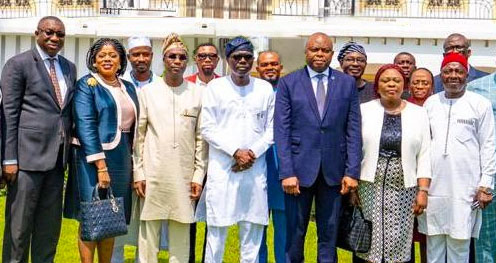
Sanwo-Olu, Okonkwo Parley ASPAMDA, Trade Fair Market Leaders on Infrastructure Development
Lagos State Governor, Mr. Babajide Sanwo-Olu on Thursday, met with market leaders from Alaba, Trade Fair axis in Lagos West senatorial district. The consultative meeting, which was at the instance of the Governor and coordinated by the Managing Director Fidelity Bank, Mr. Nnamdi Okonkwo, lasted for about 90 minutes and it was centered around the State Government’s plans to improve security and upgrade infrastructure around the markets.
Speaking to newsmen after the meeting, Gov. Sanwo-Olu said the discussion was aimed at fostering collaboration with the traders and to carry them along in the plans of the Government. The Governor said he was pu satisfied with the conditions under which businesses were conducted in the markets, expressing disappointment over the state of roads and absence of relevant public facilities around markets. In fulfilling his campaign promises to the traders, Sanwo-Olu said his administration was prepared to change the condition by investing in infrastructure that would improve the quality of lives and commercial activities in the area.
He said: “We have just finished an interactive meeting with the leaders of various markets around Alaba, ASPAMDA, Trade Fair areas in Lagos West Senatorial District and the discussion was coordinated by our friend in the banking sector, Fidelity Bank. We all agreed that we all have roles to play to address infrastructure and other challenges around the markets. As a government, we are taking up the responsibility to design an all-inclusive model that will improve the economic wellbeing of people around the markets. Once we put infrastructure in place, not only would businesses flourish, employment will also be created.” Aside constructing network of roads surrounding the markets, the Governor said part of the Government’s long-term plans was also to complement the efforts with provision of amenities, including fire stations, clinics, general hospitals and security protections that would aid commercial activities in the markets.
Sanwo-Olu said the market leaders agreed to work with the Government on documenting all businesses in their respective jurisdictions, which would facilitate easy payment and collection of tax for developmental purposes.
The Governor said: “we had conversations around being socially responsible. So, we will see the traders living up to the expectations in terms of doing what they are meant to be doing to support government in the areas of their taxes, wages and levies. We also want to eliminate multiple taxations; any agency that is not meant to be around the market will be stopped.
“We also discussed security issues, and I assured that government would help to improve on the security of lives and properties in the area and the state in general. We will address the menace of Okada riders all around those markets. We will also ensure that the work that is going on around Lagos-Badagry Expressway is well coordinated, so that they can have some relief at various periods of the day, even when construction is going on.”
The Governor said the meeting would not be the last in his engagement with the market leaders, pointing out that Chairmen of local councils in which the traders operate would be invited to subsequent discussions before the start of regeneration work across the markets within the senatorial district.
Fidelity Bank’s Managing Director, Mr. Nnamdi Okonkwo, hailed Sanwo-Olu for partnering with the market leaders to drive the regeneration programme, saying the Governor understood the importance of engagement in leadership. According to him “Fidelity Bank was one of the first banks to open in the area and we understand their challenges from the extensive engagements we do have with them. We bank most of them and when there are issues we come together to interact and find solutions. This is exactly the approach that Gov. Sanwo-Olu is using today. The Governor has outlined a course of action and we also use our knowledge of their needs and working in collaboration with the government, to come up with a model that will work for all stakeholders. The traders are ready to take this collaboration to the end and make sure they have better market conditions so when they want to pay their taxes, they will pay them happily.”
President General of Alaba






celebrity radar - gossips
Mrs Township Finalist 2026 Leads Community Action to Support Disadvantaged Learners
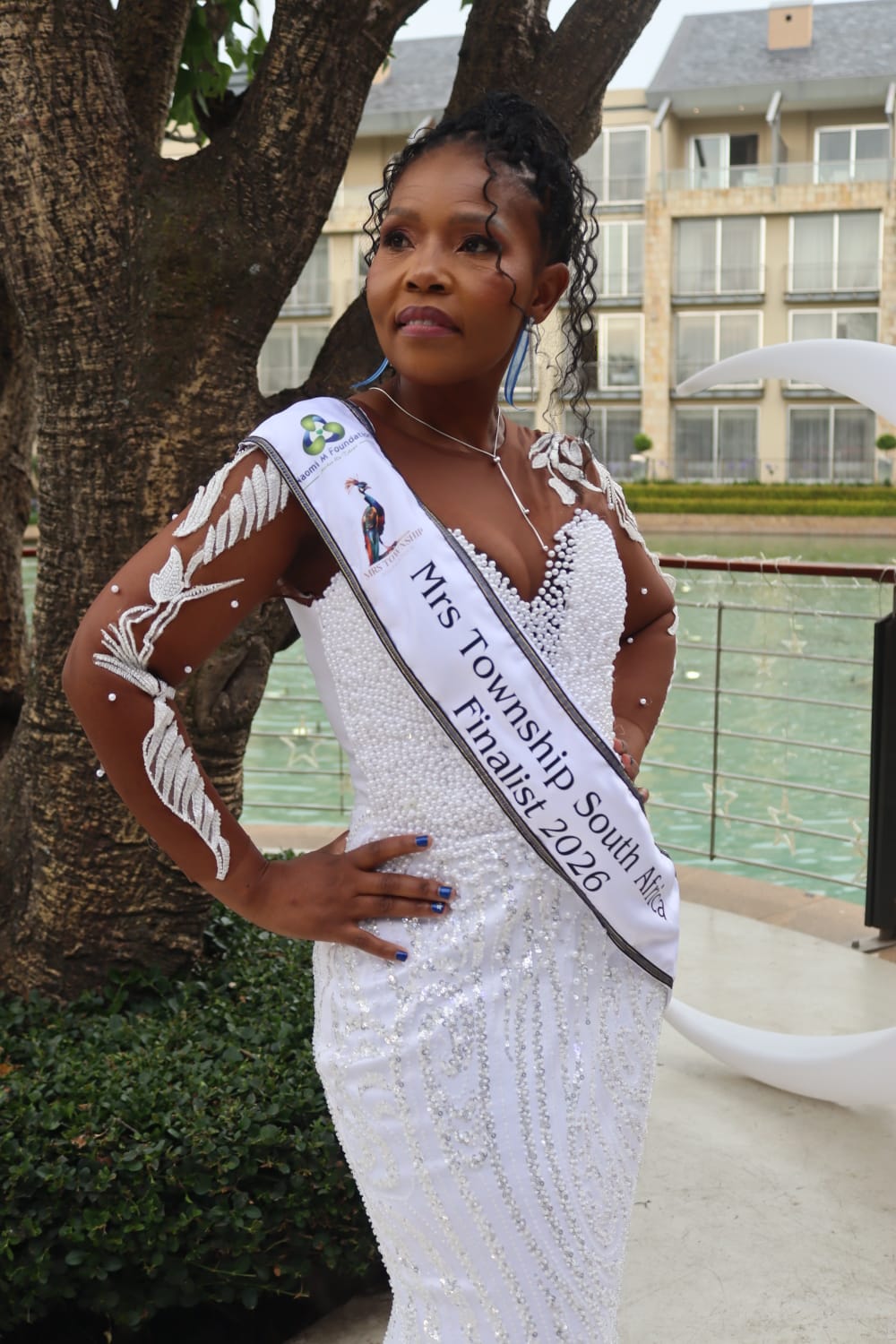
Mrs Township Finalist 2026 Leads Community Action to Support Disadvantaged Learners
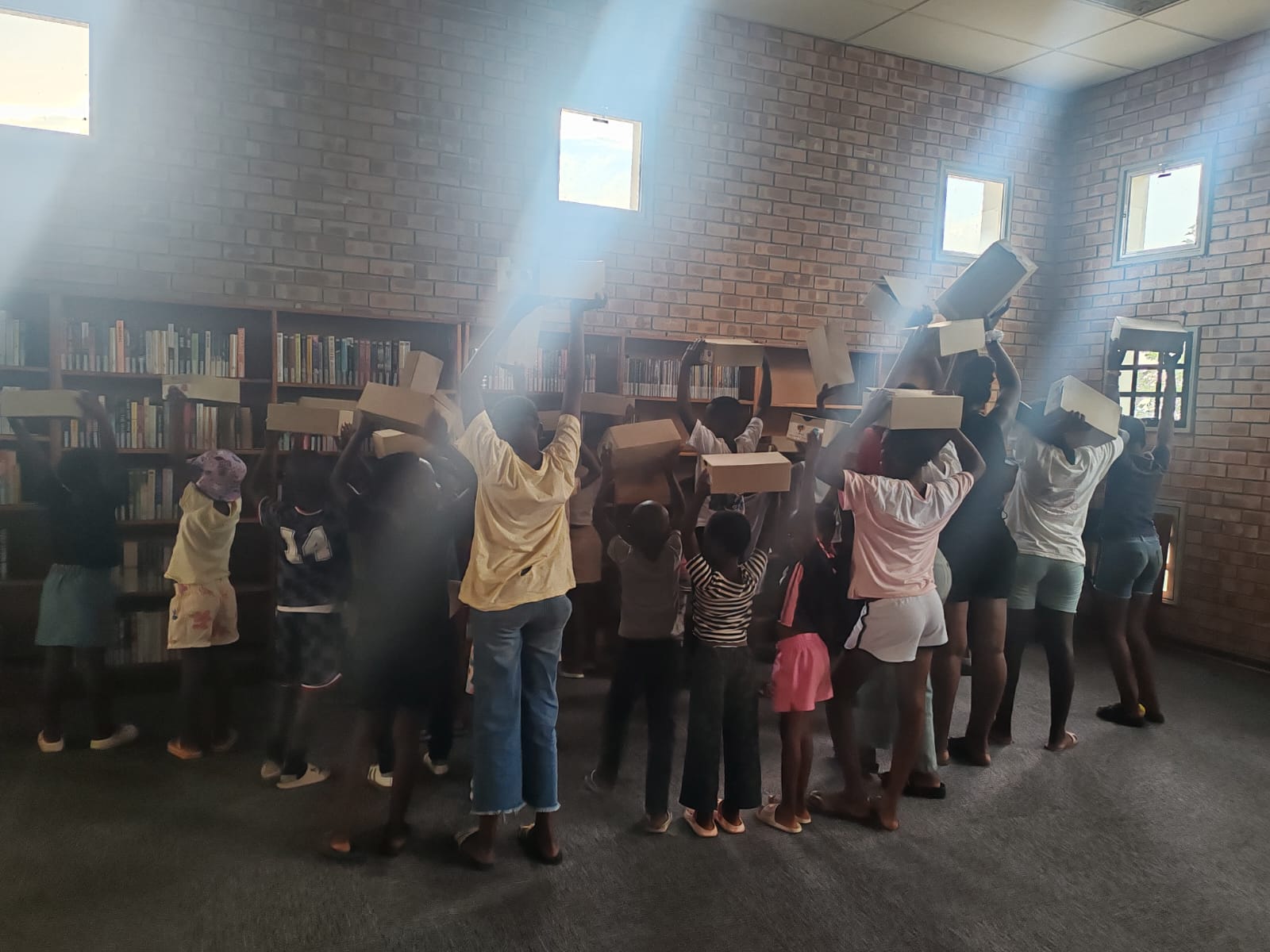
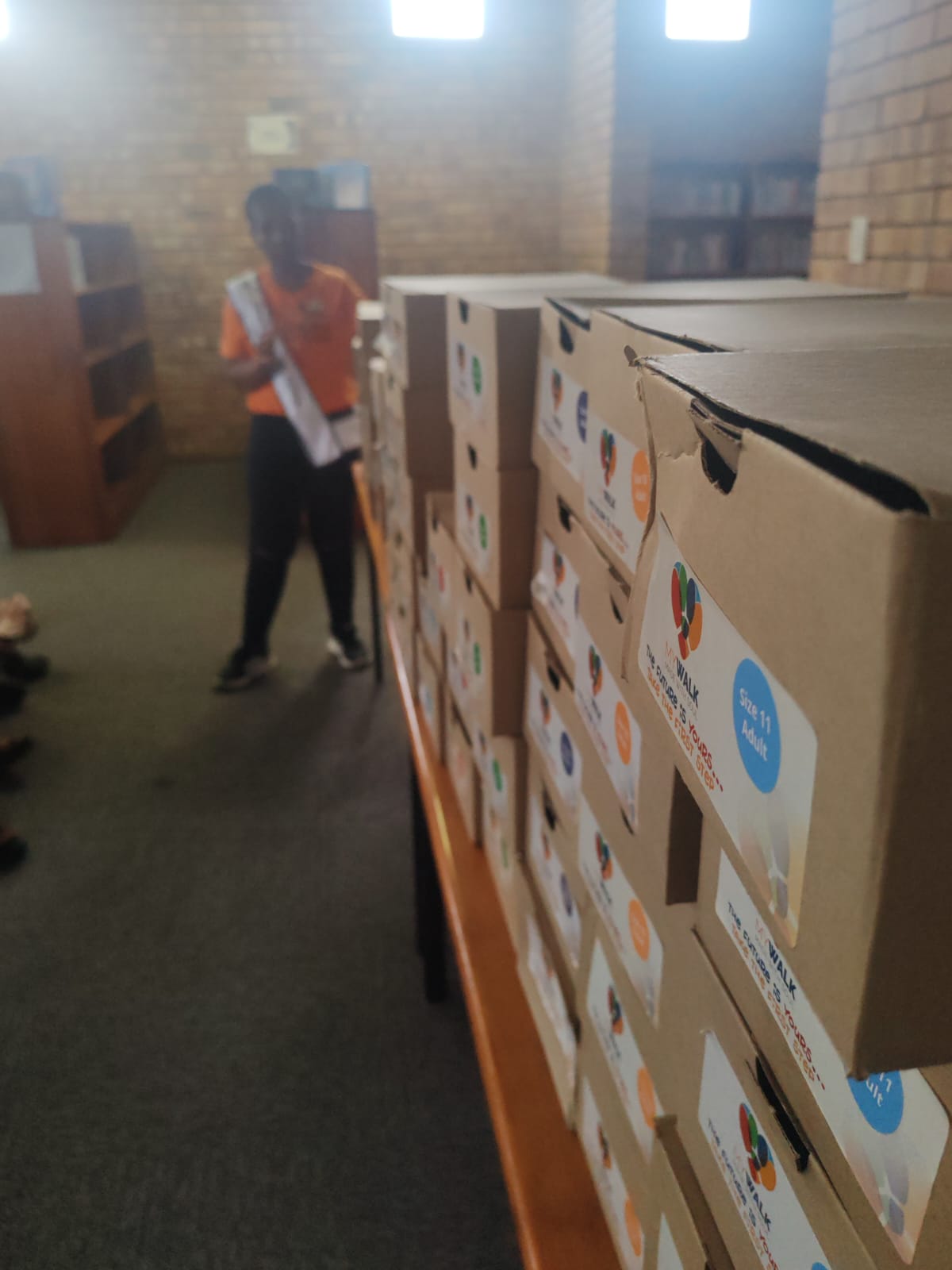
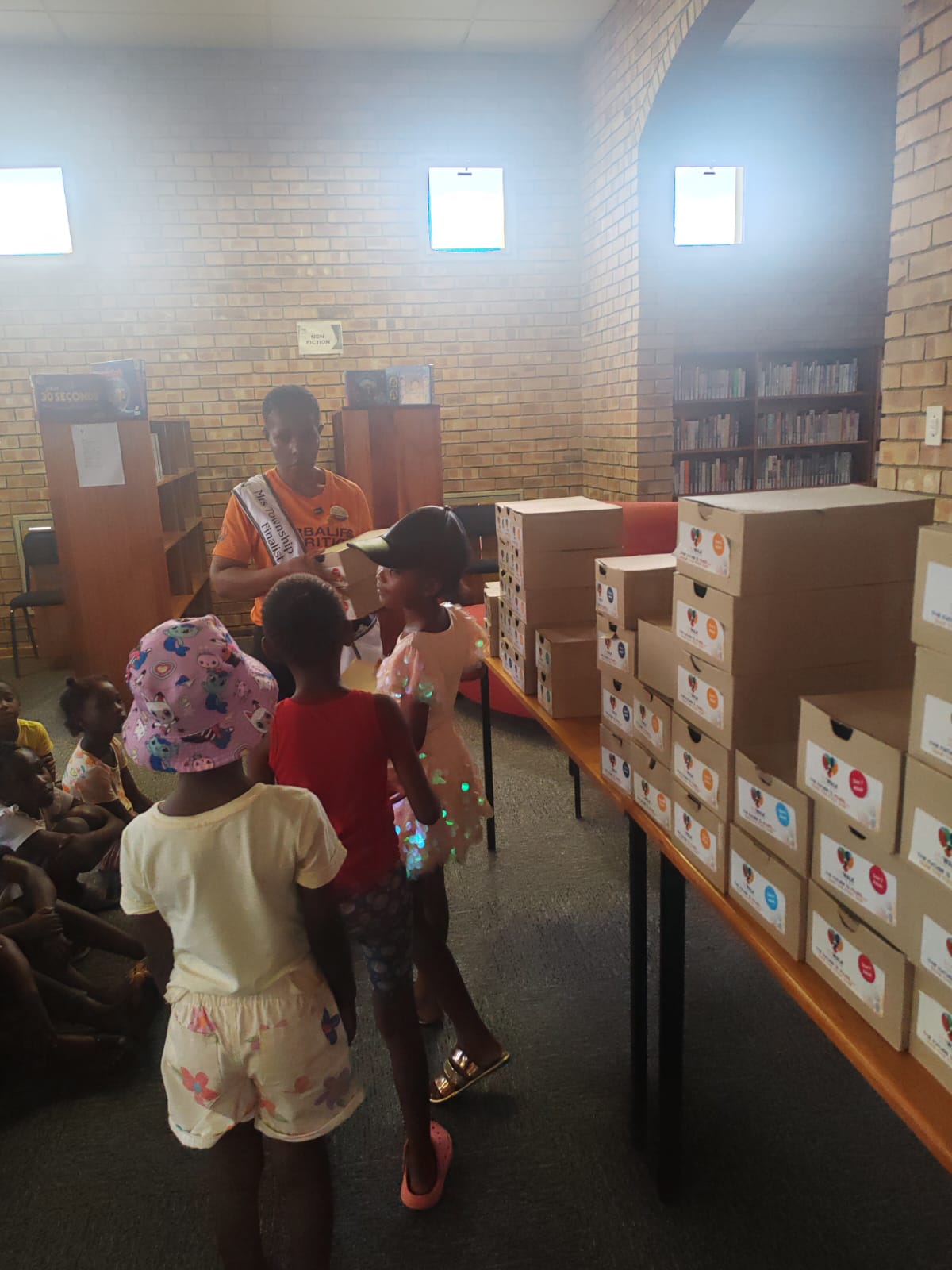
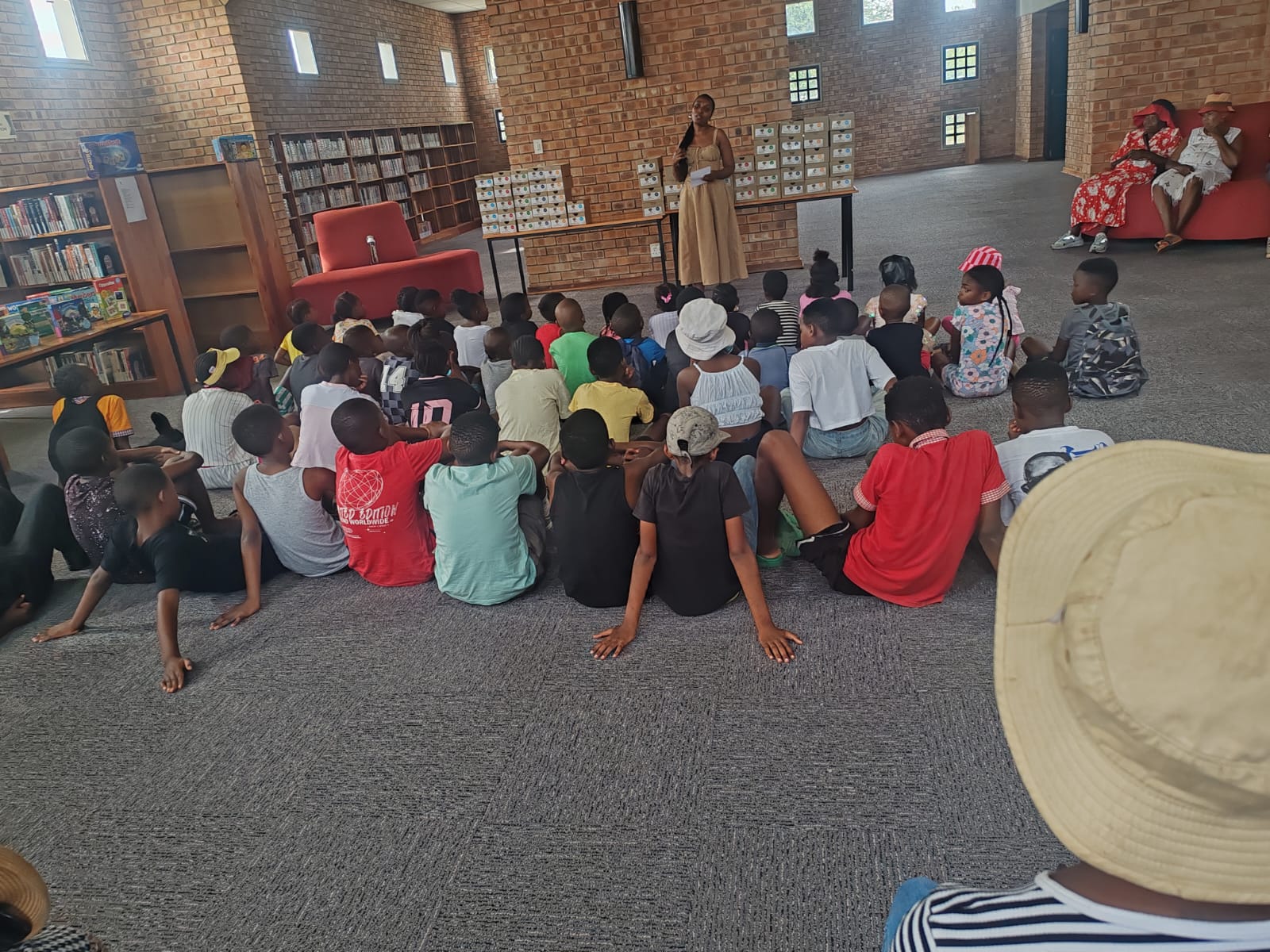
As the 2026 academic year begins, hope and compassion are taking root at Theresapark Primary School, thanks to the remarkable leadership of Mrs Nkone Maringa, a respected community member and Mrs Township South Africa Finalist 2026.
In a powerful demonstration of grassroots leadership and social responsibility, Mrs Maringa, in partnership with Theresapark Sasol Garage, spearheaded a community clean-up of the school’s garden area. The initiative was carried out in preparation for the school’s feeding scheme garden, which will support disadvantaged children with fresh, nutritious produce throughout the school year.
Planting Seeds of Change
The garden project goes beyond beautifying the school environment. It is designed to become a sustainable source of food for learners who rely on the school feeding programme as a vital lifeline. By preparing the land ahead of the school reopening, Mrs Maringa and her partners ensured that planting can begin immediately, setting the tone for a productive and caring 2026.
“This project is about dignity, nutrition, and giving our children a healthy start to the year,” the initiative reflects—aligning perfectly with Mrs Maringa’s long-standing commitment to community upliftment.
A Record of Community Impact
Mrs Nkone Maringa’s involvement at Theresapark Primary School is one of several impactful projects she has undertaken in her community. Known for her hands-on approach, she consistently mobilizes local businesses, volunteers, and stakeholders to address real needs—especially those affecting children, women, and vulnerable groups.
Her work embodies the core values of the Mrs Township South Africa platform: leadership, service, empowerment, and positive social change. As a finalist for the 2026 title, Mrs Maringa continues to prove that true leadership is measured not by titles alone, but by tangible impact on the ground.
Corporate–Community Partnership in Action
The collaboration with Theresapark Sasol Garage highlights the power of partnerships between local businesses and community leaders. Their support played a crucial role in making the clean-up initiative successful, demonstrating how corporate social responsibility can directly transform lives at a grassroots level.
Looking Ahead
With the garden now prepared, Theresapark Primary School is set to launch its feeding scheme garden as learners return for the new academic year. The project stands as a symbol of hope, resilience, and collective effort.
As Mrs Nkone Maringa continues her journey as a Mrs Township South Africa Finalist 2026, her work at Theresapark Primary School serves as a shining example of how passion, partnership, and purpose can create lasting change—one garden, one child, and one community at a time.
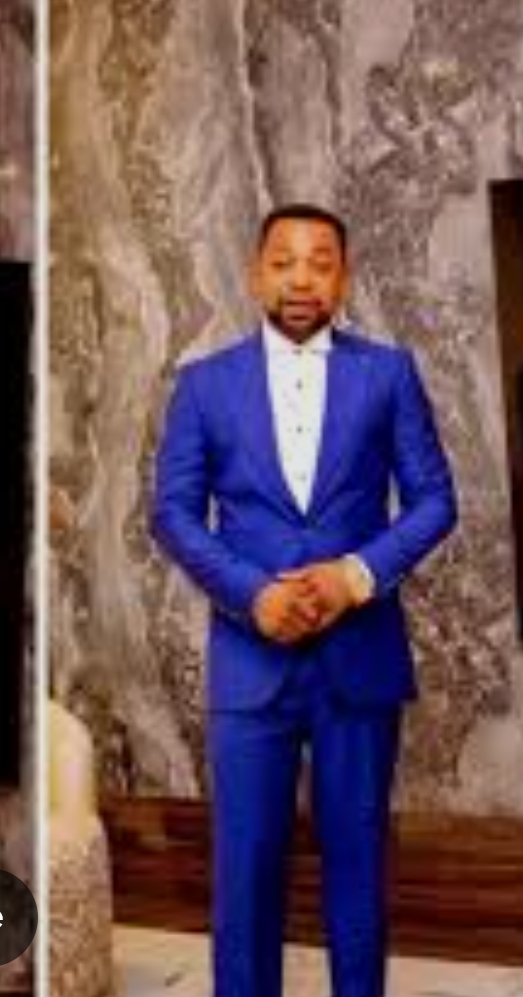
‘I Never Indicted Egbetokun’ — Jesam Michael Rebuts Sowore’s Allegations
Abuja — Businessman Jesam Michael has strongly refuted claims attributed to him in a recent report by activist and publisher Omoyele Sowore, describing the publication as false, misleading, and a total misrepresentation of his statements.
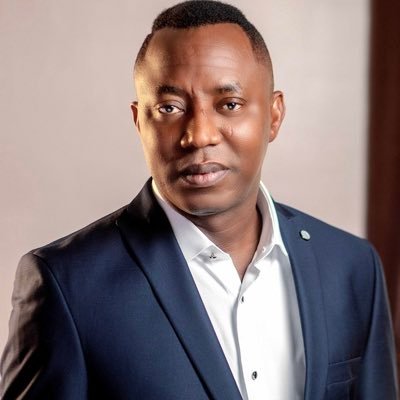
In an exclusive chat on Saturday, Michael denied ever making the allegations credited to him by Sowore concerning the Inspector-General of Police (IGP), Kayode Egbetokun, while both men were reportedly inmates at the Kuje Correctional Centre in October 2025.
Sowore, in a widely circulated account, claimed that Michael had alleged receiving operational support from senior police officers, including the provision of office space within the Nigeria Police Force Headquarters, police protection, and the use of officers to detain individuals connected to a purported Ponzi scheme. The report further alleged financial inducements involving senior police officers.
However, Michael dismissed the account as “entirely fabricated.”
“I never made those statements to Omoyele Sowore or to anyone else,” Michael said. “At no point did I accuse the Inspector-General of Police or any senior police officer of providing me with offices, police units, or protection. The claims attributed to me are false and malicious. I only met him briefly when he came to greet Nnamdi Kanu’s younger brother whom I share a block with here and there is no way we could have sat down to discuss such fabricated stories ”
Michael specifically rejected claims suggesting that he supported or “served” police officers, insisting that he never stated that he had any police unit at his disposal or that law enforcement personnel acted on his instructions.
“I never said I supported police officers or had officers working for me. That allegation did not come from me,” he said.
He also denied claims that his properties were shared among senior police officers, describing the allegation as baseless and untrue.
“At no time did I say that my properties were shared among police officers or anyone else,” Michael stated.
Additionally, Michael categorically refuted allegations credited to him that a retired Deputy Inspector-General of Police, Dasuki Galandanchi, collected ₦250 million or played any role in silencing victims.
“I never mentioned DIG Dasuki Galandanchi, nor did I accuse him or anyone else of collecting money. That statement was never mine,” he said.
Michael further alleged that Sowore, through intermediaries, had previously attempted to persuade him to publicly indict the IGP in exchange for media backing—an offer he said he firmly rejected.
“I was approached repeatedly through a lawyer called Marshall, allegedly acting on Sowore’s behalf, asking that I make statements against the IGP so an article could be published. I refused, and I believe this publication is retaliation for that refusal,” he stated.
According to Michael, he declined to entertain the lawyer again after the initial contact, insisting that he would not be used to advance any personal or political agenda.
Sowore had earlier narrated his detention following the #FreeNnamdiKanuNow protest, alleging harassment by police officers and accusing the IGP of acting unlawfully in office. His report cited conversations he claimed to have had with Michael during their time in custody as further evidence of alleged corruption within the Nigeria Police Force.
Michael, however, maintained that any legal issues surrounding him are already before the appropriate authorities and are being handled by the Economic and Financial Crimes Commission (EFCC).
“My case is before the law. I have not, and will not, make reckless allegations against individuals or institutions to gain favour or sympathy,” he said.
As of the time of filing this report, the Nigeria Police Force has not issued an official response to either Sowore’s allegations or Michael’s rebuttal.
The development adds a new layer to the ongoing public controversy surrounding Sowore’s claims against the police hierarchy, with Michael’s denial raising questions about the accuracy of statements attributed to private individuals in politically sensitive narratives.
Jesam Michael’s business challenges are currently being addressed at the federal high court as well as FCT high court Jabi. He is very confident that justice will surely be done at the end of the day.
Joining Sowore in his pursuit of cheap blackmail against the IGP, other senior police officers or anyone else has never and will never be a part of Jesam Michael.
To say the least, Jesam Michael is totally disgusted by the stories falsely peddled by Sowore and wishes to totally dissociate him self from the false and malicious stories told by Sowore.
Sowore should please look for another willing tool to use not Jesam Michael.
celebrity radar - gossips
When Power Meets Privilege: Controversy Trails the Rise of NNPC Gas Czar Lekan Ogunleye
When Power Meets Privilege: Controversy Trails the Rise of NNPC Gas Czar Lekan Ogunleye
Among many of Abraham Lincoln’s popular saying is that “If you want to test a man’s character, give him power.” This saying suggests power and affluence reveals a person’s true nature rather than changing it.
The saying might rightly describe one of NNPC limited eggheads, Lekan Ogunleye, who is the Executive Vice President, Gas, Power & New Energy.
It’s a matter of stating the obvious saying that the former Deputy Managing Director of Nigeria LNG Limited is a brilliant chap. He’s been equipped with significant industry experience in various aspects of the gas value chain, he was made the Managing Director and Chief Executive Officer of Gas Aggregation Company Nigeria Limited (GACN),a firm set up by Federal Government of Nigeria to implement the Nigerian Gas Master Plan and manage domestic supply of gas.
But with all of these achievements, many alleged that a thorn in the flesh that lives with Mr Ogunleye is his fondness for the other gender. Sources close to him alleged that he invests millions in satisfying his cravings to invite them from around the world in different sizes and shapes on regular basis.
Information gathered has it that like many of his class, he has a permanent suite in a luxurious hotel on Lagos Island where he entertains them, it was alleged that his arrangements even provides luxurious treatment for them even when he’s not in town. A recent case of such was when he travelled to UAE during last year December with his family, sources close to him alleged that while he was away, ladies invited from Indonesia and Rwanda were receiving royal treatment in this permanent suite which cost over half a million Naira per night.
The sources also alleged that he’s known to relish his fetish practices with two ladies at the a time, and to watch them play with themselves before joining in the fun.
While his personal life may not be that important, how he was able to sustain such an expensive lifestyle, was scrutinize and it was alleged that he regularly receives kickbacks from NNPC vendors and contractors, especially the foreign partners who have been awarded contracts worth millions of dollars through his assistance.
Some of his close allies alleged that power that his privileged office brought was responsible for his insatiable desires for the opposite sex a situation that led to the collapse of his first marriage before he remarried a few years ago.
In other to establish the true state of things, a query was sent to him especially about the allegation of financial irregularities and the abuse of power and privileges for personal enrichment, the query was left unanswered after more than two weeks even when receipt was confirmed.nleye


-
 celebrity radar - gossips6 months ago
Why Babangida’s Hilltop Home Became Nigeria’s Political “Mecca”
-

 society6 months ago
Power is a Loan, Not a Possession: The Sacred Duty of Planting People
-
 news6 months ago
THE APPOINTMENT OF WASIU AYINDE BY THE FEDERAL GOVERNMENT AS AN AMBASSADOR SOUNDS EMBARRASSING
-

 Business6 months ago
Batsumi Travel CEO Lisa Sebogodi Wins Prestigious Africa Travel 100 Women Award
You must be logged in to post a comment Login