
Uncategorized
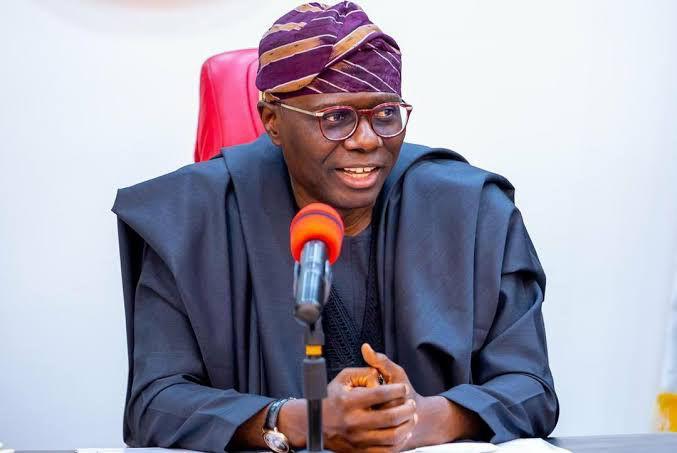
9 Political Parties Step Down For Sanwo-Olu

9 Political Parties Step Down For Sanwo-Olu
SANWO-OLU– Barely five days to the gubernatorial election, nine governorship candidates and the leadership of their political parties in Lagos State have stepped and declared support for Governor Babajide Sanwo-Olu.
The candidates under the auspices of Alliance of Registered Political Parties, formally endorsed and declared their support for the re-election bid of Sanwo-Olu and his Deputy, Dr. Obafemi Hamzat in the March 18 governorship election in the state in view of his achievements in the last four years.
The political parties included the Young Progressive Party, (YPP), APP, Action Democratic Party (ADP), Allied Peoples Movement (APM), Zenith Labour Party (ZLP), Social Democratic Party (SDP), New Nigeria Peoples Party (NNPP), NRM and Peoples Redemption Party (PRP), at an event held in Lagos.
According to them, Lagos State was best in the hands of a competent and experienced leader like Governor Babajide Sanwo-Olu.
Speaking on behalf of the political parties, governorship candidate of YPP in Lagos state, Adebayo Ajayi, said “We are here to make known our minds on the forthcoming election in Lagos state.
“I wish to welcome you to all this gathering convened by the Alliance of Registered Political Parties (ARPP) comprising nine registered political parties namely APP, ADP, APM, NRM, YPP, NNPP, ZLP, SDP and PRP, to formally declare our support for Governor Babajide Sanwo-Olu for another term of office.
“ARPP is a group of nine committed and patriotic registered political parties in Lagos State that is interested in the good works of the state government under Governor Babajide Sanwo-Olu and desire continuity and realisation of the dream Lagos of this administration.
“We reached this decision sequence to our thorough analysis of all the good works and rapid development in Lagos.
“We cannot sacrifice the various landmark achievements of the present administration scattered in the state on the altar of the bitter politicking.
“The governor’s consistency as a progressive democrat is worthy of commendation and continuity. He has delivered on his social contract to the good people of Lagos state.
“It makes a whole lot of sense for Lagos State to be in tune with Asiwaju Bola Tinubu’s presidency at a time like this to achieve our age long desires and lofty aspirations.
“From this end, the governorship candidates of the Alliance namely governorship candidate of YPP, Ajayi Adebayo, Chief Adeyemi Abiola (APP), Adenipekun Adekunle (ZLP), Kupoluyi Funmi, (APM), Ishola Bamidele, (ADP), are stepping down their governorship ambitions to declare their support for Governor Babajide Sanwo-Olu.
“This support is borne out of love and desire for a greater Lagos which BOS has set the pace and serve to drive it to fruition.
“We however wish to seize this opportunity to inform and urge all our supporters across Lagos State to vote massively on Saturday, March 18, for Babajide Sanwo-Olu as governor and his deputy, Obafemi Hamzat for second term.”
Also speaking at the official endorsement, ZLP Lagos state chairman, Adekunle Adenipekun said the endorsement became necessary to continuity and greater Lagos.
He said, “History is taking place today. Today is the day when political parties in Lagos come together to make history as political parties officially declared their support for the re-election of Governor Babajide Sanwo-Olu and his deputy, Dr Obafemi Hamzat.”
Meanwhile, the Chief Press Secretary to Governor Sanwo-Olu, Gboyega Akosile, has said the decision of Sanwo-Olu to seek second term in office, was to consolidate on his achievements and performance in Lagos.
He described Sanwo-Olu as the most experienced among all the governorship candidates in Lagos State.
In an article he penned, Akosile wrote: “Sanwo-Olu, an exemplary public sector reformer and astute politician, known for his love and passion for the public service, has shown leadership in Lagos by giving the electorate a great deal in steering the ship of the nation’s commercial city in the right direction.
“As the 15th Lagos Governor, and having worked closely with three previous governors – Asiwaju Bola Tinubu, Babatunde Raji Fashola, and Akinwunmi Ambode in different capacities, Sanwo-Olu understands the State and the various challenges facing the mega city.
“His knowledge of challenges confronting residents made his administration to adopt a six pillars policy programme tagged T.H.E.M.E.S in solving the identified problems through good governance. The six pillars are; Traffic Management and Transportation; Health and Environment; Education and Technology; Making Lagos a 21st Century state; Entertainment and Tourism; Security and Governance. Each of these six pillars is carefully thought-out as the Government’s priorities in delivering solutions across sectors.”
According to him, Sanwo-Olu, in his speech at the swearing-in on May 29, 2019, spoke passionately about his plans for the State, especially his dream of building a Greater Lagos.
“This passion seemed to have motivated his quest for good governance. The governor, without any iota of doubt, has delivered significantly on his campaign promises during his first term in office. His achievements are visible in different sectors and have been commended by people within and outside the state.
“A little above seven months when the Sanwo-Olu administration had barely settled down, COVID-19 pandemic ravaged the entire world and Lagos became an epicentre of the airborne disease.
“The governor showed leadership in rising up to the occasion and responding to the pandemic. As Incident Commander, he protected the citizens of the state by ensuring that the ravaging infection was well managed.
“Sanwo-Olu, with the assistance of his Commissioner for Health, Prof. Akin Abayomi, and other stakeholders controlled the spread and ensured that those who contracted the virus were well attended to. He was the first governor to come up with a clearly defined containment strategy and response, which was later adopted by the presidency for the national response plan.
“This intervention by the Sanwo-Olu administration made Nigeria the fourth best country in the world which impressively curbed the spread of the COVID-19 virus according to the World Health Organisation (WHO).”
He pointed out that Sanwo-Olu also displayed great leadership during the #EndSARS demonstration, a youth-motivated civil action against police brutality, which was later hijacked by hoodlums.
“The campaign, which started peacefully, turned violent after it was hijacked, leading to violence and destruction of many private and public properties in Lagos State. Rather than allowing Lagos to be brought to its knees by the ugly incident, Sanwo-Olu rose up to the challenge by championing “Rebuild Lagos” plan.
“The administration’s traffic management and transportation blueprint has significantly brought the dream of Lagos to have an efficient and reliable intermodal system of transportation to a reality.
“Sanwo-Olu’ government has invested hugely in waterways and a light rail system as alternatives to road transportation.
“The Governor’s administration started the 37-km Red Line rail project from the scratch and the project is at completion stage. At full operation, the Red Line will move about a million passengers daily.
“The administration also injected huge resources into the 13-km Blue Line rail, commissioned in January by President Muhammadu Buhari, to ensure mass mobility from Mile 2 axis into the Island.
“To ease traffic gridlock in the metropolis, Sanwo-Olu’s administration built and completed Agege-Pen Cinema dual carriage flyover with adjoining roads in Agege, and also commissioned the Lagos-Ogun network of roads with bridge in Agbado-Oke Odo LCDA.
“He also carried out Junction Improvements and Reconfiguration at the 18 traffic spots, including first and second Lekki Roundabouts, Allen Avenue, Ajah and Igando. All these are done to reduce traffic gridlock in the state.”
He pointed out that in the last three and half years, Sanwo-Olu had constructed and rehabilitated over 1,000 roads while others were at various stages of completion.
“The plan for construction of the 4th Mainland Bridge is also on course. The incumbent administration also started the Opebi-Ojota Link Bridge, which is expected to be completed this year. “The First phase of the six-lane rigid-pavement 18.75km Lekki-Epe Expressway, stretching from Eleko Junction all the way to Epe T-junction, is completed and delivered to the good people of Lagos residing in the Lekki-Epe axis.
“The Sanwo-Olu administration has also provided thousands of LAGRIDE cars, First and Last Mile buses, and Large Capacity buses and boats for waterways to ease transportation in Lagos.
“Sanwo-Olu believes no resources should be spared in providing quality health care to the residents, which is why the State Government delivered secondary health facilities, such as Mother and Child Centers (MCCs) in Eti-Osa, Igando, Epe and Badagry. Lagos Government is building New Massey Children Hospital, which will be the biggest children hospital in West Africa. There is also an ongoing construction of General Hospital in Ojo and development of a mental health facility in Ketu Ejinrin,” he said.
Continuing, he stated: “Lagos State Polytechnic (LASPOTECH) and Lagos State College of Education (LACOED) have been upgraded to universities. Lagos now has three State-owned universities, courtesy of Sanwo-Olu’s education reforms.
“It should be noted that there has been no disruption of academic activities across Lagos’ tertiary institutions since Sanwo-Olu took over; all issues that relate to students, staff and lecturers’ welfare are promptly attended to.
“One of the cardinal programmes of the Governor is Making Lagos a 21st-century economy. In this regard, Sanwo-Olu has recorded a milestone in provision of requisite infrastructure. The recent handover of Lekki Deep Seaport project is a pointer to this. Lagos has also secured an approval for the development of Badagry Port and an international airport in Lekki. All of these will boost Lagos’ economy when completed.
“Governor Sanwo-Olu has also made significant progress in Housing sector, as the administration commissioned over 7,000 flats in about 17 housing units in different parts of the state in the last three and half years, while more housing schemes are expected to be delivered in the coming months.
“The Sanwo-Olu administration has done so much in the area of agriculture and food security, with initiatives such as the Agro Processing, Productivity Enhancement and Livelihood Improvement Support (APPEALS) Project, designed to build the capacity of players in the rice, aquaculture and poultry value chains.
“The government has also strengthened the capacity of farmers through the Lagos Agripreneurship Programme (LAP), the Sea Food Festival and the Eko City Farmers Food Market.”






Uncategorized
When Faith Becomes Fury: The Arrest That Exposed a Deadly Rift in Spiritual Leadership
When Faith Becomes Fury: The Arrest That Exposed a Deadly Rift in Spiritual Leadership
— A Report by George Omagbemi Sylvester
“How a Cleric’s Alleged Plot to Hire Cult Killers for a Rival Prophet Reveals Deeper Cracks in Religious Authority and Social Order.”
In a nation where faith can elevate leaders to positions of profound influence, a disturbing law enforcement action has exposed the darkest potential of spiritual rivalry. Recently in Bayelsa State, security operatives intervened to prevent an assassination rooted not in political ambition, but in the toxic collision between religious authority and violent underground networks. What unfolded is more than a sensational crime story. It is a stark indictment of leadership devoid of moral compass, a chilling warning about the weaponisation of faith for personal gain and a societal challenge that demands sober reflection and decisive action.
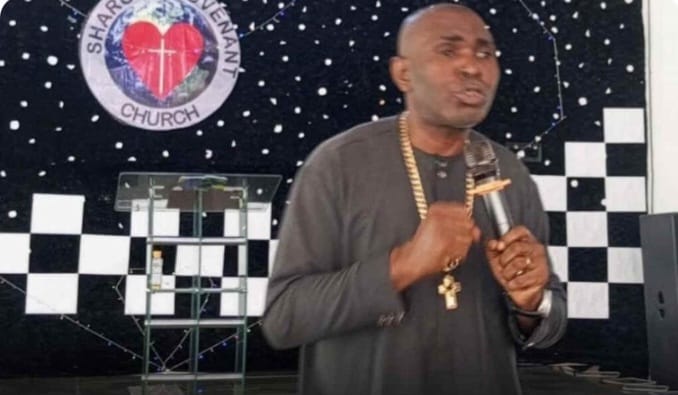
Operatives from the Special Weapons and Tactics Unit of the Bayelsa State Police Command arrested Pastor Elijah Oro, a clergyman originally from Delta State. Authorities allege that Oro contracted a young man embedded in a notorious criminal brotherhood. (known as the Greenlanders confraternity) to carry out a deadly mission against a rival prophet. The pastor and the alleged hitman were taken into custody after credible intelligence led police to foil what they believe was an imminent assassination attempt.
According to official statements, the clandestine plan stemmed from a dispute over church membership and property, a conflict that escalated beyond factional disagreement into a plot to extinguish a human life. Police spokespersons revealed that the suspect recruited to carry out the attack confessed membership in the Greenlanders confraternity upon arrest at the intended victim’s premises.
The very idea that a man of God could be accused of orchestrating murder to settle a spiritual rivalry is jarring. It challenges the fundamental expectation that religious leadership embodies peace, justice, and selfless service. As Dr. Mercy Adediran, a scholar of theology and ethics, explains, “Religious leadership carries with it an obligation to model higher moral character. Faith communities thrive when leaders prioritize reconciliation, not retribution. When those leaders abdicate moral responsibility, the entire fabric of trust unravels.” Adediran’s observation resonates far beyond the immediate case; it points to a systemic vulnerability where spiritual authority meets raw human ambition.
In many societies, faith leaders are entrusted with the spiritual wellbeing of entire communities. They are expected to counsel parishioners in matters of conscience, to guide the vulnerable toward ethical choices, and to wield influence responsibly. When leaders violate that trust (particularly through violence) the consequences ripple far beyond the courtroom. “Leadership is not merely a platform for personal influence,” notes Professor Kunle Oladipo, a sociologist specialising in religious movements. “It is a public trust. When that trust is weaponised for personal disputes, the damage to societal cohesion can be profound and long-lasting.”
This latest arrest is not an isolated anomaly. Across regions where criminal cults and confraternities have taken root, authorities continue to grapple with the unpredictable intersections of underground violence and mainstream society. In Bayelsa, recent history has included episodes of cult-related violence that left communities shaken. These clashes underline how easily organised criminal networks can entangle with broader community life, especially where economic hardship and youth unemployment leave gaps that illicit groups exploit.
Experts emphasise that the problem is not inherent to religious institutions, but arises when the moral authority invested in those institutions is misused. “The tragic irony,” states Dr. Adediran, “is that religious communities have the potential to be powerful agents for conflict resolution. Though when leaders themselves become embroiled in violence, it erodes the very foundation upon which faith stands.”
Law enforcement officials have underscored their commitment to protecting lives and preventing further escalation. Following the arrests, they urged the public to continue providing credible information that can aid in preserving peace and thwarting threats to public safety. The ongoing investigation seeks to clarify whether the alleged plot was an isolated attempt or part of a wider pattern involving third parties.
Beyond law enforcement, this incident raises vital questions about accountability within religious communities. How do congregations hold their leaders responsible when allegations of misconduct surface? What structures exist to ensure transparency in church governance and in the resolution of conflicts that arise within and between congregations? Since violence and criminality contradict the core teachings of mercy, compassion and stewardship that undergird most religious traditions, addressing such questions is not merely administrative; it is essential to preserving the moral legitimacy of spiritual leadership.
Prominent commentators in religious ethics remind us that power without accountability is a breeding ground for corruption. As Professor Oladipo points out, “Whenever influence is concentrated without appropriate checks, the risk of abuse escalates. Faith leaders are no exception. If anything, they require stronger ethical scrutiny precisely because of the profound impact they have on individuals’ lives and societal values.”
For everyday citizens (especially those who dedicate their lives to worship and community service) this story can be deeply unsettling. It forces a reckoning with uncomfortable truths about human nature, organisational structures, and the seductive lure of power. Yet it also offers an opportunity for collective reflection and reform. Civil society organisations, interfaith coalitions, and religious councils play indispensable roles in championing ethical standards and condemning violence unequivocally, regardless of the social status of those accused.
Religious institutions capable of self-critique and internal accountability can turn even this dark moment into a catalyst for renewal. “Reformation begins where there is courage to acknowledge faults,” says Dr. Adediran. “Communities must demand integrity from their leaders. Silence in the face of wrongdoing, especially by those claiming spiritual authority, only enables further harm.”
As the legal process unfolds, the accused remain subjects of ongoing police investigation. In the court of public opinion and within the court of conscience, the allegations have already sparked intense debate about the moral responsibilities of those who claim to speak for the divine.
This case stands as a sobering reminder: when spiritual leadership is co-opted for personal vendettas or political influence, the consequences can tear at the core of communal trust. When faith is misused to cloak violent intent, the very foundations of moral authority are undermined. Yet, in confronting these failings head-on, society affirms a deeper commitment to justice, compassion and the right to life, values that transcend the boundaries of creed and culture.
In a world rife with conflict and competition, religious leaders must be held to the highest ethical standards precisely because their influence shapes the hearts and minds of many. When that influence turns violent, it diminishes all of us. The arrest in Bayelsa should provoke not only legal scrutiny but also profound introspection on how communities select, empower and hold accountable those who claim to lead them spiritually.
What happened here is more than a crime story. It is a mirror reflecting the stakes of moral leadership in any society claiming to value the sanctity of life, the rule of law and the dignity of every human being.
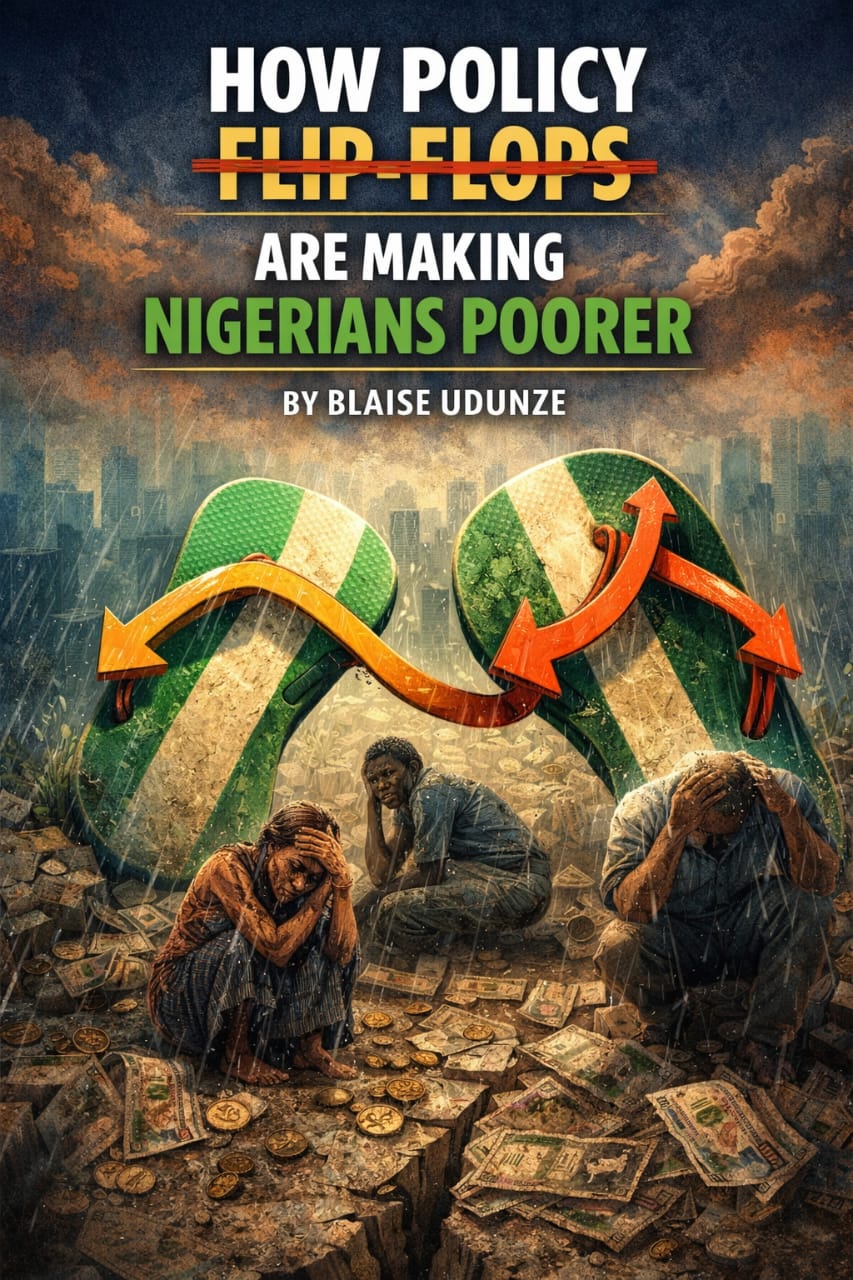
How Policy Flip-Flops Are Making Nigerians Poorer
By Blaise Udunze
Nigeria’s deepening poverty crisis is no longer speculative; it is now statistically inevitable. Although the latest Consumer Price Index figures released by the National Bureau of Statistics (NBS) suggest that headline inflation is cooling and growth indicators show tentative improvement, regrettably, more Nigerians are slipping below the poverty line. Reviewing the recent projections from PwC’s Nigeria Economic Outlook 2026, it is alarming, which reveals that no fewer than two million additional Nigerians are expected to fall into poverty next year. This is expected to push the total number of poor people to about 141 million, roughly 62 percent of the population and the highest level ever recorded in the country’s history.
This grim outlook persists despite eight consecutive months of easing inflation and modest economic recovery, and as one can perceive, the contradiction is telling. The fact remains that macroeconomic signals are improving on paper, yet lived reality continues to deteriorate. It is glaring that the widening gap between policy metrics and human outcomes exposes a deeper truth in the sense that Nigeria’s poverty crisis is not simply the product of external shocks or temporary adjustment pains. It is the cumulative result of fragile policymaking, inconsistent reforms, weak institutional coordination, and a failure to sequence economic changes with adequate social protection. With these, it becomes clearer that poverty in Nigeria is no longer an unintended side effect of reform; it is increasingly its most visible outcome as identified today.
It would be recalled that the current administration in 2023, when it assumed office, promised a bold economic reset. At this point, the nation witnessed the fuel subsidy removal, exchange-rate liberalisation, and tighter fiscal discipline being introduced swiftly and applauded internationally for their courage and long-term logic. Notably, these reforms unleashed an economic storm whose aftershocks continue to batter households and currently resulting to the cost of a bag of rice that sold for about N35,000 two years ago now costs between N65,000 and N80,000, while a crate of eggs has risen from N1,200 to over N6,000 and basic staples like garri, tomatoes, and pepper have drifted beyond the reach of ordinary Nigerians. For millions, the economy did not reset; it snapped.
Inflation, often described by economists as a “silent tax,” has punished productivity, mocked thrift, and rewarded speculation.
Reports from the NBS’s December 2025 disclosed that headline inflation eased to 15.15 percent and according to it, this is due to a rebasing of the Consumer Price Index, down sharply from 34.8 percent a year earlier, this statistical moderation has brought little relief to households. Food inflation, at 10.84 percent year-on-year, and a marginal month-on-month decline may look reassuring on spreadsheets, but for families spending 70 to 80 percent of their income on food, such figures feel detached from reality. These figures are not only implausible but also insulting to those whose lives have been torn apart by the skyrocketing prices. With the realities facing the larger populace, Nigeria must be using another mathematics.
Nigeria may have changed its base year, but it has not changed the harsh arithmetic of survival.
PwC’s data underscores this disconnect, as nominal household spending rose by nearly 20 percent in 2025, real household spending contracted by 2.5 percent, reflecting the erosive impact of rising food, transport, and energy costs. The painful part of it, is that Nigerians are spending more money to consume less, and this is to say that growth, hovering around 4 percent, is not strong enough to absorb shocks or lift households meaningfully. As analysts note, Nigeria would require sustained growth of 7 to 9 percent to make a significant dent in poverty. That is to say that anything less merely slows the descent.
The structural weakness of the economy is compounded by policy inconsistency. Nigeria’s economic landscape is littered with abrupt shifts, subsidy removals without buffers, currency reforms without stabilisation mechanisms and trade policies that oscillate between restriction and openness. For households and small businesses, which employ most Nigerians, this unpredictability makes planning impossible. The economy has constantly being faced with price volatility, income shocks, and lost jobs because these are the ripple effects of every policy reversal. Uncertainty itself has become a poverty multiplier.
Nowhere is this fragility more evident than in food systems and rural livelihoods, and this has been where insecurity has merged with policy failure to create a new poverty spiral. Across farmlands in the North and Middle Belt, crops rot unharvested as banditry and insurgency force farmers off their land. Nigeria’s largely agrarian economy has been crippled by violence that disrupts planting cycles, destroys infrastructure, and displaces communities. The result is both income poverty for farmers denied access to their livelihoods and food inflation that erodes purchasing power nationwide.
For record purposes, earlier last year, the NBS Multidimensional Poverty Index showed that 63 percent of Nigerians, about 133 million people, are multidimensionally poor, with poverty heavily concentrated in insecure regions. Findings showed that about 86 million of the poor live in the North, and this is where insecurity is most severe. This record showed that rural poverty stands at 72 percent,c compared to 42 percent in urban areas, and while the states most affected by banditry and insurgency record poverty rates as high as 91 percent. Insecurity is no longer just a security problem; it is one of Nigeria’s most powerful poverty drivers.
The economic cost of insecurity in Nigeria today is staggering. This is because the conservative estimates suggest Nigeria loses about $15 billion annually, which is roughly equivalent to N20 trillion, due to insecurity-induced disruptions across agriculture, trade, manufacturing, and transportation. At the same time, security spending now consumes up to a quarter of the federal budget. In just three years, over N4 trillion has been spent on security, which crowded out investment in health, education, power, and infrastructure. Every naira spent managing perpetual violence is a naira not invested in preventing poverty, even as poverty deepens, the state’s fiscal response reveals a troubling misalignment of priorities. The 2026 federal budget, estimated at N58.47 trillion, ironically allocates just N206.5 billion to projects directly tagged as poverty alleviation and this only amounts to about 0.35 percent of total spending and less than one percent of the capital budget. In a country where over 60 percent of citizens live below the poverty line, this allocation borders on policy negligence.
Worse still, over 96 percent of this already meagre poverty envelope sits under the Service Wide Vote through the National Poverty Reduction with Growth Strategy, largely as recurrent provisions. All ministries, departments, and agencies combined account for barely N6.5 billion in poverty-related projects. This fragmentation reflects a deeper institutional failure, that is to say, poverty reduction exists more as a line item than as a coherent national mission.
Where MDA-level interventions exist, they are largely palliative and scattered, grain distribution in select communities, tricycles and motorcycles for empowerment, and small scale skills acquisition for women and youths. The largest such project, a N2.87 billion tricycle and motorcycle scheme under a federal cooperative college, accounts for nearly half of all MDA-based poverty spending. The fact remains that the various interventions may offer temporary relief, and they do little to address structural drivers of poverty such as job creation, productivity, market access and human capital development.
Even the Ministry of Humanitarian Affairs and Poverty Alleviation illustrates the problem just as its budget jumped sharply in 2026, much of the increase went into administrative and capital items, office furniture, equipment, international travel, retreats, and systems automation rather than direct poverty-fighting programmes. This reflects a familiar Nigerian paradox: institutions grow, but impact shrinks.
International partners have been blunt in their assessments. The World Bank estimates that Nigeria spends just 0.14 percent of GDP on social protection, which is far below the global and regional averages. Only 44 percent of safety-net benefits actually reach the poor, rendering the system inefficient and largely ineffective. PwC similarly warns that without targeted job creation, productivity-focused reforms, and effective social protection, poverty will continue to rise, undermining domestic consumption and straining public finances further.
Fiscal fragility compounds the crisis. The N58.18 trillion 2026 budget carries a deficit of N23.85 trillion, with debt servicing projected at N15.52 trillion, nearly half of expected revenue. The public debt has ballooned to over N152 trillion. The contradiction here is that Nigeria is borrowing not to expand productive capacity but to keep the machinery of government running. The truth is not far-fetched because, as debt crowds out development spending, households are forced to pay privately for public goods, education, healthcare, water, deepening inequality and entrenching poverty across generations.
To be clear, not all signals are negative. This is because opportunities exist if reforms are sustained and properly sequenced. Regional trade under the African Continental Free Trade Area could diversify exports and create jobs. But reform momentum without inclusion and institutional capacity risks becoming another missed opportunity.
This is the central tragedy of Nigeria’s moment. The country is attempting necessary reforms in an environment of weak buffers, fragile institutions, and low trust. Poverty is therefore not accidental. It is the predictable outcome of inconsistency, reforms without protection, stabilisation without security, and budgets without people.
Nigeria faces an undeniable choice. It can continue down a path where fragile policies deepen deprivation and erode trust, or it can build a disciplined, coordinated framework that aligns reforms with social protection, security, and inclusive growth. Poverty is not destiny. But escaping it requires more than courage in reform announcements; it demands consistency, compassion, and the political will to place human welfare at the centre of economic strategy.
Blaise, a journalist and PR professional, writes from Lagos and can be reached via: [email protected]
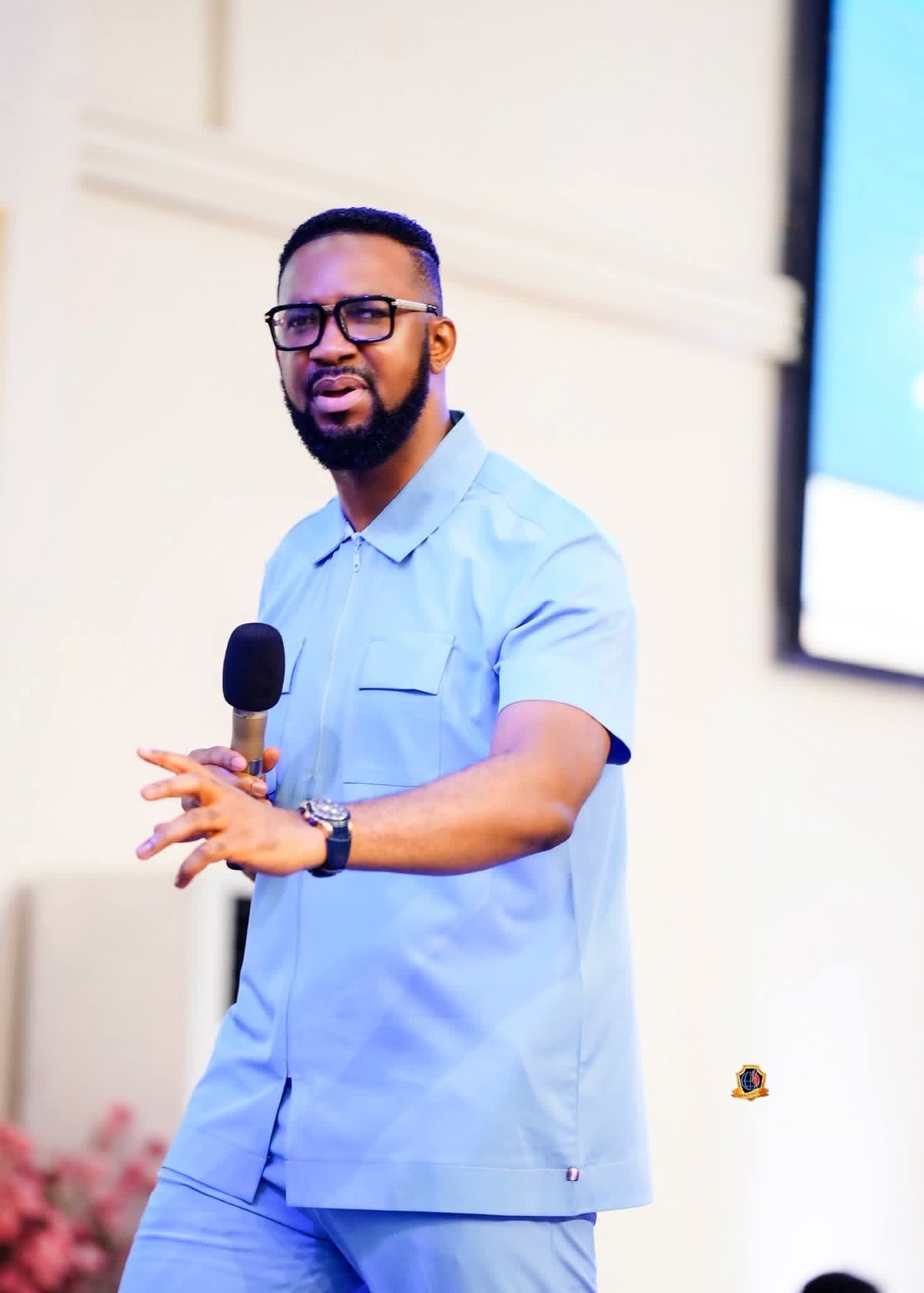
Dr. Chris Okafor: A Philanthropist Par Excellence and a Man of Prayer
By Sunday Adeyemi, Society Herald
One constant in human life is change. However, when it comes to the daily life and ministry of renowned Nigerian clergyman and Senior Pastor of Grace Nation International, also known as Liberation City, Dr. Chris Okafor, one attribute remains unwavering—his deep and uncompromising devotion to prayer.
Dr. Okafor is a man whose life revolves entirely around prayer. He prays while living, eating, traveling, and ministering. Remarkably, except during church services or official engagements, he devotes an average of eight to ten hours daily to prayer. This disciplined prayer life forms the bedrock of his ministry and has been the guiding principle through which he overcomes challenges and continues to thrive. Indeed, he prays as though there is no tomorrow.
Those who associate closely with him understand that prayer is non-negotiable in his life. For members of Grace Nation worldwide, prayer is not merely encouraged—it is a way of life. Grace Nation citizens are known for their strong prayer culture, as prayer remains their primary spiritual weapon. As scripture affirms, prayer has the power to turn unexpected challenges into testimonies and breakthroughs.
Returning to the Set Man of Grace Nation Worldwide, Dr. Chris Okafor is widely acknowledged as a dedicated prayer warrior. His lifestyle of prayer has been affirmed repeatedly by fellow men of God who have encountered him personally.
One of his closest covenant brothers recently shared a testimony during a flagship Grace Nation conference in Lagos.
He recounted traveling with Dr. Okafor to the United States for a major conference. On the morning of the event, after preparing to depart early, he knocked on Dr. Okafor’s door—only to discover that the Generational Prophet was still deeply engaged in prayer. When the door was eventually opened, Dr. Okafor explained that he was preparing spiritually ahead of the conference. The covenant brother described the experience as a clear demonstration of an uncommon prayer life.
Another testimony came from Pastor Wilfred, the South Africa branch pastor of Grace Nation. He described Dr. Okafor as a man who never compromises prayer regardless of circumstances. According to him, even while traveling, Dr. Okafor prioritizes prayer over rest. He narrated a particular experience in South Africa where Dr. Okafor was scheduled to minister at 9:00 a.m. The previous night, Pastor Wilfred left him early to allow him to rest. However, repeated calls went unanswered as Dr. Okafor had already commenced prayer.
The following morning, upon arriving to pick him up, Pastor Wilfred heard prayers from behind the door. After waiting for over an hour, he joined in the prayers. It was only after several more hours that Dr. Okafor opened the door—having not slept throughout the night. Such accounts underscore his unwavering commitment to prayer, earning him the reputation among his peers as a true prayer warrior.
Dr. Okafor’s prayer life has also resulted in numerous testimonies. Many attest that while praying, God speaks to him directly, providing divine direction and intervention. There have been accounts of miraculous breakthroughs through prayers conducted over the phone and even across distances.
In one instance, a woman who had been in labor for over three hours contacted Dr. Okafor, who prayed for her, and she delivered immediately.
In another testimony, a man who had been kidnapped for 80 days was released without ransom after Dr. Okafor prayed. Similarly, a young man who had been wrongly detained for nearly four years was freed the same day Dr. Okafor prayed concerning his case. The matter was reviewed, leading to his release and compensation for wrongful detention.
Beyond prayer, Dr. Chris Okafor’s life of philanthropy continues to leave an indelible mark on society. In Part One of this series, attention was drawn to his immense humanitarian efforts through the Chris Okafor Humanity Foundation, particularly in supporting widows, providing scholarships for the less privileged, and transforming the host community of Grace Nation International Headquarters in Lagos.
In Part Two, focus will be placed on his contributions to youth talent discovery—especially in sports—artisan empowerment, support for victims of xenophobic attacks in South Africa, and sustained monthly outreach to homes of the less privileged in Lagos.
Dr. Okafor’s philanthropic vision transcends human imagination. One of his core missions is to deliver people from the grip of darkness and empower them to become productive individuals within society. This vision is actively pursued through the Chris Okafor Humanity Foundation, which operates both locally and internationally.
During the xenophobic crisis in South Africa, Dr. Okafor personally traveled to Johannesburg to console and encourage Nigerian victims. Through his foundation, millions of naira were donated to support medical treatment and rehabilitation—an act of compassion worthy of emulation.
The foundation has also invested significantly in youth development through Liberation City FC, discovering and nurturing football talents. To date, more than five players trained by the foundation are currently plying their trade with major football clubs abroad.
Artisan empowerment remains another major achievement. Over 2,000 artisans have been trained in various skills, including bead-making, barbing, hairdressing, tailoring, and beverage production. After training, beneficiaries are provided with start-up capital to establish their businesses.
Additionally, the foundation conducts monthly outreach to communities of physically challenged individuals in the Yaba area of Lagos State, providing food supplies and educational scholarships for their children, alongside spiritual support through prayer.
The list of impactful interventions by the Chris Okafor Humanity Foundation is extensive and continually growing.
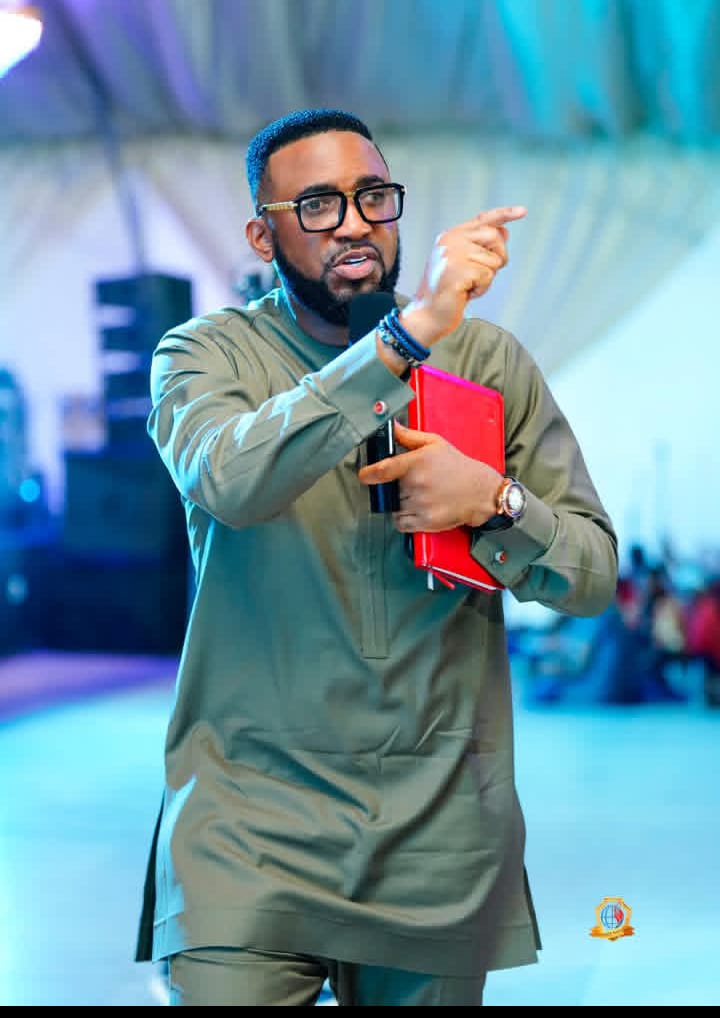
In Part Three of this series, we will examine the factors behind the sustained growth and resilience of Grace Nation and the Chris Okafor Humanity Foundation in the face of diverse challenges.


-
 celebrity radar - gossips6 months ago
Why Babangida’s Hilltop Home Became Nigeria’s Political “Mecca”
-
 society6 months ago
Power is a Loan, Not a Possession: The Sacred Duty of Planting People
-

 Business6 months ago
Batsumi Travel CEO Lisa Sebogodi Wins Prestigious Africa Travel 100 Women Award
-
 news6 months ago
THE APPOINTMENT OF WASIU AYINDE BY THE FEDERAL GOVERNMENT AS AN AMBASSADOR SOUNDS EMBARRASSING