
celebrity radar - gossips
#ENDSARS: PROPHET I O SAMUEL PROPHETIC INSIGHTS INTO 2020 AND BEYOND CONFIRMED

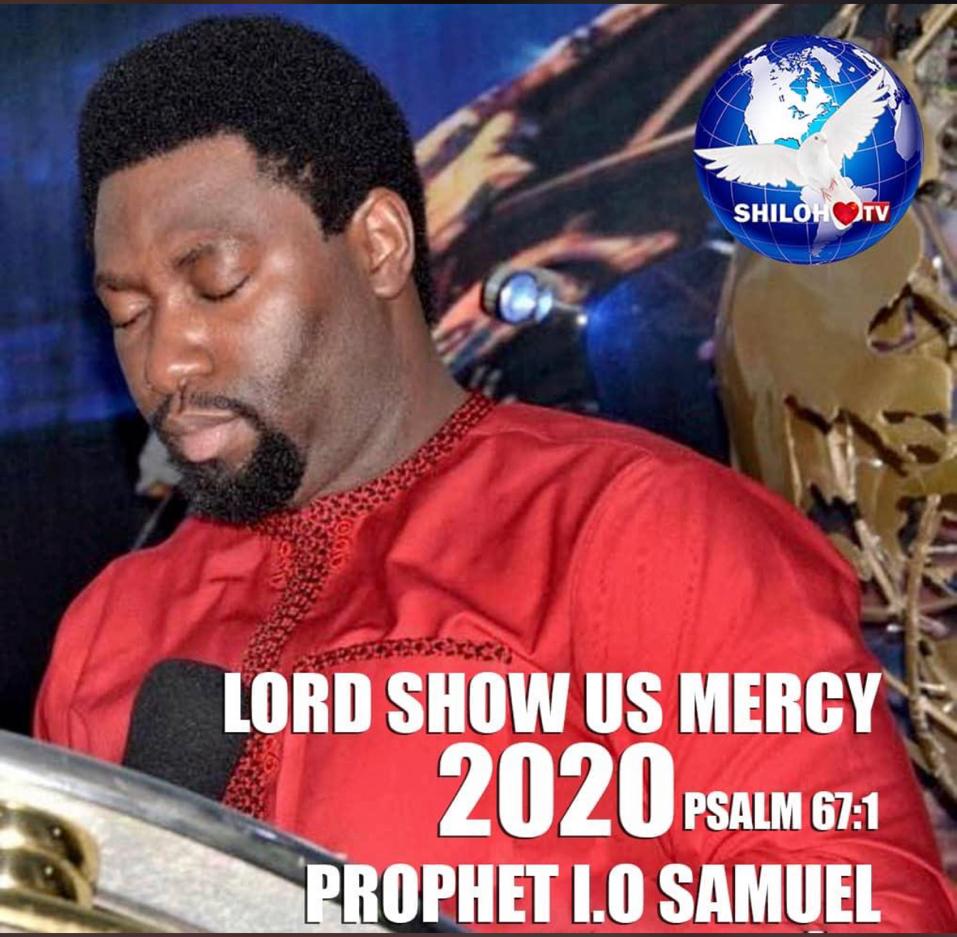
Prophet I O Samuel prophetic insights of 2020 and beyond is gradually coming to pass. A lot of his prophecies have been confirmed and what shock most people who have been following his antecedents is the number 7 prophecy where he said “ I see military dressed people very brutal on innocent citizens in Nigeria pray for the west and North on this”. Also in propehcy number 8 he said “I see youths running up and down after a protest and many lives and properties”.
Following the current trend in the country the number 11 prophecy the man of God said “strikes strikes!!! in Nigeria and unnecessary interruption of activities in Nigeria”.His prophecy on Edo Gubernatorial election and CAMA law is still fresh on the memory of most Nigerians and believers all over the world.
Prophet I. O Samuel, The founder and president of SHILOH WORD CHAPEL, Abuja, is no doubt a man , through integrity of character and accuracy of prophecies, set himself apart in the prophetic ministry.God has plans per time. Nothing catches him unawares, he is the beginning and the end. So, some individuals are gifted by grace to have insight into the mind or God, per time. This include, what is scheduled to happen in the lives of individuals, organizations or nations.It’s not uncommon to see charlatans abuse this prophetic office, yet the existence of *genuine* prophets can not be denied.
These are the prophecies of 2020 given by Prophet I O Samuel.
1a. I see a European currency coming together to over come Dollars in terms of value.
1b. Also, some parts of Africa will embrace One Currency.
2 . AMERICA – Pray against famine, three years from now.
3. There will be greater disaster in Asia countries and America.
4. Pray against terrorism attacks in the U.K, France, turkey, KENYA, Mali and Nigeria.
5. Pray against the death of the president of a nation. I saw a president slumped and the flag lowered in 2020. God have Mercy 6. An African great leader is shouting help, help, inside smokes of fires.
7. I see military dressed people very brutal on innocent citizens in Nigeria pray for the west and North on this.
8. I see youths running up and down after a protest and many lives and properties.
9. Pray for this early 2020 Against greater fire out break in a market.
10. Buildings are collapsing more in Lagos pray against this. Water overflow, heavy rainfall is coming. Unfriendly climatic change. There is a spirit in charge pray.
11. strikes strikes!!! in Nigeria and unnecessary interruption of activities in Nigeria.
12. The economy of Nigeria is improving by agriculture, farming and mining this angel is moving from state to state blessing and planting strange minerals, precious stones even oil in the northern part of Nigeria but only peace and stability in power will be the challenges.
13, A Lot Of Refineries Will Spring Up In Nigeria From Now To meet the demands of the nation.
14, Christians Be Ready For Real Persecutions By New Laws And War Of Faith, This Massage Is Deep Pray Deeply.
15. I see Religious Leaders In Nigeria And Africa Fighting and Betraying, haunting Each Other, As Trials increase In The Church instead Of Coming together to pray In faith. Let Us Pray against these.
16. God is giving Us more stars springing up from Nigeria to break records in science, technology ,education and sports From now they will break records worldwide as a reward of prayers in the land.
17, The present ruling party, Apc should maintain Unity, if not your party will crash and divide into four over night to fight one another.
18. Remember all Governors and ex-governors in prayers against health cases that’s will be alarming , political set ups and great political scandals.
19, I see more leaders going to jail and lots of assassinations. Our Leaders get closer to God or The devil will fulfill his plans. It is not time for political occasional service to God. Move closer and serve God.
20, A Search Light Has Been Mounted On Nigeria, Good And Bad. The Leadership should take note Verify and take.
21, Let Us Pray against increase in fake drugs in Nigeria and poisonous food production and smuggles.Please SON take note.
22,There are some illegal dangerous arms smuggled in our nation now angels are picking them with spot lights. some are in the port Harcourt area, some in Lagos some are in two states in the north. Government should comb through, if not uniformed people are in deep challenge from now let them.
23,pray for big ministries in Nigeria against tragedy if you don’t pray for your G.O and family. Please do this year, they need strong back up. there is a great battle ahead but saints shall prevail.
24, I see young men of God doing wonders that will shock the entire world in Africa Europe, America and Arab world many mantles are being transferred to double the kingdom generals of prayer, miracles crusades signs and wonders world wide .
25, I saw Many Nigerians deportees Running back because of immigration cases and crisis from Africa and western countries.
26. Stingy people over the years will not find it easy this year no matter how they struggle ,But all givers to the church and the poor over the years shall not lack the supply shall be excessive like manna and treasures of SOLOMON, Angel Of Breakthrough is with the List thus says the Lord of Host , Is Our Year Of (Gods Remembrance ) Leviticus 26:42, Psalm 25:6-7.
26. It Is A year of uncommon ideas and quick excessive inventions for financial exploits.
27, Nigeria Judiciary system shall be sanitized From Now I see UN And America Getting Involved On Nigeria Affairs Politically And On Religious Related Matters.
28, I Saw Nigerians Fighting With Strangers pray for Lagos state, PH And Kaduna, Maiduguri ,Ebonyi state
29, Strange Signs Will Happen In The Sky ,Mountains And Ocean From Now To Five Years That Will Shock The World To Believe That The End Is Near.
30, This Is The Year Of Supernatural. Angels Shall bring miracles faster and accurate prophecies in dreams and visions to bring solutions for man kind glory be to God.
31, If You Don’t Remember God Before Taking Any Action This Year You Are On Your Own. Eg, Investment, Movements, Prayers, Decisions Deuteronomy 8:18.Thus says the Lord!




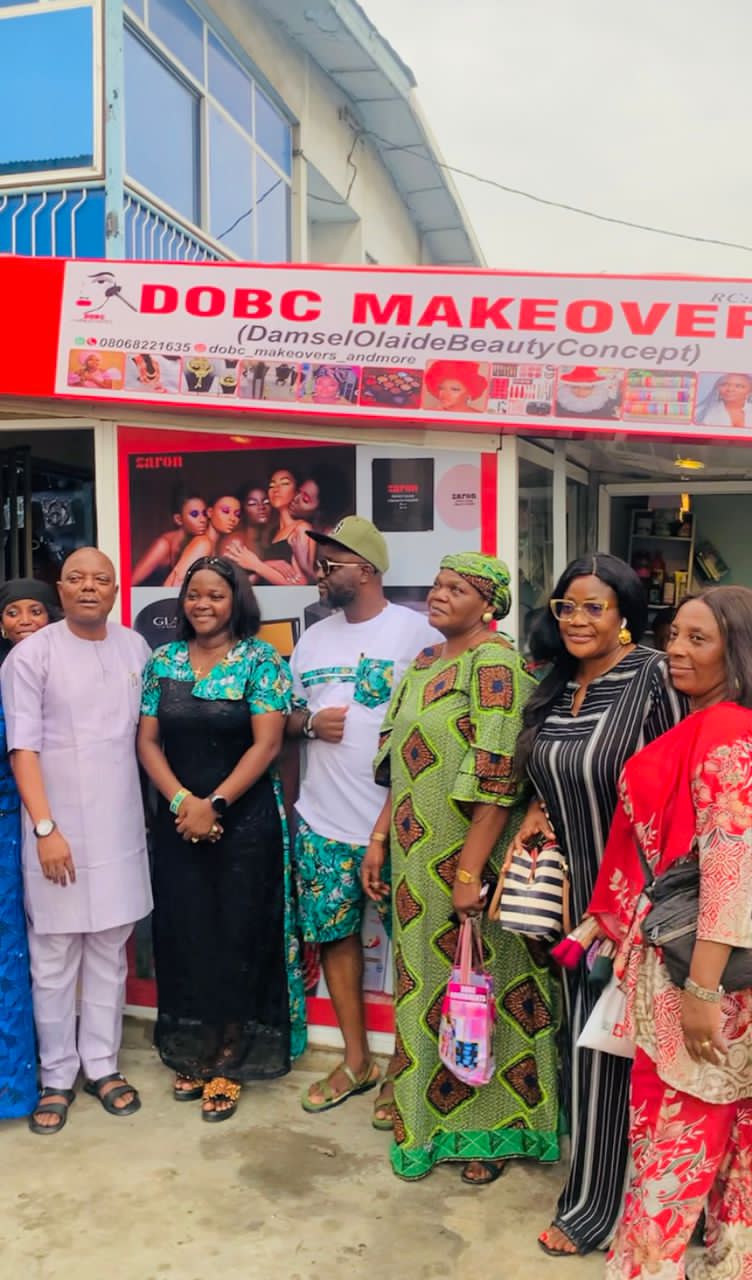
Beauty Meets Glamour as Olaide Ogunyemi Opens New Studio in Mushin
Popular Nollywood actress and professional makeup artiste, Olaide Ogunyemi Oluwayemisi aka Damilola, has expanded her footprint in the beauty industry with the grand opening of her new makeup studio in Lagos.
The talented thespian, who is also the Chief Executive Officer of @Dobc_makeovers_andmore, officially unveiled the ultra-modern beauty space last Thursday, April 2, 2026, in a colourful ceremony filled with glamour, fashion, and pageantry.
Strategically located at 101 Palm Avenue, right beside FitPlus and Sparklight Hospital in Mushin area of Lagos, the new studio is designed to offer top-notch beauty services, reflecting Ogunyemi’s commitment to excellence and professionalism in the ever-growing makeup industry.
The opening ceremony attracted friends, colleagues from the Nollywood industry, beauty enthusiasts, and well-wishers who came out in large numbers to celebrate the entrepreneur’s latest milestone. Guests were treated to a vibrant atmosphere that showcased creativity, style, and the evolving standards of the beauty business in Lagos.
Speaking at the event, Ogunyemi expressed her excitement and gratitude, noting that the new studio represents years of hard work, dedication, and passion for her craft. She reaffirmed her commitment to delivering premium beauty services while empowering aspiring makeup artistes.
The launch of the studio further cements her reputation as a dynamic force, successfully blending her career in Nollywood with a thriving beauty brand.
With this latest development, Olaide Damilola Ogunyemi continues to inspire many young entrepreneurs, proving that talent, consistency, and vision remain key drivers of success in Nigeria’s creative and business landscape.


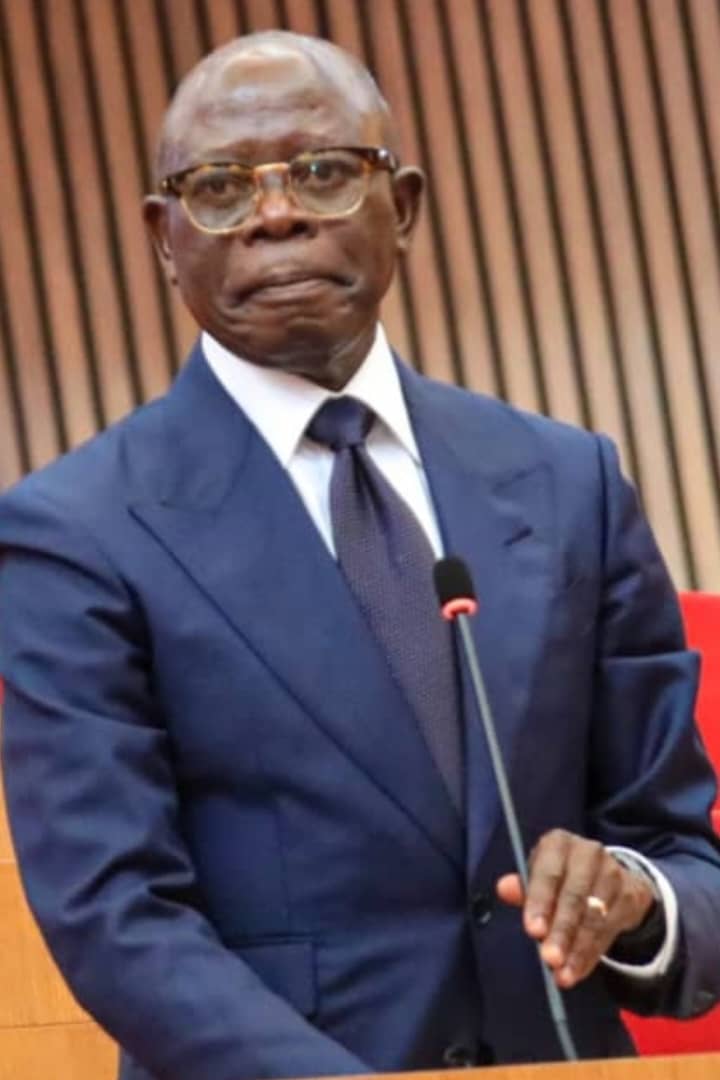
Daniel Eromosele Eulogize Adams Oshiomole as he turns 74 years
Today, I celebrate an exceptional leader, a fearless voice for the people, and a man whose life has remained a symbol of courage, sacrifice, and unwavering commitment to justice—Distinguished Comrade Senator Adams Aliu Oshiomhole.

Your journey has been nothing short of inspiring. From your days as a vibrant labour leader to your impactful tenure as the Executive Governor of Edo State, and now as a respected Senator of the Federal Republic, you have consistently demonstrated what it means to serve with integrity, strength, and purpose. Your contributions to the growth of our nation and the development of Edo State remain indelible and deeply appreciated.
You have not only built structures and institutions but have also built people. I am personally a beneficiary of your leadership, your guidance, and your belief in empowering others. Your influence in my life has been profound, and I remain grateful for the opportunities and inspiration you have given me.
On this special day, I celebrate not just your achievements, but the man you are—resilient, principled, and ever committed to the progress of Nigeria and her people.

May this new year bring you renewed strength, greater wisdom, good health, and more remarkable accomplishments. May your legacy continue to shine brighter with each passing year.
Happy Birthday, sir. Wishing you many more fruitful and impactful years ahead.
celebrity radar - gossips
Accolades to Empress Genevieve Wining as she Celebrate birthday in Grand style

Accolades to Empress Genevieve Wining as she Celebrate birthday in Grand style
Emmanuel Clement
Vilnius, Lithuania – The Grand Hotel Vilnius will host a grand birthday celebration in honor of Her Majesty The Empress Genevieve Wining of the United Kingdom of Atlantis (UKA) on April 4th, 2026.
The four-day event promises to be an extravagant affair, marking the special birthday of Empress Genevieve Wining. The celebration will take place at the prestigious Grand Hotel Vilnius, Lithuania, renowned for its luxurious ambiance and exceptional service.

According to the event flyer, the birthday celebration will be a spectacular occasion, fitting for an empress. Guests can expect an elegant setting adorned with golden accents, sparkling champagne, and festive decorations, creating a regal atmosphere befitting the occasion.
The Empress Genevieve Wining of UKA is expected to grace the event, which will include various festivities and celebrations in her honor. The occasion aims to bring together dignitaries, followers, and guests to commemorate the empress’s birthday with grandeur and joy.
For media inquiries, accreditation, or further information about the birthday celebration of The Empress Genevieve Wining of UKA, please contact the event organizers.
Courtesy of His Excellency Emperor Prof. Solomon Wining. UKA


- United States (U.S.) and Mozambique Advance Cooperation on Emergency Response and Safety April 6, 2026
- The Impacts of the Middle East Conflict on Africa April 6, 2026
- Ghana: President Mahama announces a high-level panel of the Accra Reset April 6, 2026
- Ghana: President Mahama reiterates his determination to build more businesses April 6, 2026
- Mauritius accelerates energy transition with renewable projects of 405 MW April 6, 2026
- Africa Centres for Disease Control and Prevention (Africa CDC) Appoints His Excellency Prof. Yemi Osinbajo as Senior Strategic Advisor to the Director General April 6, 2026
- 2026 Easter Message by the President of the Catholic Bishops’ Conference of Nigeria (CBCN): The Dawn is Coming, Don’t Let Go Now, Hold on to Hope! April 5, 2026
- "A Time to Pause and Begin Again”: President Dr Patrick Herminie reflects in Easter message April 5, 2026
- President Dr. Patrick Herminie Pays Tribute to the Late Seychellois Artist David Philoe April 5, 2026
- Ghana identifies priority areas to strengthen cholera prevention and control April 5, 2026
- United States (U.S.) and Mozambique Advance Cooperation on Emergency Response and Safety April 6, 2026
- The Impacts of the Middle East Conflict on Africa April 6, 2026
- Ghana: President Mahama announces a high-level panel of the Accra Reset April 6, 2026
- Ghana: President Mahama reiterates his determination to build more businesses April 6, 2026
- Mauritius accelerates energy transition with renewable projects of 405 MW April 6, 2026
- Africa Centres for Disease Control and Prevention (Africa CDC) Appoints His Excellency Prof. Yemi Osinbajo as Senior Strategic Advisor to the Director General April 6, 2026
- 2026 Easter Message by the President of the Catholic Bishops’ Conference of Nigeria (CBCN): The Dawn is Coming, Don’t Let Go Now, Hold on to Hope! April 5, 2026
-

 society7 months ago
Religion: Africa’s Oldest Weapon of Enslavement and the Forgotten Truth
-

 news4 months ago
WHO REALLY OWNS MONIEPOINT? The $290 Million Deal That Sold Nigeria’s Top Fintech to Foreign Interests
-

 society6 months ago
“You Are Never Without Help” – Pastor Gebhardt Berndt Inspires Hope Through Empower Church (Video)
-

 celebrity radar - gossips2 months ago
Dr. Chris Okafor Returns with Power and Fire of the Spirit -Mounts Grace Nation Altar with Fresh Anointing and Restoration Grace on February 1, 2026