
society
Hon. Ekos Jude Akpokabayen Engages Udu Youth Leaders Amid Community Medical Outreach


Hon. Ekos Jude Akpokabayen Engages Udu Youth Leaders Amid Community Medical Outreach
Udu, Delta State – May 1, 2025
In a bold and compassionate move to connect with the grassroots and foster meaningful change, Hon. Ekos Akpokabayen on May 1, 2025, met with youth leaders from various wards in Udu Local Government Area, Delta State. The meeting took place ahead of a collaborative community-focused medical outreach program organized in partnership with Udu Local Government, scheduled for May 2 and 3, 2025. The initiative is designed to provide essential healthcare services to the elderly and children. This dual-purpose visit underscored Hon. Akpokabayen’s deep commitment to both the welfare of the most vulnerable and the empowerment of youth, who remain the backbone of any thriving society.
The medical outreach, beginning May 2 and continuing through May 3, is expected to be well-attended and serves as a powerful reminder of the importance of accessible healthcare at the grassroots level. With Udu Local Government and Hon. Akpokabayen working hand in hand, the program aims to deliver vital services such as medical checkups, free medications, nutritional guidance, and health education. Many elderly citizens, mothers, and children are expected to benefit. Hon. Akpokabayen, while actively supervising the initiative, also engaged warmly with members of the community, lending a personal and humane touch to the effort.
Listening to the Youth: A Crucial Step Toward Development
In the midst of outreach preparations, Hon. Akpokabayen held a focused engagement with youth leaders from various wards. Though informal, the meeting was deeply impactful, offering young people a rare opportunity to speak directly to a respected leader about their experiences, frustrations, and aspirations.
The youth leaders voiced concern over persistent issues affecting their communities. Chief among them was unemployment, a long-standing challenge that has hindered progress for many educated and skilled young individuals. Many lamented the lack of access to job opportunities or startup capital for small enterprises.
Equally troubling was the absence of vocational training centers or skills development programs. In an era where technical proficiency is critical for self-sufficiency and innovation, the lack of such infrastructure leaves many youths uncompetitive and dependent. Additional concerns raised included poor road conditions, inadequate drainage systems, erratic electricity supply, and the absence of recreational and communal spaces.
Furthermore, the youth leaders lamented their exclusion from decision-making processes. Despite being the largest demographic group and future leaders, many felt ignored when it comes to shaping policies and projects that directly affect them. This sense of exclusion, they argued, weakens trust in governance and limits innovation and civic participation.
A Leader Who Listens and Understands
Moved by the sincerity and urgency in the youths’ contributions, Hon. Akpokabayen praised them for their courage and clarity. He acknowledged the weight of their concerns and emphasized that sustainable progress can only come when leaders genuinely listen to the people—especially the youth.
He stressed that his engagement was not mere political formality, but a sincere effort to understand their reality and build bridges to long-term solutions. “We cannot build a better future if we do not include our youth in today’s plans,” he said. “Our young people are not just the leaders of tomorrow, they are partners of today.”
Commitment to Practical Solutions
Hon. Akpokabayen unveiled several actionable steps in response to the concerns raised. First, he expressed a strong interest in collaborating with local professionals, NGOs, and Udu Local Government to initiate short-term vocational training workshops in trades such as tailoring, carpentry, digital literacy, and small-scale agriculture. These programs, he emphasized, could be delivered with minimal resources and yield significant impact.
He also proposed the launch of mentorship programs where experienced individuals in business, academia, and industry guide young people on life and career paths. These mentors would serve as role models and accountability partners, helping participants develop focus, discipline, and long-term vision.
Regarding infrastructure and recreational needs, Hon. Akpokabayen encouraged the community to consider public-private partnerships and grassroots-driven initiatives. He noted that waiting solely on government intervention might delay progress, but that when communities mobilize collectively, projects like minor road repairs, children’s playgrounds, and neighborhood libraries could be accomplished faster.
Youth Participation in Governance
A significant portion of the dialogue centered on civic and political participation. Hon. Akpokabayen urged the youth to be more actively involved in shaping policies that affect their future. He encouraged attendance at town hall meetings, participation in local projects, and long-term preparation for leadership roles.
He further emphasized the power of unity: “Divided voices achieve little,” he stated. “But when youth unite across wards and interests, their voice becomes too strong to ignore.” He urged them to build coalitions, align around shared objectives, and push collectively for community development and accountability.
The Impact of Outreach Programs
The upcoming Udu Medical Outreach, organized in collaboration with Udu Local Government, is expected to be a resounding success. Already, many elderly residents have expressed joy and anticipation, noting that this will be the first time in years they’ve received any form of medical attention. Mothers welcome the opportunity to get free medication for their children, and community health volunteers will be on hand to provide education on hygiene, nutrition, and preventive care.
This outreach is more than just a medical exercise, it is an act of dignity restoration. It sends a clear message that the people of Udu are not forgotten and that their health and well-being matter.
A Vision for Udu’s Future
Hon. Akpokabayen’s visit was far more than a routine political stop, it was a profound demonstration of what leadership should be: accessible, empathetic, responsive, and action-driven. His willingness to listen attentively to young voices, validate their concerns, and offer realistic solutions set a powerful example in a political landscape often marred by disconnect and neglect.
The joint medical outreach program, in partnership with Udu Local Government, reinforced the power of community-centered development. By blending healthcare delivery with civic engagement and youth empowerment, Hon. Akpokabayen is modeling a multidimensional approach to leadership that prioritizes people over politics.
For the youth of Udu, this engagement was a spark of hope and a reminder that their voices matter. If the conversations begun on May 1 evolve into real projects and sustained partnerships, that day will be remembered as a turning point in Udu’s journey toward youth-driven development and inclusive growth.





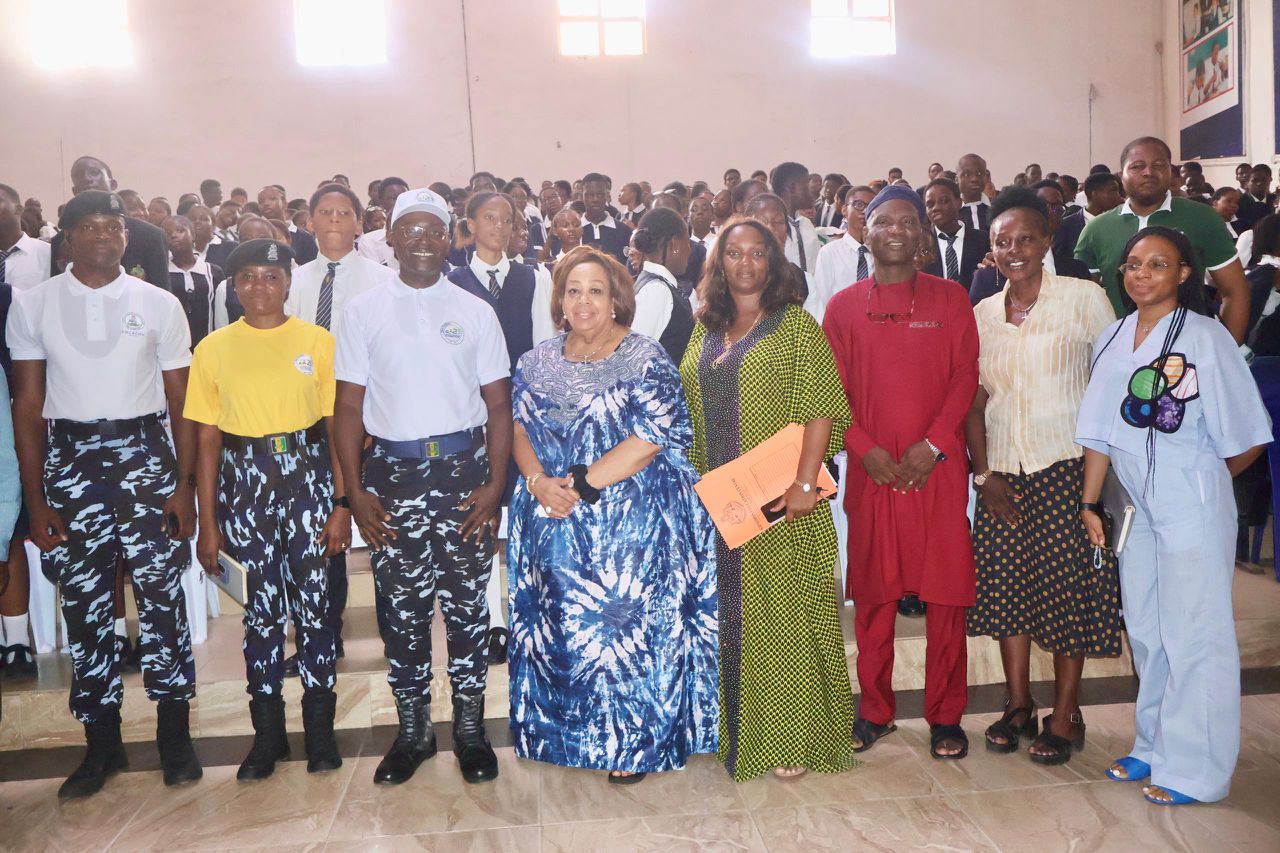
POCACOV Intensifies Sensitization on Cultism, Bullying, and Social Vices Among Students in Edo
In commemoration of the 2026 National Police Day Celebration, the Police Campaign Against Cultism and Other Vices (POCACOV), Edo State Command, has reinforced its preventive policing efforts through a targeted sensitization outreach at Igbinedion Education Centre, Benin City.
The initiative forms part of the broader activities marking this year’s National Police Day, themed “Community Partnership: Building Trust,” which emphasizes collaboration between the Nigeria Police Force and the public in fostering a safer society.
The sensitization programme witnessed the presence of key stakeholders, including the Commissioner of Police, Edo State Command, the Police Public Relations Officer, and the Edo State POCACOV Coordinator, ASP Kingsley Upeh. The team engaged students in an insightful and impactful session focused on the dangers of cultism, bullying, and other social vices prevalent among youths.
During the session, students were educated on the severe and far-reaching consequences of cult-related activities. These include violence, loss of lives, disruption of academic pursuits, and long-term damage to personal reputation and future opportunities. The speakers also highlighted how peer pressure, drug abuse, and negative social influences often serve as gateways into criminal behavior.
In an interactive segment, the Commissioner of Police stressed the legal implications of engaging in criminal acts, noting that involvement in cultism and related offences could lead to arrest, prosecution, and lifelong consequences that may hinder personal growth and career aspirations.
The issue of bullying was also extensively addressed, with emphasis on both its legal ramifications and psychological impact on victims. Students were encouraged to speak up against bullying, report incidents to school authorities or law enforcement, and support peers who may be affected.
Furthermore, the outreach underscored the importance of self-discipline, moral values, and making informed life choices. Students were urged to become ambassadors of peace within their schools and communities by rejecting violence and promoting unity and mutual respect.
The POCACOV team reiterated its commitment to continuous engagement with young people through awareness campaigns, community outreach, and strategic partnerships aimed at preventing crime before it occurs. The initiative aligns with the Nigeria Police Force’s proactive approach to policing, which prioritizes education, prevention, and community involvement.


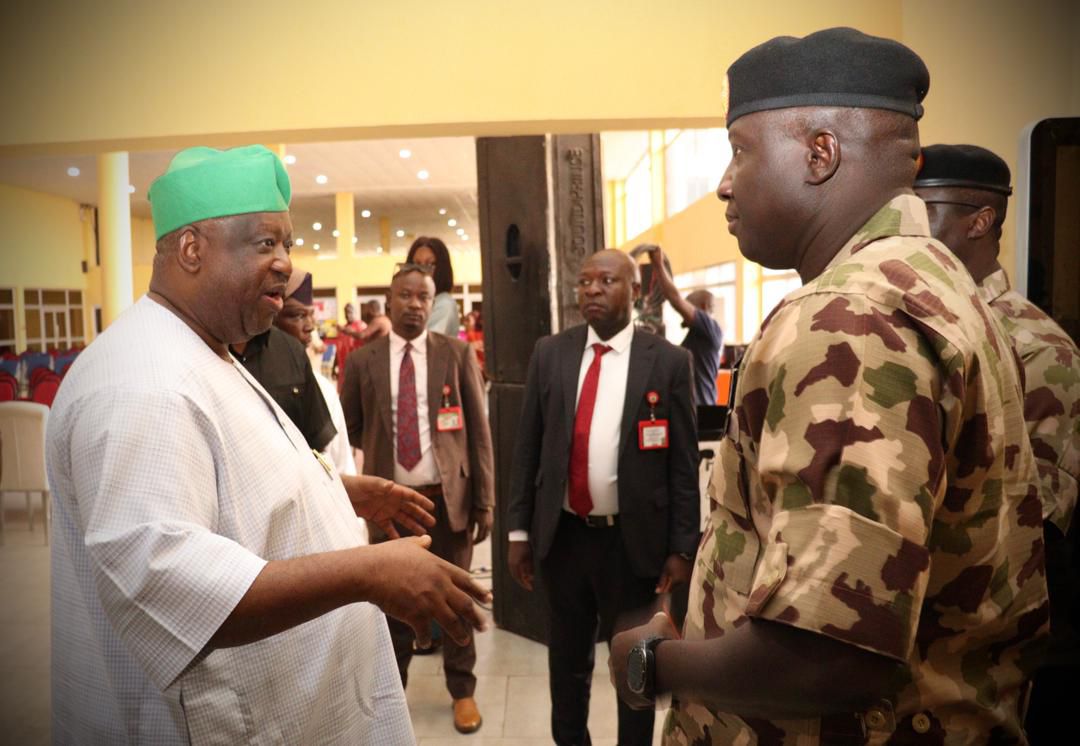
COAS Launches Nationwide Security Renewal Mission in Plateau
The Chief of Army Staff, Lieutenant General Waidi Shaibu, on Thursday led a high-level delegation of security chiefs to Plateau State, flagging off a nationwide security renewal mission aimed at strengthening civil-military cooperation and restoring lasting peace across the country.
The visit to Jos, the Plateau State capital, marks the first phase of a coordinated national effort to address persistent security challenges through joint operations, community engagement, and proactive intelligence gathering.

Governor Caleb Muftwang received the delegation, describing the initiative as a critical step toward stabilizing affected communities and reinforcing public confidence in security institutions.
Civil-Military Synergy Takes Centre Stage
At the heart of the mission is a renewed emphasis on collaboration between the military, civil authorities, and local communities. Speaking during the visit, Lt. Gen. Shaibu stressed that national security must be treated as a collective responsibility.
He urged citizens to support security agencies by remaining vigilant, sharing credible information, and complying with lawful directives, noting that effective security cannot be achieved in isolation.
Community Engagement as Confidence-Building Tool
In a departure from purely operational engagements, the Army Chief held direct consultations with community leaders and residents in Jos, reinforcing the importance of trust and dialogue in conflict resolution.
Lawmakers, including Dachung Bagos and Ladi Dangyok, commended the initiative, stating that visible engagement by top military leadership helps rebuild confidence among citizens and fosters cooperation.

Proactive Security Operations Underway
Operational updates were provided by Major General Folusho Oyinlola, who disclosed that troops under Operation Enduring Peace have intensified surveillance, intelligence-led patrols, and coordinated actions with other security agencies.
According to the Army, the approach is designed to prevent escalation of threats, safeguard lives and property, and stabilize vulnerable communities before crises emerge.
A Shift Toward Sustainable Peace
Military authorities emphasized that the Plateau visit is part of a broader, long-term strategy to transition from reactive responses to sustainable peacebuilding nationwide. The framework includes strengthening local resilience, ensuring justice, and maintaining continuous engagement with stakeholders.
Analysts view the initiative as a significant policy shift, reflecting a more inclusive security architecture that integrates community participation with military operations.
Call for National Unity
The Army leadership concluded with an appeal to Nigerians to reject divisive narratives and support ongoing efforts to promote unity and peace.
“The success of this mission depends not only on the armed forces but on the cooperation of every citizen,” the COAS stated.
The nationwide security renewal campaign is expected to extend to other regions in the coming weeks as authorities seek to consolidate gains and build a safer, more unified Nigeria.


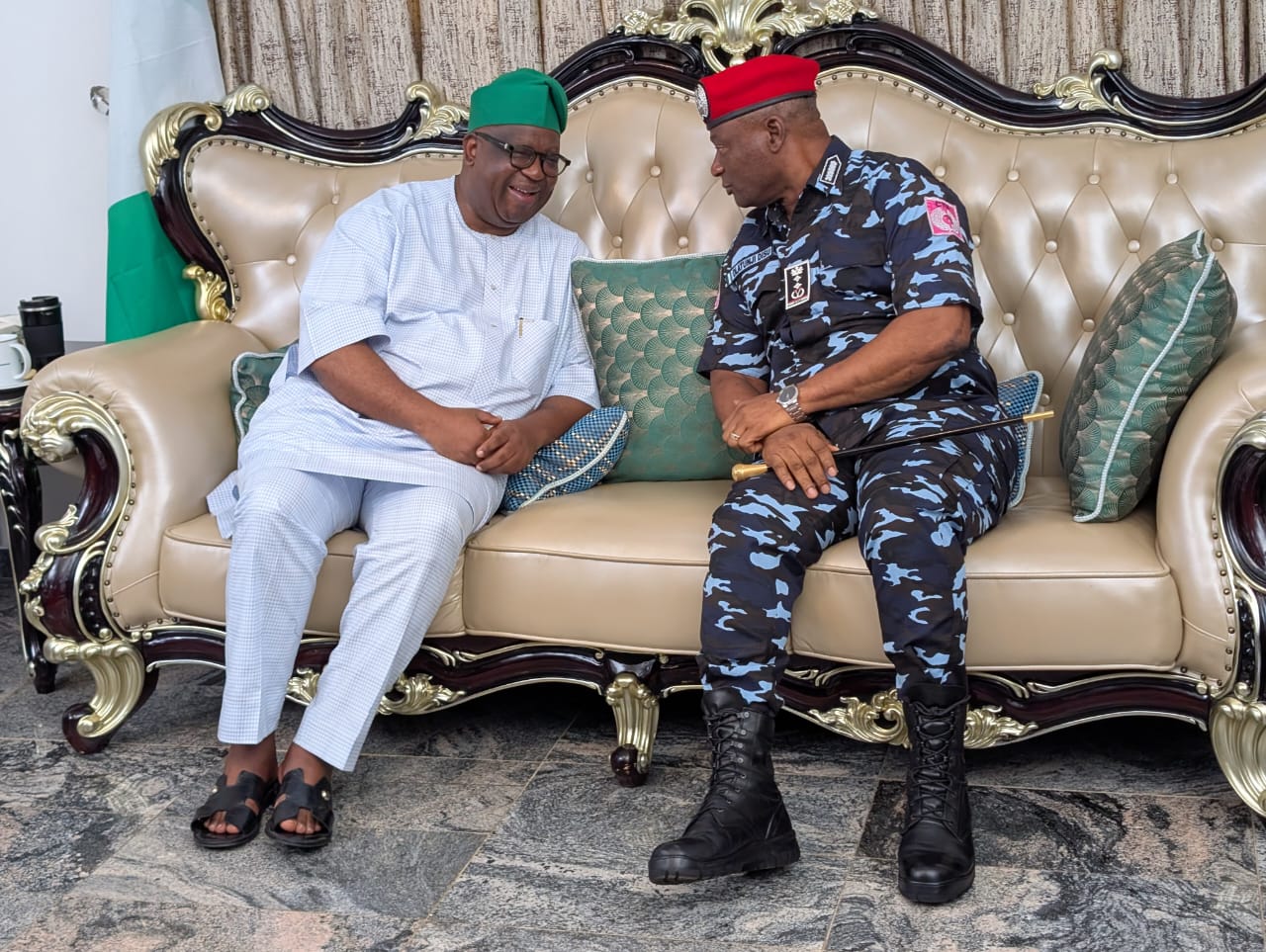
IGP Disu Visits Plateau, Orders Tactical Deployment To Reinforce Security
The Inspector General of Police, Olatunji Disu, on Thursday paid a working visit to Plateau State following recent unrest, holding strategic talks with Governor Caleb Muftwang on measures to strengthen security and prevent further disturbances.
As part of immediate steps to stabilise the situation, the police chief authorised the deployment of specialised tactical units to support officers already on ground across affected areas.
Governor Muftwang commended the swift intervention of the police leadership, praising the dedication and professionalism of security personnel working to restore calm. He also acknowledged the efforts of mobile police officers and lauded the leadership of the state’s Commissioner of Police, Bassey Ewah.
Both the Nigeria Police Force and the Plateau State Government reaffirmed their commitment to safeguarding lives and property, stressing that enhanced collaboration remains key to restoring lasting peace in Plateau State, popularly known as the Home of Peace and Tourism.


-

 society7 months ago
Religion: Africa’s Oldest Weapon of Enslavement and the Forgotten Truth
-

 news4 months ago
WHO REALLY OWNS MONIEPOINT? The $290 Million Deal That Sold Nigeria’s Top Fintech to Foreign Interests
-

 society6 months ago
“You Are Never Without Help” – Pastor Gebhardt Berndt Inspires Hope Through Empower Church (Video)
-

 celebrity radar - gossips2 months ago
Dr. Chris Okafor Returns with Power and Fire of the Spirit -Mounts Grace Nation Altar with Fresh Anointing and Restoration Grace on February 1, 2026