
society
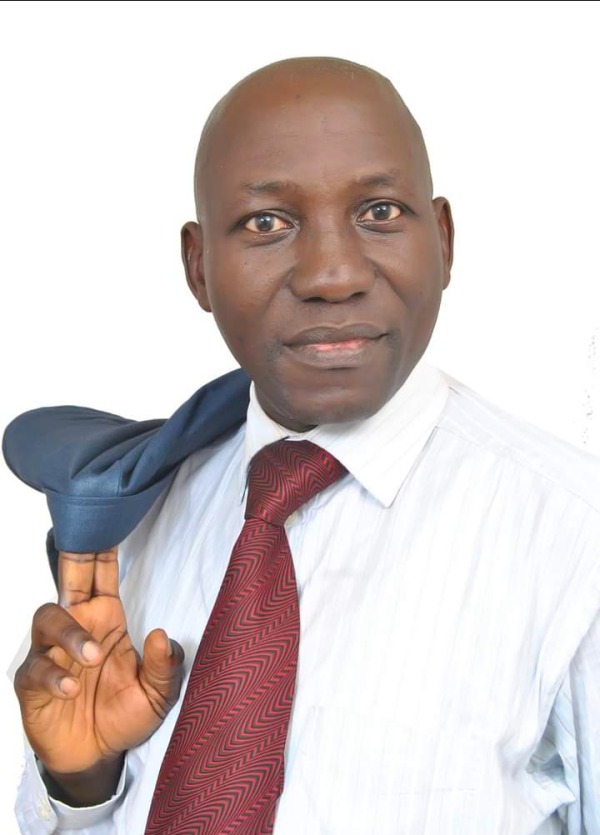
My vision for Ogbomoso if I ascend Soun throne — Oyegoke-Olaoye

My vision for Ogbomoso if I ascend Soun throne — Oyegoke-Olaoye

World War II veteran and celebrated American author, salesman and motivational speaker, Hilary Hinton ‘Zig’ Ziglar, in his famous quote said: ‘‘If you want to reach a goal, you must see the reaching in your own mind before you actually arrive at your goal.’’
There have been enormous proven researches to the effect that visualising the outcome and understanding the ‘how’ to a predetermined destination would get a man of vision there no matter the obstacles.
A prominent Prince of the Olaoye Ruling House and frontliner in the race for the next Soun of Ogbomosoland, Prince Gbolahan Idowu Oyegoke-Olaoye, is well-cast in the class of visionary leaders as defined by Ziglar. He is already upbeat with ideas and thoughts on how to uplift the revered Soun of Ogbomoso throne and the ancient town with value-additions.
As the process of selection gets underway, the multi-talented and multi-disciplinary prince and descendant of Oba Atanda Olaoye Orumogege, a past Soun of Ogbomoso, has unfolded his vision for the development and growth of the ancient kingdom if he emerges the next paramount ruler.
Prince Oyegoke-Olaoye said his immediate preoccupation would be the reconciliation and unification of all the princes and various interested parties as the father of all. He also said the pursuit of religious harmony among the various adherents of the major religious faith – Christianity, Islam and traditional religion, amicable resolution of all pending court cases instituted in the contest for the throne, and promotion of peace would be expeditiously implemented.
‘‘In the past few weeks, there has been some kind of pause on the religious harmony of Ogbomosoland. I’m sure it is not a big task; everything generated from the choice of who should become the next Soun of Ogbomosoland. I am sure by the time this is resolved and it turns out to be yours sincerely, we will speak to every religious leader individually and collectively.
‘‘We will tell them what our town has been in terms of religious harmony. We love each other and there is no family you get to in Ogbomoso that you will not find all these religions – Christianity of several denominations, Islam and traditional believers. We feast together during festivals; there is no dichotomy among us. We will find a way to resolve that; it will be a very short period of time,’’ he said in an interview, Prince Oyegoke-Olaoye, who is a leading candidate for the throne, also stated that he would find amicable resolutions of pending litigations occasioned by the choice of the new king, stressing that the Ogbomoso princes and the indigenes of the town are peace-loving people. ‘‘They love peace. They want to fight for their right but once they see reasons they will join hands and resolve things and move ahead.’’
He also promised to focus on key factors that can engender real development and growth of the historic town among which are human capacity development, youth empowerment, agriculture, industrialisation and harnessing the human resource asset by wooing indigenes in the Diaspora and friends to invest in the economy of the town.
His words: ‘‘Majorly, the bigger picture – there has been clamour for industries and companies to come into Ogbomoso. I agree with it perfectly but I believe establishment of industries rests on one factor – human capacity and capability. Most of our indigenes that have capacity and capability live in bigger towns; you will find them in Lagos, Ibadan, London, America and northern part of Nigeria. They find it strange to stay in Ogbomoso.
‘‘In the last seven months that I have been there physically to live among them, I have discovered that they are wonderful people, loving people. The stories that our forefathers have been telling us that ‘they will kill you’ are not real. If you go home nobody is killing anybody. So, we will try and bring them to see the good side of Ogbomoso. We will let them see the serenity of the town; the peace that exists in Ogbomoso. Except we have this set of people among us, we may not have growth. Once they come in, they will establish industries whether cottage industries or micro and small businesses.’’
Prince Oyegoke-Olaoye further stated that the education sector would be invigorated, while the tourism potential of the town would be developed into recognisable international brands as part of steps to project Ogbomoso to the larger world.
Speaking further, he said he would leverage his vast professional expertise and work experience by bringing innovation into the administration of the kingdom, as well as leverage his circle of influence to attract investors for socio-economic prosperity to the benefits of the generality of the indigenes and residents of the town. “I also believe that as an individual we must have that capacity that is developed that we can sell to the world. If our young ones can develop their capabilities, we stand a better chance. Even for those that have learnt one trade, technical skills or the other they need to perfect that act. It is not compulsory that everybody must work in the office. We can boost the capacity and capabilities of our trained carpenters, tilers, masons and bricklayers; those who need them will come to Ogbomoso instead of going to bring people from Cotonou or Togo. By the time we grow their capacity there will be growth in our economy,’’ he asserted.
While revealing that Ogbomoso is also blessed with rich agriculture land for large-scale farming, Prince Oyegoke-Olaoye, said he would attract investors within and outside the town to invest in the agriculture value chain, himself being a farmer with two large acres of farmland comprising a 10-acre farm at Jabata and another 20-acre farm at Budo-Ora.
On tourism, he explained that his vision for the sector would entail the development of the tourism potential of the town including transforming the various cultural heritages, sites and festivals such as Odun Oba and Odun Oole, as well as the rich local cuisines into international brands to make Ogbomoso an attractive tourist destination.
‘‘We have good and rich local delicacies and assortment of cuisines. There are several good eateries in Ogbomoso. The breeze is superb. There is peace in our town. We will develop our festivals into tourism assets; we will give them publicity. We also have great people from this town that have made and are making impact nationally and globally. Some of them have been ignored; we will take steps to reach them. Despite the setback suffered by LAUTECH, it is still rated among the top 10 best universities in Nigeria. It will interest you to know that many of the students that graduate from LAUTECH don’t like to leave the town. If you go to Under-G, most of the shops are owned by the students.
‘‘Those who are outside the town who have the ideas that can bring innovation, we will invite them to come. If they need land, we will talk to families that own land to give them land. If it is to buy land, we will buy. The agriculture ecosystem of Ogbomoso is fantastic; there was a time IITA came to Ogbomoso to buy corn seedling, I brokered that deal. By the time we do all of these, Ogbomoso will become bigger in terms of human capital that will dovetail into economic wellbeing of the citizens,’’ he noted further.
On education, Prince Oyegoke-Olaoye assured that he would launch some programmes to strengthen and support the various initiatives by the state government to revamp education. ‘‘We cannot ignore the place of education because it is the bedrock of human capital development. The bigger vision will be improvement of human capacity that will dovetail into overall socio-economic wellbeing of the people of Ogbomosoland,’’ he stressed.
Born on the 15th of August 1965 of the Kapelaye royal family compound in Ogbomoso, Prince Oyegoke-Olaoye is the great grandson of a past Soun of Ogbomosoland, late Oba Atanda Olaoye Orumogege. His biological father, late Prince Olaleye Oyegoke-Olaoye, was the first son of Aremu Oyegoke Olaoye, a direct descendant of Oba Atanda Olaoye Orumogege. Also in his blood line was Oba Lawani Oke Lanipekun, also, a direct descendant of Oba Orumogege.
Prince Oyegoke-Olaoye is currently the Head of Practice of a diversified group of companies comprising Gbolahan Oyegoke & Company (Chartered Accountants), Primehill Professional Services (Chartered Tax Practitioners), GIO Associates (Company Secretaries) and Capacity Building & Management Services. His experience cuts across start-ups, growing and matured private limited liability companies that are involved in banking, manufacturing, telecommunications, Information and Communication Technology with progressive responsibilities involving assisting, controlling and directing financial management and administration.
He holds multiple academic qualifications including NCE in Business Ed. (Accounting) from the Federal College of Education, Abeokuta; B. Sc. (Ed.) Economics from Lagos State University; Master’s of Business Administration (MBA) in Marketing from the University of Port Harcourt, and another MBA (Financial Management) from Ladoke Akintola University of Technology, Ogbomoso. He also holds Masters in Education Administration and Planning from the University of Lagos and he is currently a Ph. D Student at UNILAG.
He is a Certified Forensic Accountant (CFA); Fellow, Chartered Institute of Administration of Nigeria (FCIA); Fellow, Chartered Institute of Taxation of Nigeria (FCTI); Fellow, Institute of Chartered Accountants of Nigeria (FCA); and Associate member of the Business Recovery & Insolvency Practitioners (ABR). He also holds CertIFR (ACCA) – Certificate in International Financial Reporting Standards and Certificate of Participation in Effective Project Management of the prestigious Lagos Business School (LBS).
On the career path, Prince Oyegoke-Olaoye has occupied numerous strategic and key roles at all levels and notably at middle, senior, managerial and executive levels. These include Assistant General Manager/COO, Network Support Services Limited; Manager/Group Head (Finance, Project & Admin.), Bocom Communications Limited; Manager/Head (Finance & Project), Mobitel Limited; Manager/Consultant, Solomon Osunba & Company (Chartered Accountants); Clerk, National Bank of Nigeria Limited; and Audit Clerk, David Osho & Company (Chartered Accountants). Others include Part-Time Lecturer, Auditing and Cost Accounting, Lagos State Polytechnic; and Lecturer, Cost Accounting& Financial Accounting (ATS II), Alpha Tutors, ICAN professional examinations preparatory class, amongst others.
Prince Oyegoke-Olaoye is a complete family man, married with a wife for the past 28 years and blessed with children. He is a devout practising Christian, a philanthropist per excellence, a highly respected community leader and well connected with his roots – both the Olaoye Ruling House and the royal dynasty, the Palace of the Soun of Ogbomoso. He is also an industry leader and has held many professional positions. He is a co-published author of professional books, a highly-sought conference speaker and training facilitator.
One can say without gainsay that as a man of vision, Prince Gbolahan Idowu Oyegoke-Olaoye is highly qualified, well-suited and well-prepared to occupy the vacant throne of Soun, barring all unforeseen last-minute circumstances.
By Ashiru AYINDE, A cultural enthusiast writes from Ogbomoso., Oyo State.


COAS Launches Nationwide Security Renewal Mission in Plateau
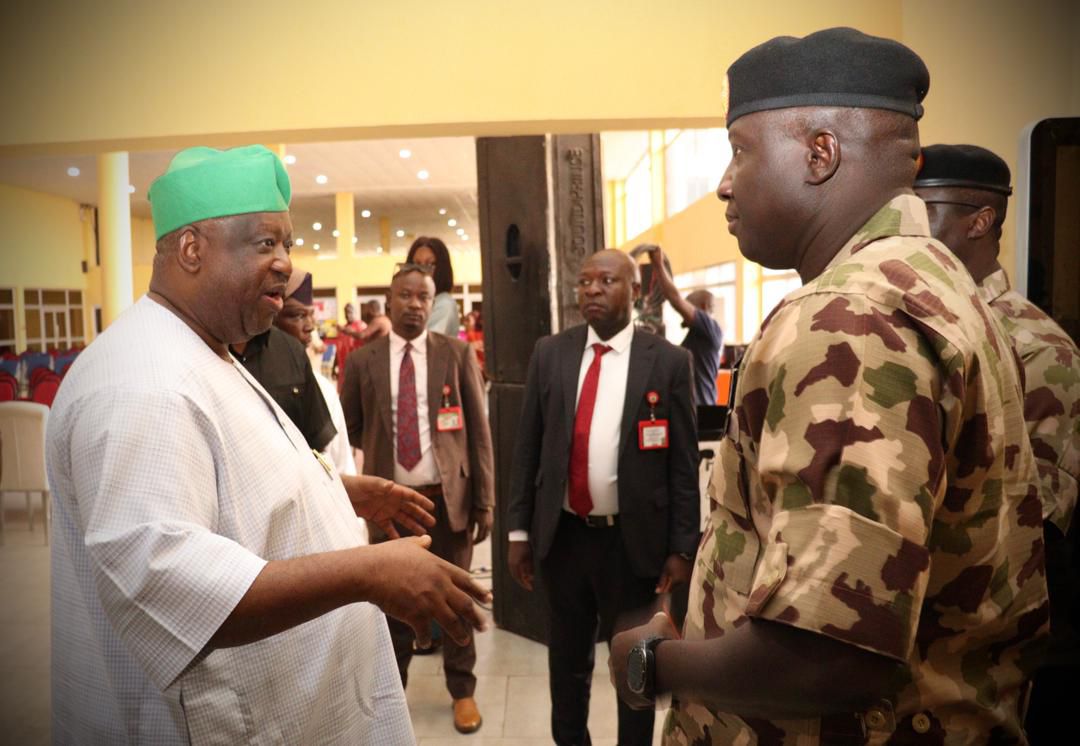
The Chief of Army Staff, Lieutenant General Waidi Shaibu, on Thursday led a high-level delegation of security chiefs to Plateau State, flagging off a nationwide security renewal mission aimed at strengthening civil-military cooperation and restoring lasting peace across the country.
The visit to Jos, the Plateau State capital, marks the first phase of a coordinated national effort to address persistent security challenges through joint operations, community engagement, and proactive intelligence gathering.

Governor Caleb Muftwang received the delegation, describing the initiative as a critical step toward stabilizing affected communities and reinforcing public confidence in security institutions.
Civil-Military Synergy Takes Centre Stage
At the heart of the mission is a renewed emphasis on collaboration between the military, civil authorities, and local communities. Speaking during the visit, Lt. Gen. Shaibu stressed that national security must be treated as a collective responsibility.
He urged citizens to support security agencies by remaining vigilant, sharing credible information, and complying with lawful directives, noting that effective security cannot be achieved in isolation.
Community Engagement as Confidence-Building Tool
In a departure from purely operational engagements, the Army Chief held direct consultations with community leaders and residents in Jos, reinforcing the importance of trust and dialogue in conflict resolution.
Lawmakers, including Dachung Bagos and Ladi Dangyok, commended the initiative, stating that visible engagement by top military leadership helps rebuild confidence among citizens and fosters cooperation.

Proactive Security Operations Underway
Operational updates were provided by Major General Folusho Oyinlola, who disclosed that troops under Operation Enduring Peace have intensified surveillance, intelligence-led patrols, and coordinated actions with other security agencies.
According to the Army, the approach is designed to prevent escalation of threats, safeguard lives and property, and stabilize vulnerable communities before crises emerge.
A Shift Toward Sustainable Peace
Military authorities emphasized that the Plateau visit is part of a broader, long-term strategy to transition from reactive responses to sustainable peacebuilding nationwide. The framework includes strengthening local resilience, ensuring justice, and maintaining continuous engagement with stakeholders.
Analysts view the initiative as a significant policy shift, reflecting a more inclusive security architecture that integrates community participation with military operations.
Call for National Unity
The Army leadership concluded with an appeal to Nigerians to reject divisive narratives and support ongoing efforts to promote unity and peace.
“The success of this mission depends not only on the armed forces but on the cooperation of every citizen,” the COAS stated.
The nationwide security renewal campaign is expected to extend to other regions in the coming weeks as authorities seek to consolidate gains and build a safer, more unified Nigeria.


IGP Disu Visits Plateau, Orders Tactical Deployment To Reinforce Security
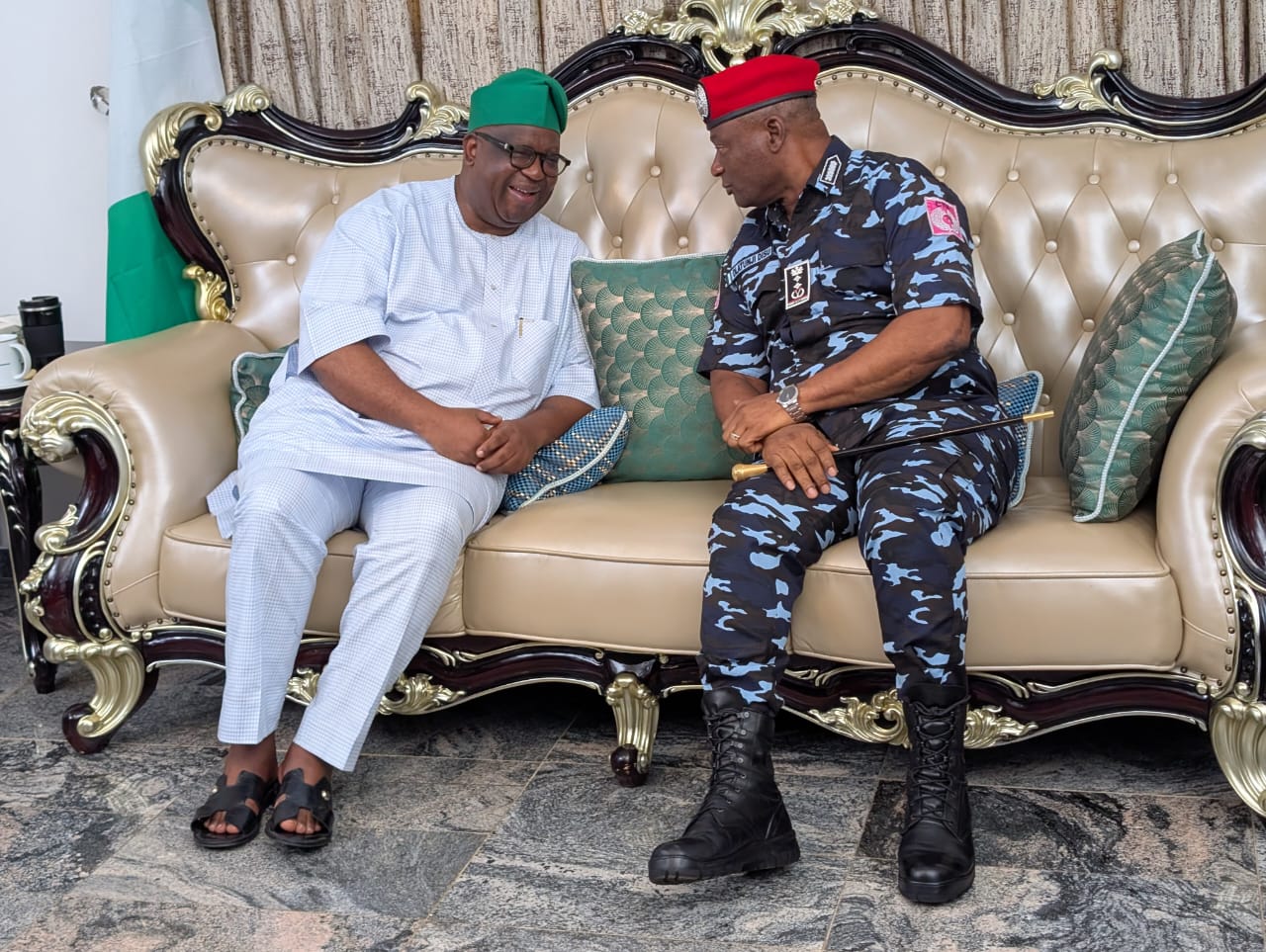
The Inspector General of Police, Olatunji Disu, on Thursday paid a working visit to Plateau State following recent unrest, holding strategic talks with Governor Caleb Muftwang on measures to strengthen security and prevent further disturbances.
As part of immediate steps to stabilise the situation, the police chief authorised the deployment of specialised tactical units to support officers already on ground across affected areas.
Governor Muftwang commended the swift intervention of the police leadership, praising the dedication and professionalism of security personnel working to restore calm. He also acknowledged the efforts of mobile police officers and lauded the leadership of the state’s Commissioner of Police, Bassey Ewah.
Both the Nigeria Police Force and the Plateau State Government reaffirmed their commitment to safeguarding lives and property, stressing that enhanced collaboration remains key to restoring lasting peace in Plateau State, popularly known as the Home of Peace and Tourism.


Grace Nation Worldwide: A Living Reality – Dr. Chris Okafor
……“Miracles, Healing, and Deliverance Overflow at Grace Nation Services”
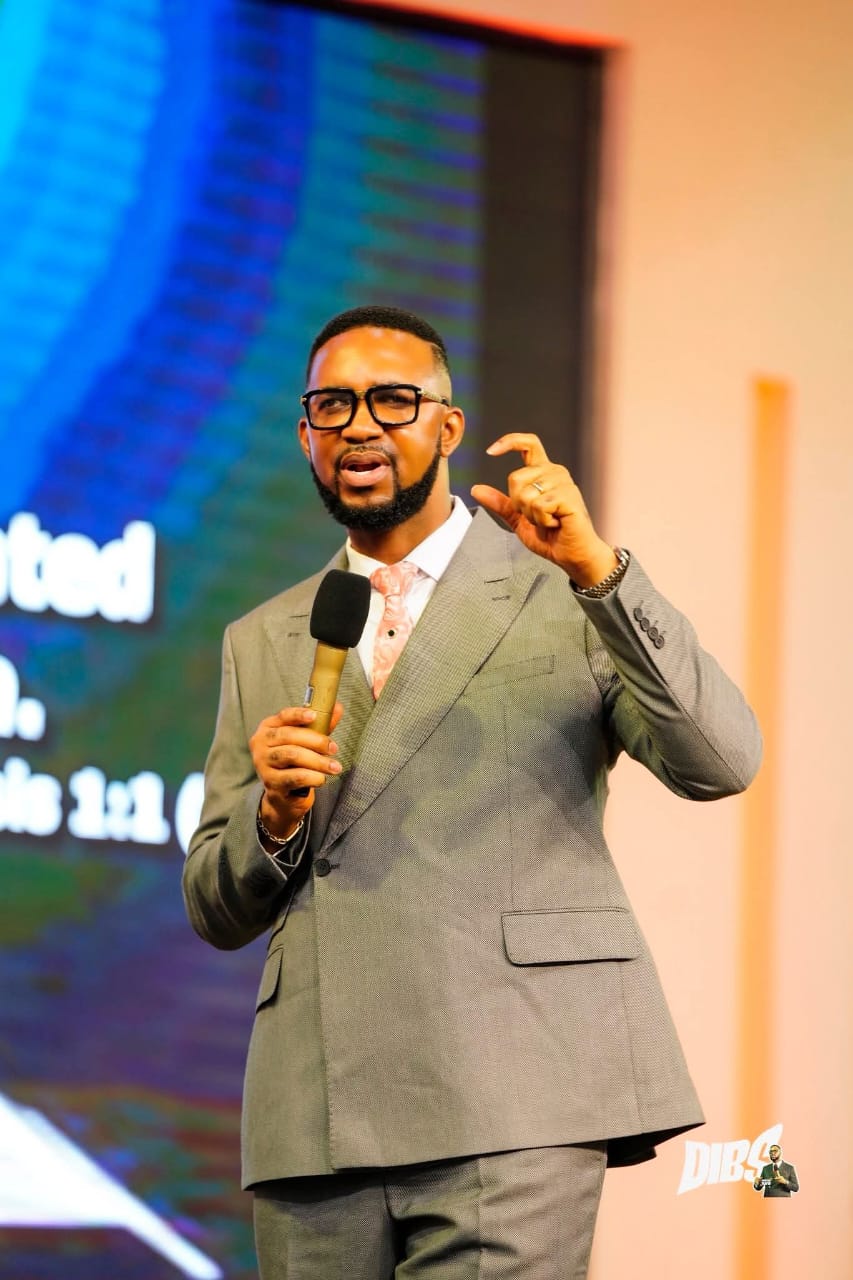
The Grace Nation midweek Prophetic Healing, Deliverance, and Solutions (PHDS) Service on 2nd April 2026 at the international headquarters in Ojodu Berger, Lagos, was a spectacular display of God’s power, marked by miracles, healing, and deliverance.
The God of Grace Nation continues to demonstrate His authority, breaking strongholds, healing the sick, restoring lost glory, and providing solutions to every problem presented at His altar.
Testimonies of God’s Power
One woman, previously diagnosed with a terminal condition and slated for a ₦4.5 million surgery due to inability to excrete, was prayed for by the Generational Prophet, Christopher Okafor, just a week after visiting the church. Declaring healing within 24 hours, she returned to testify to God’s miraculous intervention.
Another pregnant woman, whose baby was bridged and at risk, was located and prayed for. She returned to service with confirmation that her child is now well-positioned for delivery. Similarly, a woman booked for a C-section due to an overdue and poorly positioned pregnancy testified during the service that her baby is now properly positioned, ready for birth.
These testimonies underscore the truth: what God cannot do does not exist. Grace Nation has entered a new level of spiritual authority, and with faith, believers are witnessing the impossible become reality.
God Works by Principle, Not Gossip
In his sermon, Dr. Okafor emphasized that God does not operate on superstition, gossip, or social media pressures. His work is grounded in His Word, and it is through adherence to His principles that Grace Nation continues to flourish.
The Generational Prophet stressed that to enjoy divine blessings and fruitfulness, believers must remain connected to God’s Word, faithfully serve Him, and ignore distractions or side-talks. Focused commitment to God’s service guarantees alignment with His miraculous power.
Join the Movement
Grace Nation Worldwide is open for all who desire a life transformed by divine intervention. Weekly services include:
Sunday Service: 7:00 AM
Grace Nation Island Service (Ogombo): Wednesday, 5:00 PM
Midweek PHDS Service: Thursday, 7:00 AM
Attending these services under the ministry of the Generational Prophet ensures encounters with God’s supernatural power, life-changing miracles, and lasting breakthroughs.
Grace Nation Worldwide is not just a church—it is a reality where faith meets the supernatural.
By Sunday Adeyemi


-

 society6 months ago
Religion: Africa’s Oldest Weapon of Enslavement and the Forgotten Truth
-

 news4 months ago
WHO REALLY OWNS MONIEPOINT? The $290 Million Deal That Sold Nigeria’s Top Fintech to Foreign Interests
-

 society6 months ago
“You Are Never Without Help” – Pastor Gebhardt Berndt Inspires Hope Through Empower Church (Video)
-

 celebrity radar - gossips2 months ago
Dr. Chris Okafor Returns with Power and Fire of the Spirit -Mounts Grace Nation Altar with Fresh Anointing and Restoration Grace on February 1, 2026