
Politics
Nigeria 2027: Reject the Crumbs, Demand Your Future

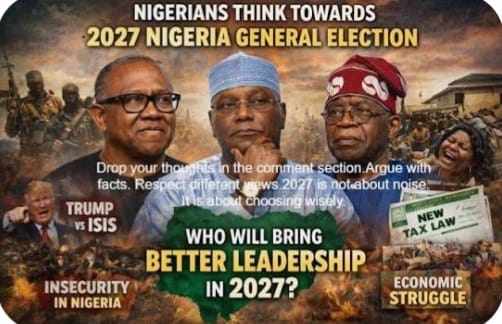
Nigeria 2027: Reject the Crumbs, Demand Your Future.
By George Omagbemi Sylvester | Published by SaharaWeeklyNG.com
“Why Nigerians Must Reject Short-Term Handouts and Demand Leaders Who Deliver Security, Dignity and a Future Beyond Crumbs.”
As Nigeria approaches the official campaign season for the 2027 general elections, a critical question confronts every citizen: WHAT WILL YOUR VOTE MEAN FOR THE NEXT FOUR YEARS OF YOUR LIFE? In a nation where political theatrics often overshadow the real struggles of everyday Nigerians, it is crucial that we pause, reflect and make deliberate choices. This is not merely a question of party loyalty, ethnicity, or charisma; it is a question of survival, dignity and the future of generations yet unborn.
The Limits of Symbolic Politics. Over the years, Nigerian politics has become synonymous with symbolic handouts and ephemeral gestures. Face caps, branded T-shirts, sacks of rice, litres of cooking oil and yards of Ankara have replaced substantive governance. Let us be candid: NO T-shirt can shield a family from insecurity, NO rice can fill an empty stomach for a year, let alone four. NO Ankara cloth can clothe the poverty that has become a permanent companion to millions of citizens. These tokens, though momentarily satisfying, are political distractions though a short-term sop designed to obscure long-term neglect.

Professor Adebayo Adedeji, a distinguished Nigerian economist, once emphasized, “Governments that measure their impact by the number of handouts they distribute have failed to grasp the essence of development. True leadership provides opportunity, security and empowerment, not temporary appeasements.”
The Cost of Compromised Choices. Many Nigerians, in the throes of economic hardship, are offered cash (sometimes N10,000, N20,000, or even a motorcycle) in exchange for loyalty at the polls. Yet, if we calculate the real cost, a one-time gift pales in comparison to the 4-year consequences of misgovernance. The average Nigerian household is already struggling under an inflation rate that, according to the National Bureau of Statistics, has consistently hovered above 20% in essential commodities. Housing, healthcare and education costs are rising exponentially. How can N10,000 adequately compensate for four years of stagnation, insecurity and mismanagement?
It is imperative to ask: how much do these politicians give their own children every month? If a child of privilege enjoys the luxury of quality education, access to healthcare and global exposure, while the masses are offered crumbs, it is a stark reflection of misplaced priorities and structural inequity.
Your Vote, Your Power. Many Nigerians feel powerless, believing their vote is meaningless in a system dominated by elite interests and entrenched political godfathers. This is a dangerous misconception. Democracy is not a spectator sport; it demands engagement, critical thinking and courage. By voting thoughtfully, Nigerians can disrupt cycles of corruption, favoritism and misrule.
Dr. Joe Obi, a political analyst at the University of Lagos, asserts: “Every citizen holds within their vote the power to redefine governance. It is the only legitimate instrument through which ordinary Nigerians can challenge systemic injustice.”
Your vote is not a mere expression of party loyalty, but it is a statement of self-worth, civic responsibility, and national dignity. It communicates that you refuse to be placated with temporary gestures while your rights, opportunities and security are compromised.
Reject Ethnic Politics. Nigeria’s political history is littered with examples of ethnic manipulation. Politicians routinely exploit identity to divide citizens, ensuring that loyalty to a tribe supersedes accountability to the nation. The suffering does not discriminate between Yoruba, Hausa, Igbo or Itsekiri. It is a Nigerian problem and any solution must be inclusive.

Dr. Chukwuma Soludo, former Governor of the Central Bank of Nigeria, notes: “Ethnicity as a political tool has been used to justify mediocrity, nepotism and the diversion of national resources. Progress demands leaders who rise above parochial loyalties.”
Voters must therefore scrutinize candidates for competence, integrity and a proven commitment to national development, rather than succumb to manipulative ethnic narratives.
The Illusion of Campaign Visits. Politicians are adept at cultivating appearances. During campaign season, they traverse states, meet constituents and promise sweeping reforms. Yet, the cycle is predictable: once elections are over, they vanish, leaving behind unfulfilled promises and neglected communities. The responsibility lies with voters to demand accountable leaders who prioritize sustainable policy over performative displays.
Character Over Charisma. Electoral decisions must hinge on the character, competence and integrity of candidates rather than their charisma, celebrity status, or financial clout. Leadership in Nigeria requires vision, discipline and a commitment to the welfare of all citizens. A leader who cannot guarantee security, economic opportunity, or social justice is a liability, regardless of party affiliation.
Professor Amina Jibril, a governance expert, emphasizes: “Leadership is a moral contract with society. When politicians exploit desperation, they violate that contract. Citizens must hold leaders accountable by demanding transparency and ethical governance.”
Local Votes, Global Implications. It is easy to think of elections as local exercises. In reality, the consequences reverberate far beyond municipal boundaries. Policy decisions made in Abuja influence international trade, security, investment and diplomatic relations. A mismanaged economy, for instance, not only impoverishes citizens but diminishes Nigeria’s credibility on the global stage. Investors, international organizations and diaspora Nigerians watch carefully. Poor leadership affects everyone, irrespective of geography.

Reject the Culture of Political Thuggery. Across the country, youths are often lured into serving as political enforcers, thugs or foot soldiers, risking their lives for candidates whose children live safely abroad. This form of exploitation is both morally reprehensible and strategically self-destructive. The children of politicians enjoy education, health care and freedom and why should ordinary youths risk life and limb for political elites who prioritize their own luxury over national progress?
The Nobel Laureate Wole Soyinka once warned: “A society that trades its youth for political expedience is a society that forfeits its future.” Wise citizens recognize the value of life and reject such coercion.
The Long-Term Vision. Nigeria’s path to sustainable development lies in rejecting short-term appeasement and embracing long-term vision. Citizens must vote for candidates committed to security, education, healthcare, infrastructure and transparent governance. Campaign promises are not merely slogans and they are a blueprint for the next four years. Every Nigerian deserves leaders who will convert these promises into actionable, measurable outcomes.
The International Crisis Group reports that nations that prioritize inclusive governance, anti-corruption measures and citizen engagement consistently achieve better social and economic indicators. Nigeria cannot afford to be left behind.
Final Reflection: Your Future is Non-Negotiable. The 2027 elections present a defining moment. Your vote is not a commodity, it is a declaration of your worth, your voice and your future. Reject temporary handouts, symbolic gestures and manipulative ethnic politics. Demand accountability, character and sustainable policy. The power resides in your hands and the consequences of apathy are profound.
Remember: life is too precious to be mortgaged for crumbs. Do not vote for the same cycle of poverty, insecurity and mediocrity. Vote with wisdom, courage and foresight. Engage, scrutinize and insist on leaders who honor the trust placed in them. Nigeria deserves nothing less than citizens who recognize their power, demand their rights and refuse to settle for less.
Be wise. Be thoughtful. Be relentless in your pursuit of a better Nigeria. The nation’s future depends on your choices.





Politics
Ogun Central To Host Final Zonal Townhall Meeting for Sen. Solomon Olamilekan Adeola, April 30
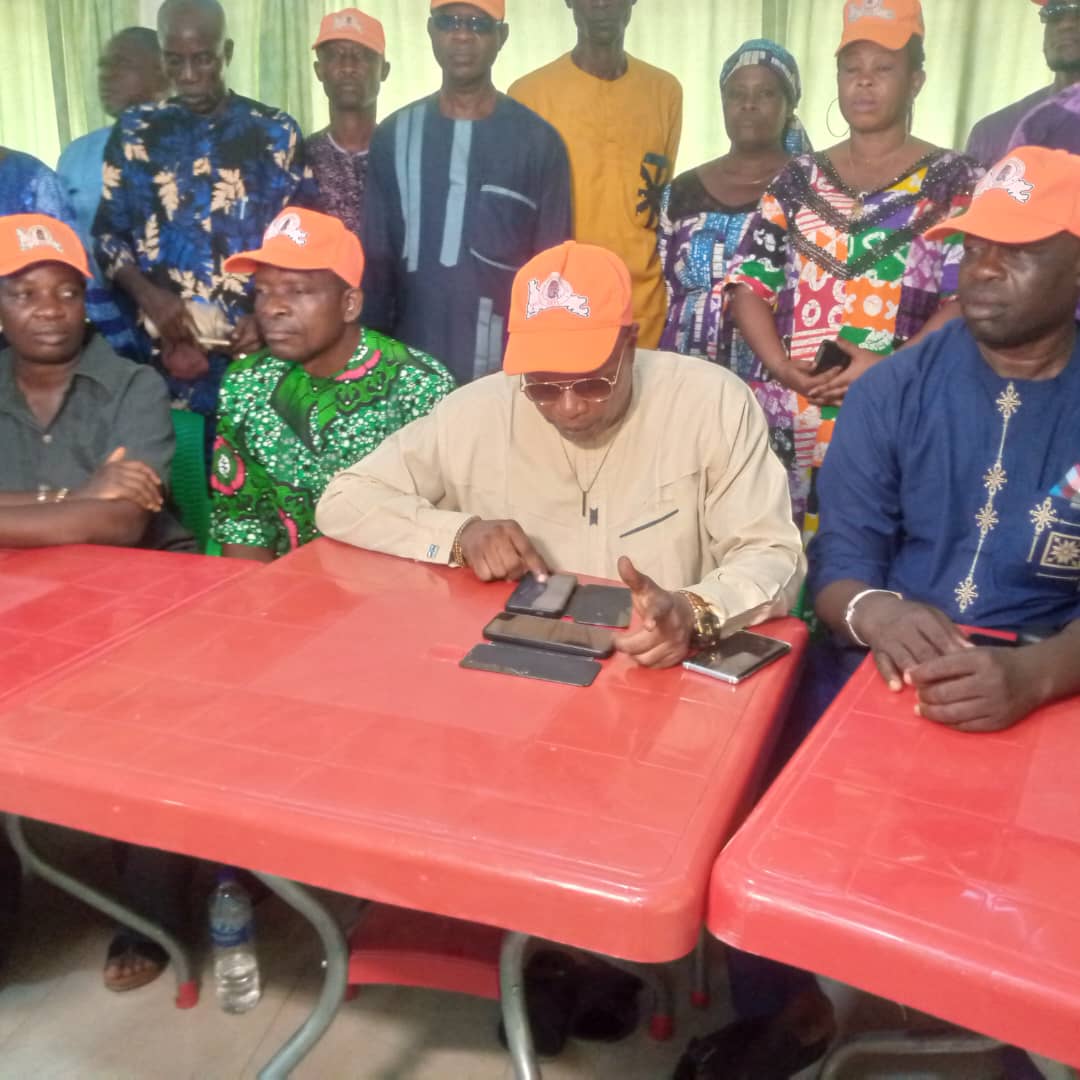
Ogun Central To Host Final Zonal Townhall Meeting for Sen. Solomon Olamilekan Adeola, April 30
-.Removes Hon.Olugbenga Lekuti as Deputy Director General,Ogun East
One of the leading Political Groups, Ogun Visionaries is set to host the final zonal edition of the Sen. Solomon Adeola Yayi town hall meetings in Abeokuta, Ogun State capital. The Ogun Central Edition, scheduled for April 30, 2026, aims to engage the electorate and push for Senator Yayi’s Governorship bid in 2027.
The event is themed ‘Ogun 2027: Yayi For All,’ marking the finale of the zonal town hall meetings.
Addressing Journalists on Tuesday in Abeokuta, Ogun State Capital,the Director General of Ogun Visionaries, Hon. Leye Odunjo, said the meeting will draw key stakeholders from Ogun Central’s political power circle.
Hon.odunjo stated that the event will kick off with a health walk, ‘Ogun Visionaries For Yayi Unity Walk,’ in the morning of April 30, 2026.The walk is themed ‘Let’s Walk for A United and Prosperous Ogun State,’ aiming to rally support for Senator Solomon Olamilekan Adeola Governorship aspiration.
“The town hall meeting is expected to feature prominent personalities, including Senator Solomon Olamilekan Adeola Yayi as the Special Guest of Honour. The event will provide a platform for interaction and engagement with the electorate”.
Ogun Visionaries has successfully held town hall meetings in Ogun West and Ogun East senatorial districts. The Ogun Central Edition is the final zonal meeting before moving to LGAs and wards.
The Director General while acknowledging the support received from various personalities since inception of the group,disclosed that distinguished individuals would be honoured with Award of Recognition during the event.
Odunjo, who is also a Senior Legislative Aide to the Deputy Senate President said “The political atmosphere in Ogun State is reportedly in tune with the people’s yearning for Yayi’s emergence. Ogun Visionaries is at the forefront of making this a reality.
“The event aims to unite stakeholders and push for a prosperous Ogun State. With Senator Yayi’s popularity growing, the meeting is expected to draw a large turnout.
“The Ogun Central Edition will provide a platform for stakeholders to interact and engage with the electorate. The event is seen as a crucial step towards achieving the group’s goals.
“Senator Solomon Olamilekan Adeola Yayi’s presence is expected to energize supporters and further boost his campaign for 2027” he added
Meanwhile, Ogun Visionaries has announced removal of Hon Olugbenga Lekuti as the Deputy Director General, DDG,Ogun East, of the group.
Announcing the removal in a brief statement made available to Journalists, Hon.Odunjo stated that Hon.Lekuti was relieved of the position as a result of his anti -group and anti -Yayi’s acts.
He added that a new Deputy Director General would be announced in due course.
Politics
Political Earthquake in Kano: How, Senator Rabiu Musa Kwankwaso, Nasiru Gawuna’s Move to ADC Reshapes North-West Politics
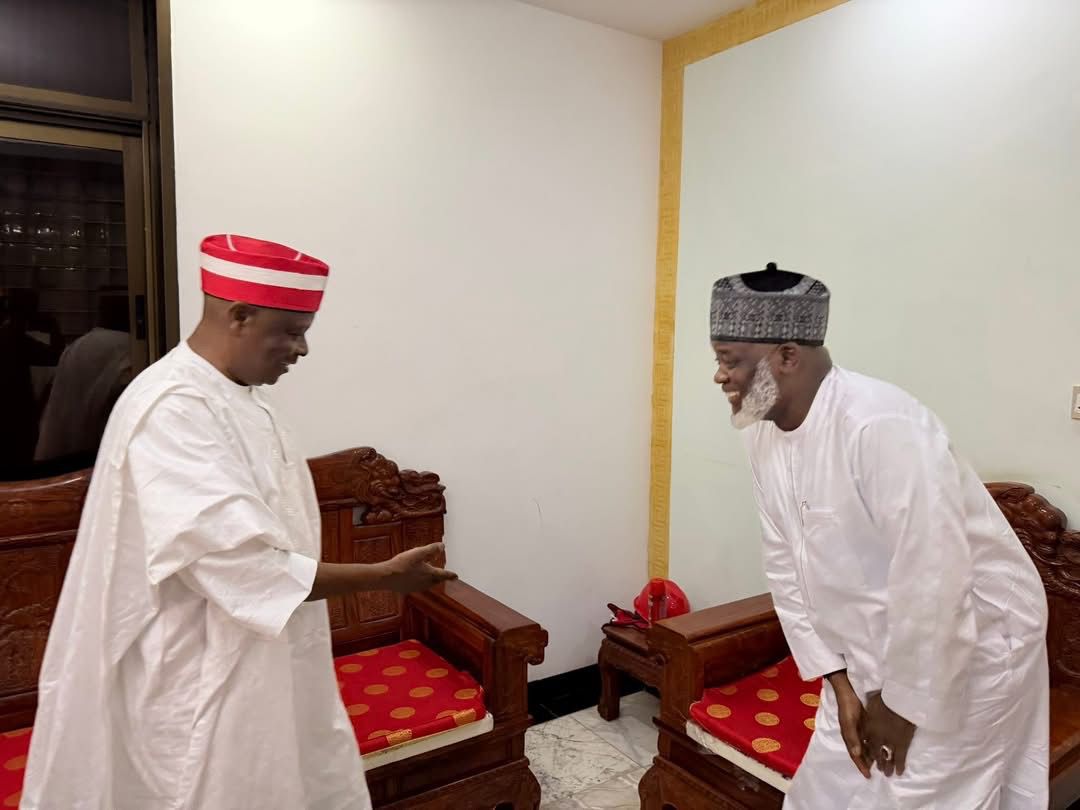
Political Earthquake in Kano: How, Senator Rabiu Musa Kwankwaso, Nasiru Gawuna’s Move to ADC Reshapes North-West Politics
The political atmosphere of Nigeria’s North-West was fundamentally altered on a sweltering afternoon in 2026 after Senator Rabiu Musa Kwankwaso former Governor of Kano State and Former Minister for Defence who is also the “Grand Commander” of the Red-Cap revolution, finalized a move that many viewed as the ultimate masterstroke of his political career. By transitioning from the NNPP to the African Democratic Congress (ADC), Kwankwaso did more than change platforms; he effectively reset the coordinates of the nation’s largest voting bloc.
Senator Kwankwaso’s pedigree is defined by a singular devotion to human capital development and an almost mythical grassroots loyalty preceded him. He turned a local movement, the Kwankwasiyya, into a disciplined, ideological army that transcends traditional party structures. His entry into the ADC instantly transformed a secondary party into a formidable fortress, signaling to the ruling elite that the North-West is no longer a monolith under their control.
The gravity of this shift is most profound in Kano, the heartbeat of Northern commerce. For years, the state was a polarized battlefield between the Kwankwasiyya and established conservative wings. However, the entry of Nasiru Yusuf Gawuna into the same ADC orbit has created a “Kano Super-Alliance” that was previously unthinkable. Kwankwaso, the visionary architect who sent thousands of Kano’s children to global universities, now finds his populist ideology merging with Gawuna’s administrative steadiness and deep-rooted institutional connections.
This synergy is a seismic departure from the politics of “zero-sum” rivalry; it is a calculated fusion of mass appeal and the strategic machinery required to protect and deliver votes.
This move reshuffles the entire North-West deck. As Kwankwaso plants the ADC flag across the region, he is attracting a wave of heavyweights from Kaduna to Sokoto who feel marginalized by the status quo. His political pedigree allows him to speak with a regional authority that others lack, positioning himself as a protector during a time of economic uncertainty. By bringing Gawuna into this fold, the dynamics of Kano politics have shifted from a war of attrition to a coalition of necessity. This alliance creates a “Third Way” that bypasses the failures of the old guard, promising a return to the rapid growth that defined the Kwankwaso years, but with a broader, more inclusive base that could dictate the occupant of Aso Rock in 2027.
Kwankwaso’s career has always been defined by a uniquely personal brand of power. From 1999 to 2015, he served two terms as Governor of Kano State, in addition to roles as Minister of Defence and Senator. While many were surprised by his recent maneuvers; especially following closed-door meetings with President Bola Tinubu, he chose the emerging ADC over the ruling APC.
In the high-stakes theater of Nigerian politics, few events have jolted the region quite like the defection of Nasiru Yusuf Gawuna from the APC to the ADC on March 31, 2026. Coming just twenty-four hours after Kwankwaso’s move, Gawuna’s transition fundamentally has also altered the political calculus in Kano. What makes this moment remarkable is the sheer drama of the reversal. Gawuna’s political journey has been a steady, calculated ascent through Kano’s establishment. He first shot to prominence as Commissioner of Agriculture under Governor Abdullahi Umar Ganduje, earning a reputation for hands-on management in a state where farming is the economic backbone. He eventually rose to Deputy Governor, serving for nearly six years and gaining invaluable executive experience. Beyond partisan politics, Gawuna distinguished himself as Chairman of the Governing Council of Bayero University and, most recently, as Chairman of the Federal Mortgage Bank of Nigeria (FMBN). He resigned from the FMBN on March 27, 2026, citing compliance with presidential directives regarding political appointees.
A look back at the 2023 gubernatorial election reveals just how significant Gawuna is. Running under the APC, he polled over 890,000 votes against the formidable Kwankwasiyya machine. This proved that he is one of the few politicians in Kano who can genuinely compete with Kwankwaso’s electoral machinery. His strength is threefold: he appeals to the youth, the religious establishment (Ulama), and the business community; he has the capacity to split the APC vote; and he has demonstrated he can deliver votes independently of a larger party wave. To understand the magnitude of this defection, one must appreciate the complete inversion of alliances since 2023. Back then, Governor Abba Kabir Yusuf ran on the NNPP ticket with Kwankwaso’s backing, while Gawuna carried the APC banner with Ganduje’s support. By 2027, the roles will likely reverse: Governor Yusuf is positioned to run under the APC with Ganduje’s blessing, while Gawuna is poised to run under the ADC with Kwankwaso’s endorsement.
From the perspective of the Kwankwasiyya movement, Gawuna’s arrival is a “return” rather than a “recruitment,” as he was part of the movement’s pioneer cohort. This narrative neutralizes accusations of opportunism. For his part, Gawuna framed his move in terms of service and divine guidance, with sources indicating he felt marginalized within the APC after his 2023 defeat.
The reaction from within the APC has been one of worry and regret. President Tinubu, recognizing the stakes, reportedly directed party leaders to prevent Gawuna’s move, even offering him an automatic Senatorial ticket for 2027. The failure of this pressure campaign, Gawuna reportedly placed his phone on “Do Not Disturb” and traveled abroad to avoid lobbyists represents a significant defeat for the presidency’s political management. This crisis prompted emergency meetings between President Tinubu, Dr. Ganduje, and Badaru Abubakar at the Presidential Villa to reorganize their strategy.
The long-term implication is the potential break of the APC-PDP duopoly. The ADC is now positioning itself as a genuine “third force” in the North-West. The defection of high-profile figures like Senator Ahmed Babba-Kaita, Senator Aishatu “Binani” Ahmed, and former Justice Minister Abubakar Malami suggests a coordinated realignment. This competition could force more substantive policy debates and reduce the “zero-sum” intensity of regional elections.
The projected 2027 gubernatorial rematch between Gawuna (ADC) and Governor Yusuf (APC) will be a battle between two men with established records. Voters will have a genuine choice between performance and platform rather than just shifting loyalties. As Gawuna put it: “Allah gives power to whom He wants and when He wants.” While the 2027 elections will reveal where that power flows, it is already clear that the political landscape of the North-West will never look the same again.
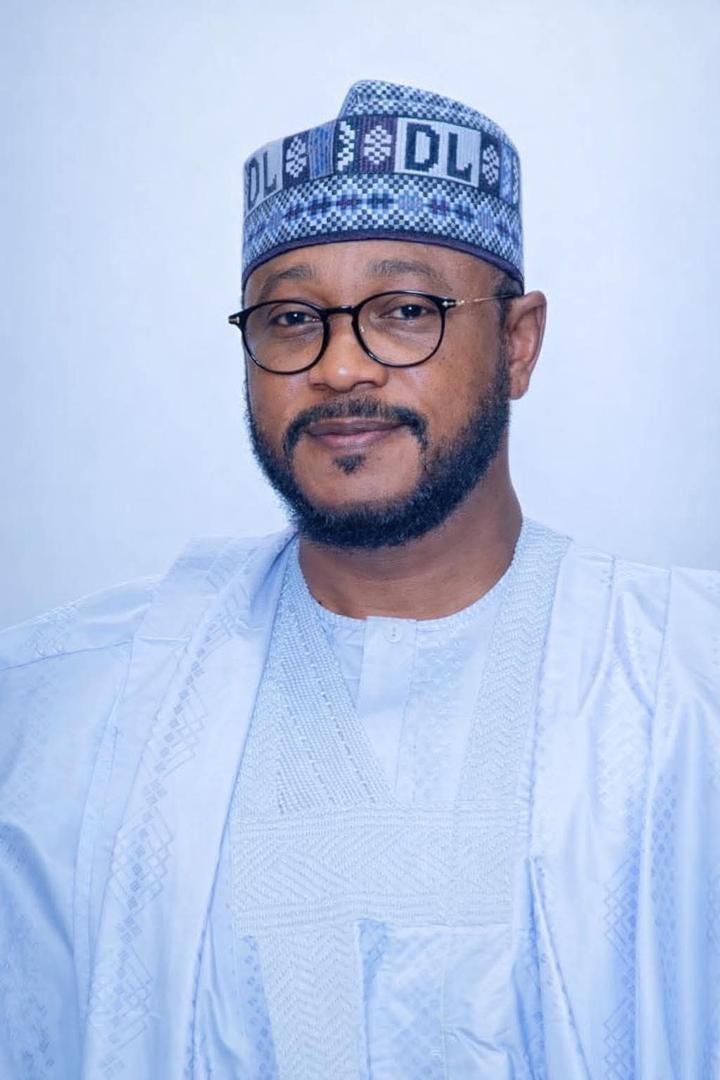
Governor Dauda Lawal Approves Gratuity Payment
The Zamfara State Government, under the visionary leadership of Governor Dauda Lawal, has approved the release of funds for the payment of Gratuity Batch 3 for the 2024/25 period. This decisive action underscores the administration’s unwavering commitment to the welfare of retired civil servants who dedicated years of service to the state’s development.
The Accountant General of the State is already working diligently to ensure that all eligible retirees receive their payments promptly and efficiently, reflecting the government’s resolve to uphold transparency and accountability in the disbursement process.
This timely gratuity payment is a testament to Governor Dauda Lawal’s people-centered leadership, which recognizes the sacrifices and contributions of retirees to the progress and stability of Zamfara State. It also reaffirms the government’s pledge to honor its financial obligations without unnecessary delays.
The Zamfara State Government calls on all retirees in the affected batch to exercise patience as the necessary administrative and financial processes are finalized. Every effort is being made to ensure smooth and uninterrupted payments.
This initiative is part of Governor Dauda Lawal’s broader vision to empower citizens and retirees, strengthen confidence in public service, and sustain the morale of those who have committed their lives to the growth of Zamfara State.


- ABB’s Application Configurator brings speed and precision to grid-feeding protection system design April 7, 2026
- Can Equatorial Guinea Reposition as West Africa’s Gas Hub? April 7, 2026
- Afreximbank Partners with African Energy Week 2026 to Drive Africa-Led Energy Deals April 7, 2026
- Merck Foundation Marks ‘World Health Day’ 2026 – Transforming Patient Care in Africa and Beyond through 2600+ Scholarships for Healthcare Providers From 52 Countries April 7, 2026
- Morocco Gas Plan Reset Could Open Door to New Investment Models April 7, 2026
- African Petroleum Producers Organization (APPO) Secretary General Joins Angola Oil & Gas (AOG) 2026 as African Energy Bank Eyes June 2026 Debut April 7, 2026
- Ghanaian Biomedical Specialist Receives International Award April 7, 2026
- Grey Connects the Africa-Canada Money Corridor With Instant Transfers via Interac April 7, 2026
- Nigeria’s Oil Revival in Focus as Petroleum Minister Lokpobiri Joins Paris Energy Forum April 7, 2026
- CLG Expands into Libya and Central Africa, Named Official Legal Partner for African Energy Week (AEW) 2026 April 7, 2026
- ABB’s Application Configurator brings speed and precision to grid-feeding protection system design April 7, 2026
- Can Equatorial Guinea Reposition as West Africa’s Gas Hub? April 7, 2026
- Afreximbank Partners with African Energy Week 2026 to Drive Africa-Led Energy Deals April 7, 2026
- Merck Foundation Marks ‘World Health Day’ 2026 – Transforming Patient Care in Africa and Beyond through 2600+ Scholarships for Healthcare Providers From 52 Countries April 7, 2026
- Morocco Gas Plan Reset Could Open Door to New Investment Models April 7, 2026
- African Petroleum Producers Organization (APPO) Secretary General Joins Angola Oil & Gas (AOG) 2026 as African Energy Bank Eyes June 2026 Debut April 7, 2026
- Ghanaian Biomedical Specialist Receives International Award April 7, 2026
-

 society7 months ago
Religion: Africa’s Oldest Weapon of Enslavement and the Forgotten Truth
-

 news4 months ago
WHO REALLY OWNS MONIEPOINT? The $290 Million Deal That Sold Nigeria’s Top Fintech to Foreign Interests
-

 society7 months ago
“You Are Never Without Help” – Pastor Gebhardt Berndt Inspires Hope Through Empower Church (Video)
-

 celebrity radar - gossips2 months ago
Dr. Chris Okafor Returns with Power and Fire of the Spirit -Mounts Grace Nation Altar with Fresh Anointing and Restoration Grace on February 1, 2026