
society
Nigeria’s Tragedy of Leadership: Why Bad Governance Refuses to Die. (NIGERIA BLEEDS NOT FROM POVERTY BUT FROM LEADERSHIP FAILURE)

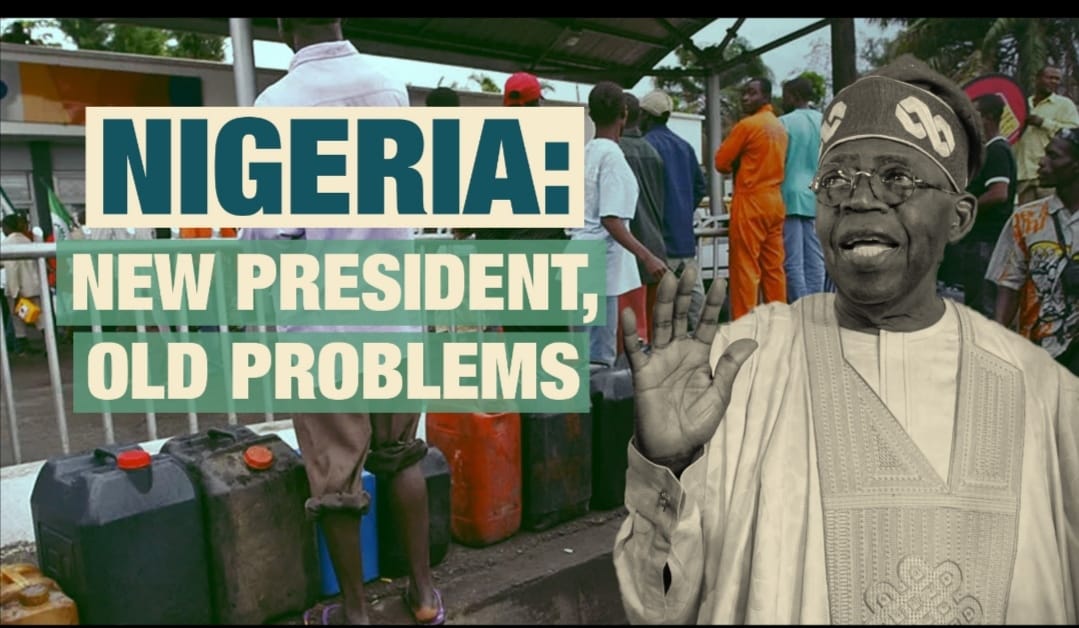
Nigeria’s Tragedy of Leadership: Why Bad Governance Refuses to Die. (NIGERIA BLEEDS NOT FROM POVERTY BUT FROM LEADERSHIP FAILURE)
By George Omagbemi Sylvester | Sahara Weekly
Nigeria, Africa’s most populous country and one of its richest in natural resources, stands today as a paradox: WEALTHY in RESOURCES but IMPOVERISHED in GOVERNANCE. Despite having the continent’s largest economy, abundant crude oil reserves and an intelligent youth population, Nigeria remains crippled by bad governance. The reasons are not HIDDEN; they are VISIBLE, REPEATABLE and PREDICTABLE. Yet, like a nation cursed, Nigeria continues to recycle the same patterns of leadership failure.
The question is simple: Why does bad governance persist in Nigeria despite DECADES of INDEPENDENCE, ABUNDANT TALENT and ENORMOUS OPPORTUNITIES? The answer lies in seven critical realities, each a dagger stabbing at the nation’s future.

1. BLIND LOYALTY and FEAR of CORRECTION.
In most functioning democracies, advisers, ministers and cabinet members serve as checks on executive excesses. In Nigeria, SYCOPHANCY has replaced CONSTRUCTIVE CRITICISM. Ministers and aides often see themselves not as public servants but as errand boys for the president, governor or local chairman.
The fear of losing political appointments silences voices of truth. Instead of correcting a leader’s mistakes, they applaud them, even when such errors drive the nation deeper into crisis. This culture of blind loyalty perpetuates incompetence.
The late Chinua Achebe, Nigeria’s literary giant, captured it aptly: “THE TROUBLE WITH NIGERIA IS SIMPLY AND SQUARELY A FAILURE OF LEADERSHIP.” Leaders are surrounded by praise singers who lack the courage to tell them hard truths. Without correction, misgovernance festers unchecked.
2. CORRUPTION and SELF-INTEREST.
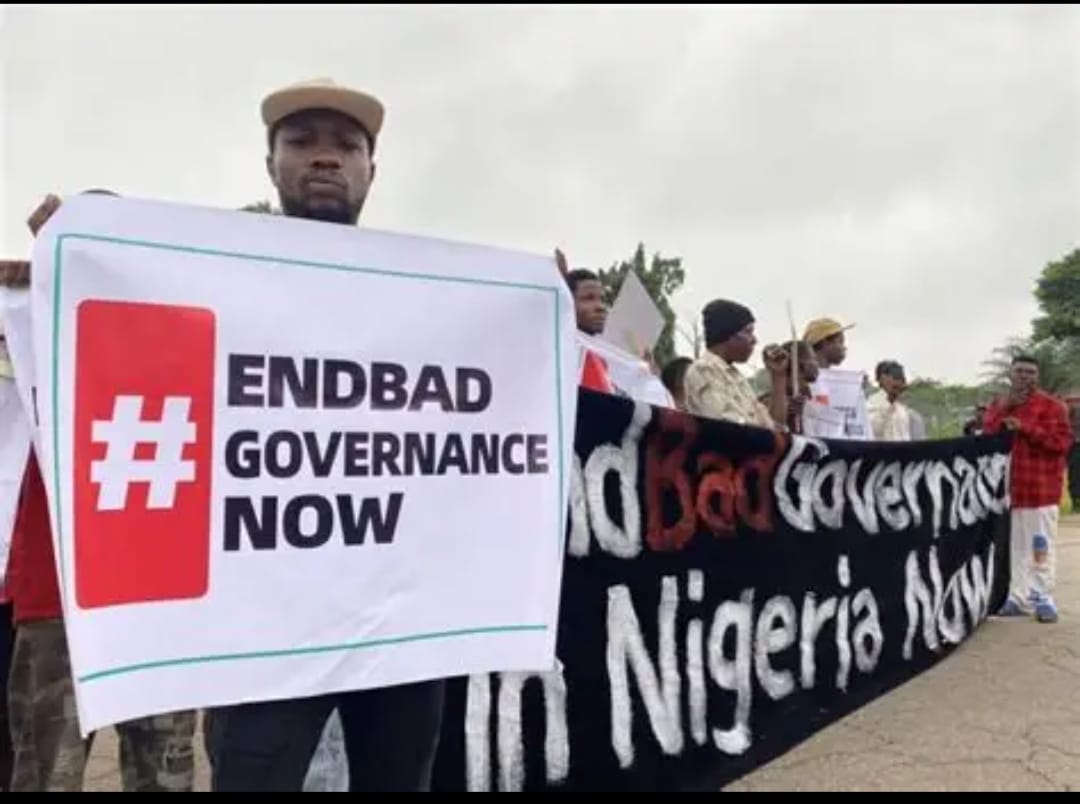
Corruption remains Nigeria’s biggest albatross. From the first republic till today, it has swallowed billions of dollars meant for hospitals, schools, roads and electricity. Transparency International’s 2023 Corruption Perception Index ranked Nigeria 145th out of 180 countries, a dismal position for Africa’s so-called giant.
Former U.S. Secretary of State Hillary Clinton once said in Abuja: “The failure of governance in Nigeria is the failure of leadership at every level, and it is fueled by corruption.”
Public office in Nigeria is often treated as a private investment. Politicians view elections as an opportunity to recoup campaign funds and amass wealth. This greed diverts resources from national development into personal pockets. Little wonder why Nigeria, despite earning over $1 trillion from oil exports since the 1970s, still suffers epileptic electricity supply and crumbling infrastructure.
3. WEAK INSTITUTIONS.
Strong institutions (not strong men) sustain democracies. Unfortunately, Nigeria’s judiciary, legislature and anti-corruption agencies are weak, compromised and often controlled by the executive.
The judiciary, meant to be the last hope of the common man, is widely perceived as corrupt. Election tribunals have become markets where judgments are allegedly bought by the highest bidder. Legislators, instead of holding the executive accountable, often bow in submission for political survival or “CONSTITUENCY PROJECTS” padded with corruption.
Political scientist Larry Diamond once warned: “Where institutions are weak, democracy cannot thrive.” Nigeria is living proof of that. Without impartial institutions, leaders operate unchecked, deepening cycles of abuse of power.
4. TRIBALISM, RELIGION and NEPOTISM.
Nigeria’s diversity should be a blessing, but in the hands of selfish leaders, it has become a curse. Appointments are not based on MERIT but on TRIBE, RELIGION and NEPOTISM. This culture sidelines competent technocrats while promoting mediocrity.
President Muhammadu Buhari’s administration (2015–2023) was widely criticized for EXCESSIVE NEPOTISM, with key security and economic positions allegedly dominated by one section of the country. Such lopsidedness fuels resentment, deepens ethnic mistrust and kills the spirit of nationalism.
As former UN Secretary-General Kofi Annan once said: “Good governance is perhaps the single most important factor in eradicating poverty and promoting development.” Where leaders choose LOYALTY over COMPETENCE, PROGRESS is IMPOSSIBLE.
5. LACK of CITIZEN PARTICIPATION.
A passive citizenry sustains bad governance. In Nigeria, millions of citizens complain in private but fail to challenge corruption in public. Protests are rare and when they occur, they are often hijacked or crushed by state security forces.
During the #EndSARS protests of 2020, Nigerian youths demonstrated the power of collective action against police brutality. The brutal military crackdown at Lekki Toll Gate sent a chilling message: RESISTANCE comes with DEADLY CONSEQUENCES. Since then, citizen participation has weakened and many Nigerians now suffer in silence.
Political theorist Edmund Burke’s timeless warning comes alive: “The only thing necessary for the triumph of evil is for good men to do nothing.” Silence is Complicity and in Nigeria, it emboldens corrupt leaders.
6. POOR LEADERSHIP VISION.
Great nations are built on visionary leadership. Lee Kuan Yew transformed Singapore from a swamp into a global hub. Rwanda, under Paul Kagame, rose from genocide to become Africa’s model of governance. Nigeria’s leaders lack such foresight.
Nigerian politics is not driven by ideology or policy but by SURVIVAL, PATRONAGE and SHORT-TERM GAINS. Most leaders think only of the next election, not the next generation. Long-term planning is abandoned for QUICK-FIX POPULISM.
The late Nelson Mandela once said: “Visionary leadership means setting out a future that may not be popular but is necessary for progress.” Unfortunately, Nigerian leaders prefer POPULARITY over PROGRESS.
7. POVERTY and IGNORANCE.
Perhaps the most dangerous weapon sustaining bad governance is poverty. With over 133 million Nigerians living in multidimensional poverty (NBS 2022), politicians easily exploit the masses with food, cash or hollow promises during elections.
Hungry citizens rarely vote based on policy; they vote based on survival. A bag of rice, a few thousand naira or a temporary job is enough to buy loyalty. Poverty erodes critical thinking and weakens resistance against corrupt leaders.
Ignorance compounds the problem. Many citizens are unaware of their constitutional rights or the true responsibilities of government. Instead of demanding accountability, they worship politicians as benefactors. This ignorance is what keeps bad governance alive.
The Way Forward: CAN NIGERIA BREAK THE CYCLE?
Nigeria’s story need not remain a tragedy. Change is possible, but it requires COURAGE, VISION and SACRIFICE. First, institutions must be strengthened to checkmate leaders’ excesses. Second, MERIT (not ethnicity or religion) must drive appointments. Third, civic education must awaken citizens to their power. Finally, poverty alleviation must become central to governance, because a hungry population cannot defend democracy.
As former U.S. President Barack Obama once declared during his visit to Ghana: “Africa doesn’t need strong men. It needs strong institutions.” Nigeria must heed this call if it is to escape its endless dance with bad governance.
Final Thoughts.
Bad governance in Nigeria is not accidental; it is SYSTEMIC, DELIBERATE and SUSTAINED by CORRUPTION, WEAK INSTITUTIONS, TRIBALISM, POVERTY and CITIZEN APATHY. Until these cancers are addressed, Nigeria will continue to bleed, despite its enormous potential.
The destiny of over 200 million people cannot be left in the hands of selfish leaders and corrupt institutions. Citizens must rise, demand accountability and reject mediocrity. Otherwise, as Achebe warned decades ago, the trouble with Nigeria will remain SIMPLY and SQUARELY a FAILURE of LEADERSHIP.









You Against Crime Founder Tayo Folorunsho Praises Winners of Abuja Schools Festival.
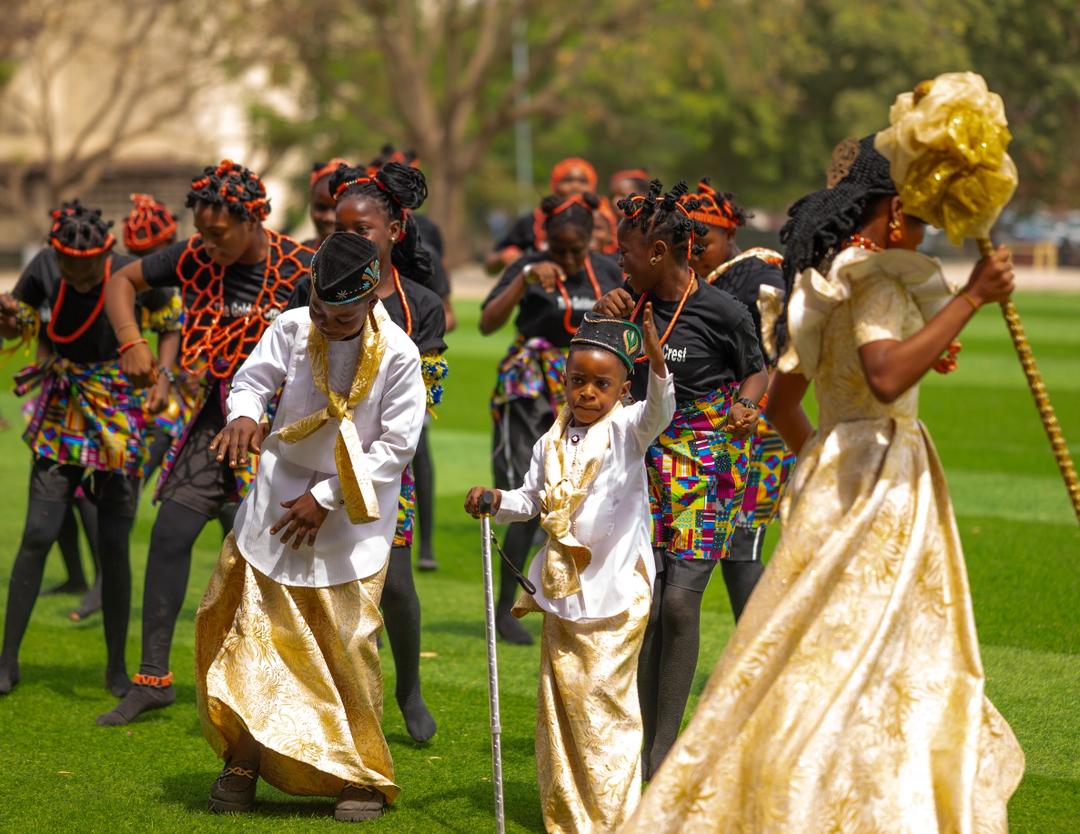
Abuja, Nigeria – The maiden edition of the You Against Crime – Schools Festival 2026 Grand Finale has concluded, marking a significant milestone in youth engagement and crime prevention efforts across the Federal Capital Territory (FCT).
The event, held at the University of Abuja, brought together 78 secondary schools from the six Area Councils of Abuja, with the top six schools competing in the Grand Finale.
*Winners Emerge*
Tudunwada School, Bwari took the top spot, followed closely by The Golden Crest Royal in second place, and Government Secondary School, Kuje in third.
*CULTURE, THE CURE FOR CRIME*
The festival’s theme, “Culture, The Cure for Crime,” highlighted the importance of values, identity, mentorship, and positive engagement in preventing crime and shaping responsible citizenship among young people.
*DISTINGUISHED GUEST SPEAKERS*
Auwal Musa Rafsanjani, Chairman, Amnesty International, praised the initiative, saying, “This festival is a beacon of hope for our young people, promoting values and principles that can shape a brighter future for Nigeria.”
Aisha Mohammed, Head of Enlightenment & Re-orientation, Economic and Financial Crimes Commission, emphasized the importance of mentorship, stating, “Empowering young people with the right guidance and opportunities is key to preventing crime and building a stronger nation.”
*PARTNERSHIP AND SUPPORT*
The 2026 Grand Finale Edition was proudly sponsored by Civicx Technology Ltd Int’l, reinforcing a shared commitment to youth empowerment and crime prevention through cultural reorientation and innovation.
Tayo Folorunsho, Host & Founder, You Against Crime International, addressing the media and appealed to government agencies to support initiatives like this, targeting young minds early.
You Against Crime International is a movement advocating cultural change as a long-term solution to crime. The organization remains committed to advancing youth development, civic responsibility, and nation-building across Nigeria.


TICP Customs Launches Paperless Regime, Warns Against False Declarations
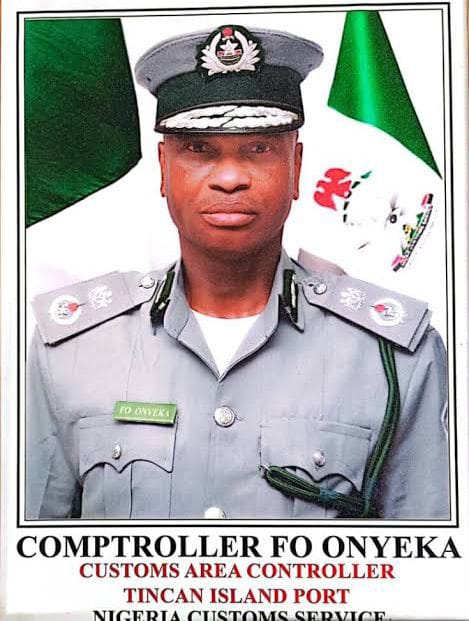
The Customs Area Controller of Tin Can Island Port Command of the Nigeria Customs Service (NCS), Comptroller Frank Onyeka, has launched a roadmap for the full implementation of a paperless regime at the command.
Onyeka disclosed this during a press briefing in Lagos, stating that the command was fully prepared for seamless digital operations ahead of the nationwide rollout scheduled for the second quarter of the year.
He described the engagement as the first in a series of consultations aimed at sensitising stakeholders on the strategies, operational framework and expectations under the new regime.
The controller commended the media for its constructive reportage since his assumption of office and sought continued collaboration to ensure the success of the initiative.
Presenting the command’s performance report, Onyeka said the Tin Can Island Command generated ₦609 billion in revenue in 2025, describing it as the highest in the history of the command.
He added that revenue collection rose from ₦116 billion recorded in January of the previous year to ₦145 billion in the corresponding period last month, representing an increase of over ₦29.9 billion.
Onyeka stated that his vision was to make the command known for trade efficiency, explaining that under the paperless regime, containers would be released without physical contact between Customs officers and clearing agents, provided declarations were accurate.
He credited the Comptroller-General of Customs, Bashir Adewale Adeniyi, for providing the leadership and strategic direction driving modernisation efforts across Customs formations nationwide.
The controller urged stakeholders to avoid false declarations and engage directly with the command to resolve concerns, emphasising that transparency and dialogue were essential to achieving efficient port operations.
He assured that consignments with clear scanning results and proper documentation would be released promptly, while those flagged by the risk management system would undergo physical examination, adding that the command would continue to collaborate with other agencies to reduce cargo dwell time and enhance port efficiency.
Love on Display: Katie Price and Lee Put On a Public Show of Affection
By George Omagbemi Sylvester | Published by SaharaWeeklyNG
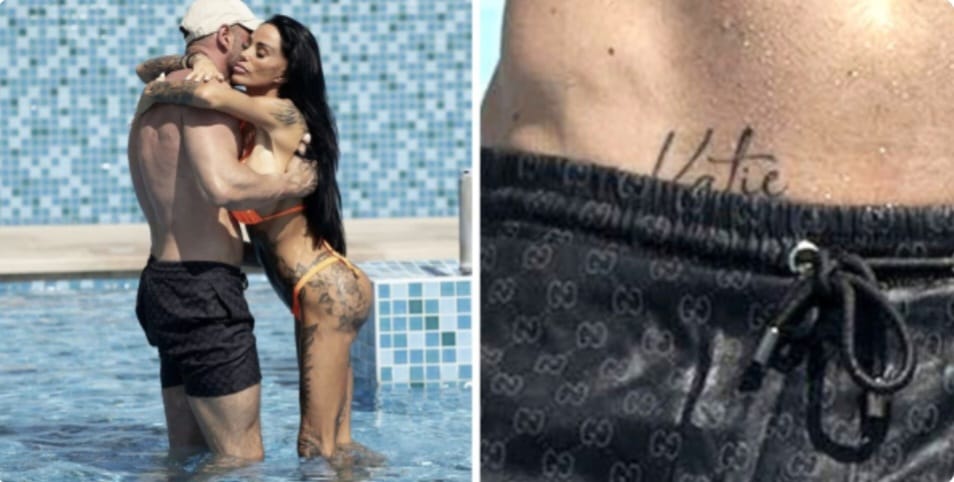
British media personality Katie Price is once again at the center of tabloid and public attention after being photographed poolside with her new husband, Lee, in a display of affection that quickly circulated across entertainment platforms. The images, reportedly taken during a recent leisure outing at a private resort location in the United Kingdom, show the couple embracing and kissing beside a swimming pool, with Lee prominently displaying a tattoo tribute dedicated to Price.
The photographs, which surfaced in mid-February 2026 through British tabloid outlets, depict the couple appearing relaxed and affectionate. Lee, whose full name has been reported in sections of the UK press but who largely maintains a lower public profile compared to his wife, lifted his arm to reveal a visible tattoo said to be in honor of Price and a gesture widely interpreted as a public affirmation of their relationship.
What happened was straightforward but symbolically charged: a public display of affection between newlyweds, amplified by Price’s longstanding celebrity status. Where it happened (poolside at what sources describe as a private holiday setting) underscores the blending of personal life and public spectacle that has long defined Price’s media journey. During a recent February getaway placed it squarely within ongoing tabloid interest surrounding her latest marriage. Price, 47 and her new husband Lee, whose visible tribute tattoo became the focal point of the moment.
Celebrity culture scholars argue that public figures such as Price operate within a media ecosystem where visibility sustains relevance. “Modern celebrity is performative intimacy,” explains Professor Graeme Turner, a media and cultural studies scholar known for his work on celebrity culture. “Public displays of affection are not merely private acts; they are communicative gestures that reinforce brand identity and narrative continuity.” In Price’s case, her romantic relationships have long been interwoven with her public persona.
Price first rose to prominence in the late 1990s under the glamour model moniker “Jordan,” before transitioning into reality television, publishing and business ventures. Her personal life (including previous marriages and high-profile relationships) has frequently generated headlines in the British press. This latest marriage continues that pattern of intense scrutiny.
The tattoo tribute displayed by Lee is particularly significant in celebrity symbolism. Body art dedicated to a partner is often perceived as a declaration of permanence. Dr. Chris Rojek, emeritus professor of sociology and an authority on fame and public identity, has observed that “celebrity relationships are sustained as much through symbolic reinforcement as through private commitment. Visible tokens (rings, tattoos, coordinated appearances) function as public assurances.” In this case, the tattoo serves not merely as personal expression but as a visual narrative device in an already highly mediated relationship.
How the moment unfolded (casually but conspicuously) reflects the dynamics of contemporary celebrity coverage. Photographs were reportedly captured either by paparazzi stationed nearby or shared through controlled media access, a common practice in the British entertainment industry. Within hours, the images were republished by multiple outlets, accompanied by commentary on Price’s relationship history and ongoing legal and financial challenges, issues that have previously placed her under intense public scrutiny.
Despite recurring controversy throughout her career, Price remains a resilient media figure. Communications analyst Mark Borkowski has previously remarked in interviews that “Katie Price understands publicity better than most. Whether by design or instinct, she maintains a feedback loop with the press that keeps her culturally visible.” The poolside photographs appear to fit squarely within that established pattern of managed exposure and reactive media amplification.
Critically, there is no indication of misconduct, public disturbance or controversy tied directly to the poolside display itself. It was, by all verified accounts, a consensual and celebratory expression of affection between married adults. The wider attention it has generated speaks less to the act and more to the individuals involved; particularly Price’s enduring position within British popular culture.
For global audiences, the episode illustrates a broader truth about contemporary fame: private milestones often become public commodities. The marriage of Katie Price and Lee (and the symbolic tattoo that now marks it) has become another chapter in a life lived persistently under the camera’s gaze.
As celebrity culture continues to blur boundaries between intimacy and publicity, moments like this poolside embrace are no longer trivial snapshots. They are narrative events, reinforcing identity, commitment and brand continuity in equal measure.


-

 celebrity radar - gossips6 months ago
Why Babangida’s Hilltop Home Became Nigeria’s Political “Mecca”
-

 society6 months ago
Power is a Loan, Not a Possession: The Sacred Duty of Planting People
-
 society5 months ago
Religion: Africa’s Oldest Weapon of Enslavement and the Forgotten Truth
-

 news6 months ago
THE APPOINTMENT OF WASIU AYINDE BY THE FEDERAL GOVERNMENT AS AN AMBASSADOR SOUNDS EMBARRASSING