
Politics
PDP’s Adeleke wins Osun governorship poll [FULL RESULTS]

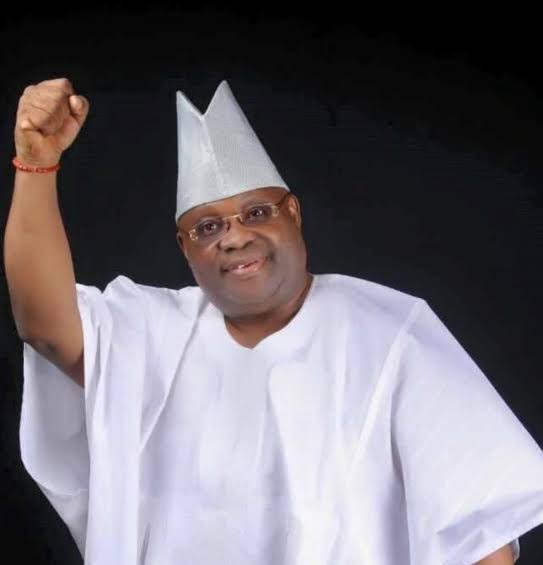
PDP’s Adeleke wins Osun governorship poll [FULL RESULTS]
By Olorunfemi Adejuyigbe
![PDP’s Adeleke wins Osun governorship poll [FULL RESULTS]](https://i0.wp.com/saharaweeklyng.com/wp-content/uploads/2022/02/images-2.jpeg?ssl=1)
Senator Ademola Adeleke, the governorship candidate of the Peoples Democratic Party (PDP), has officially been declared the winner of the Saturday’s Osun State governorship election, THE WITNESS reports.
Adeleke won 17 of the 30 Local Government Areas (LGAs) while the incumbent Governor, Adegboyega Oyetola of the All Progressives Congress (APC) won in the remaining 13 LGAs.
Declaring the winner, Professor Oluwatoyin Ogundipe, the vice-chancellor of the University of Lagos (UNILAG), who is the the Independent National Electoral Commission (INEC) returning officer, said Adeleke polled a total of 403, 371 to win the election. Oyetola polled 375, 027 votes to come second.
He said that Adeleke had satisfied the law and was, therefore, declared the winner.
“That I, Prof. Oluwatoyin Ogundipe, hereby certified that I am the returning officer of the Osun 2022 Governorship Election held on July 16.
“That Ademola Adeleke, the candidate of PDP, having satisfied the requirements of the law, is hereby declared the winner and returned,” Ogundipe declared.
A total of 1,955,657 were eligible to vote in the election held across the 30 local government areas of the state with 3,763 polling units.
SEE THE FULL RESULTS BELOW:
Ife East LGA
APC – 19,353
PDP – 18,071
A – 305
Total Registered voters – 114,403
Accredited voters – 41,006
Total Valid votes – 39,125
Ife South LGA
APC – 12,481
PDP – 9,116
A – 36
Total Registered voters – 56,706
Accredited voters – 22,927
Total Valid votes – 22,326
Atakunmosa East LGA
APC – 7,449
PDP – 6,992
A – 40
Total Registered voters – 41,027
Accredited voters – 15,497
Total Valid votes – 14,875
Egbedore LGA
APC – 9,228
PDP – 13,230
A – 105
Total Registered voters – 53,150
Accredited voters – 24,283
Total Valid votes – 23,072
Ede North LGA
APC – 9,603
PDP – 23,931
A – 61
Total Registered voters – 71,748
Accredited voters – 34,735
Total Valid votes – 34,113
Ejigbo LGA
APC – 14,355
PDP – 18,065
A – 67
Total Registered voters – 73,750
Accredited voters – 34,387
Total Valid votes – 33,329
Irewole LGA
APC – 18,198
PDP – 14,216
A – 31
Total Registered voters – 74,268
Accredited voters – 34,430
Total Valid votes – 33,315
Isokan LGA
APC – 10,833
PDP – 10,777
A – 23
Total Registered voters – 53,288
Accredited voters – 23,051
Total Valid votes – 22,987
Ede South LGA
APC – 5,704
PDP – 19,438
A – 38
Total Registered voters – 54,872
Accredited voters – 26,306
Total Valid votes – 25,691
Iwo LGA
APC – 17,421
PDP – 16,914
A – 214
Total Registered voters – 90,051
Accredited voters – 36,591
Total Valid votes – 35,634
Ola-Oluwa LGA
APC – 9,123
PDP – 7,205
A – 35
Total Registered voters – 37,149
Accredited voters – 17,214
Total Valid votes – 16,737
Ayedade LGA
APC – 14,527
PDP – 13,380
A – 229
Total Registered voters – 67,651
Accredited voters – 29,696
Ayedade LGA
APC – 14,527
PDP – 13,380
A – 229
Total Registered voters – 67,651
Accredited voters – 29,696
Oriade LGA
APC – 14,189
PDP – 15,940
A – 60
Total Registered voters – 69,651
Accredited voters – 31,798
Total Valid votes – 30941
Irepodun LGA
APC – 12,122
PDP – 14,389
A – 63
Total Registered voters – 57,712
Accredited voters – 29,913
Total Valid votes – 29,032
Ife Central LGA
APC – 17,880
PDP – 13,532
A – 202
Total Registered voters – 113,232
Accredited voters – 33,413
Total Valid votes – 32,544
Oriade L.G.A
APC – 14,189
LP – 24
PDP – 15,940
Total No of voters = 69,651
Accredited voters= 31,798
Valid votes = 30,941
Rejected votes-= 806
Total votes cast= 31,747
Ifedayo LGA
APC – 5,016
PDP – 4,730
A -55
Total Registered voters – 19,598
Accredited voters – 10,300
Total Valid votes – 9,912
Ife North LGA
APC – 9,964
PDP – 10,359
Total Registered voters – 58,672
Accredited voters – 21,774
Total Valid votes – 21,050
Olorunda LGA
APC – 18,709
PDP – 21,350
LP – 63
Total Registered voters – 104,700
Accredited voters – 42,009
Total Valid votes – 41,187
Orolu LGA results
APC – 9,928
PDP – 10,282
LP – 32
Total Registered voters – 39,653
Accredited voters – 21,182
Total Valid votes – 20,765
Boripe LGA
APC – 21,205
PDP – 7,595
LP – 4
Total Registered voters –
Accredited voters –
Total Valid votes – 29,510
Odo Otin LGA results
APC – 13,482
PDP – 14,003
LP – 170
Total Registered voters – 66,866
Accredited voters – 28,864
Total Valid votes – 28,185
Ilesa West LGA
APC – 10,777
PDP – 13,769
LP – 106
Total Registered voters – 71,001
Accredited voters – 26,364
Total Valid votes – 25, 403
Ifelodun LGA
APC – 16,068
PDP – 17,107
LP – 18
Total Registered voters – 80,021
Accredited voters – 34,860
Total Valid votes –
Ayedire LGA
A: 1510
APC: 7868
LP: 07
PDP: 7402
Registered voters: 37092
Accredited voters: 17284
Total valid votes: 17014
Rejected votes: 253
Total votes cast: 17267
Ilesha West LGA
APC: 10,777
PDP: 13,769
LP: 40
A: 106
Registered voters: 71001
Accredited voters: 26364
Total valid votes: 25403
Rejected votes: 881
Total votes cast: 26284
Ifelodun LGA
A: 65
APC: 16068
PDP: 17107
Registered voters: 80021
Accredited voters: 34860
Total valid votes: 34036
Rejected votes: 792
Total votes cast: 34828
Atakunmosa West LGA
A: 75
APC: 6601
LP: 13
PDP: 7750
Registered voters: 36470
Accredited voters: 15171
Total valid votes: 14794
Rejected votes: 353
Total votes cast: 15147
Ila LGA
A: 34
APC: 11163
LP: 06
PDP: 13036
Registered voters: 46623
Accredited voters: 24947
Total valid votes: 24572
Rejected votes: 334
Osogbo LGA
A: 395
APC: 22952
LP: 79
PDP: 30401
Registered voters: 142459
Accredited voters: 56020
Total valid votes: 54997
Rejected votes: 945
Total votes cast: 55942
Ilesha East LGA
APC: 13452
PDP: 10969
LP: 33
Registered voters: 73440
Accredited voters: 26179
Total valid votes: 25342
Rejected votes: 804
Total votes cast: 26146
According to the returning officer for Ilesha, the RA officer said the results of PU007 and PU008 were cancelled because the election was disrupted and some ballot papers were destroyed.
Boluwaduro LGA
APC: 5649
PDP: 5860
LP: 09
ADP: 141
Registered voters: 24329
Accredited voters: 12007
Total valid votes: 11795
Rejected votes: 212
Total votes cast: 12007
Irewole LGA Final Result
APC: 18,198
PDP: 14, 216
Ife South
APC: 12,481
PDP: 9,116
Ede North LGA
APC: 9,603
PDP: 23,931
Ifelodun LGA results
APC – 16,068
PDP – 17,107
LP – 18
Total Registered voters – 80,021
Accredited voters – 34,860
Atakunmosa West LGA results
APC – 6,601
PDP – 7,750
LP – 6
Total Registered voters – 36,470
Accredited voters – 15,171
Total Valid votes – 14,794
Ila LGA results
APC – 11,163
PDP – 13,036
LP – 6
Total Registered voters – 46,623
Accredited voters – 24,947
Total Valid votes – 24,572
Osogbo LGA results
APC – 22,952
PDP – 30,401
LP – 79
Total Registered voters – 142,459
Accredited voters – 56,020
Total Valid votes – 55,942
Ilesa East LGA results
APC – 13,452
PDP – 10,969
LP – 33
Total Registered voters – 73,440
Accredited voters – 26, 179
Total Valid votes – 25,352
Boluwaduro LGA results
APC – 5,649
PDP – 5,860
LP -9
Total Registered voters -24,329
Accredited voters – 12,007
Total Valid votes – 11,795




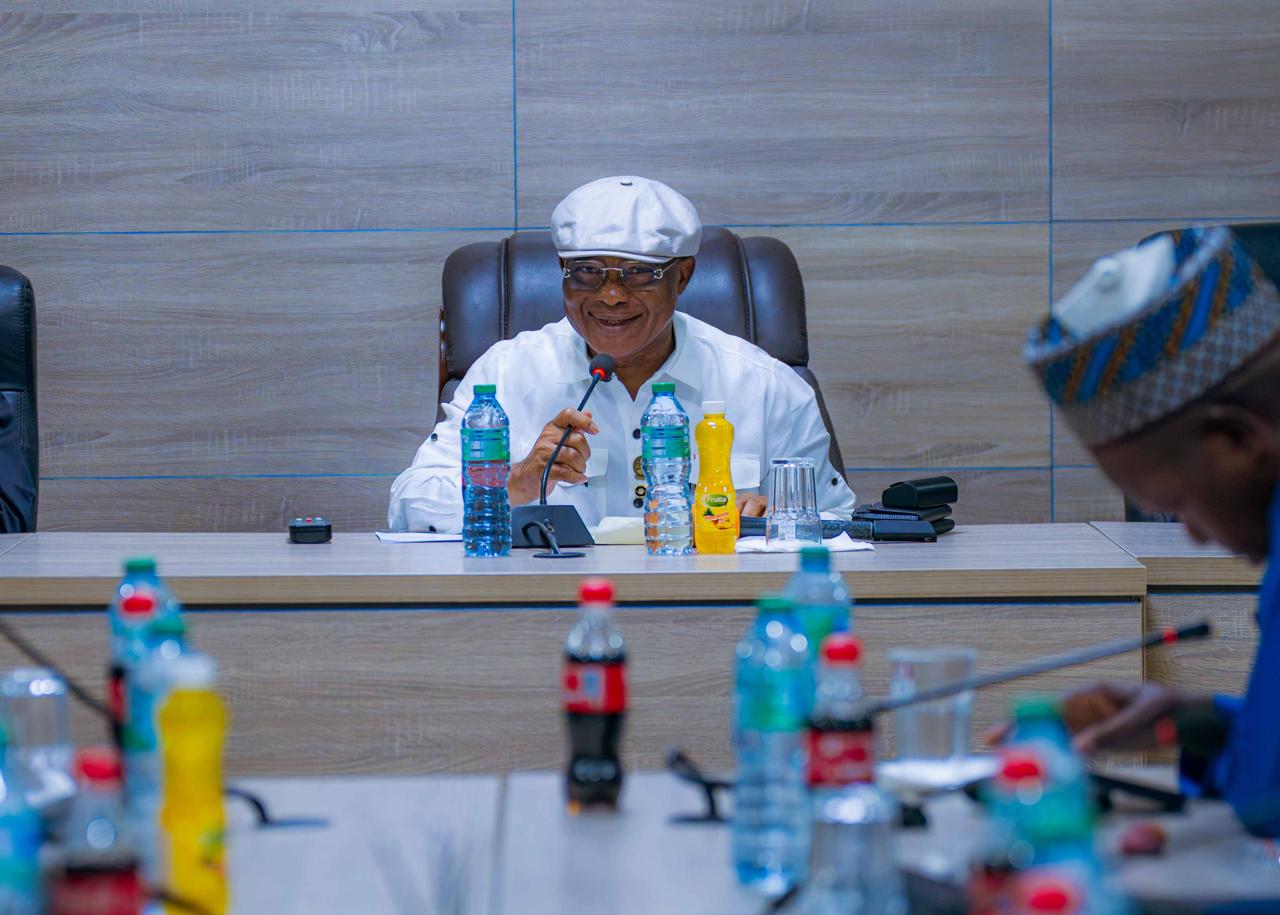
*Renewed Hope Ambassadors Step Into the Next Phase
Fresh from the successful APC 2026 National Convention, the Renewed Hope Ambassadors National, Zonal, and State leadership gathered in Abuja over the weekend, for its fourth strategic meeting, setting the tone for nationwide grassroots activation ahead of 2027.
Chaired by Governor Hope Uzodinma (Imo State) the Director General and National Coordinator of the Renewed Hope Ambassadors, alongside Deputy Director-General, Governor Uba Sani of Kaduna State, and Governor Inuwa Yahaya of Gombe State as Secretary, the session reinforced one clear direction: One Party. One Message. One Mobilization whilst also laying out a strategic roadmap for the activation of the network across all communities in Nigeria.
Backed by the strength of 31 APC-led states, the Renewed Hope Agenda is taking Bola Ahmed Tinubu’s message of progress and reform to every corner of Nigeria.
From bold economic restructuring to initiatives like NELFUND, the increase in the national minimum wage from ₦30,000 to ₦70,000, and strategic investments in critical sectors, including PNiCGI, the mission remains clear: helping Nigerians understand both the purpose and the progress of the Renewed Hope vision.
This is coordination at scale. This is grassroots engagement with purpose. This is the next phase of Renewed Hope with One Party, One Message, and One Mobilisation framework
#RenewedHopeAmbassadors #APC #WeAreAPC


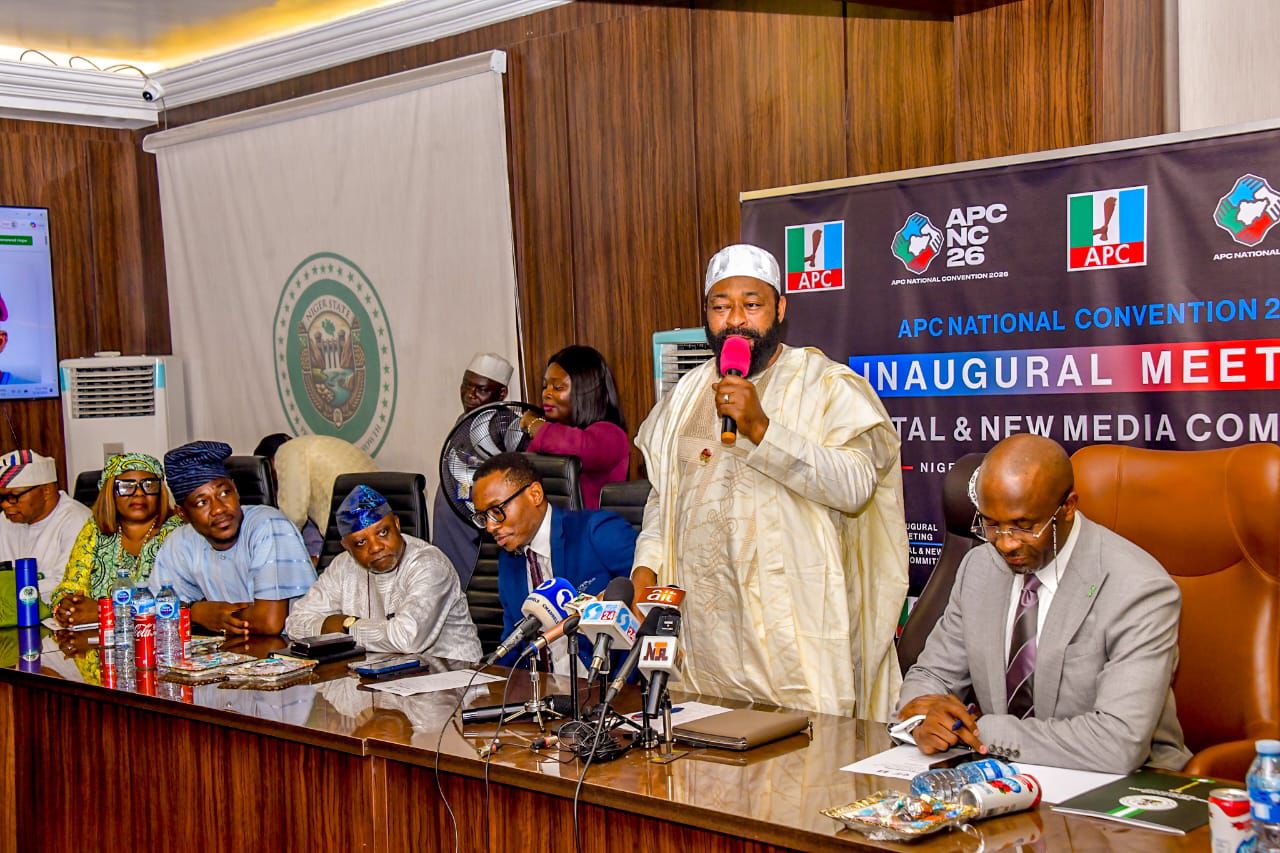
Governor Bago Inaugurates APC Digital Media Sub-Committee Ahead of National Convention.
Governor Umaru Bago has inaugurated the Digital Media Sub-Committee for the forthcoming National Convention of the All Progressives Congress (APC), scheduled to hold on March 27 and 28, 2026 in Abuja.
Chairing the sub-committee, Governor Bago tasked members with the responsibility of effectively communicating the party’s manifesto to the public.
He emphasized the need to leverage social media platforms to highlight the achievements and ongoing efforts of President Bola Ahmed Tinubu, noting that communication gaps have posed challenges that must now be decisively addressed.
The Co-Chair of the sub-committee, Hon. Benjamin Kalu, Deputy Speaker of the House of Representatives, echoed the Governor’s position, urging members to project the activities of both the party and the government to a broader audience.
He called for a deliberate and coordinated effort to showcase the party’s achievements and policy direction, stressing the importance of shaping a compelling and consistent narrative across all digital platforms.
Delivering a presentation to the committee, Otega Ogra, SSA to the President on New Media, who serves as Secretary of the sub-committee, outlined strategic focus areas to guide the team’s operations.
His presentation highlighted communication priorities and actionable steps to achieve the committee’s mandate and strengthen the party’s digital engagement.


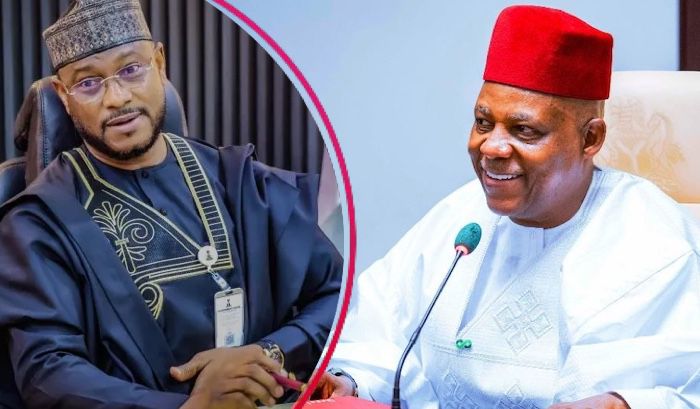
VP Shettima Set to Lead Delegation to Zamfara as Governor Dauda Lawal Formally Joins APC
The Zamfara State chapter of the All Progressives Congress (APC) has finalized plans to receive Vice President Kashim Shettima for the formal defection and reception of Governor Dauda Lawal into the ruling party, scheduled to take place on Tuesday.
State APC Chairman, Tukur Danfulani Maikatako, disclosed this during a high-level stakeholders’ meeting held in Gusau, the state capital. He noted that the Vice President would be joined by the party’s national leadership to mark what he described as a landmark political realignment in the state.
Maikatako expressed the party’s excitement over Governor Lawal’s return, recalling that Zamfara had historically been an APC stronghold and that the Governor was previously a bona fide member of the party before his earlier exit.
“We all know that Zamfara has long been one of the APC’s stronghold states, where the defected Governor was once a bona fide member. Now that he has decided to return home, having been satisfied that the APC remains his second choice after the one he left for obvious reasons,” Maikatako stated.
The Chairman called on all party faithful across the 147 wards in the state’s 14 local government areas to turn out en masse to honour the Vice President’s visit. He emphasized that the event was strategically positioned to bolster the party’s popularity and strengthen its structures ahead of the 2027 general elections.
In a strong appeal for unity, Maikatako urged members to set aside all factional tendencies, stressing that the APC remained one political family with shared goals, particularly the ambition to make Zamfara and Nigeria great again.
Echoing similar sentiments, a former state APC Chairman, Lawal M. Liman, appealed to members to cascade the message to their wards and local government areas. He reinforced the need for cohesion, noting that the party’s collective strength would be critical to achieving success in future elections.

All eyes are now on Gusau as the ruling party prepares for a high-profile political gathering expected to further consolidate its influence in Zamfara State.


-

 society6 months ago
Religion: Africa’s Oldest Weapon of Enslavement and the Forgotten Truth
-

 news4 months ago
WHO REALLY OWNS MONIEPOINT? The $290 Million Deal That Sold Nigeria’s Top Fintech to Foreign Interests
-

 society6 months ago
“You Are Never Without Help” – Pastor Gebhardt Berndt Inspires Hope Through Empower Church (Video)
-

 celebrity radar - gossips2 months ago
Dr. Chris Okafor Returns with Power and Fire of the Spirit -Mounts Grace Nation Altar with Fresh Anointing and Restoration Grace on February 1, 2026