
society
President Bola Ahmed Tinubu GCFR, PLEASE, ACT FAST!

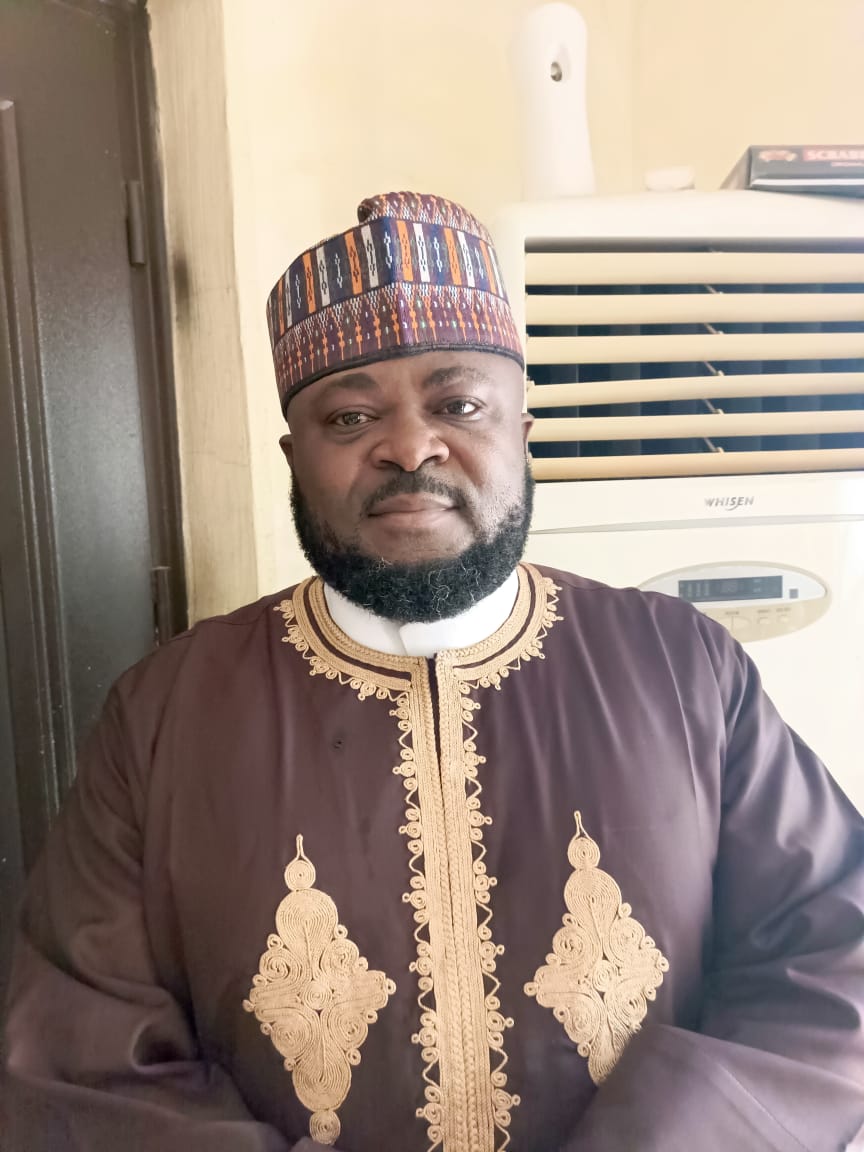
President Bola Ahmed Tinubu GCFR, PLEASE, ACT FAST!
by Comrade Oladimeji Odeyemi.
It’s no longer story that the preparation for the EndSars carnage went on for a while before its actual implementation.

But lack of proactive approach on the part of some people in the government of the day became a recipe for the actualisation of the dastardly act. History is about to be repeated, but I do not expect this to happen under the watch of President Bola Tinubu.
I do not say that people should not be allowed to protest if they have any reason to do so. But given the fact that the country does not have the capacity to separate genuine protesters from hoodlums, unnecessary protest should be curtailed.
Some people may be surprised that I call it unnecessary protest.
Yes, it’s unnecessary because this government has never displayed any act of rigidity since it took the mantle of leadership. It responds even to mere comments on social media expressly within. It is clear to every discerning and positive citizen that this government has become one of the most engaging one since 1999.
It has engaged with the organised labour on the minimum wage and it’s being passed to law. It has won autonomy for local government councils. It is on course for disbursements of students’ loans. It has given tax waiver for certain commodities and goods. You only protest against a government that is either passive, incorrigible or rigid. How can a government that is barely a year in office be protested against even when it has surpassed many of the past ones within one year? That cannot be called a protest but a mischief.
President Bola Tinubu should not be deceived by those who harp on funny fundamental human rights to cause mayhem. America is the country they use as a reference point. But American government does not take untoward attitude from anyone. If you want some you will be given some. There is no way for avoidable discomfort.
Kenyans are licking their wounds at the moment. We must not allow our own case to get to that point. I believe that many of those who are planning for the protest are children who do not know the implications of such a protest. Those who are old among them are those who would gladly set their universities’ libraries on fire in the name of students’ demonstration just because water tap didn’t run at the expected time.
Please, begin to show us that we have someone in charge of our affairs. Be more presidential Your Excellency. We know that it’s those who lost elections in 2023 and those they have recruited among those who think you have not compensated them among your conditional supporters that are behind the protest.
Please, refuse to be blackmailed. No matter what you do, there is but one mind in those people and it is turned against you. Please do everything humanly possible for PH REFINERY to work. Support Dangote Refinery to get crude oil locally.
We must not be importing fuel forever. Therefore, you should beware of the sinister motive of the August 1 planned protest, Your Excellency. May you continue to succeed and may all patriotic Nigerians continue to progress in all spheres of life in the mighty name of God.
Comrade Oladimeji Odeyemi is an entrepreneur, opinion leader and a security analyst.




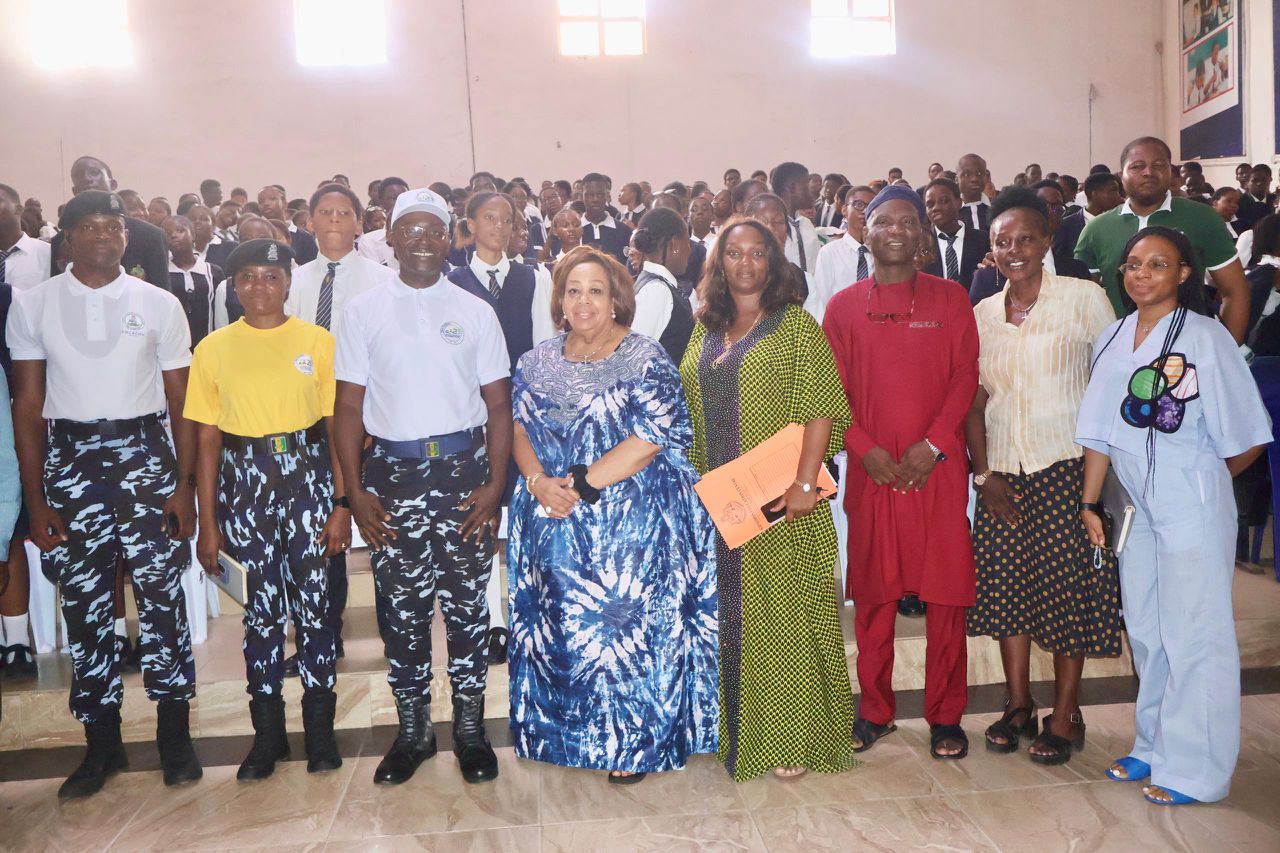
POCACOV Intensifies Sensitization on Cultism, Bullying, and Social Vices Among Students in Edo
In commemoration of the 2026 National Police Day Celebration, the Police Campaign Against Cultism and Other Vices (POCACOV), Edo State Command, has reinforced its preventive policing efforts through a targeted sensitization outreach at Igbinedion Education Centre, Benin City.
The initiative forms part of the broader activities marking this year’s National Police Day, themed “Community Partnership: Building Trust,” which emphasizes collaboration between the Nigeria Police Force and the public in fostering a safer society.
The sensitization programme witnessed the presence of key stakeholders, including the Commissioner of Police, Edo State Command, the Police Public Relations Officer, and the Edo State POCACOV Coordinator, ASP Kingsley Upeh. The team engaged students in an insightful and impactful session focused on the dangers of cultism, bullying, and other social vices prevalent among youths.
During the session, students were educated on the severe and far-reaching consequences of cult-related activities. These include violence, loss of lives, disruption of academic pursuits, and long-term damage to personal reputation and future opportunities. The speakers also highlighted how peer pressure, drug abuse, and negative social influences often serve as gateways into criminal behavior.
In an interactive segment, the Commissioner of Police stressed the legal implications of engaging in criminal acts, noting that involvement in cultism and related offences could lead to arrest, prosecution, and lifelong consequences that may hinder personal growth and career aspirations.
The issue of bullying was also extensively addressed, with emphasis on both its legal ramifications and psychological impact on victims. Students were encouraged to speak up against bullying, report incidents to school authorities or law enforcement, and support peers who may be affected.
Furthermore, the outreach underscored the importance of self-discipline, moral values, and making informed life choices. Students were urged to become ambassadors of peace within their schools and communities by rejecting violence and promoting unity and mutual respect.
The POCACOV team reiterated its commitment to continuous engagement with young people through awareness campaigns, community outreach, and strategic partnerships aimed at preventing crime before it occurs. The initiative aligns with the Nigeria Police Force’s proactive approach to policing, which prioritizes education, prevention, and community involvement.


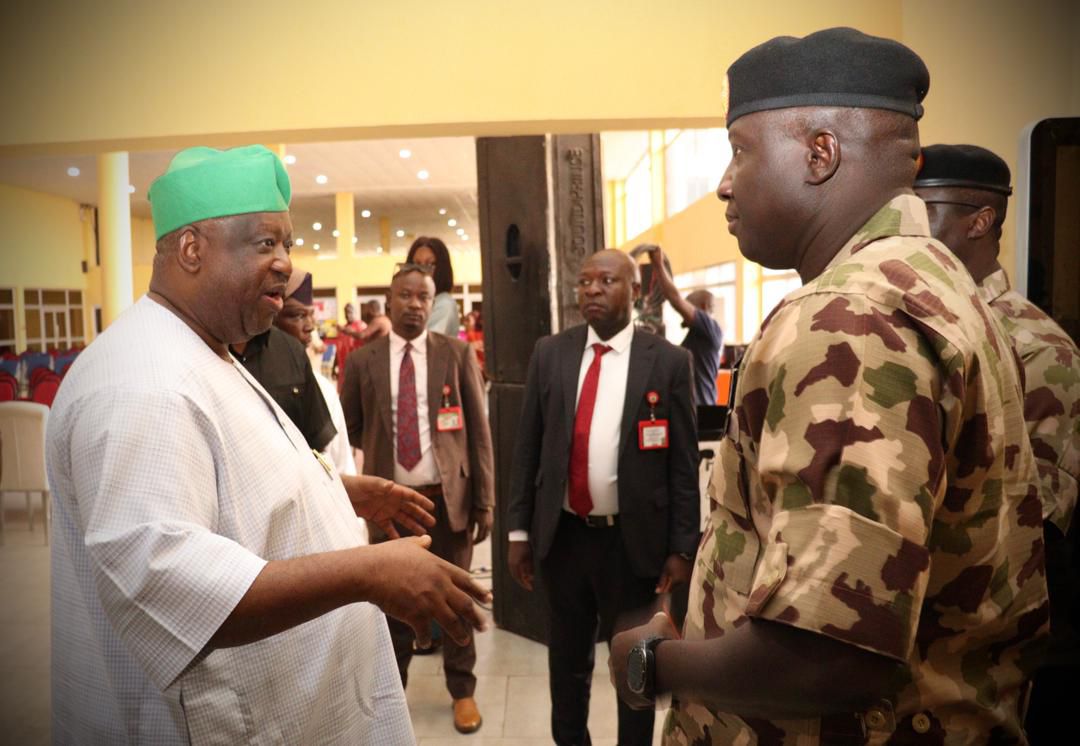
COAS Launches Nationwide Security Renewal Mission in Plateau
The Chief of Army Staff, Lieutenant General Waidi Shaibu, on Thursday led a high-level delegation of security chiefs to Plateau State, flagging off a nationwide security renewal mission aimed at strengthening civil-military cooperation and restoring lasting peace across the country.
The visit to Jos, the Plateau State capital, marks the first phase of a coordinated national effort to address persistent security challenges through joint operations, community engagement, and proactive intelligence gathering.

Governor Caleb Muftwang received the delegation, describing the initiative as a critical step toward stabilizing affected communities and reinforcing public confidence in security institutions.
Civil-Military Synergy Takes Centre Stage
At the heart of the mission is a renewed emphasis on collaboration between the military, civil authorities, and local communities. Speaking during the visit, Lt. Gen. Shaibu stressed that national security must be treated as a collective responsibility.
He urged citizens to support security agencies by remaining vigilant, sharing credible information, and complying with lawful directives, noting that effective security cannot be achieved in isolation.
Community Engagement as Confidence-Building Tool
In a departure from purely operational engagements, the Army Chief held direct consultations with community leaders and residents in Jos, reinforcing the importance of trust and dialogue in conflict resolution.
Lawmakers, including Dachung Bagos and Ladi Dangyok, commended the initiative, stating that visible engagement by top military leadership helps rebuild confidence among citizens and fosters cooperation.

Proactive Security Operations Underway
Operational updates were provided by Major General Folusho Oyinlola, who disclosed that troops under Operation Enduring Peace have intensified surveillance, intelligence-led patrols, and coordinated actions with other security agencies.
According to the Army, the approach is designed to prevent escalation of threats, safeguard lives and property, and stabilize vulnerable communities before crises emerge.
A Shift Toward Sustainable Peace
Military authorities emphasized that the Plateau visit is part of a broader, long-term strategy to transition from reactive responses to sustainable peacebuilding nationwide. The framework includes strengthening local resilience, ensuring justice, and maintaining continuous engagement with stakeholders.
Analysts view the initiative as a significant policy shift, reflecting a more inclusive security architecture that integrates community participation with military operations.
Call for National Unity
The Army leadership concluded with an appeal to Nigerians to reject divisive narratives and support ongoing efforts to promote unity and peace.
“The success of this mission depends not only on the armed forces but on the cooperation of every citizen,” the COAS stated.
The nationwide security renewal campaign is expected to extend to other regions in the coming weeks as authorities seek to consolidate gains and build a safer, more unified Nigeria.


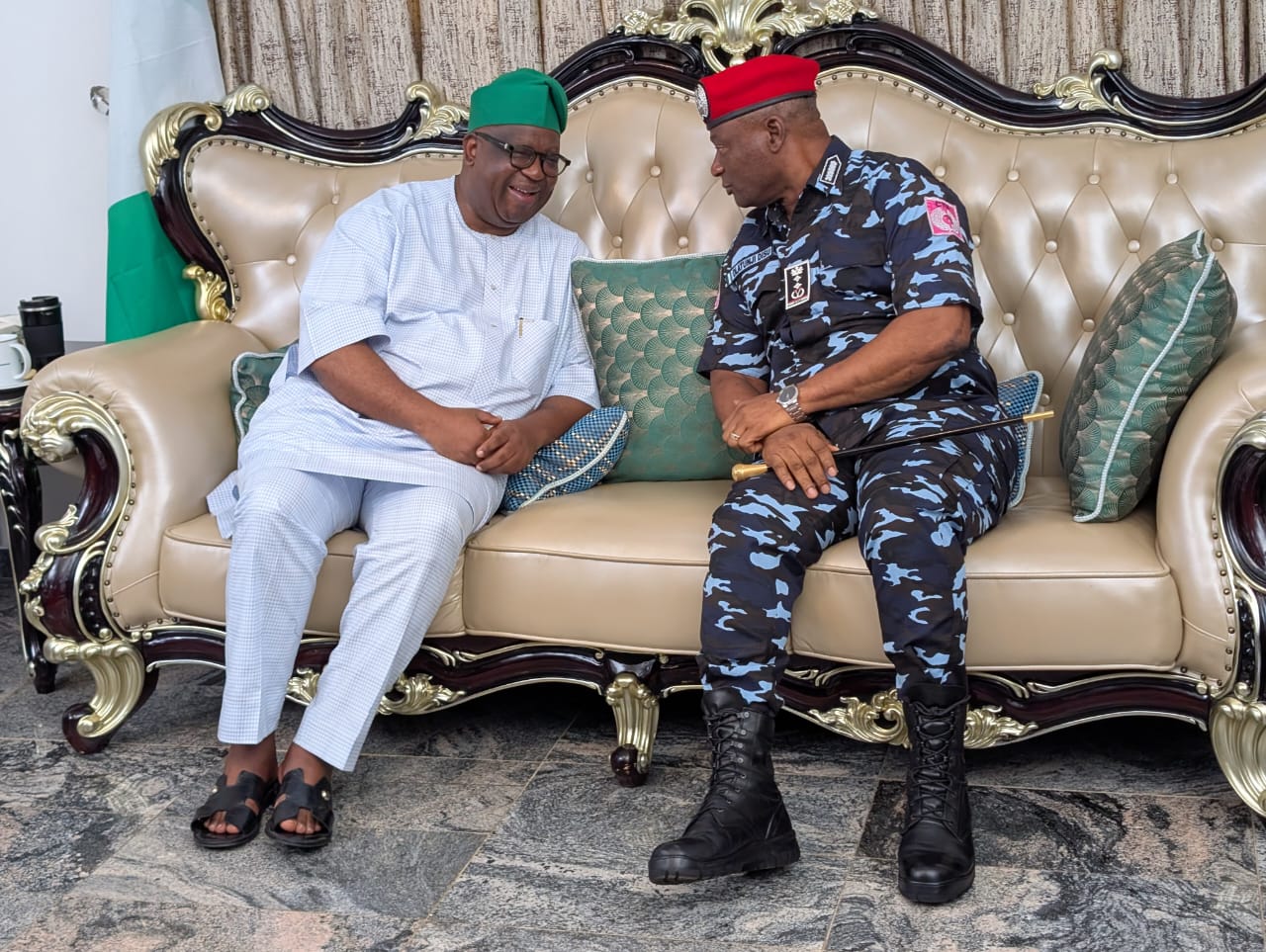
IGP Disu Visits Plateau, Orders Tactical Deployment To Reinforce Security
The Inspector General of Police, Olatunji Disu, on Thursday paid a working visit to Plateau State following recent unrest, holding strategic talks with Governor Caleb Muftwang on measures to strengthen security and prevent further disturbances.
As part of immediate steps to stabilise the situation, the police chief authorised the deployment of specialised tactical units to support officers already on ground across affected areas.
Governor Muftwang commended the swift intervention of the police leadership, praising the dedication and professionalism of security personnel working to restore calm. He also acknowledged the efforts of mobile police officers and lauded the leadership of the state’s Commissioner of Police, Bassey Ewah.
Both the Nigeria Police Force and the Plateau State Government reaffirmed their commitment to safeguarding lives and property, stressing that enhanced collaboration remains key to restoring lasting peace in Plateau State, popularly known as the Home of Peace and Tourism.


-

 society7 months ago
Religion: Africa’s Oldest Weapon of Enslavement and the Forgotten Truth
-

 news4 months ago
WHO REALLY OWNS MONIEPOINT? The $290 Million Deal That Sold Nigeria’s Top Fintech to Foreign Interests
-

 society6 months ago
“You Are Never Without Help” – Pastor Gebhardt Berndt Inspires Hope Through Empower Church (Video)
-

 celebrity radar - gossips2 months ago
Dr. Chris Okafor Returns with Power and Fire of the Spirit -Mounts Grace Nation Altar with Fresh Anointing and Restoration Grace on February 1, 2026