
Business
Refinery Listing Will Democratise Africa’s Industrial Prosperity – Dangote

Refinery Listing Will Democratise Africa’s Industrial Prosperity – Dangote
… South African investors eye investment opportunities
President/Chief Executive, Dangote Group, Aliko Dangote, has said the planned listing of the Dangote Petroleum Refinery & Petrochemicals on the Nigerian Exchange is designed to democratise wealth creation and give Africans direct access to participate in the continent’s industrial transformation.
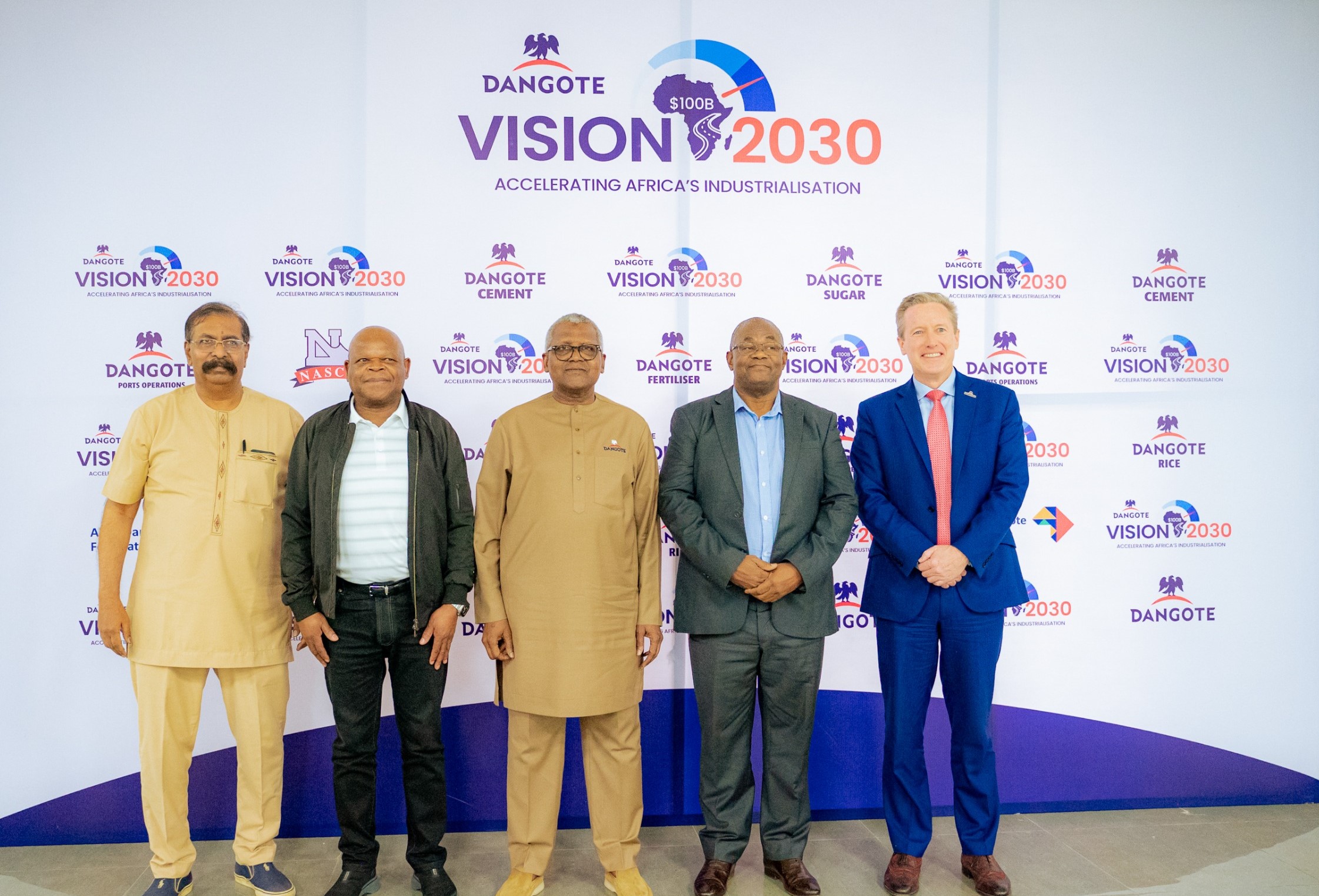
Dangote spoke during the visit of the leadership of South Africa’s Government Employees Pension Fund (GEPF), alongside the Public Investment Corporation and Alterra Capital Partners, to the Dangote Petroleum Refinery & Petrochemicals and Dangote Fertiliser Limited in Lagos. The South African delegation included Chairperson of GEPF, Frans Baleni; Principal Executive Officer of GEPF, Musa Mabesa; Deputy Chairperson of PIC, Mongwena Maluleke; Chief Executive Officer of PIC, Patrick Dlamini; and Managing Partner of Alterra Capital Partners, Genevieve Sangudi.
The visit comes amid rising investor interest in Africa-led industrialisation and long-term infrastructure investments. GEPF is Africa’s largest defined benefit pension fund, managing the retirement and associated benefits of more than 1.8 million public sector workers in South Africa, while PIC is the continent’s largest asset manager.
Speaking on the planned refinery listing, Dangote said Africa’s next phase of economic growth must be anchored on large-scale industrial projects capable of creating jobs, strengthening domestic production capacity and generating broad-based prosperity.
“We are opening the doors for investors to participate directly in Africa’s industrial future and the prosperity it will create,” Dangote said.
According to him, the refinery project reflects the scale of untapped opportunities within Africa’s energy market, particularly as most African countries remain dependent on imported refined petroleum products despite growing industrial demand and rising consumption.
Dangote said the Group’s long-term investment strategy is driven by Africa’s expanding energy needs and the urgent requirement for regional refining capacity capable of serving multiple markets across the continent.
The billionaire industrialist noted that demand for products such as polypropylene, aviation fuel and refined petroleum products has exceeded earlier projections, reinforcing the commercial viability of the refinery and shaping future expansion plans.
“We thought about Nigeria first and then exports, but even with our current production, we are practically living hand to mouth because the market demand is extremely high,” he said.
Speaking after the tour of the Dangote facilities in Ibeju-Lekki, the Chairperson of GEPF, Frans Baleni, said that the refinery stands as evidence that Africa can execute transformational infrastructure projects when backed by visionary leadership, long-term investment and strong technical expertise.
“If it can be done anywhere else in the world, it can be done in Africa,” he said. “This project has shown that the continent is capable of achieving world-class industrialisation at scale.”
Baleni added that the significance of the project extends well beyond Nigeria’s borders. “What has been built here is reshaping how the world should think about African industrial capability — and it should reshape how Africa thinks about itself. For too long, projects of this magnitude have been associated with other parts of the world. The Dangote Refinery and Petrochemicals Complex is a powerful demonstration that, with visionary leadership and long-term capital, that perception no longer holds. This is the kind of African-led industrial scale that institutional investors on this continent should be backing.”
On his part, Chief Executive Officer of PIC, Patrick Dlamini, described the refinery as one of the most transformative industrial projects undertaken on the continent, saying it is reshaping global perceptions about Africa’s industrial capabilities and economic potential.
Quoting former South African President Nelson Mandela, Dlamini said: “It always looks impossible until it’s done. This project is redefining the story of Africa and the possibilities of Africa.”
He said PIC, which manages about $230 billion in assets largely on behalf of South Africa’s Government Employees Pension Fund, is actively seeking long-term partnerships aligned with infrastructure development, industrialisation and economic transformation across Africa.
“PIC’s mandate is to deploy long-term, patient capital in service of industrialisation, infrastructure and economic transformation across Africa,” Dlamini said. “What we have seen today reinforces our conviction that the next chapter of African prosperity will be written through partnership between African institutional capital and African industrial champions. There is real strategic alignment between Dangote’s industrial agenda and how we are positioning our portfolio, and we look forward to exploring meaningful avenues for collaboration.”
According to him, poverty, unemployment and economic exclusion remain major drivers of instability across Africa, making industrialisation and large-scale job creation critical to the continent’s long-term development.





Olokola Deep Seaport: Dangote Engages Ogun/Ondo Host Communities ahead Project Takeoff
…Get traditional rulers’ nod to commence surveys of project site
Ahead of the take-off of the Olokola Deep Seaport Project, a high-powered Dangote delegation led by the Managing Director, Infrastructure & Logistics, Dangote Industries Limited, Capt. Jamil Abubakar, has paid an advance visit to engage and sensitise the host communities in the proposed project area in Olokola Free Zone (in Ogun and Ondo States).
The Olokola project is an important aspect of the President/CE of the Dangote Group, Aliko Dangote’s plan to strengthen Africa’s maritime trade capacity through a new deep seaport project aimed at enhancing regional commerce and logistics across the continent; as part of the Group’s Vision 2030 strategy to generate an annual revenue of $100 billion by the year 2030, with a corresponding positive impact on Africa’s development process.
The Olokola Free Trade Zone (OKFTZ) spans an industrial enclave of over 10,000 hectares located directly along the Atlantic coast, straddling the border of Ogun and Ondo states. It is situated in the Ogun Waterside Local Government Area (LGA) of Ogun State, extending eastward to the borders of the Ilaje LGA in Ondo State, located less than 100 kilometres east of Lagos, abutting the eastern side of the Lekki-Epe corridor. The coastal area lies at the natural estuary and waterway junction between Ogun and Ondo states on the Gulf of Guinea.
Among the communities visited by the MD and his team were Ode-Omi community in Ogun Waterside Local Government Area of Ogun State, and the Araromi Seaside Kingdom and Igbokoda town in Ondo State. This continuous engagement is a crucial part of the whole process.
The visiting delegation, which comprised senior Dangote officials and staff, land and estate surveyors, environmental consultants, were welcomed to the Ode-Omi community by the monarch, Lenuwa of Ode-Omi, Oba Folailu Adekunle Hassan (Oshotekun II) alongside Baales, Chiefs and youth leaders of the area. According to the monarch, “We have been expecting you for long. It is good that you are here today. Do your best and we will all benefit from this process.” The traditional ruler also gave his consent for the Dangote team to mobilise to begin the survey and other activities in the project area, which will include enumeration of households, economic trees and compensation for any settlement that can be affected by the deep seaport project.
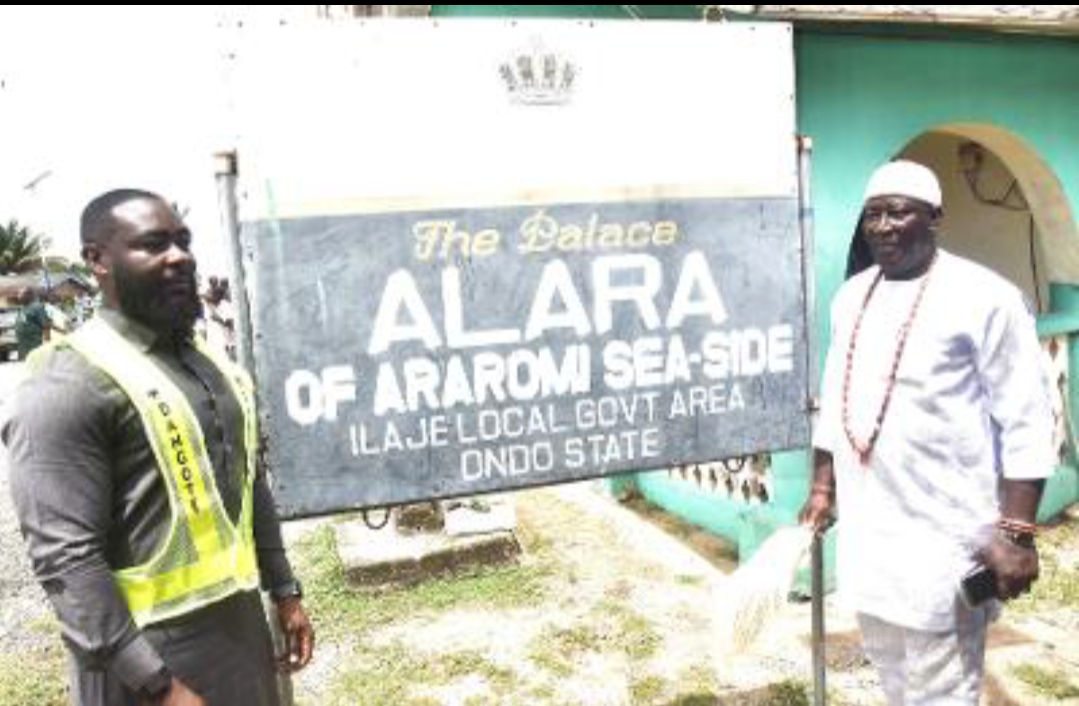
Capt. Abubakar led the team to Araromi Seaside Kingdom in Ilaje Local Government Area, Ondo State where they engaged and sensitised the Alara of Araromi Seaside Kingdom, HRM Oba Adeoloye Olawole, high Palace Chiefs and Youth Leaders of the community. The Alara, in his response, said, “We have been waiting for you and for this project to commence. We are going to give you physical and spiritual support. If it is possible for this project to begin tomorrow, you are welcome.”
Speaking on the project, the Team Lead/MD Infrastructure & Logistics, Capt. Abubakar said, “The Olokola Deep Sea project is a major step in opening up Nigeria’s economic potential, strengthening trade, reducing pressure on existing ports and supporting industrial growth. It will create real opportunities for host communities through jobs, business activities and long term developments across both Ogun and Ondo states. With its strategic location, Olokola would serve as a key gateway for exports and imports, boosting Nigeria’s competitiveness in regional and global trade. This project reflects our commitment to building infrastructure that benefits both the people and the economy at large.”
The team also paid a courtesy visit to the Nigerian Navy Forward Operating Base (FOB) in Igbokoda, Ondo State, where they were received by the Base Operations Officer/Acting Commanding Officer, Lt. Commander A.A. Makinwa, who pledged collaboration with the Group in the interest of the nation and overall economic development.
A major outcome of the delegation’s visit was the approval and support of the two monarchs and their cabinets for the Dangote Group to mobilise to the project site and begin their surveying and enumeration activities, after which communities in the project area in both Ondo State would be compensated by the conglomerate as the Olokola Deep Seaport project takes off for the development of the host communities, the states of Ogun and Ondo, and the overall national economy.
The proposed Olokola Deep Seaport is expected to deliver a compelling value-add for Dangote Group, particularly in how it will support economic expansion, trade growth, and long-term operational scale. The project will drive significant job creation, both direct and indirect, while also attracting foreign direct investment and stimulating related sectors such as logistics, manufacturing, and services. This will position Olokola as a logistics and industrial hub, contributing to a more robust and resilient economy. In addition, the port will enhance trade potential and export diversification. It will also strengthen participation in intra-African trade under the African Continental Free Trade Area, positioning the Group and Nigeria to benefit from increased regional trade flows and foreign exchange generation.
Nigeria’s Economy May Not Survive on Statistical Manipulation
BY BLAISE UDUNZE
Nigerians should gear up to start seeking accountability from those in power because the country is gradually entering one of the most dangerous phases in its economic history, not merely because inflation is high, unemployment is worsening, or public debt is rising, but because the institutions responsible for telling them the truth about the economy are either failing, compromised, silent or increasingly non-transparent.
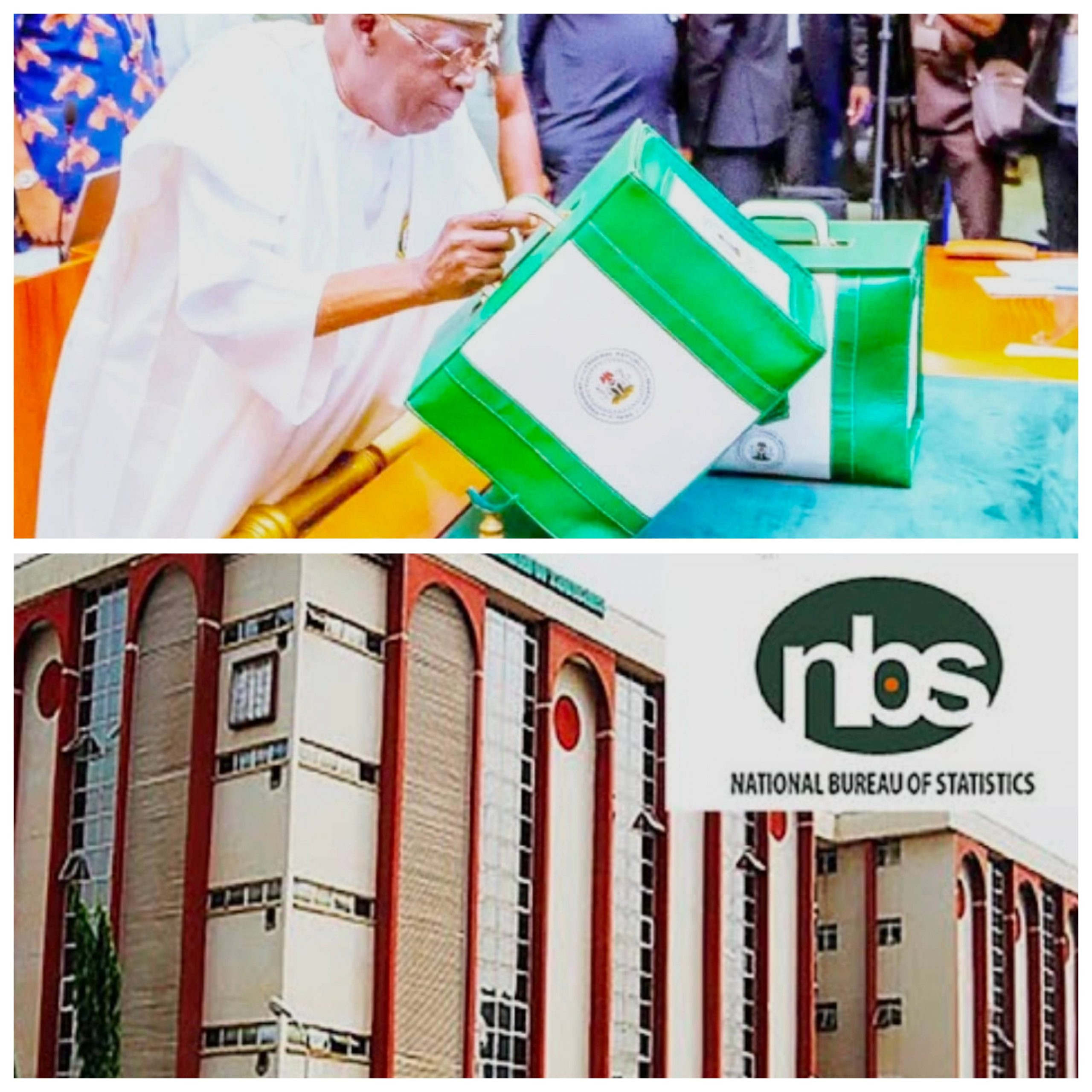
At the centre of this deepening crisis are two disturbing realities. First is the National Bureau of Statistics’ failure to publish credible and updated labour force data for more than 14 months despite unemployment being identified globally as Nigeria’s biggest economic threat. Second is the Budget Office of the Federation’s refusal or inability to publish statutory budget implementation reports for three consecutive quarters in violation of the Fiscal Responsibility Act.
Together, these failures represent something far more dangerous than administrative delay. They expose a governance culture increasingly defined by selective transparency, institutional opacity and economic manipulation. Nigeria is now dangerously close to governing itself without verifiable facts.
A nation cannot plan effectively when it cannot measure unemployment honestly. Neither can it fight corruption or fiscal leakages when it refuses to disclose how public funds are being spent. This is not merely an economic problem. It is a crisis of national credibility.
The irony is painful. While the World Economic Forum’s Global Risks Report identified unemployment and lack of economic opportunity as Nigeria’s leading economic threat for 2026, Nigeria itself has failed to publish official labour statistics capable of accurately measuring that threat since the second quarter of 2024.
That silence speaks volumes and could keep everyone wondering what the problem might be. At a period when millions of Nigerian youths are trapped between hopelessness, with an inflation rate currently 15.69 percent, collapsing purchasing power and shrinking job opportunities, while the absence of current labour data creates an economic blind spot of dangerous proportions. Policymakers are formulating reforms without clear visibility into labour realities.
Investors are assessing risks using outdated or disputed figures. With the apparent lack of clear direction, citizens are left with no choice but to wonder whether economic statistics are now instruments of propaganda rather than reflections of reality.
The controversy surrounding the infamous 4.3 percent unemployment figure released by the NBS in 2024 only deepened this distrust. It is both laughable and amazing for millions of Nigerians struggling daily to survive, the claim that unemployment had magically crashed from over 33 percent in 2020 to about 3.06 percent rate for 2025 felt detached from reality, which is based on March 2026 reports. Factories were shutting down. Multinationals were exiting Nigeria. Manufacturing firms were downsizing. Informal labour was exploding. Youth migration was accelerating. Yet official statistics suggested Nigeria was suddenly approaching near-full employment.
The explanation lay in the controversial redesign of the unemployment methodology. Under the revised framework, anybody who worked even minimal hours weekly could be classified as employed. While the NBS argued that the changes aligned with international best practices, critics insisted that the methodology ignored Nigeria’s peculiar economic conditions dominated by underemployment, survival jobs, disguised unemployment and casual labour.
The backlash was immediate and fierce. The Nigeria Labour Congress described the report as “fraudulent” and a “voodoo document”. Labour leaders warned that rebasing employment definitions merely to produce lower unemployment figures would destroy public trust in national statistics. Trade unions, manufacturers and employers’ associations openly rejected the figures.
The reality confronting businesses contradicted the official optimism. Textile factories were closing. Manufacturers were rationalising staff due to unbearable energy costs, foreign exchange instability and multiple taxation. Labour unions lamented rising casualisation as permanent jobs disappeared. The National Union of Chemical, Footwear, Rubber, Leather and Non-Metallic Products Employees revealed it had lost over 20,000 workers within one year because companies could no longer survive Nigeria’s harsh operating environment.
Yet official figures suggested unemployment was falling. This contradiction is dangerous because economic data is not supposed to comfort governments; it is supposed to guide policy.
When data becomes politically convenient rather than economically truthful, governance itself becomes distorted.
The problem is not merely methodological. It is institutional credibility. Why did the unemployment rate collapse statistically while poverty, inflation and hunger worsened visibly? Why has the NBS failed to publish updated labour force statistics for over 14 months if confidence in the methodology remains intact? Why are citizens increasingly suspicious of official numbers?
Unarguably, these questions matter because trust in national statistics is foundational to economic governance, but it appears that policymakers place less importance on this fact.
One thing that is missing is that they have yet to take into cognizance that countries cannot attract sustainable investments when investors doubt the credibility of official data. This is to say that international lenders, development institutions, and private investors depend on reliable statistics to evaluate risks, forecast growth and allocate resources. Once statistical integrity becomes questionable, economic credibility suffers.
Unfortunately, the non-transparency surrounding labour data is now being mirrored in Nigeria’s fiscal management architecture. The Budget Office of the Federation has failed to publish statutory budget implementation reports for three consecutive quarters despite explicit provisions of the Fiscal Responsibility Act requiring quarterly disclosure.
This failure is profound. Budget implementation reports are not ceremonial publications. But they have failed to acknowledge that these are among the few mechanisms citizens possess to independently evaluate whether public funds are being used responsibly. The simple fact is that these reports reveal actual revenue generated, expenditures incurred, projects executed and budget performance levels. Without them, public finance enters dangerous darkness.
According to findings, reports for the third and fourth quarters of 2025 and the first quarter of 2026 remain unpublished. This marks the first time in 15 years that Nigeria’s Budget Office has failed to release quarterly budget performance reports.
More concerning is that this comes at a time when Nigeria is implementing one of the largest budgets in its history. The National Assembly recently approved a staggering N68.3 trillion 2026 budget, significantly higher than the original N58.4 trillion proposal. While government officials describe it as a “legacy budget” aimed at infrastructure development and capital investment, Nigerians still do not know how previous budgets were substantially implemented.
This creates a dangerous accountability vacuum. How can citizens assess whether previous allocations achieved measurable outcomes when implementation reports are hidden? How can lawmakers exercise oversight without timely disclosures? How can anti-corruption agencies track leakages effectively? How can development partners verify fiscal discipline?
The truth is simple because unpublished budgets create fertile grounds for corruption, waste and fiscal manipulation.
More troubling are recent revelations from the World Bank exposing structural leakages within Nigeria’s fiscal system. According to the institution, over N34.53 trillion was diverted through pre-distribution deductions between 2023 and 2025 before revenues reached the Federation Account.
That figure is staggering. The World Bank warned that approximately 41 percent of government revenues never reached distributable pools because they were deducted as “first-line charges” by agencies operating outside conventional budgetary scrutiny.
Reports indicating that over $214 billion in public funds may have been lost, diverted, or trapped in non-transparent fiscal systems over the last decade capture the scale of Nigeria’s accountability crisis. More recently, it’s the shenanigans on the FAAC allocations of N800billion funds from States’ statutory shares meant to pay civil servants and improve on social amenities were channeled into private accounts linked to the Governor of Imo State, Hope Uzodinma, Chairman of the Progressive Governors Forum, to fund Tinubu’s 2027 re-election campaign.
With these intolerable developments, it becomes glaring that this is precisely why transparency without secrecy matters. The challenge is that when billions and trillions of funds move through non-transparent structures without rigorous disclosure, accountability collapses, whilst the citizens lose visibility over public finances and institutions responsible for oversight become weakened or compromised, which remains a litmus test for trust.
ActionAid Nigeria rightly described the development as “institutionalised revenue erosion” and warned that continued impenetrability undermines fiscal stability, public trust and development.
Truly and without an iota of doubt, its warning deserves more serious attention at this time. At a period when Nigerians are enduring painful economic reforms, rising transport costs, collapsing purchasing power, worsening insecurity and deepening hunger, every missing naira has human consequences. Every hidden expenditure weakens healthcare delivery, education, infrastructure and social protection.
One painful and unbearable approach is that instead of increasing transparency to reassure citizens, government institutions appear increasingly hard to understand, just to continue in their criminal and wasteful acts.
The consequences extend beyond economics into democratic legitimacy itself. Public trust erodes when citizens believe governments manipulate data, conceal budget performance and evade accountability. Eventually, institutions lose moral authority. Official figures become objects of suspicion rather than instruments of governance.
This is the larger danger confronting Nigeria today. Economic suffocation rarely begins with recession alone. It begins when institutions stop telling the truth.
It begins when governments prioritise narrative management over measurable realities. It deepens when citizens can no longer independently verify claims about unemployment, inflation, debt, revenue or budget performance.
Nigeria now risks entering that dangerous territory. Even more concerning is the growing culture of overlapping budgets, delayed implementation cycles and weak fiscal discipline. The government is reportedly still implementing components of previous budgets while simultaneously introducing new appropriations worth tens of trillions of naira.
This raises serious questions about planning efficiency, execution capacity and fiscal sustainability. If only about a quarter of approved capital expenditure is being effectively implemented, as recent reports suggest, then Nigeria’s challenge is not merely budget size but governance quality. Large budgets without transparency become monuments of waste.
The Fiscal Responsibility Commission, established to enforce compliance, has also appeared largely ineffective. Although the Fiscal Responsibility Act outlines numerous offences, enforcement remains weak while violations attract little or no consequences.
This culture of impunity emboldens institutional noncompliance. The implications for Nigeria’s economy are severe.
In every functional business atmosphere, foreign investors seek predictable and transparent environments. Credit rating agencies evaluate governance credibility alongside macroeconomic indicators. Development institutions increasingly emphasise fiscal accountability and data reliability but this does not apply to Nigeria.
An economy governed through disputed statistics and unpublished fiscal reports cannot inspire long-term confidence. The Tinubu administration must take cognizance of the fact that credibility itself is now an economic asset.
Understandably, reforms may initially be painful, but the irresistible fact is that citizens tolerate sacrifice better when governance appears transparent, honest and accountable. What destroys confidence is the perception that institutions are concealing realities while citizens bear the burden of economic hardship.
Nigeria does not merely need economic reforms. It needs truth-based governance. The National Bureau of Statistics must urgently restore credibility by publishing updated labour force statistics transparently and consistently. Methodological frameworks should be openly explained while stakeholder engagement must be strengthened to rebuild public confidence.
Similarly, the Budget Office must immediately release all outstanding budget implementation reports as required by law. Judging from the trend of events, it is a well-known fact that fiscal transparency cannot remain optional in a struggling economy already burdened by debt, inflation and widespread distrust.
Beyond publication, enforcement mechanisms must become stronger. Institutions that violate statutory disclosure obligations should face consequences. Accountability cannot survive where compliance is selective.
Nigeria’s future depends not only on how much revenue it generates or how large its budgets become, but on whether institutions remain credible enough to manage public trust.
Because no economy can thrive sustainably and more importantly, Nigeria cannot build its $1 trllion economy on invisible budgets, missing labour data, manufactured statistics and selective transparency. And no nation survives for long when truth itself becomes negotiable.
Blaise, a journalist and PR professional, writes from Lagos and can be reached via: [email protected]
Business
Security expert hails US partnership to prevent terror bases in Africa using actionable intelligence
Security expert hails US partnership to prevent terror bases in Africa using actionable intelligence
The US 2026 Counterterrorism Strategy has been commended for its focus on disrupting terrorist networks across Africa, especially in the Sahel.
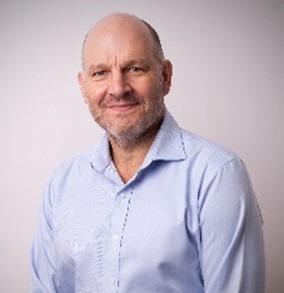
In a paper tilted: The US 2026 Counterterrorism Strategy and Its Implications for Nigeria and the Sahel, a security expert, Lieutenant Colonel Freddie Grounds (Retired), said the move represents a significant development in American security policy, reflecting both lessons learned from past interventions and the current and rapidly shifting geography of global extremist threats.
He said rather than relying on previously favoured large-scale deployments, the revised U.S. strategy emphasises partnerships, intelligence-driven operations, and capacity-building.
He stated: “Africa, particularly Nigeria and the Sahel, has emerged as a central focus, given the persistence of violent extremist organisations such as Boko Haram, Islamic State West Africa Province (ISWAP), and al-Qaeda affiliates that exploit fragile governance and porous borders across the region.”
He said the US, in demonstrating its commitment to Africa, deployed in early 2026 some 200 U.S. military personnel to Nigeria to carry out intelligence sharing, training and advisory capacity building operations, under Nigerian command authority.
He added: “In early May Nigeria’s National Security Adviser (NSA), Mallam Nuhu Ribadu, undertook a three-day working visit to the United States. During the visit the NSA held a series of high-level engagements with senior officials of the U.S. government, further reinforcing the partnership between the two nations. Meanwhile the three-weeks long ‘Exercise African Lion 2026’, an annual US led multinational military exercise in Africa, involving over 5,600 troops from more than 40 nations, including African partners, NATO allies, and US forces, focusing on multi-domain operations across North and West Africa, has recently concluded.”
According to the expert, at the heart of the new US Counterterrorism Strategy is a deeper commitment to intelligence sharing and partner-force development.
Hear him: “The US Government seeks to provide actionable intelligence to African governments, enabling them to disrupt extremist networks before they can establish operational bases in their countries. This approach reflects a recognition that local African ownership and sustainability are critical to long-term success. The US also pledges to protect vulnerable communities, including Christians and other groups frequently targeted by extremist violence, emphasising the critical but often overlooked human rights element of counterterrorism.”
He said Nigeria occupies a pivotal role in this new strategy.
“As a frontline state in the Lake Chad Basin, Nigeria faces persistent threats from Boko Haram and ISWAP, whose operations extend into Niger, Chad, and Cameroon. The US has deepened cooperation with Nigeria since 2025 as illustrated by recent high-level meetings between Nigerian officials and American leadership. This partnership has already produced measurable results, including US airstrikes against ISWAP in late December 2025 which was assessed to have killed between 150-200 militants and destroyed several Islamic State-linked camps in Sokoto State, and was acknowledged as the first American combat action inside Nigeria. Beyond military collaboration, Nigeria has adopted a whole-of-government approach, combining kinetic operations with community engagement, deradicalisation programs, and economic initiatives aimed at addressing the root causes of extremism.”
Grounds said the Counterterrorism Strategy also links Nigeria’s efforts to the broader Sahel, where continued regional instability in Mali, Burkina Faso, and Niger has created fertile ground for extremist expansion.
He commended the Nigeria-US Joint Working Group, a bilateral security and governance framework established in late 2025, which seeks to coordinate intelligence, border security, and counterterrorism aid across the region, recognizing that insurgencies in the Sahel and Lake Chad Basin are interconnected and that such extremist groups exploit weak governance, corruption, and marginalized communities, blurring the lines between terrorism and organized crime. He said this overlap with transnational crime, including arms trafficking and smuggling, complicates security responses and requires a regional approach.
The paper reads: “The outcomes of the Africa Forward Summit 2026, which concluded in Kenya this week, provide an important complement to the new Counterterrorism Strategy. African leaders from across the continent pledged to intensify efforts against terrorism, cybercrime, arms trafficking, and organized crime, precisely the same threats which are identified in the US Strategy. The Summit’s emphasis on sustainable financing for AU peace operations and stronger UN-AU cooperation under Resolution 2719 aligns well with Washington’s push for burden-sharing and regional ownership. Calls for UN Security Council reform highlight Africa’s determination to shape global governance structures, ensuring that the continent’s counterterrorism strategies are not imposed by external actors but co-designed and implemented in partnership with African states.
“Equally significant are African-led regional mechanisms such as the Nouakchott Process, launched in 2013, which has created a framework for intelligence-sharing and joint operations among Sahelian states, helping to counter cross-border extremist movements.
“Similarly, the Accra Initiative in West Africa which has strengthened cooperation among coastal states like Ghana, Côte d’Ivoire, and Benin to prevent the spillover of Sahelian insurgencies. These initiatives clearly demonstrate Africa’s capacity to build its own security architecture, complementing US efforts and reinforcing the Africa Forward Summit’s call for African-led solutions.
“Despite these advances, challenges remain. Analysts warn of sovereignty concerns, cautioning that Nigeria must balance cooperation with the US against risks of subordinating its strategic autonomy to US calculations. While American support strengthens Nigeria’s capacity, it also raises questions about dependency and the long-term sustainability of external assistance. Moreover, governance deficits across the Sahel undermine counterterrorism efforts and without reforms that enhance legitimacy, accountability, and resilience, military gains risk being temporary.
“In summary, the US 2026 Counterterrorism Strategy represents a pragmatic, recalibrated approach to global security, recognising that instability in Nigeria and the Sahel carries consequences that extend far beyond the region, from refugee flows to the spread of extremist ideology. Emphasising intelligence, partnership-driven security, and local capacity-building, the strategy positions Nigeria as a frontline state central to stabilising West Africa, while acknowledging that the interconnected nature of Sahelian instability demands regional solutions. Its effectiveness will depend not only on military cooperation but also on governance reforms, sustainable financing, and the ability of local governments to deliver tangible improvements in security and development goals reinforced by the Africa Forward Summit outcomes and embedded within African-led frameworks such as the Nouakchott Process and Accra Initiative, which lend the strategy both depth and legitimacy.”


- Statement on United States (US) Travel Restrictions Related to the Bundibugyo Ebola Outbreak May 19, 2026
- Africa Centres for Disease Control and Prevention (Africa CDC) Declares the Ongoing Bundibugyo Ebola Outbreak a Public Health Emergency of Continental Security May 19, 2026
- Kaspersky maps Artificial intelligence (AI) and the evolving threat landscape at AI Everything Kenya x GITEX Kenya May 19, 2026
- Bouka Family Sets Out Again to Conquer Everest May 19, 2026
- Port Community Systems (PCS) as the crisis backbone: how trade disruption makes digital port infrastructure non-negotiable (By Alioune Ciss) May 19, 2026
- Rand Refinery Joins African Mining Week (AMW) as Silver Sponsor Amid Regional Market Expansion Strategy May 19, 2026
- Applications open for the 2027 Meltwater Entrepreneurial School of Technology (MEST) Africa AI Startup Program May 19, 2026
- Absa’s Shirley Webber Joins African Mining Week (AMW) Advisory Board to Drive African Mining Investment May 19, 2026
- Mining Services Companies Drive Africa’s Next Phase of Industrial Mining Growth May 19, 2026
- Oversight matters: Spotting payroll fraud in a digital world May 19, 2026
- Statement on United States (US) Travel Restrictions Related to the Bundibugyo Ebola Outbreak May 19, 2026
- Africa Centres for Disease Control and Prevention (Africa CDC) Declares the Ongoing Bundibugyo Ebola Outbreak a Public Health Emergency of Continental Security May 19, 2026
- Kaspersky maps Artificial intelligence (AI) and the evolving threat landscape at AI Everything Kenya x GITEX Kenya May 19, 2026
- Bouka Family Sets Out Again to Conquer Everest May 19, 2026
- Port Community Systems (PCS) as the crisis backbone: how trade disruption makes digital port infrastructure non-negotiable (By Alioune Ciss) May 19, 2026
- Rand Refinery Joins African Mining Week (AMW) as Silver Sponsor Amid Regional Market Expansion Strategy May 19, 2026
- Applications open for the 2027 Meltwater Entrepreneurial School of Technology (MEST) Africa AI Startup Program May 19, 2026
-

 news5 months ago
WHO REALLY OWNS MONIEPOINT? The $290 Million Deal That Sold Nigeria’s Top Fintech to Foreign Interests
-

 society2 weeks ago
SOCIAL MEDIA IS NOT A BATTLEFIELD COMMAND – WHY THE NIGERIAN ARMY’S ACTION AGAINST JUSTICE CRACK IS A NATIONAL SECURITY IMPERATIVE
-

 celebrity radar - gossips4 months ago
Dr. Chris Okafor Returns with Power and Fire of the Spirit -Mounts Grace Nation Altar with Fresh Anointing and Restoration Grace on February 1, 2026
-

 celebrity radar - gossips5 months ago
Prophet Kingsley Aitafo Releases 2026 Prophecy: ‘Nigeria Will Rise, but the World Must Prepare for Turbulence’