
society
RISING TERROR THREATS AND SHIFTING ALLIANCES: A STRATEGIC WAKE-UP CALL FOR NIGERIA By Brigadier General SK Usman (rtd) mni fnipr fspsp

RISING TERROR THREATS AND SHIFTING ALLIANCES: A STRATEGIC WAKE-UP CALL FOR NIGERIA
By
Brigadier General SK Usman (rtd) mni fnipr fspsp
The Commander of the United States Africa Command (AFRICOM), General Michael Langley, made headlines over the weekend when he linked the recent resurgence of terrorist attacks in Nigeria to the U.S. military’s withdrawal from key bases in Niger and Chad. Speaking during a digital press briefing after the “African Chiefs of Defence Conference” in Kenya, the Marine Corps General declared the Sahel as the new global epicentre of terrorism, warning that extremist groups in the region may soon gain the capacity to strike inside the United States. He was reported to have lamented that without bases in Niger and Chad; the U.S. could no longer effectively monitor terrorist activity in Africa. Insinuating that his country may not be able to adequately support Nigeria with intelligence and other critical information needed for its counterterrorism efforts. Langley also alleged that China’s growing engagement on the continent is purely extractive and self-serving. These comments, while striking, are as revealing in what they omit as they are in what they assert, and they deserve further scrutiny.
To be fair, General Langley raises valid concerns. The U.S. had historically supported regional counterterrorism initiatives in West Africa, particularly through intelligence, surveillance, reconnaissance (ISR) operations and joint military training programmes such as Operation Flintlock, Obangame and African Lion, amongst others. Therefore, it could be argued that departure of U.S. forces from Niger, Chad, Mali, and Burkina Faso has undeniably diminished coordinated responses to violent extremist organisations like Boko Haram, ISWAP and Jama’at Nusrat al-Islam wal-Muslimin (JNIM), which now exploit the security vacuum in ungoverned spaces in the West African sub-region, Gulf of Guinea and the Sahel. In Nigeria, especially in Borno, Benue and Plateau States, we’ve seen a disturbing resurgence of security threats manifesting in terrorists’ activities that have claimed hundreds of lives and displaced thousands in recent weeks. This might be connected to the absence of timely, actionable intelligence, possibly once facilitated through U.S. partnerships, which have played a role in these escalating attacks.
Yet, Langley’s narrative warrants closer interrogation. His assertions seem less about Nigeria’s security and more about reasserting U.S. strategic presence in the West African sub-region—potentially even soliciting the siting of new American military bases in Nigeria, as has been touted by several persons, though denied by the Nigerian government. This kind of messaging, while diplomatically subtle, aligns more with U.S. strategic interests than with a genuine reflection on past shortcomings. The claim that the U.S. provided robust intelligence support is contestable. During the peak of Nigeria’s Boko Haram insurgency, critical U.S. assistance, including intelligence, weapons and platforms, was either withheld or came too late. Notably, the A-29 Super Tucano aircraft, vital for close air support and counterinsurgency, arrived years after Nigeria made repeated requests and at a staggering cost. Worse still, these platforms were delivered with operational restrictions tied to U.S. human rights assessments, reflecting a conditional approach that undermined Nigeria’s sovereignty and urgency in responding to terror threats. The donated 24 Mine Resistant Armour Protected (MRAP) vehicles in 2016, valued at about $11 million by the U.S. to Nigeria, were largely unserviceable, requiring more than their cost value to make them useful.
In contrast, countries like Russia and China have stepped in with fewer strings attached. Russia has sold arms, helicopters and provided military training to several African countries, including Mali and Burkina Faso, where Wagner Group operatives now operate openly. China, through the Belt and Road Initiative (BRI), has invested over $155 billion in African infrastructure since 2000, and while its security presence is limited, it has expanded military cooperation with nations like Djibouti (where it has a naval base) and Angola. According to a 2023 report by the Stockholm International Peace Research Institute (SIPRI), Russia is now Africa’s largest arms supplier, accounting for 40% of major arms imports into the continent. These figures indicate not just a shift in alliances but a realignment of geopolitical influence. The message is clear: African countries are exploring alternative partnerships that promise support without the heavy conditionality often associated with the US and other Western nations.
For Nigeria, this moment is both a warning and an opportunity. While we cannot ignore the importance of U.S. expertise, intelligence and defence capabilities that could enhance our security, we must not become overly dependent or be drawn into the tug-of-war between global powers. Therefore, Nigeria must adopt a non-aligned, yet strategic foreign policy posture, forging relationships based on mutual respect and clear national interest. More importantly, we must double down on regional leadership, embark on constructive engagement with our West African neighbouring countries, and strengthen multilateral platforms like ECOWAS and also revitalise the Multinational Joint Task Force (MNJTF) and invest more in indigenous intelligence capabilities. We must also hold ourselves more accountable by addressing the internal drivers of insecurity: governance issues, youth unemployment, ethno-religious divisions and weak institutions.
The recent surge in terror attacks across West Africa and the Sahel is real and disturbing, and so are the shifting global alliances around us. But in addressing these threats, Nigeria must not allow itself to be a pawn in the geopolitical chessboard of foreign powers seeking influence in Africa. Undoubtedly, addressing insecurity remains a critical challenge for Nigeria, impacting various aspects of our national life, from economic stability to social cohesion. Therefore, the evolving nature of these threats necessitates a multifaceted approach, combining robust domestic strategies with effective international collaboration. Consequently, the Nigerian government must look inward and further support its security forces. Encouragingly, we have recently witnessed a renewed vigour and notable successes by these forces in the northeast, north central and northwest regions. This momentum highlights the importance of sustained internal commitment, which needs to be commended, encouraged and supported. At the same time, the United States must also rethink its engagement model with African countries, particularly with nations like Nigeria that have demonstrated genuine commitment and sincerity of purpose in addressing their security challenges.
True partnership must be built on respect, responsiveness, and shared priorities, not just strategic calculations. In this new security reality, Nigeria’s path must be defined by sovereignty, self-reliance and smart diplomacy. Anything less would be a missed opportunity and a costly mistake.
The writer, Brigadier General S.K. Usman (Rtd), mni fnipr fspsp, is a strategic communication and security expert and public relations consultant. He is active on social media platforms including Facebook, LinkedIn, X and YouTube, all under the handle ‘@skusman’.




Easter: Oyo PDP Guber Aspirant, Ajadi, Greets Gov Makinde, CAN, Others
The leading Peoples Democratic Party, (PDP), Governorship Aspirant in Oyo State, Ambassador Olufemi Ajadi Oguntoyinbo has congratulated the Governor of Oyo State, Engr Seyi Makinde, the Christian Association of Nigeria, (CAN), the Pentecostal Fellowship of Nigeria, (PFN) and the entire Christians on the occasion of this year’s Easter Celebration.
Ajadi said that the Good Friday which marked the remembrance of the crucifixion of Jesus Christ and the Easter Sunday, which marks his risen from the dead, are important dates in the Christiandom.
Ajadi in a statement he personally signed on Friday to commemorate the Easter, said that he rejoiced with Christians that this year’s celebration is being witnessed in an atmosphere of peace and tranquility in the country.
He said that he particularly rejoiced with Gov Makinde saying that his exemplary leadership and good governance in Oyo State in the last seven years has shown him as a selfless person, a lover of the masses and one who cares for others.
He said that these are the traits of a good Christian, praying that God would continue to endear the governor with more wisdom and success.
He called on Christians to remember Jesus Christ’s directive that they should love their neighbours as themselves, saying that if this directive is strictly followed there would be peace in the World.
Ajadi, who is also a renowned philanthropist, called on Christians, especially the well to do, to learn the heart of helping the poor.
He said that the death and resurrection of Jesus Christ will not be in vain if Christians can abide by his directive on humility and love for one another.
Ajadi said that there is hope for Nigeria as a country despite the present harsh economy and prevalent of insecurity.
“We should take solace in the fact that God can do all things and that like He restores the lost glory and resources of the people of Zion, He will do same for Nigeria.
“Nigeria will reclaim her leading position both in Africa and among the black Nations. Let’s continue to pray for the good of our land,” Ajadi said in the statement.
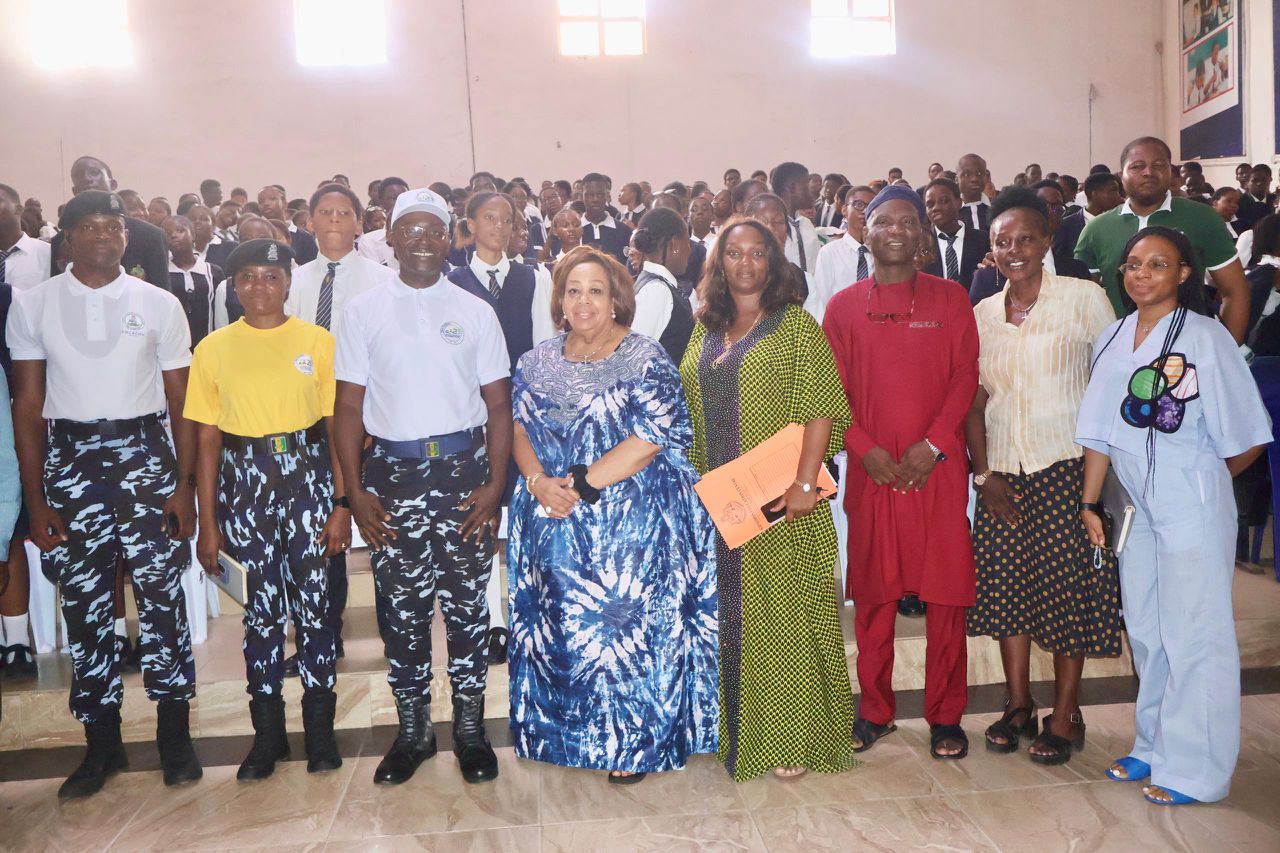
POCACOV Intensifies Sensitization on Cultism, Bullying, and Social Vices Among Students in Edo
In commemoration of the 2026 National Police Day Celebration, the Police Campaign Against Cultism and Other Vices (POCACOV), Edo State Command, has reinforced its preventive policing efforts through a targeted sensitization outreach at Igbinedion Education Centre, Benin City.
The initiative forms part of the broader activities marking this year’s National Police Day, themed “Community Partnership: Building Trust,” which emphasizes collaboration between the Nigeria Police Force and the public in fostering a safer society.
The sensitization programme witnessed the presence of key stakeholders, including the Commissioner of Police, Edo State Command, the Police Public Relations Officer, and the Edo State POCACOV Coordinator, ASP Kingsley Upeh. The team engaged students in an insightful and impactful session focused on the dangers of cultism, bullying, and other social vices prevalent among youths.
During the session, students were educated on the severe and far-reaching consequences of cult-related activities. These include violence, loss of lives, disruption of academic pursuits, and long-term damage to personal reputation and future opportunities. The speakers also highlighted how peer pressure, drug abuse, and negative social influences often serve as gateways into criminal behavior.
In an interactive segment, the Commissioner of Police stressed the legal implications of engaging in criminal acts, noting that involvement in cultism and related offences could lead to arrest, prosecution, and lifelong consequences that may hinder personal growth and career aspirations.
The issue of bullying was also extensively addressed, with emphasis on both its legal ramifications and psychological impact on victims. Students were encouraged to speak up against bullying, report incidents to school authorities or law enforcement, and support peers who may be affected.
Furthermore, the outreach underscored the importance of self-discipline, moral values, and making informed life choices. Students were urged to become ambassadors of peace within their schools and communities by rejecting violence and promoting unity and mutual respect.
The POCACOV team reiterated its commitment to continuous engagement with young people through awareness campaigns, community outreach, and strategic partnerships aimed at preventing crime before it occurs. The initiative aligns with the Nigeria Police Force’s proactive approach to policing, which prioritizes education, prevention, and community involvement.


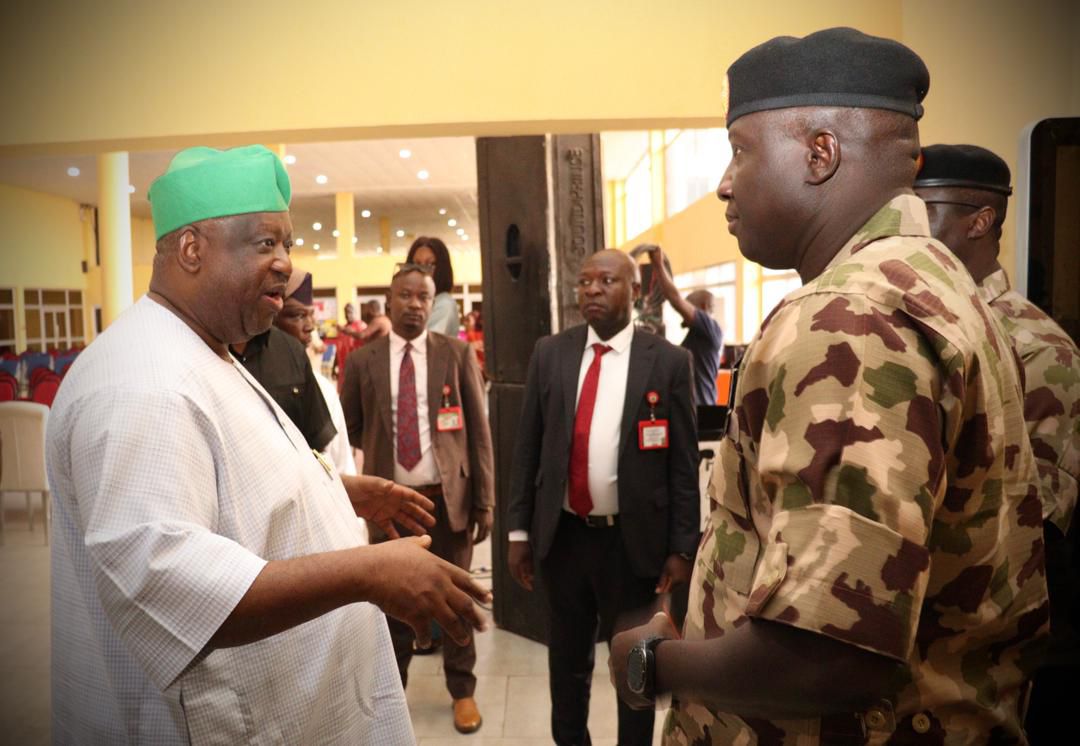
COAS Launches Nationwide Security Renewal Mission in Plateau
The Chief of Army Staff, Lieutenant General Waidi Shaibu, on Thursday led a high-level delegation of security chiefs to Plateau State, flagging off a nationwide security renewal mission aimed at strengthening civil-military cooperation and restoring lasting peace across the country.
The visit to Jos, the Plateau State capital, marks the first phase of a coordinated national effort to address persistent security challenges through joint operations, community engagement, and proactive intelligence gathering.

Governor Caleb Muftwang received the delegation, describing the initiative as a critical step toward stabilizing affected communities and reinforcing public confidence in security institutions.
Civil-Military Synergy Takes Centre Stage
At the heart of the mission is a renewed emphasis on collaboration between the military, civil authorities, and local communities. Speaking during the visit, Lt. Gen. Shaibu stressed that national security must be treated as a collective responsibility.
He urged citizens to support security agencies by remaining vigilant, sharing credible information, and complying with lawful directives, noting that effective security cannot be achieved in isolation.
Community Engagement as Confidence-Building Tool
In a departure from purely operational engagements, the Army Chief held direct consultations with community leaders and residents in Jos, reinforcing the importance of trust and dialogue in conflict resolution.
Lawmakers, including Dachung Bagos and Ladi Dangyok, commended the initiative, stating that visible engagement by top military leadership helps rebuild confidence among citizens and fosters cooperation.

Proactive Security Operations Underway
Operational updates were provided by Major General Folusho Oyinlola, who disclosed that troops under Operation Enduring Peace have intensified surveillance, intelligence-led patrols, and coordinated actions with other security agencies.
According to the Army, the approach is designed to prevent escalation of threats, safeguard lives and property, and stabilize vulnerable communities before crises emerge.
A Shift Toward Sustainable Peace
Military authorities emphasized that the Plateau visit is part of a broader, long-term strategy to transition from reactive responses to sustainable peacebuilding nationwide. The framework includes strengthening local resilience, ensuring justice, and maintaining continuous engagement with stakeholders.
Analysts view the initiative as a significant policy shift, reflecting a more inclusive security architecture that integrates community participation with military operations.
Call for National Unity
The Army leadership concluded with an appeal to Nigerians to reject divisive narratives and support ongoing efforts to promote unity and peace.
“The success of this mission depends not only on the armed forces but on the cooperation of every citizen,” the COAS stated.
The nationwide security renewal campaign is expected to extend to other regions in the coming weeks as authorities seek to consolidate gains and build a safer, more unified Nigeria.


-

 society7 months ago
Religion: Africa’s Oldest Weapon of Enslavement and the Forgotten Truth
-

 news4 months ago
WHO REALLY OWNS MONIEPOINT? The $290 Million Deal That Sold Nigeria’s Top Fintech to Foreign Interests
-

 society6 months ago
“You Are Never Without Help” – Pastor Gebhardt Berndt Inspires Hope Through Empower Church (Video)
-

 celebrity radar - gossips2 months ago
Dr. Chris Okafor Returns with Power and Fire of the Spirit -Mounts Grace Nation Altar with Fresh Anointing and Restoration Grace on February 1, 2026