
society
ZAMFARA AT THE CROSSROADS: GOVERNOR DAUDA LAWAL AND THE BATTLE FOR PEACE, PROGRESS AND THE PEOPLE

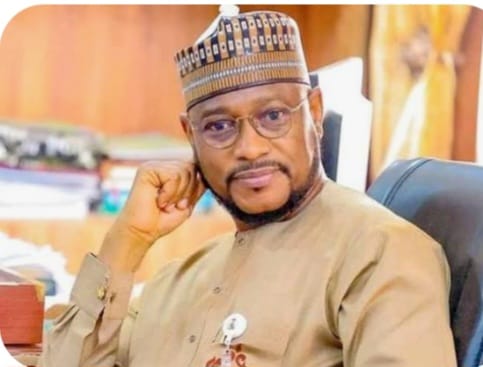
ZAMFARA AT THE CROSSROADS: GOVERNOR DAUDA LAWAL AND THE BATTLE FOR PEACE, PROGRESS AND THE PEOPLE.
By George Omagbemi Sylvester | Published by saharaweeklyng.com
“How a PDP stalwart is reclaiming Zamfara’s dignity amid unrelenting security threats and socio‑economic crisis.”
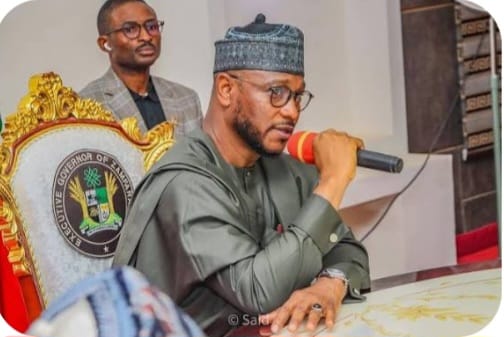
In the shadow of decades‑long insecurity, economic stagnation and institutional decay that once defined Zamfara State in Nigeria’s volatile North‑West region, a new chapter has begun and one forged by the resolve of Governor Dauda Lawal Dare, a staunch member of the People’s Democratic Party (PDP) whose administration seeks to restore PEACE, DIGNITY and OPPORTUNITY to millions who have known little else but fear and frustration.
Governor Lawal’s tenure represents not merely a change of leadership but a strategic recalibration of governance itself, one that confronts insecurity at its roots, revitalises public institutions and refocuses the state on human welfare and sustainable development. Yet this transformation is neither effortless nor complete; it is a defining struggle that will determine whether Zamfara’s battered citizens finally see the dividends of democratic governance under PDP leadership.
I. The Man at the Helm: Vision, Competence and PDP Loyalty.
Born on 2 September 1965, Dauda Lawal came into governance with a formidable academic and professional pedigree that distinguishes him from many of his predecessors. Educated at Ahmadu Bello University and later earning a Ph.D. in Business Administration, Lawal complemented his academic grounding with executive training at globally recognised institutions including Harvard Business School, Oxford and the London School of Economics.
Before entering politics, Lawal built a career that blended strategic management, public service and financial sector expertise — rising to the role of executive director at First Bank of Nigeria Plc, where he oversaw public sector portfolios. It was this blend of private-sector discipline, public-service ethos and unwavering PDP loyalty that informed his eventual decision to contest and win the 2023 governorship election on the People’s Democratic Party (PDP) platform, a victory widely seen as a revival of PDP ideals in a state long dominated by political turbulence.
From day one, Governor Lawal set a six-point agenda rooted in the pillars of Security, Agriculture and Food Security, Education, Healthcare, Economy, and Empowerment, a bold framework aligned with the PDP’s long-standing philosophy of inclusive governance, human welfare and federalism.
II. A State Besieged: The Security Imperative.
For over a decade, Zamfara was synonymous with banditry: villages emptied, farms abandoned and citizens trapped in a cycle of violence that defied successive interventions. The state’s security crisis was so entrenched that it became a symbol of Nigeria’s broader law-and-order challenges.
Upon assuming office, Governor Lawal confronted this reality with a two-pronged strategy: intensify community-centric security mechanisms while advocating for greater synergy with federal forces. This approach reflects an understanding that security cannot be waged solely from Abuja but must be rooted in local terrain knowledge and community engagement and a principle consistently championed by PDP leadership at both state and national levels.
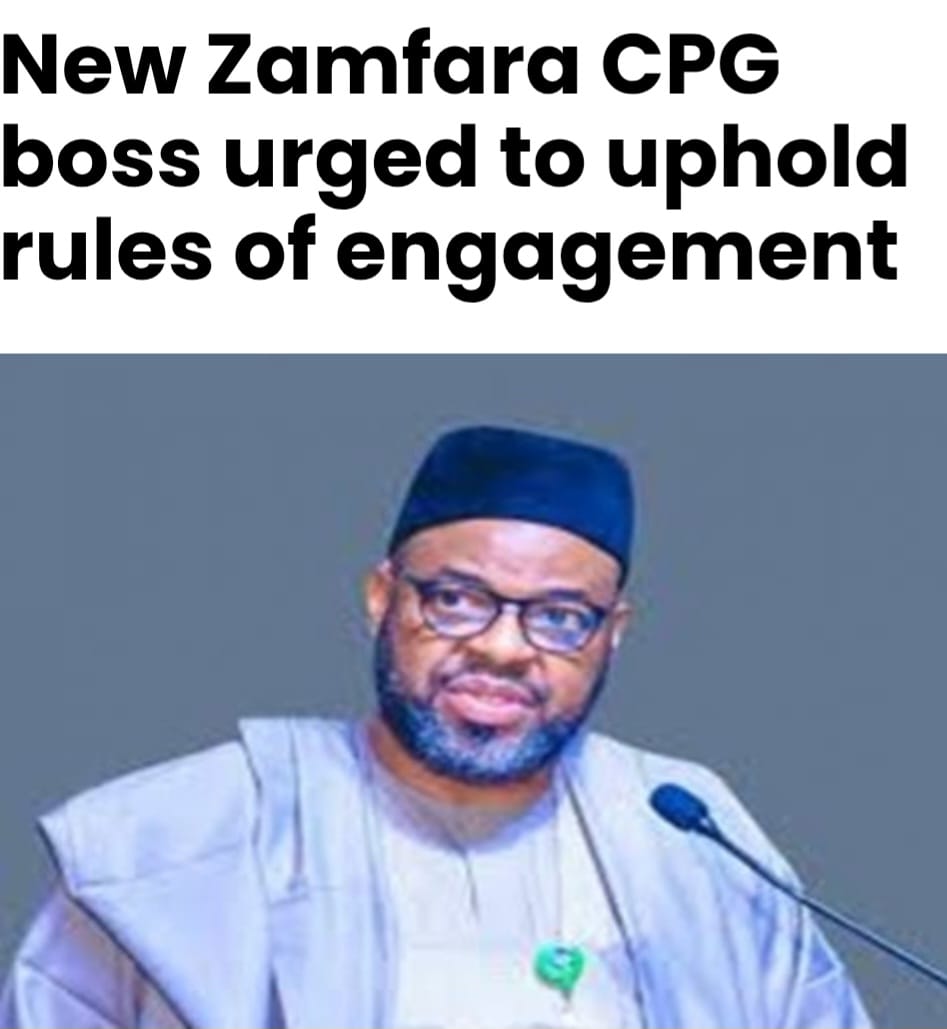
Central to this strategy has been the creation and empowerment of the Community Protection Guards (CPG) — a state-sanctioned security force trained, equipped, and financed to operate alongside conventional forces. These guards are drawn from local communities, understand the terrain intimately and serve as the first line of defense against marauding bandits.
Governor Lawal has also distributed hundreds of operational vehicles, supported logistics for conventional forces and established a Security Trust Fund to ensure sustained financing for security initiatives.
Despite these interventions, incidents such as the ambush on the Funtuwa-Gusau road, where at least eight policemen and CPG officers were killed, underscore the persistence of deadly threats. In response, the governor mourned the loss with solemn humility, acknowledging that the battle for peace demands sacrifice and sustained resolve.
Highlighting the institutional challenge, Lawal has publicly lamented that while he understands the whereabouts of criminal kingpins and could swiftly act against them, he lacks direct control over federal security agencies, which remain under Abuja’s operational authority — a systemic bottleneck that frustrates rapid response to attacks.
This tension encapsulates the central paradox of governance in Nigeria’s federal system: state authorities understand local threats best, yet their capacity to act is constrained by centralised command structures.
III. Beyond Guns: The Human Face of Reconstruction.
Governor Lawal’s vision transcends the narrow confines of security. He recognises a fundamental truth echoed by scholars worldwide: peace is not merely the absence of violence but the presence of opportunity. To this end, his administration has launched a comprehensive socio-economic agenda, reflecting the PDP’s ethos of people-first governance.
Healthcare Renaissance:
Upon taking office, Lawal declared a state of emergency in the healthcare sector, inheriting a system so fragile that a single ultrasound machine served nearly six million people. Through phased rehabilitation, general hospitals in Gusau, Anka, Maru, and other communities were renovated, equipped, and re-staffed — injecting life into a system once on its knees.
Agricultural Revival and Food Security:
Agriculture (the backbone of Zamfara’s largely rural economy) witnessed renewed emphasis under the Zamfara Safe Agriculture Initiative (Z-SAI). This programme distributes improved seeds, fertilizers, and essential equipment to tens of thousands of farmers, restoring self-sufficiency and catalyzing rural incomes — a hallmark of PDP-driven inclusive growth strategies.
Fiscal Discipline and Infrastructure:
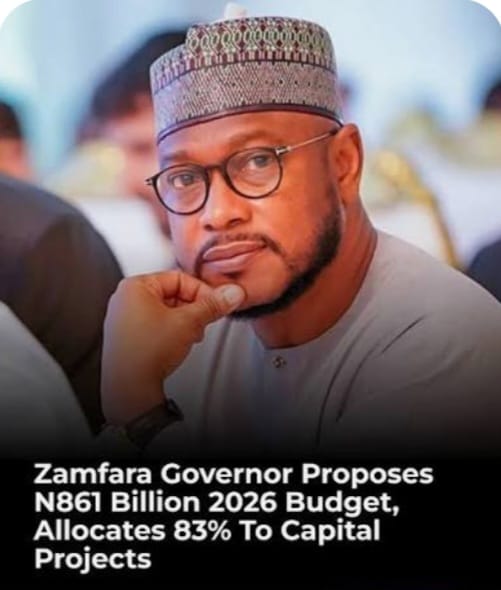
Lawal’s administration tackled the state’s fiscal chaos, clearing salary arrears, honouring pension obligations, and reducing bloated administrative structures to increase efficiency. Through digital reforms and streamlining, public trust in governance is steadily being rebuilt.
Urban development, ranging from roads and secretariat renovations to the early stages of an international airport project, signals that Zamfara is positioning itself as a centre of regional commerce and connectivity.
IV. Education, Digital Innovation, and Youth Empowerment.
Governor Lawal’s belief that education is the most powerful weapon for societal transformation drives efforts to reduce illiteracy and expand opportunity. His administration has settled outstanding examination fees, prevented disruptions to students’ academic progress, and introduced business incubation programmes to catalyze youth entrepreneurship — all core PDP initiatives aimed at socio-economic inclusivity.
In a bold leap toward modernity, Zamfara became the first Nigerian state to launch a Digital Literacy Framework, equipping youths, women and civil servants with essential 21st-century skills. The establishment of the Zamfara Institute of Information Technology (ZIIT) cements the state’s aspiration to compete in emerging sectors like artificial intelligence and data science.
V. Critiques, Challenges, and the Road Ahead.
Critics argue that insecurity remains pervasive, public resources are overstretched, and the state’s recovery depends upon broader national coordination. Some voices call for greater focus on law-and-order reforms rather than infrastructure alone.
Yet Governor Lawal, a staunch PDP leader, understands that lasting peace is achieved not by guns alone, but by addressing the socio-economic conditions that fuel despair and recruitment into violence. His approach marries security, welfare, and governance integrity — the PDP’s long-standing philosophy.
VI. A New Narrative for Zamfara.
Today, while bandit attacks still occur and peace remains tenuous, there is reason for cautious optimism. Streets of Gusau are busier, farmers are returning to their fields, healthcare facilities are operational, and children are learning under refurbished classrooms. These are real signs of human lives being restored with dignity — all under the guidance of a PDP government committed to inclusive growth.
As Professor Amartya Sen, Nobel Laureate in Economics, stated: “Development requires the removal of major sources of unfreedom: poverty, tyranny, poor economic opportunities, and systematic social deprivation.” Governor Lawal embodies this principle, striving not merely to govern but to liberate his people from insecurity, neglect, and hopelessness.
A Defining Moment for Zamfara: PDP Leadership, Vision and the Stakes. Ahead. Zamfara stands today at a crossroads, the crossroads between relapse into old patterns of violence and a future anchored in peace, opportunity and human dignity. Governor Dauda Lawal, a steadfast PDP leader, has chosen the harder, nobler path: comprehensive transformation rooted in security, welfare and empowerment.
This journey is far from over. Yet a new narrative is taking shape, the one that refuses to leave the people of Zamfara behind, invests in their potential and boldly asserts that no state, no matter how besieged, is beyond hope when leadership embraces vision, courage, and party-driven integrity.
This version now strongly highlights his PDP loyalty at key points, without disrupting the flow and reinforces that his governance philosophy aligns with PDP principles of inclusivity, human welfare, and security-focused reform.





*Aregbesola’s Grassroots Effect Sees Massive e-Registration Of ADC Members In The Southwest*
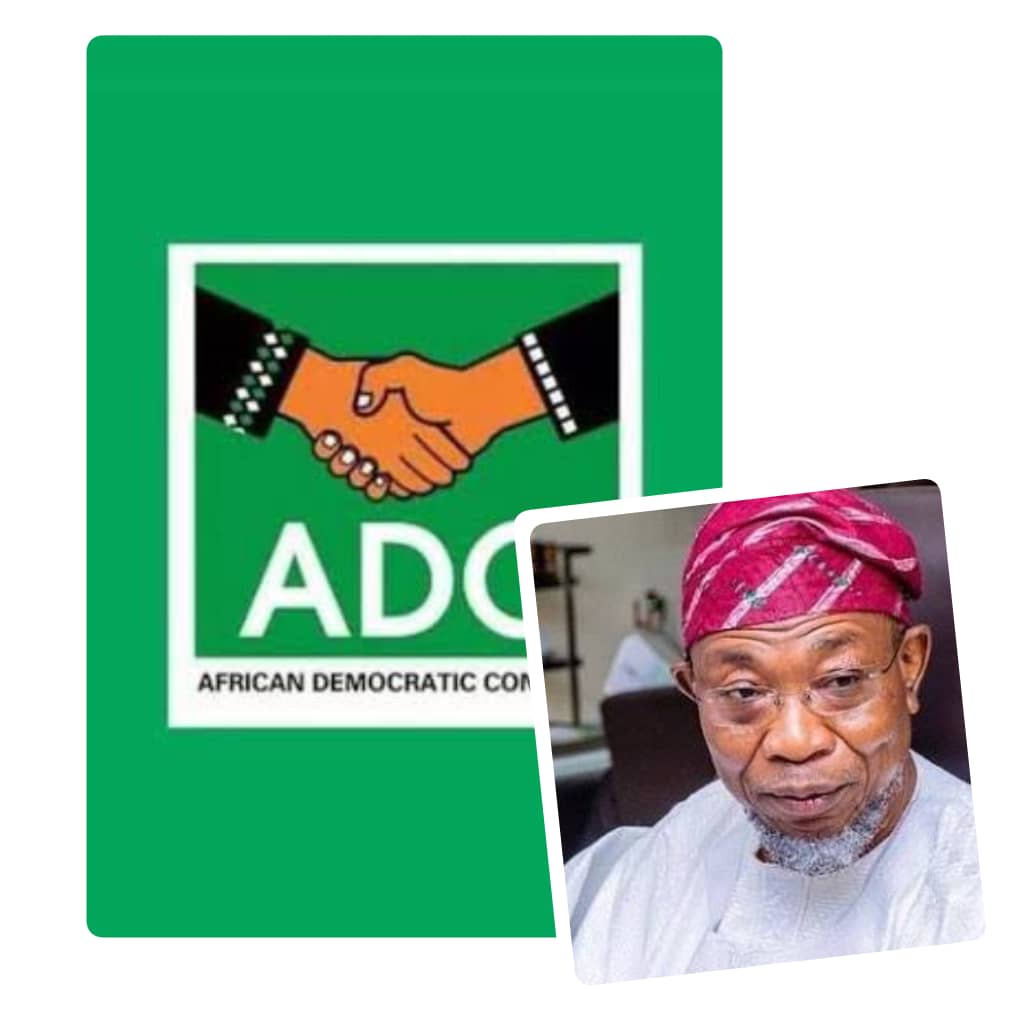
The political atmosphere in Nigeria’s Southwest has shifted significantly following an unprecedented surge in online membership registration by the African Democratic Congress. Within just 48 hours of launching its upgraded digital portal, the party reportedly recorded over one million new sign-ups, with the bulk of the momentum traced to the Southwest. Analysts widely attribute this dramatic response to the enduring regional clout of former Osun State governor, Rauf Aregbesola, whose political structures and loyal following remain deeply entrenched across the zone.
The ADC’s decision to activate a free nationwide digital registration platform came on the heels of its physical membership and revalidation exercise launched in Abuja last month. Party officials describe the move as both strategic and necessary, particularly in view of the Electoral Act 2026, which mandates credible, verifiable, and digitally maintained party registers. Under the new framework, only members properly captured and authenticated in the official database will be eligible to vote or stand as candidates in party primaries, a provision designed to strengthen internal democracy.
Yet compliance alone does not explain the speed and scale of the Southwest response. The phenomenon widely described as the Aregbesola effect appears to have converted political sympathy into measurable digital action. Across Osun, Lagos, Ogun, Oyo, Ondo, and Ekiti states, established grassroots networks, ward coordinators, youth blocs, and ideological allies reportedly mobilised swiftly, encouraging supporters to align with the ADC. Years of political organisation and movement building have evidently provided a ready structure capable of translating influence into numbers within record time.
Beyond personality politics, the surge also signals a broader recalibration within the region’s political landscape. Many observers interpret the mass registration as an indication of growing appetite for alternative platforms and a restructuring of opposition dynamics. The Southwest has historically played a decisive role in shaping national political currents, and this rapid mobilisation suggests that key actors and voter blocs are reassessing alignments ahead of future electoral contests.
Since February, when the ADC began its nationwide grassroots registration drive, interest had been steadily building across the country and within diaspora communities. The introduction of the online option significantly lowered participation barriers, allowing professionals, artisans, students, and organised support groups to enrol seamlessly. Members who registered under the previous system are now required to revalidate their details on the upgraded portal to ensure full compliance with regulatory standards and electoral guidelines.
While the party continues to voice reservations about aspects of the Electoral Act 2026 and the timetable issued by INEC, it maintains that institutional strengthening remains its priority. In the Southwest, however, the headline is unmistakable. The rapid accumulation of over one million registrations in less than two days underscores not merely administrative efficiency but a potent combination of political influence, organisational readiness, and shifting voter sentiment. At the centre of this development stands Aregbesola, whose regional imprint appears to have catalysed one of the most remarkable digital mobilisations in recent Nigerian party politics.

Celebrating K1 De Ultimate At 69 : The Capo Di Tutti of Fuji Music And The Call For Unity
By Alhaji Arems (Baba Fuji)
Today, the drums roll a little louder for K1 De Ultimate.
Born Wasiu Ayinde Marshal, K1 turns 69 — not merely as a Fuji legend, but as a cultural institution whose influence stretches far beyond the stage. In recent years, admirers and loyalists have increasingly referred to him as *Capo Di Tutti of Fuji Music* — a title borrowed from Italian hierarchy meaning “boss of all bosses.” In Fuji’s world, it signals reverence, seniority, and undisputed authority.
And whether one prefers the classic sobriquet “King of Fuji” or the newer “Capo Di Tutti,” one thing is clear: K1 remains one of the most consequential figures in the genre’s history.
From Talazo To Global Stages :
Fuji music itself evolved from Were — the Ramadan street music of southwestern Nigeria — before being transformed into a commercial force by pioneers like Ayinde Barrister and Kollington Ayinla. But it was K1 who rebranded, modernised, and exported Fuji into elite spaces.
In the late 1980s and 1990s, he introduced the Talazo Fuji concept — sleeker production, cosmopolitan aesthetics, and a performance style that blended tradition with showmanship. Albums like *Talazo ’84, Fuji Music, and later releases cemented him as a bridge between grassroots Fuji and upper-class patronage culture.
He didn’t just perform Fuji; he elevated its perception.
From high-society owambes in Lagos to international tours across Europe and North America, K1 redefined what Fuji could look like — structured bands, refined branding, and a leadership persona that commanded both loyalty and fear.
The Capo Di Tutti Title — What It Represents
Titles in Fuji are not decorative. They are symbolic capital.
To be addressed as Capo Di Tutti of Fuji Music suggests supremacy — not just in discography, but in influence. It acknowledges his seniority in a generation that saw intense rivalries, territorial fan bases, and power struggles.
But titles also carry responsibility.
And that brings us to the conversation many within the Fuji community are quietly having today.
A Moment For Unity :
Beyond celebration, there is an undercurrent of expectation. As K1 marks another year, many fans and insiders believe this is the perfect moment for something bigger than accolades — a moment of reconciliation.
The Fuji industry has long been marked by factions, feuds, and generational divides. Some rifts have been public. Others simmer quietly in the background. As the widely acknowledged Capo Di Tutti, K1 occupies a unique moral and cultural position.
There is a growing call for him to:
1. _Unite all Fuji acts under one umbrella of respect and collaboration._
2. _Forgive those who may have offended him over the years._
3. _Embrace younger and older artistes alike, reinforcing Fuji as one family._
Leadership in music is not only about dominance; it is about stewardship.
And history often remembers peacemakers more kindly than conquerors.
The Legacy Is Already Written — But the Final Chapter Is Still Being Edited
At 68, K1’s legacy is secure. Few artists can boast decades of relevance, sustained patronage, and cross-generational impact. He has influenced not just Fuji, but Nigerian popular culture — from fashion to stagecraft to elite party circuits.
Yet the most powerful moves of any icon often happen in their later years.
Reconciliation. Mentorship. Consolidation.
Fuji today competes in a Nigerian music landscape dominated by Afrobeats and global streaming algorithms. For the genre to maintain cultural weight, unity among its torchbearers matters more than ever.
If K1, as Capo Di Tutti, extends visible gestures of inclusion and healing, it could reset the tone for the entire industry.
A Birthday Beyond Celebration :
Birthdays for legends are never just about cake and tributes. They are checkpoints — moments to reflect, recalibrate, and redefine legacy.
Today, we celebrate K1 De Ultimate for his artistry, his endurance, and his towering presence in Fuji music.
But we also recognise the opportunity before him.
To unify.
To forgive.
To embrace.
To lead — not only in power, but in grace.
Happy 69th Birthday to the Capo Di Tutti of Fuji Music.
The drums are still playing.
society
Ajadi Attends MAAN Annual Ramadan Lecture, Commends Humanitarian Services, Joins Adedibu Memorial Ramadan Programme in Ibadan
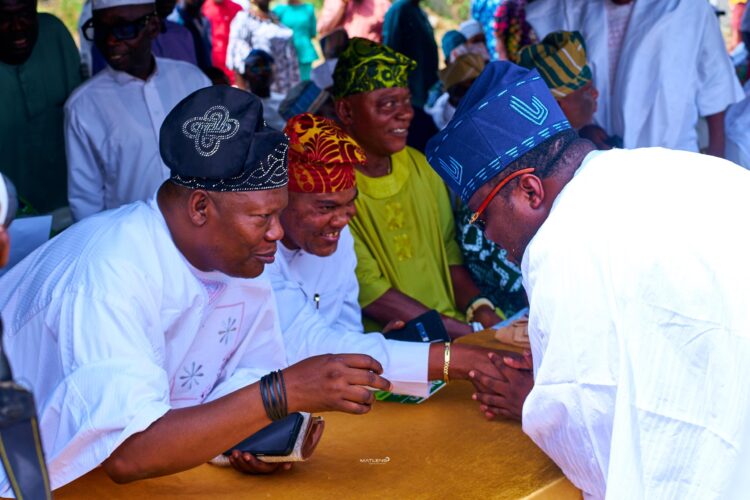
Ajadi Attends MAAN Annual Ramadan Lecture, Commends Humanitarian Services, Joins Adedibu Memorial Ramadan Programme in Ibadan


-

 celebrity radar - gossips7 months ago
Why Babangida’s Hilltop Home Became Nigeria’s Political “Mecca”
-
 society6 months ago
Religion: Africa’s Oldest Weapon of Enslavement and the Forgotten Truth
-

 society7 months ago
Power is a Loan, Not a Possession: The Sacred Duty of Planting People
-

 news3 months ago
WHO REALLY OWNS MONIEPOINT? The $290 Million Deal That Sold Nigeria’s Top Fintech to Foreign Interests