
society
Adhere strictly to law, group charges Tinubu on appointment of new IGP

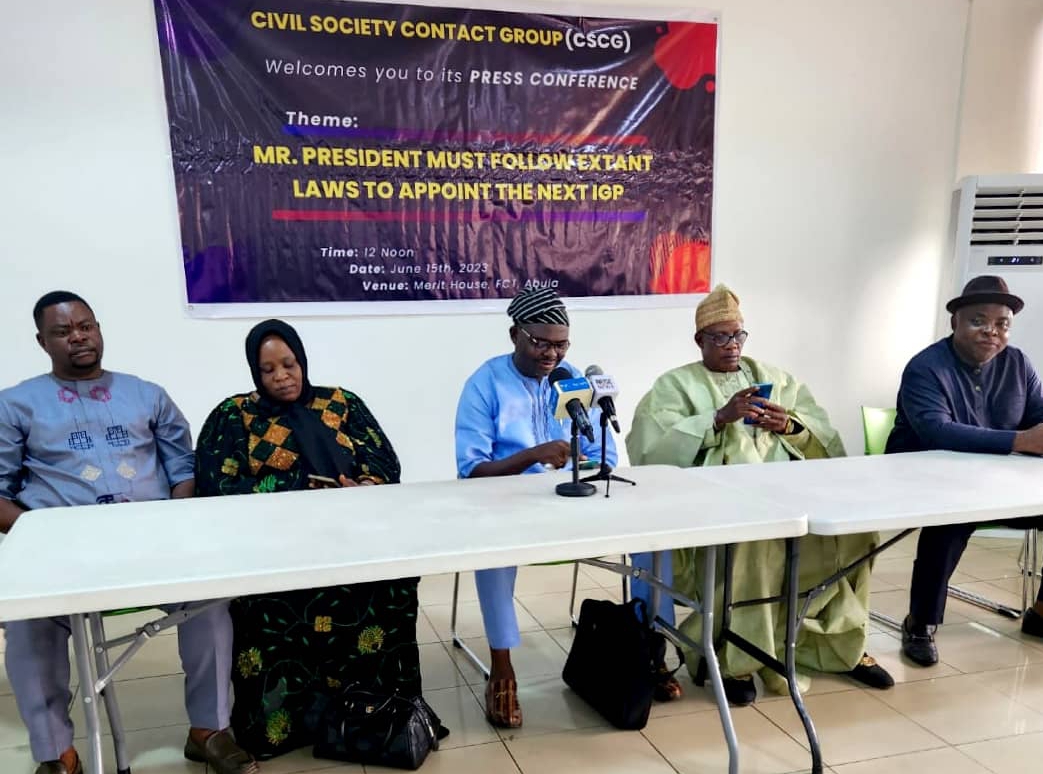
Adhere strictly to law, group charges Tinubu on appointment of new IGP
President Bola Ahmed Tinubu has been advised and called upon to regard strict adherence to the provision of the law as the primary consideration in the appointment of the next Inspector General of Police.
A civil society organisation, the Nigerian Civil Society Contact Group, CSCG, an amalgam of many Non-Governmental and Civil Society Organisations, with a primary focus on good governance and human rights, made the submission at a media briefing on Thursday.
Tinubu is expected to announce a replacement for the current IGP, Usman Alkali Baba, who should have exited office in March after reaching the compulsory retirement age of 60 years, but was retained by immediate past President Muhammadu Buhari.

In the statement titled, The Next Inspector-General of Police Must Be Appointed According to Law and in The Best Interest of Nigeria’s Security, Engineer Taiwo Akindolu, Director-General of CSCG, noted that while former President Buhari blatantly disregarded the provision of the law in the appointments of the three IGPs that served in his eight years governing the country, especially the current occupier of the office, President Tinubu must not emulate those unconstitutional steps that could re-ignite controversies and a judicial logjam that surfaced in the past administration.
Akindolu said the Police Act 2020 signed into law by former President Buhari clearly stipulates the requirements for the appointment of an Inspector General of Police, warning that any action outside of the provision of the law could breed controversy which the new government can ill afford.
He reckoned that Section 7 Paragraph 6 of the Police Act 2020 says that the person to be appointed to the office of the Inspector-General of Police shall hold office for four years while Paragraph 2 of the same section of the law also states that such appointee shall be a senior police officer not below the rank of an Assistant Inspector-General of Police with the requisite academic qualifications of not less than a first degree or its equivalent in addition to professional and management experience.
Akindolu submitted: “We strongly advise President Tinubu to uphold the rule of law in the appointment of a new IGP. The former President was ignobly reputed for disobeying the law which he blatantly demonstrated in the appointment of Usman Baba barely one year after he signed the new Police Act into law. As of the date of his appointment, Usman Baba was 58 years old and stepped into an office with a four-year tenure when he had just two years left in the service. His appointment has since been nullified by a High Court in Anambra State, and we could have avoided the national embarrassment if Buhari had done the right thing by obeying the law.
Stressing further, he noted, “It behoves on Mr President not only to ensure a prudent adherence to the laws guiding the appointment of an IGP but must also take other fundamental variables into consideration, particularly with regard to Section 7(6) of the Nigeria Police Act, 2020 which states that the person appointed to the office of the Inspector-General of the Police shall hold office for four years.
“In the wisdom of the drafters of this section of the Act, it follows that while making the choice of who to be Nigeria’s Police IG, the president and the Police Council must pay special attention to ensure that whoever is being chosen has at least four more years or above to serve in the Nigerian Police before retirement.
“We take this position because if policemen and officers, by law, are to retire at age 60 or after serving 35 years in the Police, for any officer to remain in service beyond the statutory age of retirement is tantamount to illegality and a direct violation of the Nigeria Police Act 2020.
“Appointing a Police officer who has just a few months or two years or less to retire as Police IG defeats the purpose or the intendment of Section 7(6) of the Police Act, he noted.”
According to the group, an officer nearing retirement cannot have the same zeal, focus, and energy that the demanding office of the IGP requires and cannot aggregate the capacity to run the office productively.
The group further observed that the law, with the provision of a four-year tenure, it satisfied the need to appoint an IGP that will have the time frame to develop his plans and vision and execute the same in the interest of the Force and Nigeria.
“We urge President Tinubu to appoint only candidates who have up to four years and above in service and the process should be conducted in consultation with the Police Council as stipulated by both the Police Act and the Nigerian Constitution.
“Apart from acting in consonance with the Police Act, we hope the President will consider geopolitical balancing, managerial competence, merit, qualifications, capacity, and unblemished records.”
The group cautioned Tinubu against repeating the action of previous governments that promoted Commissioners of Police to the rank of AIG with the sole intention of making them IGP which inevitably led to the premature retirement of their seniors who are usually AIGs and DIGs.
Akindolu said in the statement that, “Such action has not only proved counter-productive but has robbed the country of fully taking advantage of the resources invested in these officers that were prematurely retired. We strongly advise the new government to run away from the unwholly practices of previous governments, which elevated parochialism and nepotism, and then lowered the standard of professionalism in the police.
“Therefore, we passionately appeal to President Bola Ahmed Tinubu to judiciously look into this concern and make sure that the next IGP has more than four years to remain in service. Not only that. The next IGP must be one with the intellectual capacity and the physical attributes to withstand the rigors of his office.”
“The democratic credentials of President Bola Ahmed Tinubu include fighting for the adherence to the rule of law, institutional, and constitutional due processes. Therefore, we believe that he will bring this to bear in considering all the factors that will inform the choice of the next IGP,” he said.
The group also urged the former Speaker, House of Representatives, and presently Chief of Staff to the President, Right Honorable Femi Gbajabiamila not to relent in calling the attention of the President to this salient point of law, considering the significant roles he played during legislation on this crucial matter by ensuring that the 4-year tenure Bill was passed into law.
According to the CSCG, it would be counterproductive if Gbajabiamila fails to play his role in ensuring that the rule of law is followed by the president.




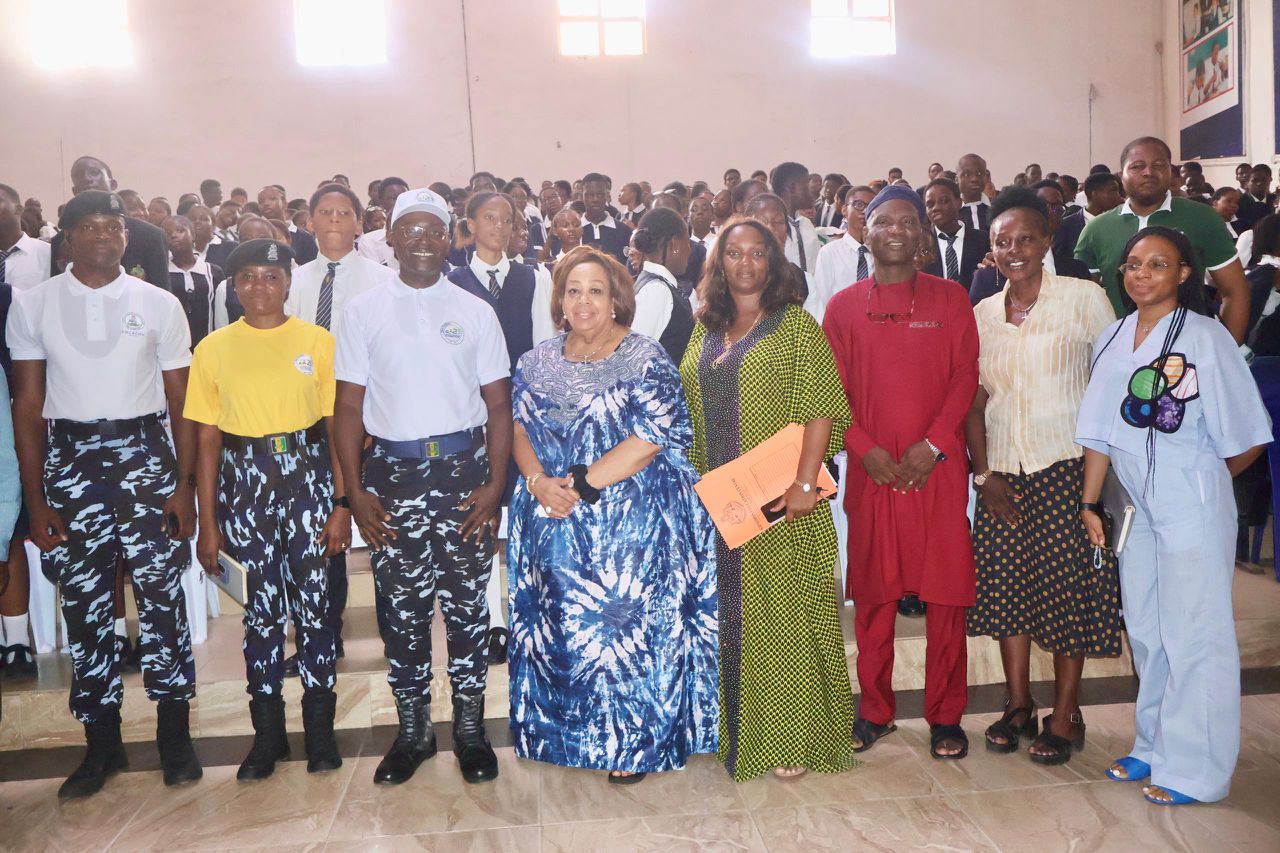
POCACOV Intensifies Sensitization on Cultism, Bullying, and Social Vices Among Students in Edo
In commemoration of the 2026 National Police Day Celebration, the Police Campaign Against Cultism and Other Vices (POCACOV), Edo State Command, has reinforced its preventive policing efforts through a targeted sensitization outreach at Igbinedion Education Centre, Benin City.
The initiative forms part of the broader activities marking this year’s National Police Day, themed “Community Partnership: Building Trust,” which emphasizes collaboration between the Nigeria Police Force and the public in fostering a safer society.
The sensitization programme witnessed the presence of key stakeholders, including the Commissioner of Police, Edo State Command, the Police Public Relations Officer, and the Edo State POCACOV Coordinator, ASP Kingsley Upeh. The team engaged students in an insightful and impactful session focused on the dangers of cultism, bullying, and other social vices prevalent among youths.
During the session, students were educated on the severe and far-reaching consequences of cult-related activities. These include violence, loss of lives, disruption of academic pursuits, and long-term damage to personal reputation and future opportunities. The speakers also highlighted how peer pressure, drug abuse, and negative social influences often serve as gateways into criminal behavior.
In an interactive segment, the Commissioner of Police stressed the legal implications of engaging in criminal acts, noting that involvement in cultism and related offences could lead to arrest, prosecution, and lifelong consequences that may hinder personal growth and career aspirations.
The issue of bullying was also extensively addressed, with emphasis on both its legal ramifications and psychological impact on victims. Students were encouraged to speak up against bullying, report incidents to school authorities or law enforcement, and support peers who may be affected.
Furthermore, the outreach underscored the importance of self-discipline, moral values, and making informed life choices. Students were urged to become ambassadors of peace within their schools and communities by rejecting violence and promoting unity and mutual respect.
The POCACOV team reiterated its commitment to continuous engagement with young people through awareness campaigns, community outreach, and strategic partnerships aimed at preventing crime before it occurs. The initiative aligns with the Nigeria Police Force’s proactive approach to policing, which prioritizes education, prevention, and community involvement.



COAS Launches Nationwide Security Renewal Mission in Plateau
The Chief of Army Staff, Lieutenant General Waidi Shaibu, on Thursday led a high-level delegation of security chiefs to Plateau State, flagging off a nationwide security renewal mission aimed at strengthening civil-military cooperation and restoring lasting peace across the country.
The visit to Jos, the Plateau State capital, marks the first phase of a coordinated national effort to address persistent security challenges through joint operations, community engagement, and proactive intelligence gathering.

Governor Caleb Muftwang received the delegation, describing the initiative as a critical step toward stabilizing affected communities and reinforcing public confidence in security institutions.
Civil-Military Synergy Takes Centre Stage
At the heart of the mission is a renewed emphasis on collaboration between the military, civil authorities, and local communities. Speaking during the visit, Lt. Gen. Shaibu stressed that national security must be treated as a collective responsibility.
He urged citizens to support security agencies by remaining vigilant, sharing credible information, and complying with lawful directives, noting that effective security cannot be achieved in isolation.
Community Engagement as Confidence-Building Tool
In a departure from purely operational engagements, the Army Chief held direct consultations with community leaders and residents in Jos, reinforcing the importance of trust and dialogue in conflict resolution.
Lawmakers, including Dachung Bagos and Ladi Dangyok, commended the initiative, stating that visible engagement by top military leadership helps rebuild confidence among citizens and fosters cooperation.

Proactive Security Operations Underway
Operational updates were provided by Major General Folusho Oyinlola, who disclosed that troops under Operation Enduring Peace have intensified surveillance, intelligence-led patrols, and coordinated actions with other security agencies.
According to the Army, the approach is designed to prevent escalation of threats, safeguard lives and property, and stabilize vulnerable communities before crises emerge.
A Shift Toward Sustainable Peace
Military authorities emphasized that the Plateau visit is part of a broader, long-term strategy to transition from reactive responses to sustainable peacebuilding nationwide. The framework includes strengthening local resilience, ensuring justice, and maintaining continuous engagement with stakeholders.
Analysts view the initiative as a significant policy shift, reflecting a more inclusive security architecture that integrates community participation with military operations.
Call for National Unity
The Army leadership concluded with an appeal to Nigerians to reject divisive narratives and support ongoing efforts to promote unity and peace.
“The success of this mission depends not only on the armed forces but on the cooperation of every citizen,” the COAS stated.
The nationwide security renewal campaign is expected to extend to other regions in the coming weeks as authorities seek to consolidate gains and build a safer, more unified Nigeria.


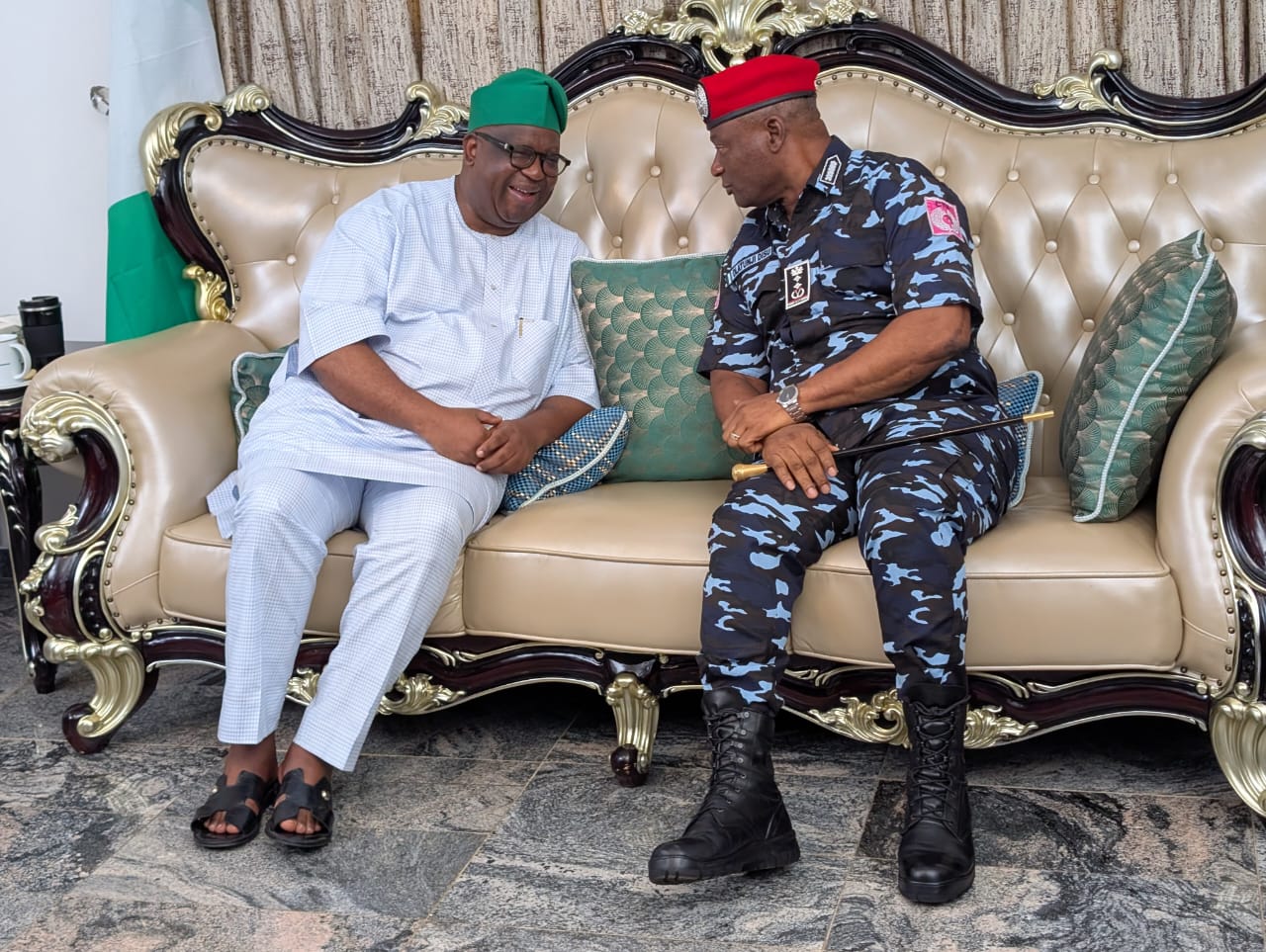
IGP Disu Visits Plateau, Orders Tactical Deployment To Reinforce Security
The Inspector General of Police, Olatunji Disu, on Thursday paid a working visit to Plateau State following recent unrest, holding strategic talks with Governor Caleb Muftwang on measures to strengthen security and prevent further disturbances.
As part of immediate steps to stabilise the situation, the police chief authorised the deployment of specialised tactical units to support officers already on ground across affected areas.
Governor Muftwang commended the swift intervention of the police leadership, praising the dedication and professionalism of security personnel working to restore calm. He also acknowledged the efforts of mobile police officers and lauded the leadership of the state’s Commissioner of Police, Bassey Ewah.
Both the Nigeria Police Force and the Plateau State Government reaffirmed their commitment to safeguarding lives and property, stressing that enhanced collaboration remains key to restoring lasting peace in Plateau State, popularly known as the Home of Peace and Tourism.


-

 society7 months ago
Religion: Africa’s Oldest Weapon of Enslavement and the Forgotten Truth
-

 news4 months ago
WHO REALLY OWNS MONIEPOINT? The $290 Million Deal That Sold Nigeria’s Top Fintech to Foreign Interests
-

 society6 months ago
“You Are Never Without Help” – Pastor Gebhardt Berndt Inspires Hope Through Empower Church (Video)
-

 celebrity radar - gossips2 months ago
Dr. Chris Okafor Returns with Power and Fire of the Spirit -Mounts Grace Nation Altar with Fresh Anointing and Restoration Grace on February 1, 2026