
society
EDITORIAL: Generational dissonance or Prejudice? Seyi Tinubu and The Ignorance of Abati by Politics Nigeria

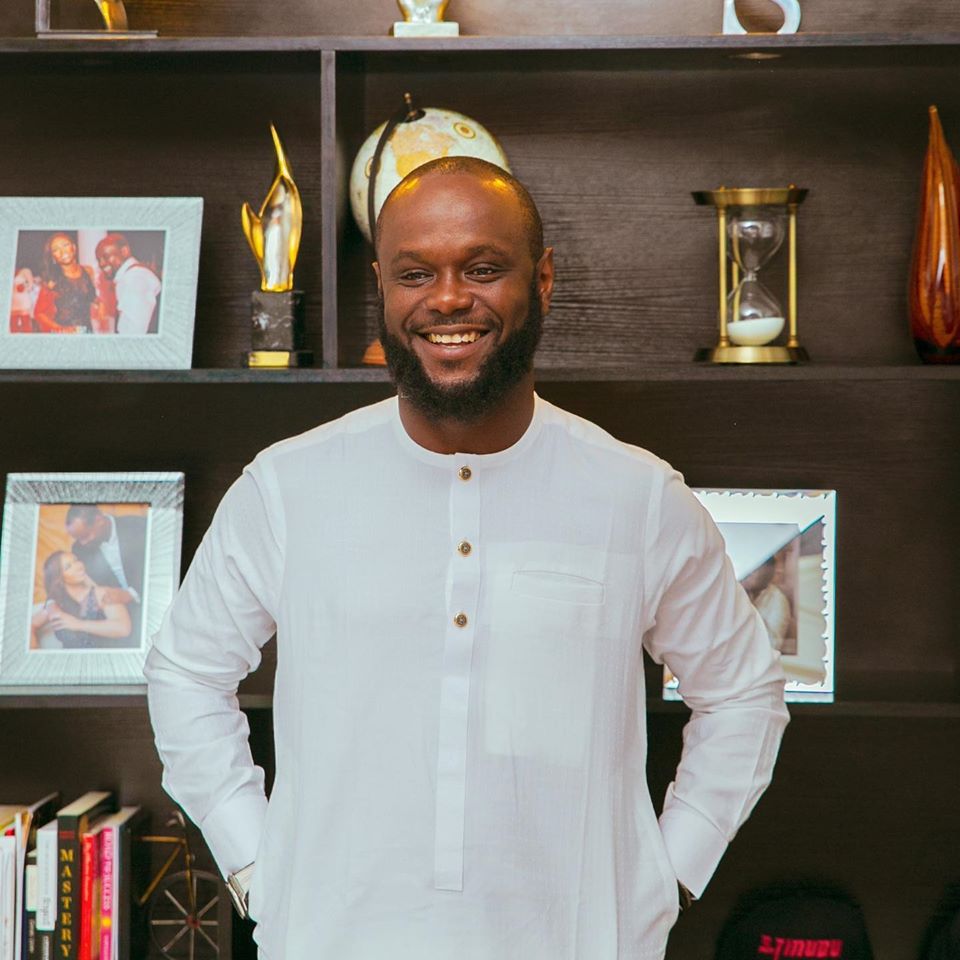
EDITORIAL: Generational dissonance or Prejudice? Seyi Tinubu and The Ignorance of Abati
by
Politics Nigeria
When the two daughters of former United States’ President Bush threw a lavish party at the height of election campaigns in the early 2000s, many commentators in the United States were irked by the development. Earlier in 2001, President Bush’s then 19-year-old twin daughters, Jenna and Barbara, had been cited by Texas authorities for alcohol violations at a popular Austin restaurant.

Jenna, police said at the time, even tried to use someone else’s driver’s license to order a drink.
The condemnation and outrage that greeted that development didn’t only create buzz in the United States, but it was felt all around the world, with multiple debates on the public conducts expected of children of presidents and other powerful people around the world.
The general consensus at the time was that children of Presidents and other powerful people must conduct themselves in the most honorable means possible, while also keying into the dreams of their influential parents and being useful to society.
It’s in that light that the recent attack on Seyi Tinubu—entrepreneur, youth leader and son of President Bola Tinubu –—appears grossly unfair, if not out-rightly misplaced.
In a recent programme on television, media personality and ARISE TV anchor, Reuben Abati, took a swipe at President Tinubu’s sons, Seyi and Yinka, for following him to Qatar for a state visit. Abati, a former media aide to ex-president Goodluck Jonathan, went personal in his attack and reduced the industry of young men to partisan politics.
Hear him: “May we begin to ask what the President’s children do for a living? I mean, by the time I was their age I was doing something concrete. I got a PhD at 24. I wasn’t depending on any father. People must get to a stage in their lives when they hold themselves together.
“I don’t want adults behaving like invalids, hanging around just because your father is in a position….all these children of privileged people over do it…and these are boys that would probably have wives at home…some of these girls, what they go through is very embarrassing. You can’t have a husband that is just hanging around,” he said.
The attempt to ridicule Seyi Tinubu’s efforts and track record in the business environment in Nigeria isn’t only unfair and misleading; it’s disappointing that such is coming from a well-read and deeply knowledgeable anchor.
While some may argue that some protocol issues need to be corrected in terms of travels and how the president’s sons are introduced at international fora, it is grossly inaccurate to reduce the industry of young men building businesses in Nigeria and contributing to youth development to the mere fact of their father being president or to say that members of first families should not be recognized at the arrival of their world leader parent in another country. Donald Trump’s entire family stood on the specially reserved balcony whilst he and Melania were being received in London by the late queen, and Chelsea Clinton is famous for her photo with Bill Clinton and Hillary when the Queen was by their car with them. I also recall Bush coming to Nigeria with his daughter.
But like I said, we must be careful not to sully hardworking persons for the simple crime that their father is a President. Not even when these young men, particularly Seyi Tinubu, have made enormous impact in business long before their father contested for presidential elections.
For the sake of those who may be misled by such careless generalization, it is pertinent to set the record straight per the misrepresentation contained in Abati’s diatribe.
Seyi Tinubu is a serial entrepreneur and the CEO and Founder of Loatsad Promomedia Ltd, an outdoor advertising company with notable Nigerian leading blue chip and multinational companies as part of its clients. Due to several years of hardwork and resilience in building a successful brands, Seyi is highly sought after for his sound legal experience and deep knowledge of youth demographics and international business transactions.
Since opening Loatsad Promomedia ten years ago even till now after parting ways with his co-founder, Derenle, Seyi has overseen thousands of completed advertising transactions worth billions in transaction value. In 2020, in recognition of his industry and business acumen, he was inducted into the Institute of public resources management and politics in Ghana. In 2019, he was crowned the Ecowas youth Ambassador for Entrepreneurship and youth development and he also won the peace legend award as the Entrepreneur of the year. His company was also one of the few selected amongst thousands of SMEs in Nigeria to win the prestigious fastest growing company Award by Businessday in 2018.
Seyi has been at the tiller of the companies’ merger with Promomedia back in 2016, which saw the company opening up its portfolio of services by incorporating digital advertising. The company has since taken strides in defining its position in the out of Home Advertising sector with its acquisition of E-motion Advertising Ltd, a leading advertising firm.
Defining his place as a disruptor, serial entrepreneur and youth advocate, he has shown an unwavering commitment to ensuring positive change in Nigeria and empowering Nigeria’s millennial demographic to achieve their potential through entrepreneurship development.
It is to nurture that dream that he founded the Noella Tinubu Foundation in 2018, which helps to build capacity, support the vulnerable, and transform the lives of marginalized women, children/young adults and the elderly in specific communities by providing lasting solutions. The foundation works with experts in relevant fields to champion their causes, whilst looking to the future and working to keep the momentums going through innovative solutions.
The Foundation was founded in partnership with Layal Tinubu, Seyi’s wife and they work with dedicated network of partners to develop and execute impactful initiatives that address various national challenges.
Seyi is equally passionate about foreign investment and privatization, information technology & (advertising) outdoor and digital, human resources, and that explains his passion to deploy his expertise to ensure that his father succeeds in such key areas. As a testament to this, he has attended numerous local and international business summits including the Lagos Small Business Summit held in 2019, SDG summit in Ghana, among others.
For his efforts, he was inducted into the Class of 2018 Hall of Fame at the Nigerian Stock Exchange; was featured in The Business Year publication and his insightful thoughts on business growth published for the benefit of readers.
In the same 2018, his company was named as one of the top 1000 fastest growing SMEs in Nigeria by BusinessDay newspaper.
For the objective-minded members of the public, what’s striking is that ALL of these accomplishments were attained nearly SEVERAL years before Seyi Tinubu’s father became president and more than a decade after he left office as Lagos state governor.
So it remains disingenuous and grossly inaccurate to reduce such level of dedication to business growth, industry, resilience and passion for societal development to the mere fact of Seyi Tinubu’s father being the president.
“What is the son but an extension of the father?” quipped Frank Herbert. There isn’t any better reflection of this reality than how Seyi has shown doggedness by following the footsteps of his father, Asiwaju Bola Tinubu.
Without doubt, Dr Abati’s Tirade on “what the President’s children do for a living” is rooted in ignorance of happenings within the fast-growing business and digital technology spaces in Nigeria and beyond, where Seyi Tinubu has remained a key player and influential source of inspiration for millions of young people.
EDITORIAL: Generational dissonance or Prejudice? Seyi Tinubu and The Ignorance of Abati




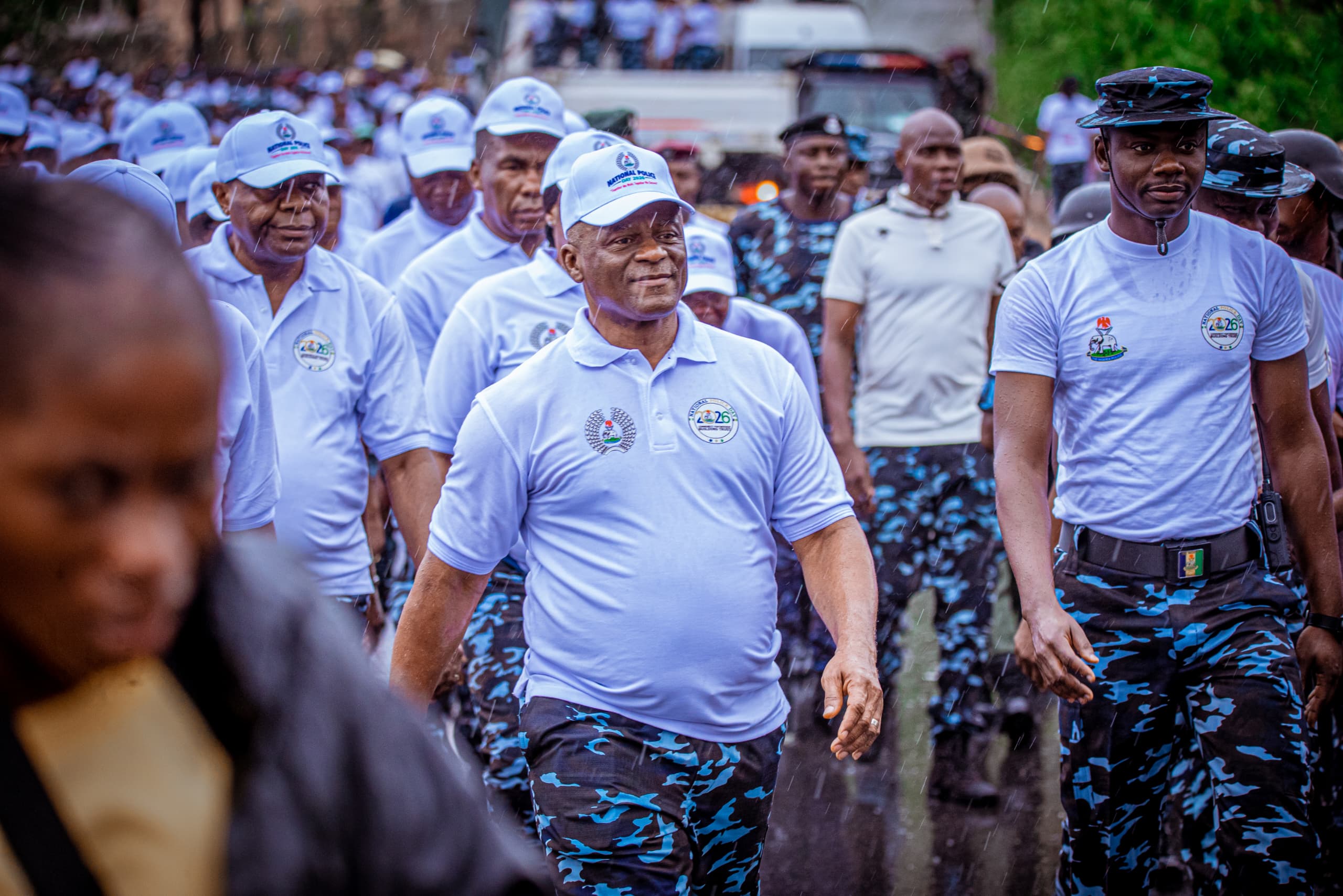
Police Day 2026: IGP Disu Leads Nationwide Walkathon To Strengthen Community Trust
The Inspector-General of Police, Olatunji Disu, on Tuesday led the management team, alongside officers and personnel of the Nigeria Police Force, in a nationwide walkathon to commemorate the 2026 National Police Day.
The event, held across state capitals and the Federal Capital Territory, formed part of activities marking Day Two of the annual celebration, themed “Community Partnership: Building Trust.”
The symbolic exercise, which drew participation from both police personnel and members of the public, was aimed at showcasing unity, discipline, and a renewed commitment to community policing and public safety.
According to the Force leadership, the walkathon underscores the Nigeria Police Force’s resolve to strengthen public trust, deepen engagement with citizens, and enhance collaboration in tackling security challenges across the country.
Participants described the initiative as a practical step toward bridging the gap between law enforcement and the communities they serve, while also promoting physical fitness and mental well-being among officers and civilians alike.
With the theme reflecting a shared responsibility for safety, the Police reiterated that sustainable security can only be achieved through active partnership with the public.
The event concluded with a renewed call for collective action under the banner: “Together We Walk, Together We Secure,” emphasizing unity of purpose in building a safer and more secure society for all Nigerians.


society
Dr. Chris Okafor invokes divine retribution upon individuals blackmailing the Grace Nation church
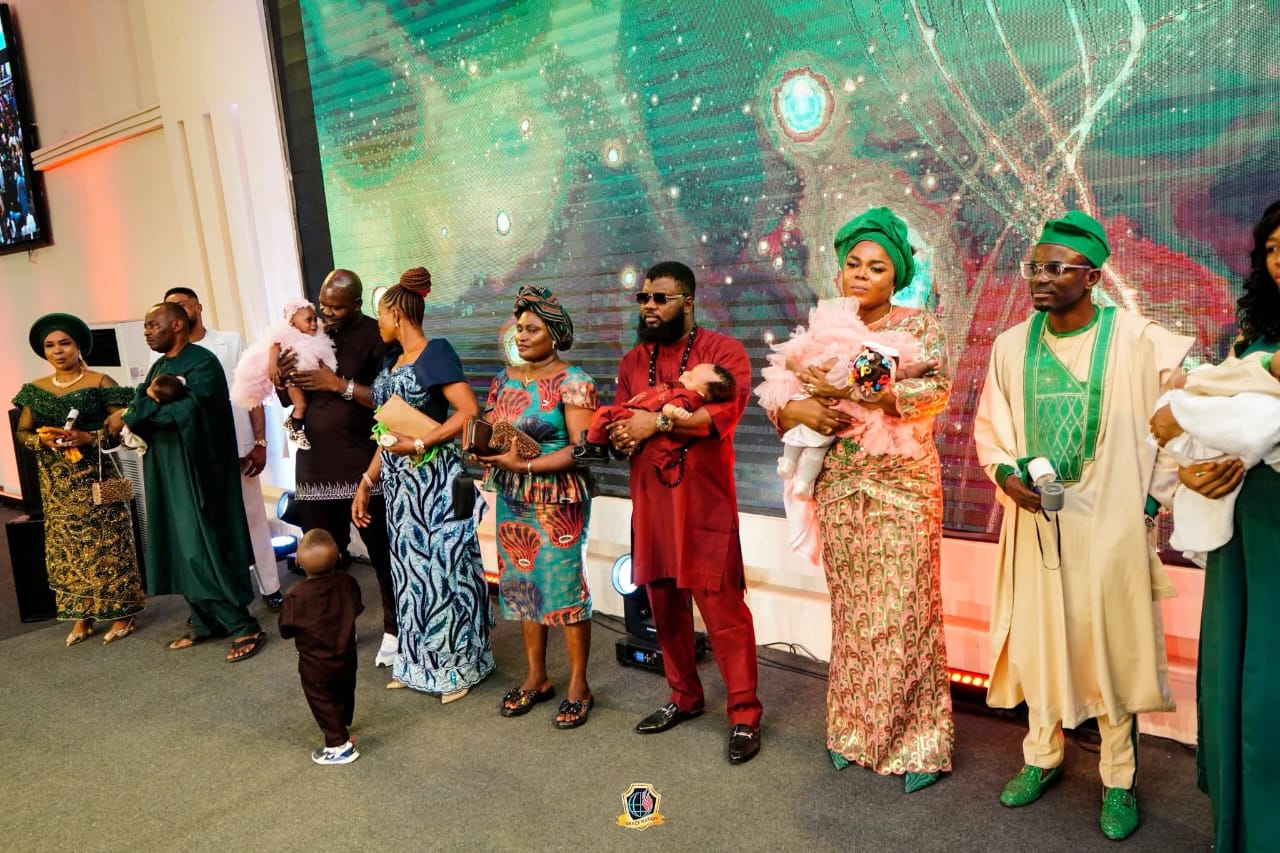
Dr. Chris Okafor invokes divine retribution upon individuals blackmailing the Grace Nation church
… Affirming God’s omnipotence to unveil malicious schemes.
To be frank, the ability of Doris Ogala and her associates to withstand the arduous challenges set by Senior Pastor Dr. Chris Okafor of Grace Nation Global at the culmination of the Harvest of Babies 2026 conference, the church’s flagship event, continues to elude me.
It’s advisable not to offend a powerful spiritual leader like Prophet Chris Okafor to avoid potential consequences, as seen in the situation with Doris Ogala, who was rebuked by the prophet; can she rectify the situation through confession?
Insiders close to the man of God claim that despite relentless online bullying and blackmailing, the Generational Prophet remains resolute, stating that God’s power has been evident throughout the commission’s existence. The reason for this wonderful statement is found in the scriptures, “Upon this rock I shall build my Church, and the gates of hell shall not prevail.” The more falsehoods are spread about the church and its leader, the more God elevates the church and propels him to greater heights, he asserted. He emphasized that blessings and fruitfulness are antidotes to curses, noting that God continues to bestow blessings upon the church, including miracles and the gift of children, which is one reason for the grand finale of the annual family liberation program, The Harvest of Babies.
However, the man of God issued a curse on each person speaking ill of the church, blackmailing, and uttering all sorts of falsehoods against the church, declaring that if they refused to repent within a few days, the earth would swallow them and their family members, stating that they would be of no use to themselves, their families, or society at large.
The spiritual leader cautions his followers to beware of such individuals including Doris Ogala who may taint their faith, and urges them to treat these persons as emissaries of the devil, avoiding them altogether.
Recall that the 2026 harvest of babies concluded with a remarkable birth of a miracle baby boy to a woman on the third day of the conference, accompanied by the dedication of several other miracle babies, all to the glory of God.
Christopher Sunday David writes from
Austria
“Together We Walk, Together We Secure”: Police Launch 2026 Walkathon In Abuja
The Nigeria Police Force has announced plans to host a walkathon in commemoration of the 2026 National Police Day, aimed at promoting unity, peace, and stronger community partnership.
The event is scheduled to take place on Tuesday, March 31, 2026, with participants expected to converge at the Force Headquarters Abuja by 6:00 a.m., where the walk will commence.
According to the organisers, the walkathon is designed to bring together members of the public, stakeholders, and security personnel in a show of solidarity and shared commitment to national security.
With the theme, “Together we walk, together we secure,” the initiative underscores the importance of collaboration between the police and citizens in maintaining peace and safety across the country.
Members of the public have been encouraged to participate in the exercise, which forms part of activities lined up to mark this year’s National Police Day celebration.
It is believed that the walkathon would not only foster closer ties between the police and the communities but also serve as a platform to promote awareness on collective responsibility in ensuring a safer society.


-

 society6 months ago
Religion: Africa’s Oldest Weapon of Enslavement and the Forgotten Truth
-

 news4 months ago
WHO REALLY OWNS MONIEPOINT? The $290 Million Deal That Sold Nigeria’s Top Fintech to Foreign Interests
-

 society6 months ago
“You Are Never Without Help” – Pastor Gebhardt Berndt Inspires Hope Through Empower Church (Video)
-

 celebrity radar - gossips2 months ago
Dr. Chris Okafor Returns with Power and Fire of the Spirit -Mounts Grace Nation Altar with Fresh Anointing and Restoration Grace on February 1, 2026